Whether a Whippet Needs a Second Dog
Many Whippet owners find themselves grappling with a common question: does my beloved, sensitive sighthound truly need a canine companion? It's easy to project our own feelings of loneliness onto our dogs, especially when we see them curled up alone or displaying signs of anxiety when we leave. This guide will help you navigate the complexities of adding a second dog to your home, exploring the genuine benefits, potential challenges, and practical alternatives to ensure your Whippet's happiness and well-being.
Understanding Your Whippet's Innate Social Nature
Whippets are undeniably social creatures, bred for centuries to live in close quarters with their human families. They thrive on companionship, whether it's from people or other dogs. However, this doesn't automatically mean every Whippet requires a second dog to be truly happy. Their social needs are nuanced and depend heavily on their individual personality, upbringing, and the amount of interaction they receive from their human family.
The Myth of Constant Canine Companionship
It’s easy to think that if we're not home, our Whippet must be miserable alone. While Whippets certainly cherish company, they are also champion nappers, masters of the art of relaxation. A well-exercised and mentally stimulated Whippet is often perfectly content to snooze away the hours until their people return. The idea that they need another dog to fill every moment of their day isn't always accurate. In fact, some Whippets, particularly those who are more independent or perhaps a little shy, might even prefer the peace and quiet of being an only dog, especially if they get ample attention and outings from their human companions. It’s about quality of interaction, not just quantity of bodies in the house.
Recognizing Signs of a Lonely or Anxious Whippet
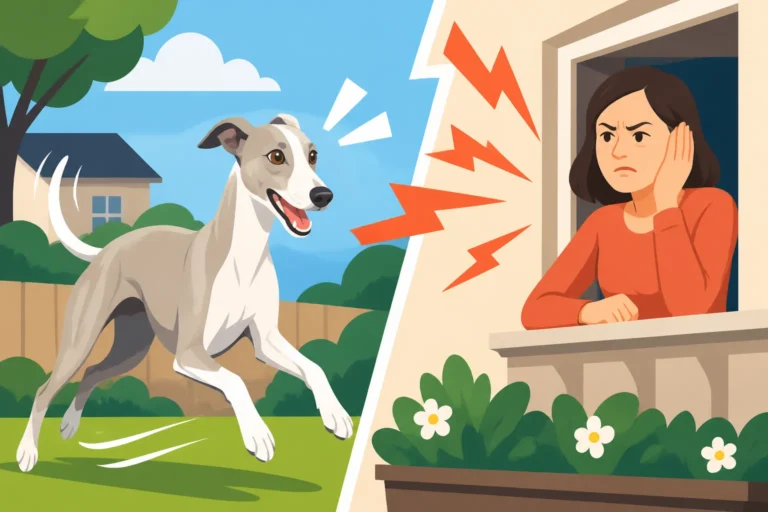
Before rushing into getting a second dog, it's crucial to correctly identify if your Whippet is genuinely struggling with loneliness or separation anxiety. A truly lonely Whippet might exhibit certain behaviors that go beyond normal dog quirks. These could include excessive vocalization – barking, howling, or whining – when left alone, destructive chewing of furniture or personal items, inappropriate urination or defecation indoors, or becoming overly clingy when you are home.
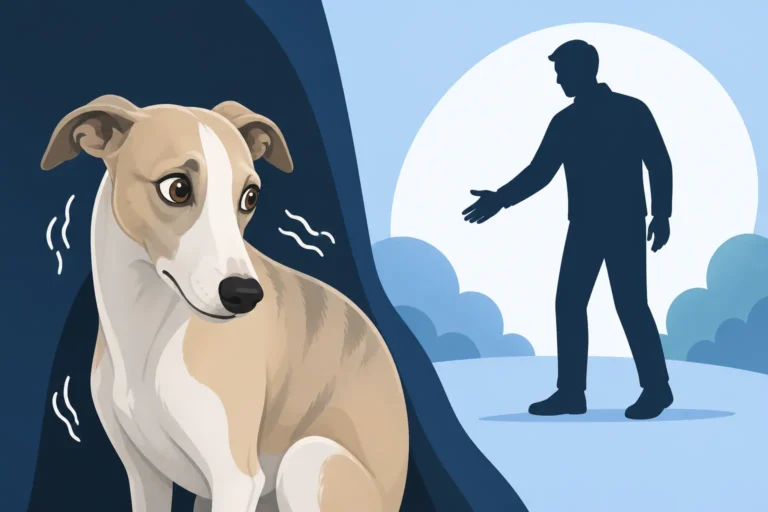
These behaviors are often direct indicators of stress and discomfort when separated from their primary attachments. A Whippet suffering from Separation Anxiety in a Whippet isn't necessarily just "bored"; they're experiencing genuine distress. It's important to differentiate between a dog that enjoys company and one that needs it to cope. Sometimes, these signs point to underlying anxiety that might not be fully solved by adding another dog, and could even be exacerbated by a new addition if not handled carefully.
The Advantages of a Canine Companion for Your Whippet
For many Whippets and their owners, bringing a second dog into the family can be a wonderful decision, enriching the lives of everyone involved. There are tangible benefits that another canine friend can bring, especially when it comes to companionship, play, and emotional support.
Mutual Companionship and Playtime
One of the most immediate and obvious benefits of a second dog is the constant companionship it offers your Whippet. Imagine your Whippet waking from a nap, seeing another dog already up and about, ready for a wrestle or a game of chase around the yard. This kind of spontaneous, dog-on-dog play is incredibly beneficial, providing both physical exercise and mental stimulation that even the most dedicated human owner can't always replicate. They learn social cues from each other, engage in body language that only another dog truly understands, and can spend hours simply coexisting, offering a comforting presence. This can be particularly valuable if you have a busy schedule and wonder How Many Hours a Whippet Can Be Left.
For dogs that truly love to play, having a compatible playmate can help burn off energy in a fun, natural way, reducing the likelihood of boredom-induced mischief. It's a joy to watch two Whippets zoom around the garden, mimicking each other's movements, or settle down for a coordinated nap, often intertwined in a pile of long limbs and soft fur.
Easing Separation Anxiety
If your Whippet struggles with being alone, a second dog can sometimes be the perfect antidote to mild separation anxiety. While it's not a guaranteed cure for severe cases, having another familiar presence can provide a sense of security and routine when you're not home. The dogs can keep each other company, share a bed, or even just be a calm, quiet presence for one another. This reduces the feeling of isolation that often triggers anxious behaviors.
It's important that the new dog is calm, confident, and doesn't also suffer from separation anxiety, as dogs can sometimes feed off each other's stress. The goal is to bring in a grounding presence, not to double the worry. Many owners report that after getting a second Whippet, their first dog, who used to fret when they left, now just quietly waits by the door with their new buddy, significantly reducing destructive behaviors or excessive barking.
Enhanced Socialization and Learning
Bringing a second dog, especially a well-adjusted adult or an older puppy, can be a fantastic way to enhance your Whippet's socialization skills. They learn from each other's behaviors, both good and bad! A confident second dog can teach a shy Whippet to be more outgoing, or show a young puppy the ropes of house manners. Conversely, a calm, older Whippet can be an excellent mentor for a new, boisterous puppy, teaching them appropriate play and boundaries.
This peer-to-peer learning is often far more effective than human-led training for certain social nuances. They learn how to share resources, navigate space, and communicate effectively. It's like having a built-in tutor and playmate rolled into one. If you're considering a puppy, think about how the initial The First Year With a Whippet Puppy might be eased with an older, stable dog to guide it.
Practicalities and Potential Challenges of a Second Dog
While the idea of two Whippets zooming around or snuggled up together is heartwarming, bringing a second dog into your home isn't a decision to be taken lightly. It doubles many aspects of dog ownership, from financial commitments to daily routines and training.
Doubled Financial and Time Commitments
Let's be realistic: two dogs cost more than one. You're looking at double the food bills, double the vet visits (including routine check-ups and any unforeseen emergencies), and double the cost of toys, treats, and bedding. Consider the initial What a Whippet Puppy Costs in 2026, which is just the beginning. Over their lifetime, the combined cost, as detailed in articles like What Fourteen Years With a Whippet Comes To, can be substantial. Beyond the big costs, even daily expenses like What Feeding a Whippet Costs Each Month will rise significantly.
Time is another major factor. Two dogs mean two times the walks (or at least more complicated walks with two leashes), two times the grooming, two times the training sessions, and two times the amount of direct one-on-one attention you need to provide. You'll also need a bigger car, more space for dog beds, and potentially larger crates. What was once a quick vet visit might become a juggling act with two dogs. While the rewards are immense, the practicalities are undeniable. You might find yourself on Amazon more often for double-ended leashes, extra large dog beds, and a never-ending supply of chew toys.
Personality Matching and Integration
This is perhaps the most critical challenge: ensuring the personalities of your current Whippet and the potential new dog are a good match. Not every dog gets along with every other dog. Introducing a second dog requires careful consideration of age, sex, temperament, and energy levels. A very dominant dog might overwhelm a shy Whippet, or a hyperactive puppy might annoy an older, more sedate Whippet.
It's often recommended to get a dog of the opposite sex or a different age to minimize competition. Proper introductions are paramount, ideally on neutral territory, and should be supervised for weeks, if not months. This isn't just about avoiding fights; it's about fostering a harmonious relationship. Observing how your Whippet interacts with other dogs at the park or in a controlled setting can give you clues. Does your Whippet enjoy the company of Whether a Whippet Is Safe With Small Dogs or does it prefer dogs of its own size and energy level? Sometimes, even two Whippets might not be a perfect match if their play styles clash.
Managing Multiple Whippets in the Home
Once you have two dogs, your home dynamics change. You'll need to manage resources like food bowls, beds, and toys to prevent jealousy or guarding issues. Separate feeding areas are often a good idea, at least initially, to ensure both dogs eat peacefully. Training becomes doubly important. Both dogs need to understand boundaries, house rules, and respond to commands individually. This might mean separate training sessions or working with both simultaneously. BAXTER & Bella, for example, offers excellent online training resources that can be adapted for multi-dog households, helping you maintain consistency and address any behavioral quirks that arise.
Walking two Whippets on leashes can also be a learning curve. Keeping them from tangling, managing their separate reactions to squirrels, or simply navigating crowded sidewalks requires patience and practice. While it's true that Why Whippet Owners Usually Get a Second is a common phenomenon, it doesn't mean it's always easy. The initial transition can be stressful for both humans and dogs, but with consistent effort, structure, and positive reinforcement, most multi-dog households thrive.
Alternatives to Bringing Home Another Dog
If the idea of a second dog feels overwhelming, or you're not entirely convinced it's the right step for your Whippet, don't despair! There are many fantastic ways to enrich your single Whippet's life and ensure their social and exercise needs are met without adding another permanent resident to your home.
Increased Human Interaction and Engagement
Sometimes, the simplest solution is the most effective. If your Whippet seems lonely, can you realistically increase the amount of quality time you spend with them? This could mean longer walks, more dedicated playtime in the yard, or simply more snuggles on the sofa. Whippets are incredibly tuned into their humans and often prefer our company above all else. Engaging in short, fun training sessions daily, playing interactive games like fetch or hide-and-seek, or even just having them accompany you more often on errands (where appropriate) can make a huge difference.
Remember, a Whippet's love for its people is profound. They often thrive on being involved in your daily life, whether it's lying at your feet while you work or being your shadow as you move from room to room. Ensuring they feel like a valued and central part of the family can do wonders for their emotional well-being. This can be especially important if you live in a Whether a Whippet Suits a Quiet Home and your Whippet is your primary companion.
Daycare, Dog Walkers, and Social Outings
For those times when you simply can't be there, or your Whippet craves more canine interaction, there are excellent professional services available. Doggy daycare can be a fantastic way for your Whippet to socialize, play, and burn off energy in a supervised environment. Many facilities have separate play areas for different sizes and temperaments, ensuring your Whippet can interact safely with compatible friends. This can offer a consistent outlet for their social needs a few times a week.
If your schedule is particularly demanding, a reliable dog walker can break up the day, provide a potty break, and offer a mental and physical refresh. Even regular trips to a safely fenced dog park (if your Whippet enjoys them and you can closely supervise) or organized playdates with friends' dogs can provide that crucial dose of canine companionship without the full-time commitment. Think about activities like What Lure Coursing and Fast CAT Cost a Whippet Owner – these are great ways to channel their natural instincts and socialize at events.
Enrichment and Mental Stimulation
A bored Whippet can be a destructive or anxious Whippet. Providing ample mental stimulation can be just as important as physical exercise. Puzzle toys that dispense treats, snuffle mats, and KONGs stuffed with delicious goodies can keep your Whippet engaged and focused for extended periods. Rotating toys regularly keeps them novel and interesting.
Beyond toys, consider enrolling your Whippet in a local obedience class or trying a new dog sport. Whippets excel in many activities like agility, lure coursing, or even scent work. Learning new skills not only strengthens your bond but also provides vital mental exercise. For example, Whether a Whippet Can Compete in Obedience shows they are capable learners. These activities can be incredibly fulfilling for your Whippet, channeling their intelligence and energy into productive outlets. Even simple, short training sessions at home, practicing known commands or learning new tricks, can prevent boredom and reinforce good behavior. Don't underestimate the power of a good brain game to tire out your Whippet just as much as a sprint. Remember, How Much Exercise a Whippet Really Needs isn't just about running; it's about a holistic approach to their well-being.
Conclusion: Is a Second Whippet Right For You?
The decision to bring a second dog into your life, especially for a sensitive breed like the Whippet, is a deeply personal one with no single right answer. It hinges on many factors: your current Whippet's personality, your lifestyle, your financial situation, and your willingness to commit to the increased demands.
For many, the joy of watching two Whippets play, snuggle, and thrive together is unparalleled, bringing immense happiness and a richer life for both dogs and humans. The companionship can genuinely help a lonely or anxious Whippet, and the mutual play benefits both their physical and mental health. This is why Why Whippet Owners Usually Get a Second is such a common sentiment—once you have one, two often seem like the natural progression.
However, it's crucial to approach this decision with open eyes, understanding the doubled commitments in time, money, and training. Not all Whippets need a canine companion, and not all dog pairings are successful. Sometimes, the best solution is to enrich your single Whippet's life through increased human interaction, doggy daycare, or engaging activities.
Ultimately, your Whippet will be happiest when they feel loved, secure, and have their needs consistently met. Whether that involves a solo spot by your side or sharing a sofa with a furry friend, the key is mindful, dedicated care tailored to their individual personality.
| Factor | Single Whippet Household | Multi-Whippet Household |
|---|---|---|
| Companionship | Relies solely on human interaction for social needs. | Constant canine companionship and interaction. |
| Exercise | Owner responsible for all physical exercise. | Dogs often play together, supplementing owner-led exercise. |
| Mental Stimulation | Owner provides all enrichment and training. | Dogs engage in peer-to-peer learning and play. |
| Separation Anxiety | Owner must address behavioral issues directly. | A compatible second dog can ease anxiety. |
| Cost | Lower expenses for food, vet care, supplies. | Doubled expenses for food, vet care, supplies. |
| Time Commitment | Manageable for one dog's needs. | Increased time for walks, training, individual attention. |
| Training Complexity | Focus on one dog's behavior. | Manage individual behaviors and inter-dog dynamics. |
| Travel & Logistics | Easier to arrange pet care or travel with one dog. | More complex to arrange care or travel with multiple dogs. |
| Household Impact | Less fur, less noise, less general dog "clutter". | More fur, more noise, more general dog "clutter". |
Disclaimer
This article is for general informational purposes only and does not constitute professional advice. Laws, prices and regulations vary by location and change over time. Consult a qualified professional for guidance on your specific situation.