Whether a Whippet Is Good With Children
Bringing a Whippet into a home with children can feel like a big decision, especially if you're worried about how their delicate nature and lightning speed might mix with the boisterous energy of kids. Many families fret over whether a sighthound, known for its athleticism and sometimes reserved demeanor, can truly integrate safely and happily into a lively household. This guide is here to walk you through everything you need to know about Whippets and children, from understanding their unique traits to fostering harmonious relationships, so you can make an informed decision and build a loving, secure environment for everyone.
Understanding the Whippet Temperament Around Children
Whippets are often described as the "40-mile-an-hour couch potato," a moniker that hints at their dual nature: explosive energy outdoors and serene calm indoors. But how does this translate when you add children to the mix? It's a nuanced picture, and understanding the core traits of this wonderful breed is the first step.
The Gentle Nature of a Whippet
One of the most endearing qualities of a Whippet is their inherent gentleness. They are typically not an aggressive breed and tend to be quite sensitive, which often makes them very patient with gentle handling. They rarely show aggression, preferring to retreat from situations that make them uncomfortable rather than escalate. This gentle disposition means that a Whippet is usually not prone to snapping or growling at a child who might accidentally tug too hard or stumble into them, though this isn't a license for children to be disrespectful. Instead, they'll likely move away, seeking a quiet corner or their bed. This makes them a strong contender for families seeking a calm, non-confrontational companion.
However, "gentle" doesn't mean "invincible." Their thin skin and lean build mean they can be easily bruised or cut, even from what might seem like minor bumps. A child's accidental knee to the rib cage could cause more discomfort to a Whippet than it would to a stockier breed. It’s crucial that children are taught appropriate ways to interact, understanding that while their Whippet is sweet, it's also physically delicate. This gentleness also extends to their emotional well-being; loud noises, sudden movements, or rough play can genuinely frighten a sensitive Whippet, leading them to become withdrawn or anxious.
Whippet Sensitivity and How It Affects Interactions
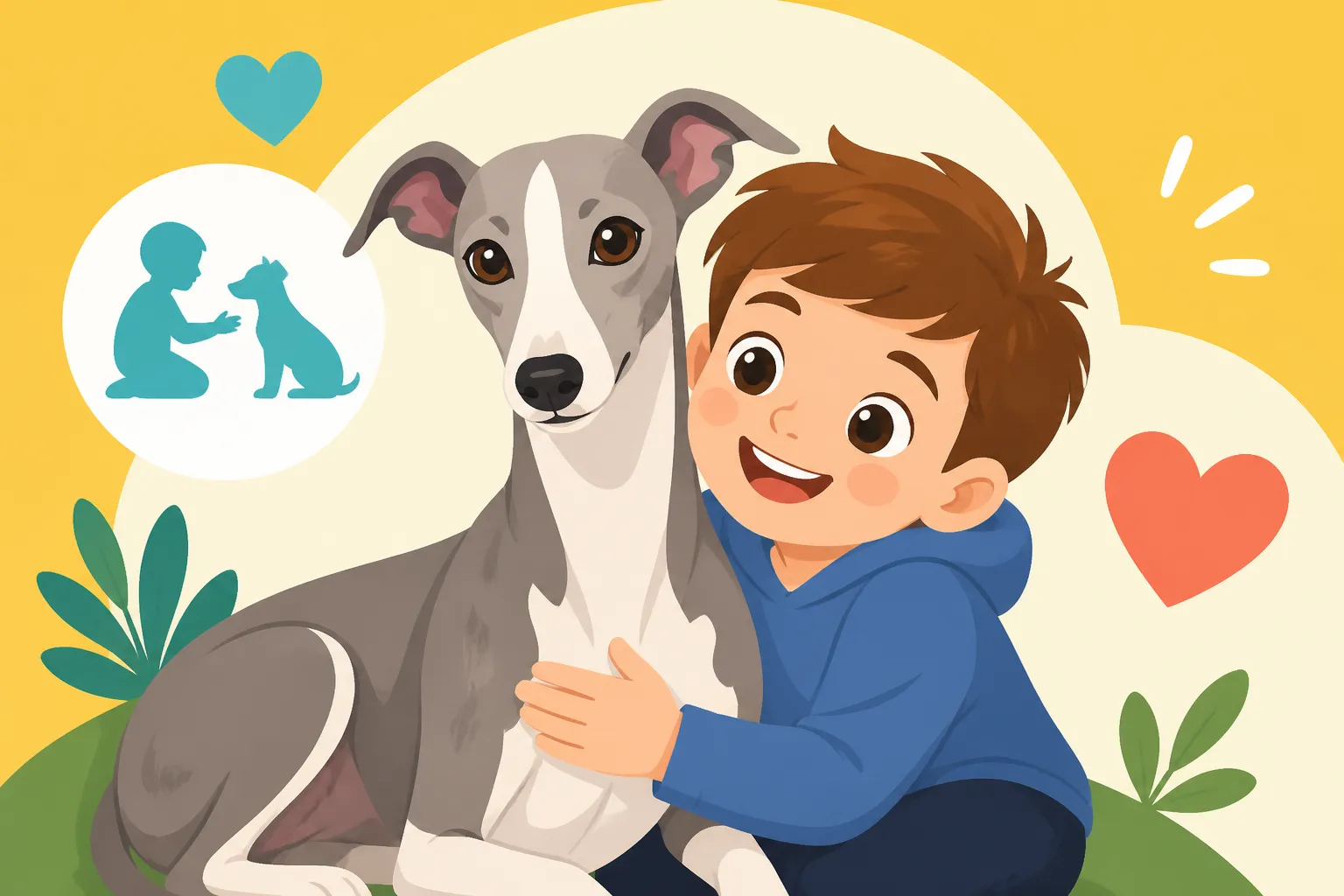
Whippets are known for being incredibly sensitive souls. They pick up on moods, react to vocal tones, and can be easily startled by unexpected sounds or rapid movements. This sensitivity is a double-edged sword when it comes to children. On one hand, it means they often form deep, empathetic bonds with their human family members, including kids, and can be wonderful, intuitive companions. They might snuggle up to a crying child or quietly rest their head on a lap, offering comfort without being asked.
On the other hand, a highly sensitive Whippet can be easily overwhelmed by the typical chaos of a household with children. Toddlers, with their unpredictable movements, sudden shrieks, and tendency to invade personal space, can be particularly challenging for a Whippet. A child's excited yell or a dropped toy might send a Whippet scurrying for cover. This isn't because they dislike children, but because their nervous system is wired to react strongly to stimuli. This sensitivity also means that harsh corrections or scolding, which might be brushed off by a more robust breed, can deeply upset a Whippet and damage their trust. Positive reinforcement and gentle guidance are paramount in their training and in managing their interactions with children. Understanding that their perceived "shyness" or "aloofness" is often rooted in this sensitivity helps parents to create an environment where their Whippet feels secure. How a Whippet Learns When It Bruises From Pressure delves further into their unique learning style.
The Prey Drive and Child Safety Concerns
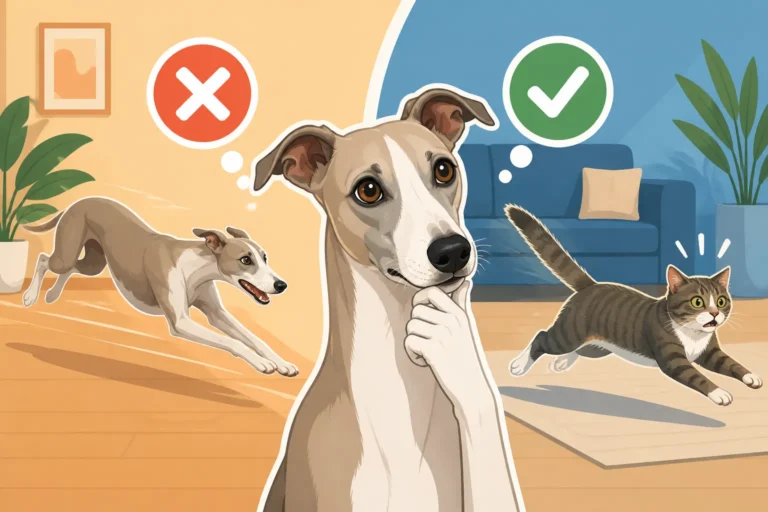
Let's address the elephant in the room: the Whippet's strong prey drive. They are sighthounds, bred to spot, chase, and catch small, fast-moving objects. This instinct is powerful and innate. While they might be the gentlest dog in the world with your family cat – especially if raised with it – that instinct can manifest unpredictably when triggered. A child running, squealing, or playing chase can, for some Whippets, inadvertently activate this prey drive.
Now, let's be absolutely clear: this doesn't mean your Whippet will hunt your child. It means they might attempt to "course" or chase in a playful, but potentially overwhelming, manner. Their speed is incredible, and a playful nip or bump from a fast-moving Whippet could easily knock over a small child. It's a safety concern that needs to be actively managed, especially with very young children. Teaching children not to run from the dog, and teaching the dog appropriate play boundaries, is vital. Providing alternative, appropriate outlets for their prey drive, such as Lure Coursing and Fast CAT Cost a Whippet Owner or playing with squeaky toys on a long line, can help satisfy this instinct in a safe, controlled manner, diverting it away from the children.
Preparing for a Whippet in a Family with Children
Bringing any dog into a family with children requires preparation, but with a Whippet, certain considerations are especially important due to their unique physical and temperamental traits. A well-prepared home and well-educated children are key to a successful integration.
Age and Temperament of the Children
The age and temperament of your children are perhaps the biggest variables in determining how well a Whippet will fit into your family.
Toddlers and Infants: Very young children present the most significant challenge. Infants are unpredictable in their movements and cries, and toddlers are notorious for their lack of impulse control. They might grab ears, pull tails, or try to "ride" the dog – all behaviors that can injure or frighten a sensitive Whippet. A Whippet might try to retreat, but if cornered or startled, even a gentle dog can react defensively. While actual aggression is rare, a fearful Whippet might unintentionally scratch or knock over a child while trying to escape. If you have infants or toddlers, absolute, constant supervision is non-negotiable. You'll need to teach your children "gentle hands" from day one and never leave them alone with the dog. Consider establishing safe zones for both dog and child using baby gates or crates.
Older Children (5+): As children grow older, they are generally better able to understand and follow rules regarding dog interaction. They can learn to respect a dog's space, recognize body language, and participate in training in a positive way. With older children, a Whippet's gentle, affectionate nature truly shines. They make wonderful companions for reading, quiet play, and even gentle outdoor romps. However, even older children can get overexcited, so continued supervision and reinforcement of rules are still important. They can also be taught how to play appropriate games that cater to the Whippet's instincts without involving chasing the child, like fetch with a soft toy or practicing obedience commands.
Teenagers: Whippets often thrive with teenagers who can offer them calm companionship, engage in respectful play, and even help with training. Teenagers are typically mature enough to understand the Whippet's sensitive nature and appreciate their quiet affection. They might enjoy taking the Whippet for walks or participating in dog sports like agility or obedience, further strengthening the bond. The key is to ensure all family members, regardless of age, are consistent in their interactions and uphold the household rules.
Essential Training and Socialization for a Whippet
Just like with any dog, training and socialization are paramount for a Whippet destined for a family home with children. It's about setting them up for success.
Early Socialization: From a young age, expose your Whippet puppy to a variety of sights, sounds, people, and well-behaved children in a controlled, positive manner. This means supervised, short interactions where the child is taught to be gentle and the puppy is rewarded for calm behavior. Think of it as building a robust emotional foundation. Puppy classes can be invaluable for this, as they provide a safe, structured environment for socialization with other dogs and people. This helps them learn that children are part of their world and generally a source of good things. Socializing a Whippet Puppy offers more detailed advice on this critical period.
Basic Obedience and Impulse Control: Core commands like "sit," "stay," "down," and "leave it" are not just for manners; they are critical safety tools. "Leave it" is especially important to teach your Whippet to ignore dropped toys or food that a child might leave on the floor. Teaching a strong "settle" command can help your Whippet calm down when children are playing rambunctiously. Impulse control is also key – teaching them not to jump on people (even playfully) and to wait patiently rather than rushing through doors or for food. You can use positive, reward-based training methods, which Whippets respond to beautifully due to their sensitive nature. Platforms like BAXTER & Bella offer online training programs that can guide you through these steps, providing structured lessons you can do at home at your own pace.
Managing the Prey Drive: While you can't eliminate a Whippet's prey drive, you can manage it. Teach your Whippet to reliably come when called (a strong recall is essential, even if you never plan to let them off leash in unfenced areas). Use a long line in secure fields to practice recall and allow them to run freely without risk. Engage them in structured play that satisfies their chasing instinct, like fetching a ball or a flirt pole, ensuring the children are not part of this "chase" game. This helps them understand what is an appropriate chase target and what isn't.
Creating a Safe Space for Both Dog and Child
A successful multi-species household relies on clear boundaries and designated safe zones for everyone. This is especially true for Whippets and children.
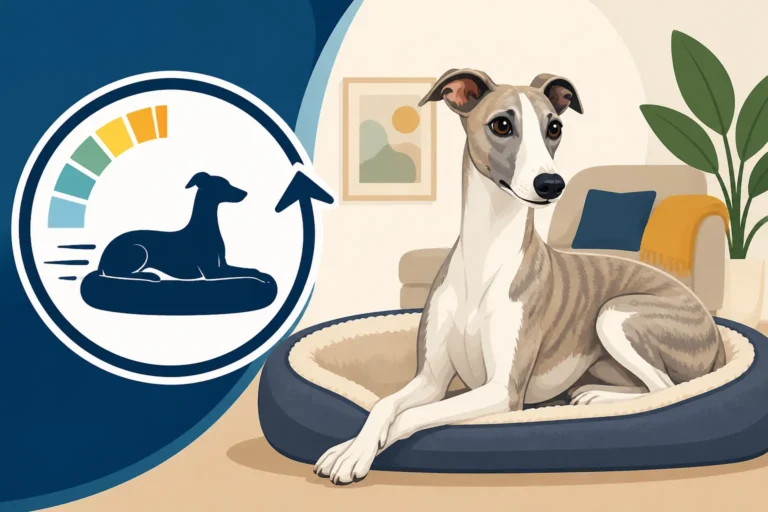
A Whippet's Retreat: Every Whippet needs a sanctuary, a place where they can retreat from the hustle and bustle of family life, especially when children are active. This could be a comfortable crate with a soft bed, a dog bed in a quiet room, or even just their favorite spot on the sofa, provided children are taught not to disturb them there. This space should be respected by all family members, particularly children, who must learn that when the dog is in its bed, it's "off limits" for interaction. This allows the Whippet to decompress and reduces stress. Investing in a high-quality, comfortable dog bed is vital, as Whippets have no natural padding; consider options available on Amazon that offer orthopedic support.
Child-Free Zones: Similarly, establishing child-free zones where the dog can't go can be beneficial, particularly for puppies or dogs still learning house rules. This might be a playroom with a baby gate, or simply teaching children to play in certain areas away from the dog's resting spots. This reciprocal respect for space helps prevent accidental encounters and allows both parties to relax. It also ensures that a Whippet, who might enjoy Why a Whippet Sleeps More Than Most Breeds, gets the undisturbed rest they need.
Supervision Tools: Baby gates are your best friend in a home with Whippets and children. They allow visual supervision while physically separating dog and child when direct, active supervision isn't possible, like when you're cooking dinner or taking a phone call. This proactive management prevents many potential issues before they even arise. Remember, prevention is always easier than intervention.
Managing Interactions Between Whippets and Children
Once your Whippet is home, ongoing management of their interactions with children is crucial. It's not a "set it and forget it" situation; it requires consistent effort and observation from parents.
Supervising Playtime and Teaching Boundaries
Supervision is the golden rule, especially with younger children. You should never leave a Whippet unsupervised with an infant or small child. Even with older, well-behaved children, active supervision during playtime helps reinforce good habits and allows you to intervene if either party is becoming overstimulated or uncomfortable.
Teaching Children: It's vital to teach children how to interact respectfully with a dog. This means:
- Gentle Hands: Showing them how to pet gently on the shoulders or chest, avoiding sensitive areas like ears, tail, or face.
- Respecting Space: Teaching them that when the Whippet is in its bed or eating, it's not to be disturbed.
- No Chasing Games: Explaining that running from the dog can trigger its chase instinct and accidentally lead to a bump or knock-over.
- Dog Body Language: Educating them on basic dog body language – a yawn, a lip lick, or turning away might indicate the Whippet is uncomfortable and needs space.
- "Ask, Don't Assume": Teaching them to always ask an adult before approaching or interacting with the dog.
Teaching the Whippet: Your Whippet also needs to learn boundaries around children:
- No Jumping: Consistently redirect jumping onto people to a "sit" or "four on the floor" command.
- Gentle Play: Encourage appropriate play with toys, teaching them to drop toys on command.
- "Leave It" and "Off": Reinforce these commands to prevent them from picking up child's toys or getting on furniture without permission.
- Recall: A solid recall is crucial in case a child inadvertently triggers a chase instinct, allowing you to call your Whippet back immediately. Thirty Five Miles an Hour and No Brakes on a Whippet's Recall elaborates on the importance of this.
Think of it as a dance where you, the parent, are the choreographer, ensuring both child and dog move harmoniously.
Recognizing Stress Signals in Your Whippet
Whippets are often stoic, and their stress signals can be subtle. Learning to recognize these cues is paramount to preventing negative interactions. A Whippet is more likely to retreat or hide than growl or snap, but if they feel trapped, they might react out of fear.
Common Whippet Stress Signals:
- Lip Licking: Often a quick flick of the tongue.
- Yawning: When not tired, this can be a sign of stress.
- Turning Head/Body Away: Avoiding eye contact or interaction.
- Tucked Tail: A clear sign of anxiety or fear.
- Cowering/Crouching: Making themselves smaller.
- Freezing: Becoming suddenly still.
- "Whale Eye": When the whites of their eyes are visible.
- Excessive Shedding/Panting: When not hot or exercising.
- Seeking Retreat: Moving to their bed, behind furniture, or trying to leave the room.
If you see any of these signals, it's your cue to intervene. Gently separate the dog and child, give the Whippet space, and reassess the situation. Understanding these signals can help you teach your children when to give the dog a break, fostering a mutually respectful relationship.
Handling Excitement and Overstimulation
Children, especially young ones, can be boisterous. Their high-pitched voices, sudden movements, and bursts of energy can easily overstimulate a sensitive Whippet.
Preventing Overstimulation:
- Controlled Introductions: When friends with children visit, manage introductions carefully. Keep your Whippet on a leash initially, or behind a baby gate, allowing them to observe calmly before direct interaction.
- Scheduled Downtime: Ensure your Whippet gets plenty of quiet time and naps throughout the day, away from the children's main play areas. How Many Hours a Day a Whippet Sleeps is a good read on this.
- Redirect Energy: If children are playing boisterously, redirect their play to another room or outdoors. Simultaneously, engage your Whippet in a calm activity, like chewing a safe toy, in their designated quiet space.
- Consistent Routine: A predictable daily routine can help sensitive Whippets feel more secure and less anxious about unexpected events.
If your Whippet does become overstimulated, gently remove them from the situation and let them decompress in their safe space. Avoid scolding them, as this can heighten their anxiety. Instead, focus on creating a calmer environment and teaching both dog and child appropriate interaction styles.
Factors That Influence Whippet-Child Dynamics
Many elements contribute to how well a Whippet adapts to life with children. It's rarely a one-size-fits-all answer, as individual personalities and past experiences play a huge role.
The Whippet's Background and Experiences
A Whippet's prior life experiences, particularly during their critical socialization period as a puppy, can significantly shape their comfort level around children.
Puppy Mill or Poorly Socialized Dogs: A Whippet from a puppy mill, a backyard breeder, or one that received inadequate early socialization might be more fearful or timid around children. They may not have been exposed to the sounds, movements, and unpredictable nature of kids in a positive way, leading to anxiety or avoidance. Such dogs will require extra patience, careful introductions, and possibly professional guidance to build confidence.
Well-Bred and Socialized Puppies: A Whippet puppy from a reputable breeder who prioritizes temperament and early socialization is generally a much better bet for a family with children. These puppies are typically raised in a home environment, exposed to various stimuli, and handled regularly. The breeder often takes care to introduce them to different people and sounds, laying a good foundation for a well-adjusted adult. Whether an Untested Whippet Litter Is Worth Buying touches on the importance of responsible breeding.
Rescue Whippets: Rescuing an adult Whippet can be incredibly rewarding, but it comes with the added consideration of unknown history. A rescue organization should be transparent about the dog's background, including any known history with children. Often, rescue Whippets are rehomed from loving homes due to unfortunate circumstances and are already well-socialized. However, some might have had negative experiences or simply no exposure to children. Always discuss the dog's known history with children with the rescue coordinator and consider fostering first to observe their behavior in a home setting.
Consistency in Household Rules and Routine
Dogs thrive on consistency and predictability, and Whippets, with their sensitive nature, are no exception. This applies particularly to how rules are enforced around children.
Clear Boundaries for Everyone: It’s essential that all members of the household, from adults to the youngest child capable of understanding, adhere to the same rules regarding the Whippet. If one person allows the dog on the sofa but another punishes it, the Whippet will become confused and stressed. The same goes for interactions with children: if one parent allows rough play but another forbids it, the dog won't know what to expect.
Predictable Daily Schedule: A consistent routine for feeding, walks, playtime, and quiet time helps a Whippet feel secure and reduces anxiety. They learn when to expect activity and when to expect rest, which can make them more resilient to the unpredictable bursts of energy that children often bring. This consistency builds trust and helps the Whippet integrate smoothly into family life.
The Role of Parental Guidance and Education
Ultimately, the success of a Whippet living with children rests heavily on the parents' shoulders. It's about being proactive, patient, and committed to educating both your dog and your children.
Active Education: Parents must actively teach their children how to interact appropriately with a dog, setting clear expectations and consequences for disrespectful behavior. This isn't a one-time conversation; it's an ongoing process as children grow and their understanding develops. There are many excellent children's books and resources available that teach dog safety and respectful interaction.
Advocating for Your Dog: You are your Whippet's advocate. This means recognizing when they are uncomfortable or overwhelmed and stepping in to give them space. It also means protecting them from overly boisterous or inconsiderate play, even from your own children. It's a parent's responsibility to ensure the Whippet feels safe and respected in its home.
Leading by Example: Children learn by observing. If parents are gentle, patient, and consistent in their interactions with the Whippet, children are more likely to emulate that behavior. Modeling respectful dog ownership is one of the most powerful tools you have.
Addressing Specific Challenges and Misconceptions
There are several common concerns and misunderstandings that come up when discussing Whippets and children. Let's tackle them head-on.
The "Fragile" Whippet Myth vs. Reality
One of the biggest anxieties many prospective Whippet owners have is the idea that their dog is incredibly fragile and prone to injury, especially with active children around. While it's true that Whippets have a lean build and thin skin, which can lead to The Thin Skin That Sends a Whippet to the Vet for Stitches, they are far from "fragile" in the sense of being weak or constantly breaking bones.
Reality Check: Whippets are athletic, robust dogs built for speed. Their bones are strong, and they are incredibly agile. They can take bumps and tumbles just like any other active dog. The "fragile" reputation often stems from two main points:
- Thin Skin: Their skin is indeed fine and lacks subcutaneous fat, making them more susceptible to skin tears from sharp objects, rough play, or even running through dense brush. These tears often look dramatic and bleed a lot, leading to vet visits for stitches, but they are rarely life-threatening.
- Perceived Delicacy: Their elegant, slender appearance can make them look delicate, but it's largely an aesthetic impression.
With children, the concern isn't that a child will break the Whippet, but rather that accidental collisions could result in a skin tear for the dog or a scraped child. Whippets are remarkably resilient and recover quickly from minor injuries. The key is teaching children appropriate interaction and management to minimize such incidents, not treating the dog like a glass ornament.
Preventing Accidental Injuries
Given the Whippet's speed and lean body, preventing accidental injuries for both dog and child is a practical consideration.
For the Whippet:
- Safe Play Areas: Ensure children and Whippets play in open, uncluttered spaces where the dog has room to maneuver and avoid collisions.
- Appropriate Toys: Use soft, sturdy toys for dog-child play that won't cause injury if swung or dropped.
- Supervised Running: If children are running in the yard, separate the Whippet or ensure they are engaged with an adult in a different activity to prevent the dog from joining the "chase."
- Training: A strong "stay" or "wait" command can be invaluable if a child unexpectedly enters the dog's path.
For the Children:
- No Running from the Dog: This is perhaps the most crucial rule to prevent the Whippet's chase instinct from kicking in.
- No Roughhousing: Discourage wrestling or rough play between children and the Whippet, as this can lead to accidental nips, scratches, or collisions.
- Safe Zones: Reiterate the importance of the Whippet's safe space, teaching children not to approach when the dog is resting or eating.
A simple table can help visualize potential scenarios and preventive measures:
| Scenario | Potential Risk for Whippet/Child | Prevention Strategy |
|---|---|---|
| Child runs, screams excitedly | Whippet's prey drive triggered, accidental collision | Teach child not to run from dog; redirect Whippet to a toy or quiet space. |
| Child attempts to hug or ride | Whippet feels trapped/scared, skin tear/nip | Teach child gentle pets only; always supervise; provide dog's safe retreat. |
| Child drops food/toys | Whippet snatches, potential resource guarding/ingestion | Teach "leave it" to Whippet; teach child to pick up toys; constant supervision. |
| Whippet gets zoomies indoors | Collisions with child, furniture | Redirect Whippet outdoors for sprints; provide secure fenced yard. |
| Whippet is resting in its bed | Child disturbs rest, Whippet startled/annoyed | Teach child "leave dog alone in bed"; establish dog's designated quiet space. |
When Professional Help is Needed
While most Whippets integrate beautifully into family life with proper management, there are times when professional help is advisable.
Persistent Fear or Anxiety: If your Whippet consistently shows signs of extreme fear, anxiety, or shyness around children despite your best efforts, a certified professional dog trainer or veterinary behaviorist can provide invaluable guidance. They can assess the specific triggers and help implement a desensitization and counter-conditioning program to build your Whippet's confidence.
Aggressive Displays: While rare, any display of aggression (growling, snapping, biting) towards a child, even if only a warning, should be taken extremely seriously. This requires immediate intervention from a qualified professional to determine the root cause (fear, pain, resource guarding) and develop a safety plan. Never attempt to "fix" aggression on your own.
Overwhelm and Stress: If you or your family feel constantly overwhelmed by the challenges of managing the dog-child dynamic, seeking professional help can offer strategies, tools, and support. Sometimes an outside perspective can identify solutions you hadn't considered. Organizations like the Association of Professional Dog Trainers (APDT) or the American College of Veterinary Behaviorists can help you find certified professionals in your area.
Remember, a Whippet can be an incredible family dog. Their gentle, affectionate, and relatively quiet nature makes them fantastic companions. With understanding, patience, consistent training, and clear boundaries for both children and dog, you can foster a harmonious household where everyone thrives. The journey might have its bumps, but the deep bond you'll form with your Whippet is truly worth it. Whether a Whippet Suits a Family With Small Children is another great resource to explore.
Disclaimer
This article is for general informational purposes only and does not constitute professional advice. Laws, prices and regulations vary by location and change over time. Consult a qualified professional for guidance on your specific situation.