The Longhaired Whippet Question
A dog with a Whippet’s outline and a soft, feathered coat can leave new owners wondering whether they have a rare Whippet, a cross, or a different breed altogether. The answer is not always obvious from a photo. This guide explains what “longhaired Whippet” usually means, how the term differs from recognized breed names, and what to check before choosing or caring for one.
What people mean by a longhaired Whippet
The coat is not part of the usual Whippet standard
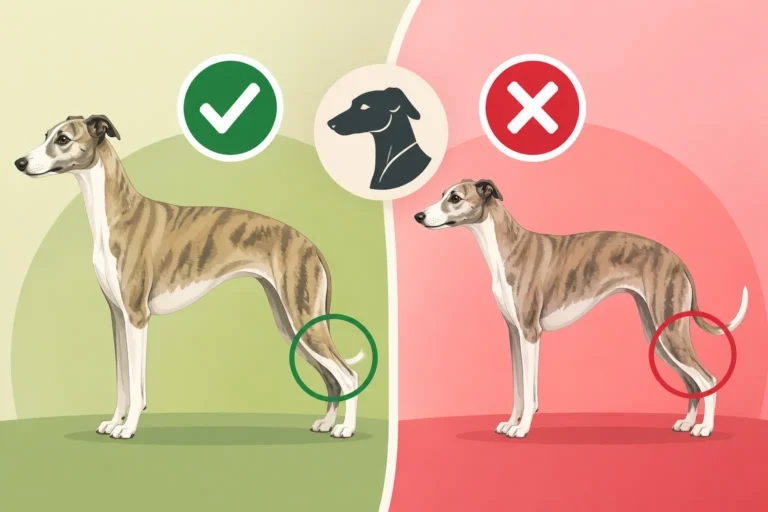
A typical Whippet has a short, fine, close-lying coat. You may see differences in texture, density, markings, or how sleek a dog looks, but long feathering on the ears, legs, tail, or body is not the usual Whippet coat. Breed standards describe the Whippet as short-coated, so a visibly long-coated dog would not match that feature of the standard in a conformation show.
That does not mean a long-coated dog is automatically unhealthy, poorly cared for, or somehow less lovable. It means the coat raises a question about how the dog came to have it. A dog may resemble a Whippet closely and still have ancestry, coat genetics, or a breed history that is different from what the name suggests.
It also helps to separate a dog’s registration from whether it fits the breed standard. Registration rules depend on the registry and the dog’s documented pedigree. A dog’s appearance alone cannot establish its ancestry, and a long coat alone does not tell you what paperwork it may or may not have.
“Longhaired Whippet” can refer to more than one kind of dog
People use the phrase informally for dogs with Whippet-like builds and longer coats. In some cases, they may be talking about a specific breeding project or a dog whose ancestry includes breeds with longer hair. In other cases, they may simply be describing an individual dog without making a precise claim about its pedigree.
The phrase is sometimes confused with the Silken Windhound, a distinct breed developed using sighthound ancestry. A Silken Windhound is not simply a long-coated Whippet, even though the two may share a graceful outline or some family resemblance. If you are comparing the breeds, The Whippet's Link to the Silken Windhound and How the Silken Windhound Came From Whippets offer useful context.
The term can also be used in online listings, social media posts, or casual conversation without a consistent definition. That makes it especially important to ask what the seller or breeder means by it. “Longhaired Whippet” might describe coat appearance, a planned type of dog, or a claimed pedigree—but those are not interchangeable explanations.
Is a long-haired Whippet officially recognized?
The standard Whippet description calls for a short, fine coat. A dog with substantial long hair or feathering therefore does not fit the expected coat type for the breed standard, even if much of its shape and behavior looks Whippet-like. Breed standards are descriptions used by kennel organizations and show communities; they do not determine whether a particular dog is a good companion.
For a prospective owner, the practical question is not only “Is this dog recognized?” It is also “What do I know about this dog’s background, health, temperament, and likely needs?” A clear answer from the breeder or rescue is more useful than a rare-sounding label. For more on the distinction between coat variety and breed identity, see Whether a Long Haired Whippet Exists.
How to tell what you are looking at
Look at the whole dog, not just the coat
A long coat can make a dog appear broader, softer, or less sharply outlined than a short-coated Whippet. Feathering around the tail, ears, or legs can also change the silhouette in photographs. Try to assess the dog’s proportions and movement in person, and remember that a Whippet-like body shape is not proof of Whippet ancestry.
If you are considering a puppy, ask to meet the mother and, if possible, learn about the father and other relatives. Look for consistent, straightforward information about the dogs’ registered names, pedigrees, health history, and breeding goals. A responsible breeder should be comfortable explaining what they know and what they do not know, rather than relying on a label such as “rare longhair” to answer every question.
Coat length alone is not a reliable way to identify a mix. Likewise, a DNA breed test may offer clues about ancestry, but it cannot replace a documented pedigree or explain every aspect of a dog’s appearance. If the dog’s background matters to you, gather multiple kinds of information rather than treating one photo or test result as definitive.
Ask specific questions before you commit
A vague description can be hard to evaluate. Ask the breeder or rescue how they use the term “longhaired Whippet,” what breeds are in the dog’s known background, and what documentation is available. If a breeder says the dog is a purebred Whippet, ask how the coat fits with the breed standard and whether the coat type appears in related dogs.
You can also ask what health screening was done on the parents, what veterinary records come with the puppy, and what support is available if the dog develops health or behavior needs. A reputable person should not promise that a dog is healthy for life, but they should be willing to discuss known risks and provide records honestly.
| What you notice | What it can tell you | What it cannot prove |
|---|---|---|
| Feathering or a longer coat | The dog does not have the typical short Whippet coat | The dog’s exact breed ancestry |
| A Whippet-like build | The dog may share a sighthound shape or type | That the dog is a registered purebred Whippet |
| Pedigree documents | The documented lineage within a registry | That the dog matches every breed-standard feature |
| A DNA test result | Possible clues about ancestry | A complete pedigree or definitive explanation of coat length |
| A breeder’s use of “longhaired Whippet” | How that person describes the dog or breeding program | That the term has one official, universally accepted meaning |
If the discussion becomes confusing, bring the documents and your questions to a veterinarian or a knowledgeable breed organization. The aim is not to interrogate someone over a label; it is to understand what dog you are bringing home. What a Whippet Mix Inherits and Whether a Whippet Mix Keeps the Speed may also help set realistic expectations about traits that can vary in mixed ancestry.
Caring for a Whippet-like dog with a longer coat
Grooming needs depend on the actual coat
A short-coated Whippet usually needs minimal grooming. A longer or feathered coat may need more frequent brushing, especially where hair rubs together or catches debris. Check behind the ears, beneath the collar or harness, around the tail, and along the legs. Small tangles can be easy to miss until they tighten into mats.
Start with gentle, brief sessions so the dog learns that brushing is ordinary and comfortable. Use a brush suited to the coat, and do not tug at a knot close to the skin. If a mat is tight or the dog becomes distressed, ask a groomer or veterinarian for help rather than cutting blindly with scissors. Whippet-type dogs can have delicate skin, so a rushed attempt to remove a tangle can cause an avoidable nick.
Bathing should be based on the dog’s condition rather than a rigid schedule. Use a dog-safe product, rinse thoroughly, and dry the coat well—particularly if it is dense or long enough to stay damp. If you are shopping for basic grooming supplies, Chewy is one place owners may browse for brushes and dog shampoo; check that a product suits your dog’s coat and skin, and ask your veterinarian about persistent irritation or flaking.
For general coat-care context, The Colors a Whippet Comes In explains the range of appearance in the standard breed, while The Whippet Against the Greyhound and the Italian Greyhound helps distinguish Whippet characteristics from those of related sighthounds.
Do not assume a longer coat removes Whippet-type needs
A longer coat does not necessarily mean a dog is comfortable outdoors in cold or wet weather. Whippets are lean, short-haired dogs and many are sensitive to cold; an individual with a longer coat may still have little body fat and may need a warm layer on chilly walks. Watch the dog rather than relying on coat length alone. Shivering, reluctance to walk, or repeatedly seeking warmth are signs to head indoors and reassess.
Likewise, do not assume that a Whippet-like dog can safely run loose just because it has a different coat. Sighthound ancestry can come with a strong chase response. Use secure fencing and a reliable leash, and do not treat recall as dependable when a dog is already pursuing a moving animal. The individual dog’s training and temperament matter, but safety planning is sensible for any dog with a strong prey drive.
A longer coat may also collect burrs, grass seeds, or wet leaves after a run. Check the dog over before settling in for the evening, especially after walks through brush or fields. If you need an outer layer, focus on fit: a garment should allow free movement across the chest and shoulders and should not rub the armpits or catch in the coat. Chewy carries general dog-care and clothing categories that owners may compare, but a good fit matters more than a product label.
Think about the dog in front of you
A dog’s needs are shaped by more than its name. Age, health, activity level, coat texture, and temperament all affect daily care. One long-coated dog may need regular detangling; another may have a relatively easy-care coat. One Whippet-like dog may enjoy short bursts of sprinting followed by a long nap, while another may be more reserved or less interested in running.
If you adopt an adult dog, give it time to settle before deciding what its routine should be. Notice how it responds to grooming, cold weather, visitors, and exercise. A dog that has recently moved homes may need a calm, predictable introduction to handling. Keep grooming sessions short at first, reward cooperation, and stop before the dog becomes overwhelmed.
For a puppy, ask the breeder or rescue what handling and coat care the puppy has already experienced. Introduce a brush gradually, pair it with treats, and check paws and ears regularly without turning every session into a struggle. A positive early routine makes it easier to manage tangles and health checks later.
Choosing a dog responsibly
Prioritize transparency over a rare label
“Rare” can sound appealing, especially when a dog has a striking appearance. But rarity is not a health guarantee or proof of careful breeding. Be cautious if a seller emphasizes exclusivity while avoiding questions about ancestry, parent health, registration, or the dog’s long-term welfare. A clear explanation of the breeding program is more valuable than a dramatic name.
If you are seeking a standard Whippet, look for a breeder who describes the coat accurately and can explain how their dogs are raised and assessed. If you are open to a mix or a different sighthound breed, that can be a perfectly reasonable choice too—just make the decision with an honest understanding of the dog’s background and likely traits. The breed-history discussion in The Split Between Racing and Show Whippets is a reminder that even within Whippets, breeding goals and type can differ.
Do not buy a puppy based only on a listing photo or a promise that it will remain a particular size, coat, or temperament. Ask to see records, meet the puppy where it is raised, and consider whether the seller is asking you questions as well. Responsible placement is a two-way conversation.
Match the dog to your household
A Whippet-like dog may suit a home that values relaxed indoor companionship and can provide safe opportunities for exercise. Consider your fencing, access to secure running space, comfort with leash management, and willingness to provide a warm place to rest. A long coat may change grooming time, but it does not automatically change a dog’s need for thoughtful exercise and safe containment.
If you already have other pets, ask about the dog’s behavior around them and plan careful introductions. A sighthound’s chase instinct can be relevant around cats, rabbits, and other small animals. Past experience with a particular pet is encouraging but does not replace supervision, separation options, and a gradual introduction.
Whether you choose a registered Whippet, a Silken Windhound, or a dog of mixed ancestry, focus on the individual animal and the quality of the information you receive. A responsible choice is one where the name, paperwork, appearance, and care needs are explained plainly—so you can welcome the dog without relying on assumptions.
Disclaimer
This article is for general informational purposes only and does not constitute professional advice. Laws, prices and regulations vary by location and change over time. Consult a qualified professional for guidance on your specific situation.