The Older Name Snap Dog for the Whippet
Many people today recognize the Whippet as that elegant, slender dog lounging on the sofa, a picture of calm sophistication. But if you’ve ever delved into the breed’s history, you might have stumbled upon a rather intriguing, perhaps even startling, older name: "Snap Dog." This moniker often raises eyebrows, conjuring images that seem at odds with the gentle, affectionate companion we know. It's a name that speaks volumes about the Whippet's fascinating, rugged past and the specific, demanding tasks they once performed for their working-class families. This guide will unearth the true meaning behind "Snap Dog" and how it reflects the Whippet's origins.
Unearthing the Origins of the "Snap Dog" Moniker
The Whippet, unlike many aristocratic breeds whose histories are meticulously documented in grand kennels, emerged from far more humble beginnings. It wasn't the creation of noblemen for lavish estates but rather a testament to the ingenuity and practical needs of the working-class people, particularly miners in England's industrial north. These folks needed a dog that was more than just a pet; they needed a canine companion that could earn its keep, providing both sport and sustenance in an often harsh existence.
The Humble Beginnings of the Whippet
Imagine the landscape of Victorian-era northern England, a world dominated by coal mines and mill towns. Life was hard, and every resource was precious. It was in this environment that the Whippet began to take shape. These were not dogs bred for elaborate pedigrees or show ring beauty; they were bred for function. Miners and mill workers, often living in cramped cottages with limited space, couldn't afford a large, powerful Greyhound. They needed a smaller, more economical version that still possessed the incredible speed and keen eyesight of its larger sighthound relatives. This is Where the Whippet Actually Comes From, a story woven into the fabric of working-class survival and simple pleasures.
The initial breeding was pragmatic, often involving small Greyhounds, various terriers, and perhaps even early versions of the Italian Greyhound. The goal was to create a dog that was fast, agile, and small enough to be kept in a modest home without consuming vast amounts of food. These early Whippets, while perhaps not as refined as today's show champions, were robust, resilient, and perfectly adapted to their environment. They were truly the "poor man's racehorse," and their development was a community effort, a shared passion among those who toiled in the mines and factories. These hardworking folks carefully selected dogs that displayed the desired traits, leading to the creation of the breed we know today.
The Role of the Whippet in Early Working-Class Life
For the miners and mill workers, the Whippet was a multi-faceted companion. During the week, they were often cherished house pets, sharing the warmth of the hearth and providing companionship after a long, arduous day. Many miners would even take their Whippets down into the mines with them, the dogs providing a small measure of comfort and perhaps even pest control in the dark tunnels. This close bond meant the dogs were truly part of the family, sharing their meager rations and sleeping close for warmth.
But come the weekend, these dogs transformed. The Whippet's incredible speed and sharp senses were put to use in two primary ways: racing and hunting. On the racing tracks, often improvised fields behind pubs or in open commons, they would chase rags or lures, providing thrilling entertainment and the opportunity for a wager that could significantly impact a family's weekly budget. This was the era of Rag Racing and the Week's Wages Riding on a Whippet, a time when a dog's performance had real economic stakes.
Beyond the track, the Whippet was an invaluable hunting companion. Their sighthound instincts were perfect for spotting and chasing down small game, particularly rabbits, which were a crucial source of protein for many families. These swift pursuits, often conducted with remarkable efficiency, were where the "Snap Dog" moniker truly came into its own. The dog's ability to quickly catch and dispatch game was not just a skill; it was a matter of putting food on the table.
The "Snap" in Snap Dog: What it Meant and Why it Stuck
The term "Snap Dog" isn't meant to imply a vicious or aggressive temperament. Instead, it’s a descriptor rooted in the practical utility of these dogs in their original environment. It speaks to their efficiency, their speed, and their specific method of hunting and dispatching small game.
"Snap" as a Hunting Term
When we talk about the "snap" in "Snap Dog," we're referring to the incredibly swift and decisive action a Whippet would take when catching its prey. Imagine a rabbit bolting across a field. A Whippet, with its unparalleled acceleration and agility, would close the distance in a blur. The "snap" describes the quick, almost instant, bite used to dispatch the prey once caught. It wasn't about prolonged struggles; it was about efficiency. This quick, clean kill minimized suffering for the prey and ensured the dog could retrieve it without damage, making it suitable for the family pot.
This hunting prowess was deeply ingrained. Miners needed dogs that could reliably bring home food. How Whippets Killed Rabbits for the Pot wasn't a recreational activity; it was a practical skill directly contributing to the family's survival. The ability to "snap" the neck of a rabbit quickly and cleanly was a highly valued trait, a testament to the dog's hunting instinct and skill. It speaks to the effectiveness of these dogs as hunters, a vital aspect of their existence in those times. These dogs were not just fast; they were effective.
Snap Dog Contests and Their Legacy
Beyond informal hunting, the "snap" also featured in organized, albeit often unregulated, competitions known as "Snap Dog Contests." These weren't about racing around a track but focused specifically on the dog's ability to catch and dispatch rabbits. In these contests, several rabbits would be released into an enclosed area, and the Whippet's job was to catch and "snap" as many as possible within a set time, or be the first to "snap" a specific number.
What Snap Dog Contests Asked of a Whippet was a combination of speed, agility, and the innate predatory instinct. It demanded focus and a quick, decisive action from the dog. While these contests might seem brutal by today's sensibilities, they were a popular form of entertainment and sport for the working class of the era, showcasing the Whippet's natural talents. They reinforced the dog's reputation as a highly effective and quick hunter, solidifying the "Snap Dog" identity. These competitions were a direct reflection of the dogs' primary function and the skills that made them so valuable to their owners.
It's important to understand that these activities were part of a different time, with different societal norms and economic pressures. The legacy of these contests lives on in the Whippet's incredible prey drive and speed, even if the application of those traits has shifted dramatically.
Beyond the "Snap": The Whippet's Evolution and Other Nicknames
As society evolved, so did the role of the Whippet. While the "Snap Dog" moniker highlighted their hunting utility, other nicknames emerged, reflecting different aspects of their character and abilities, particularly their racing prowess.
From Working Dog to "Lightning Rag Dog"
As formalized racing began to take hold, the Whippet's incredible speed became its most celebrated attribute. They were often referred to as the "Lightning Rag Dog," a name that perfectly captured their explosive acceleration and the primary lure used in their races. Imagine watching these lithe dogs rocket across a field, chasing a rag waved by their owner at the finish line – it was a sight to behold, and the speed was truly like lightning.
This transition from purely hunting to organized racing marked a significant shift. While hunting still occurred, the spectacle of racing brought a new level of excitement and community gathering. The term Why the Whippet Was Called the Lightning Rag Dog directly references their performance on the track, where their sheer velocity was the star of the show. These races were a passionate pastime, offering thrills and a sense of camaraderie, and the dogs were celebrated for their athletic prowess.
Other names, like "Poor Man's Racehorse," also stuck, emphasizing their affordability and accessibility compared to their larger Greyhound cousins. These nicknames collectively painted a picture of a dog that was fast, agile, and deeply embedded in the daily lives and leisure activities of its owners. Whether on the track or in the field, the Whippet was a champion of speed and efficiency.
The Modern Whippet and its Enduring Traits
Today's Whippet largely retains those incredible athletic traits, though their primary "job" has shifted from hunting and competitive racing to being beloved family companions. They are still incredibly fast, capable of impressive bursts of speed, and possess a strong prey drive. However, responsible breeding has focused on temperament, health, and conformation, making them ideal house pets.
Despite their modern-day status as cherished family members, the echoes of their past are still evident. That lightning-fast sprint in the park, the intense focus on a squirrel, or their love for a good chase game are all remnants of their "Snap Dog" and "Lightning Rag Dog" heritage. This deep connection to their working roots is part of what makes them so unique and captivating. They are, at their core, still the same efficient, elegant sighthounds that once provided both sport and sustenance.
The modern Whippet is a testament to careful selective breeding and preservation of the breed's essential qualities. They embody the paradox of being a swift, powerful athlete and a gentle, sensitive couch potato, a combination that truly makes them special. Knowing Why the Whippet Was a Working Class Dog helps us appreciate their resilience and adaptability, and how those qualities manifest in our modern pets. Many responsible breeders, like those you might find through American Whippet Club resources, work hard to ensure these historical traits are balanced with the needs of a modern family pet.
Dispelling Myths and Understanding the Modern Whippet
The name "Snap Dog" can understandably cause some confusion or even concern for those unfamiliar with the Whippet's history. It’s crucial to understand that the historical context of the name does not reflect the temperament or behavior of the vast majority of modern Whippets.
Is the Modern Whippet a "Snap Dog" Today?
Absolutely not in the sense that the historical "Snap Dog" implies aggression towards humans or an uncontrollable desire to kill. Modern Whippets are renowned for their gentle, affectionate, and docile nature. They are typically very sensitive dogs, deeply attached to their families, and generally excellent with children and other pets when properly socialized. The "snap" today refers metaphorically to their quick intelligence or their sudden bursts of joyful zoomies, rather than any violent inclination.
Their strong prey drive, a direct inheritance from their "Snap Dog" ancestors, means they will readily chase small, fast-moving objects, whether it's a squirrel, a leaf, or a toy. This is why it’s so important for Whippet owners to be mindful of their environment and why these dogs excel in activities like lure coursing or Fast CAT, which safely channel that instinct. However, this instinct is not aggressive; it's predatory and deeply ingrained. It simply means that, like all sighthounds, they are exquisitely tuned to movement and will pursue what they see.
It's a testament to responsible breeding and dedicated owners that the Whippet has transitioned from a working hunter to a beloved companion without losing the inherent grace and athletic ability that defined its past. So, while the name is a nod to history, it's not a descriptor of their modern personality.
Caring for a Whippet with its Instincts in Mind
Understanding the Whippet’s "Snap Dog" and "Lightning Rag Dog" heritage is vital for responsible ownership. It helps us appreciate their unique needs and provide an environment where they can thrive safely and happily.
Firstly, their keen eyesight and prey drive mean that Why a Whippet Cannot Be Let Off Leash in an Open Field is a crucial piece of advice. A Whippet can spot something moving in the distance and be gone in an instant, often oblivious to traffic or other dangers. Their recall, no matter how well-trained, can be overridden by their powerful chase instinct. This isn't stubbornness; it's deeply wired biology. Therefore, secure, fenced areas or a long line are essential for safe off-leash exercise.
Secondly, meeting their need for bursts of speed is important for their physical and mental well-being. While they are famous couch potatoes, they do need regular opportunities to run and stretch their legs. Engaging in structured activities like lure coursing, where they can safely chase a mechanical lure, is an excellent way to satisfy their natural instincts. Chewy, for example, offers a great selection of durable long lines and secure harnesses that can make walks safer and more enjoyable for your Whippet, allowing them to explore without risk.
Thirdly, remember their physical fragility. Their thin skin and lack of body fat make them susceptible to scrapes and tears. Their lean build also means they feel the cold easily, necessitating coats in cooler weather. Investing in quality bedding is also key to preventing pressure sores. Organizations like the American Whippet Club often recommend specific types of beds and coats tailored to the breed's unique physiology. When looking for items like a cozy bed or warm pajamas for your Whippet, remember that online retailers like Chewy often carry products specifically designed for sighthound body types.
Finally, their sensitive nature means they respond best to positive reinforcement training. Harsh corrections are counterproductive and can damage their trust. Patience, consistency, and rewarding good behavior are the keys to a happy, well-adjusted Whippet. Providing What a Whippet Needs Every Day goes beyond food and water; it includes understanding their historical instincts and integrating them into modern life respectfully.
Comparing Historical and Modern Whippet Traits
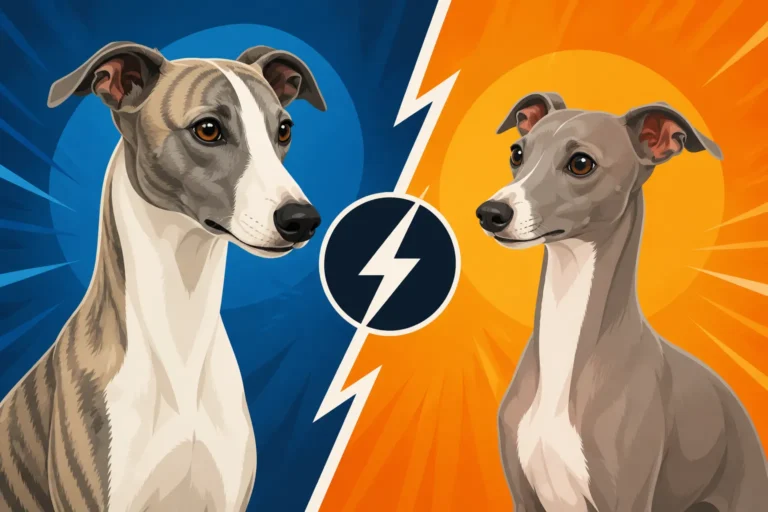
To help illustrate the evolution, let's look at some key differences and similarities between the historical "Snap Dog" and the modern Whippet.
| Trait Aspect | Historical "Snap Dog" Whippet | Modern Whippet |
|---|---|---|
| Primary Role | Hunting small game (rabbits), rag racing, sustenance. | Companion animal, family pet, performance sports (lure coursing). |
| Temperament | Highly driven, focused on prey, adaptable to harsh life. | Gentle, affectionate, sensitive, couch potato, strong prey drive. |
| "Snap" Meaning | Quick, decisive bite to dispatch prey. | Metaphorical for quick bursts of speed (zoomies), quick intelligence. |
| Living Conditions | Often lived indoors with family, shared meager resources. | Cherished indoor family member, provided with comfort and care. |
| Exercise Needs | Daily hunting/racing, intense physical activity. | Needs daily opportunities for sprinting in secure areas, but mostly sleeps indoors. |
| Socialization | Often solitary hunters, focused on task. | Highly social, thrives on human companionship, often good with other dogs. |
| Perception | Practical, working tool, "poor man's racehorse." | Elegant, gentle athlete, beloved family member. |
This table clearly shows that while the underlying physical capabilities and some instincts remain, the context and primary function of the Whippet have shifted dramatically. The modern Whippet is a testament to the enduring appeal of its breed characteristics, adapted for a contemporary world where companionship is paramount. You can find many resources, from specialized blankets to ergonomic beds, available at pet supply stores, including reputable online ones like Chewy, all designed to ensure your Whippet's ultimate comfort and well-being.
Disclaimer
This article is for general informational purposes only and does not constitute professional advice. Laws, prices and regulations vary by location and change over time. Consult a qualified professional for guidance on your specific situation.