How Much a Whippet Should Eat
Many Whippet owners find themselves in a constant state of mild anxiety, perpetually wondering if their beloved sighthound is getting enough to eat. It's a common frustration when well-meaning strangers or even family members comment on your Whippet's "skinny" appearance, making you question your feeding routine. This guide is here to help you understand the unique dietary needs of your Whippet, how to accurately assess their body condition, and ultimately, ensure they're receiving the perfect amount of nutrition to thrive, not just survive.
Understanding the Whippet Physique and Metabolism
Let's face it, Whippets don't look like your average Labrador or Bulldog. Their lean, athletic build often leads to misconceptions about their health and feeding requirements. It's not about making them look "chunky"; it's about appreciating their natural, efficient design.
Why a Whippet Looks So Thin
The Whippet, a true sighthound, is bred for speed and agility. This means they possess a naturally low body fat percentage and a prominent musculature that defines their silhouette. When you look at a Whippet, you're meant to see a distinct tuck-up, ribs that are easily felt but not sharply protruding, and hip bones that are visible without being alarmingly bony. This isn't a sign of starvation; it's the breed standard, a testament to their athletic heritage. Their skin is quite thin, too, which only emphasizes their bony structure. How Thin a Whippet Should Look delves deeper into this, but in short, what looks "thin" on another breed is often perfectly normal for a Whippet.
Their lack of subcutaneous fat means they don't have the "padding" that other breeds do. This is why they shiver so easily in cool weather and seek out soft, warm spots to nap. It also means that every slight change in weight is much more noticeable. A few pounds up or down can dramatically alter their appearance. This unique physiology is what makes owners worry and prompts countless questions about their feeding practices. We've all been there, second-guessing ourselves after a well-meaning but misguided comment from a neighbor!
The Athletic Build Versus Underfeeding
Distinguishing between a healthy, athletic build and genuine underfeeding is crucial for any Whippet owner. A healthy Whippet will have visible muscle definition, especially in their thighs and over their loin. Their ribs should be easily palpable without heavy pressure, feeling like you're touching knuckles with a thin layer of skin over them, not feeling like sharp, exposed bones. Their backbone should also be felt easily, but individual vertebrae shouldn't protrude sharply.
An underfed Whippet, on the other hand, will show signs beyond just a lean frame. You might notice a lack of energy, dull coat, or an inability to maintain muscle mass despite adequate exercise. Their hip bones and shoulder blades might become alarmingly prominent, and their entire body may feel bony and fragile. Feeling a Whippet's Ribs and Hip Bones provides a great hands-on guide for this assessment. It's a fine line, but with practice, you'll learn to read your Whippet's body condition like a book, understanding that their inherent leanness is a feature, not a bug.
Calculating Your Whippet's Caloric Needs
When it comes to feeding, there's no one-size-fits-all answer for Whippets, or any dog for that matter. Their individual caloric requirements depend on a complex interplay of factors including their size, age, activity level, and metabolic rate. Getting this right is key to maintaining that ideal sighthound physique.
Basal Metabolic Rate and Whippets
Every dog has a Basal Metabolic Rate (BMR), which is the number of calories they burn simply to exist – to keep their heart beating, breathe, and maintain body temperature. For a Whippet, with their streamlined bodies and efficient metabolism, their BMR might be slightly different than a stockier breed of similar weight. However, calculating an exact BMR at home is pretty tricky. Instead, what's more useful for us, the everyday Whippet owners, is to focus on their Resting Energy Requirement (RER) and then adjust for activity.
The RER is a good starting point for a dog's daily caloric intake if they were to literally do nothing all day. But our Whippets are rarely completely at rest, even when they're "couch potatoes." They might zoom around the house, play in the yard, or go for walks. It's important to remember that these are just formulas, and real-world application requires observation. A good rule of thumb is to calculate RER, then multiply it by an activity factor, but always, always observe your individual dog.
Activity Levels and Calorie Adjustment
This is where the magic (and the math) really happens! A Whippet's activity level is the biggest determinant of their daily caloric needs. A Whippet that enjoys a couple of brisk walks and some zoomies in the yard will need significantly fewer calories than a Whippet actively participating in lure coursing, Fast CAT, or regularly sprinting. Whether a Racing Whippet Needs More Calories is a great resource if your Whippet is highly active.
Here's a general guideline for activity factors, which you multiply by your dog's RER to get an estimated daily caloric intake:
- Sedentary/Neutered Adults: x 1.4 – 1.6 (For the true couch potato who rarely leaves the sofa)
- Intact Adults: x 1.6 – 1.8 (More metabolism for reproductive hormones)
- Active Adults: x 2.0 – 5.0 (This is where most Whippets fall, depending on their "active" level)
- Puppies/Growth: x 2.0 – 3.0 (Growing bodies need lots of fuel!)
- Working/Racing Dogs: x 4.0 – 8.0 (These are the dogs truly burning serious fuel)
Let's put this into perspective: A young, energetic Whippet who races on weekends might need double the calories of an older, spayed Whippet who prefers leisurely strolls. It's a huge difference! Don't be afraid to adjust gradually. If your Whippet is looking a little too lean, increase by about 10-15% for a week or two and monitor. If they're gaining too much, decrease by a similar amount. Consistency is key, and small adjustments prevent drastic swings.
Factors Influencing Your Whippet's Diet
Beyond just activity levels, several other factors play a significant role in how much your Whippet needs to eat. Ignoring these can lead to either an underweight dog or, surprisingly, an overweight one. Yes, even Whippets can get a bit pudgy, despite their reputation!
Age and Life Stage Considerations
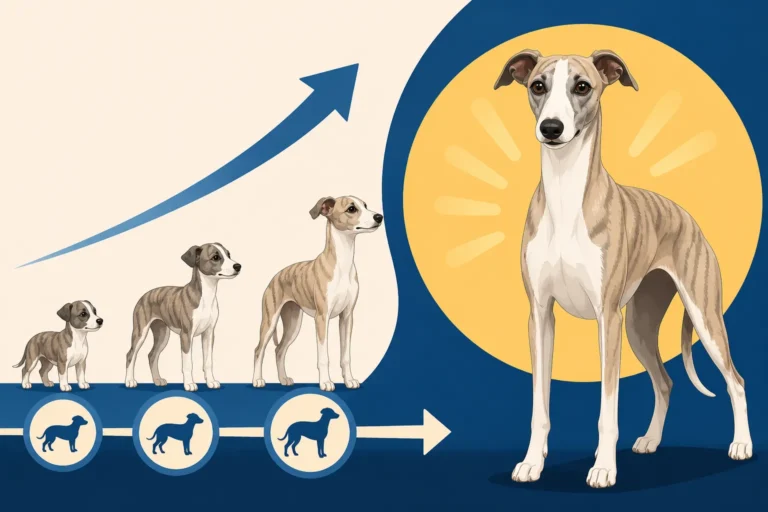
A Whippet's nutritional needs change dramatically throughout their life. A growing puppy requires a diet rich in calories and specific nutrients to support rapid development, but not too rich, as rapid growth can sometimes lead to orthopedic issues. A good quality large-breed puppy food isn't always right for a Whippet; they need a balance that supports their unique growth curve without promoting excessive bulk. The Age a Whippet Reaches Full Weight gives you an idea of their growth timeline.
Adult Whippets, once they've finished growing and are maintaining a healthy weight, will need a consistent, balanced diet tailored to their activity. Senior Whippets, generally those over the age of eight or nine, often experience a slowdown in metabolism and activity. They might need fewer calories to prevent weight gain, or a diet formulated for older dogs that supports joint health and kidney function. Feeding an Old Whippet covers specific considerations for your aging companion, emphasizing quality over quantity as they enter their golden years.
Spay/Neuter Status and Weight Gain
This is a big one that often catches owners by surprise. Spaying or neutering your Whippet can significantly alter their metabolism. Hormonal changes often lead to a decrease in metabolic rate, meaning your dog might require fewer calories to maintain their weight after the procedure. It's a common complaint that dogs "get fat" after being fixed, but it's not the procedure itself, it's the lack of adjustment in their diet afterward. Weight Gain in a Neutered Whippet highlights this concern directly.
If you don't reduce their food intake, even slightly, they can quickly start to put on weight. For a Whippet, extra weight puts unnecessary strain on their delicate joints and can impact their athletic ability. It's vital to monitor their body condition closely in the months following their spay or neuter surgery and be prepared to adjust their food portions accordingly. A small reduction in daily kibble or a swap to slightly lower-calorie treats can make all the difference.
Health Conditions and Dietary Needs
While Whippets are generally a healthy breed, certain health conditions can influence their dietary needs. For example, a Whippet recovering from an injury or surgery might temporarily require a higher caloric intake to support healing, or a diet rich in specific nutrients to aid recovery. Conversely, conditions like thyroid issues (though rare for true hypothyroidism in Whippets, often misdiagnosed) or heart disease might necessitate specialized diets.
If your Whippet has allergies or a sensitive stomach, you might need to explore limited ingredient diets or novel protein sources. Always work closely with your veterinarian if your Whippet has any ongoing health concerns that could impact their diet. They can provide tailored advice and recommend therapeutic foods if necessary. Never make drastic dietary changes based on internet advice without professional veterinary guidance, especially when dealing with a health issue.
Choosing the Right Food for Your Whippet
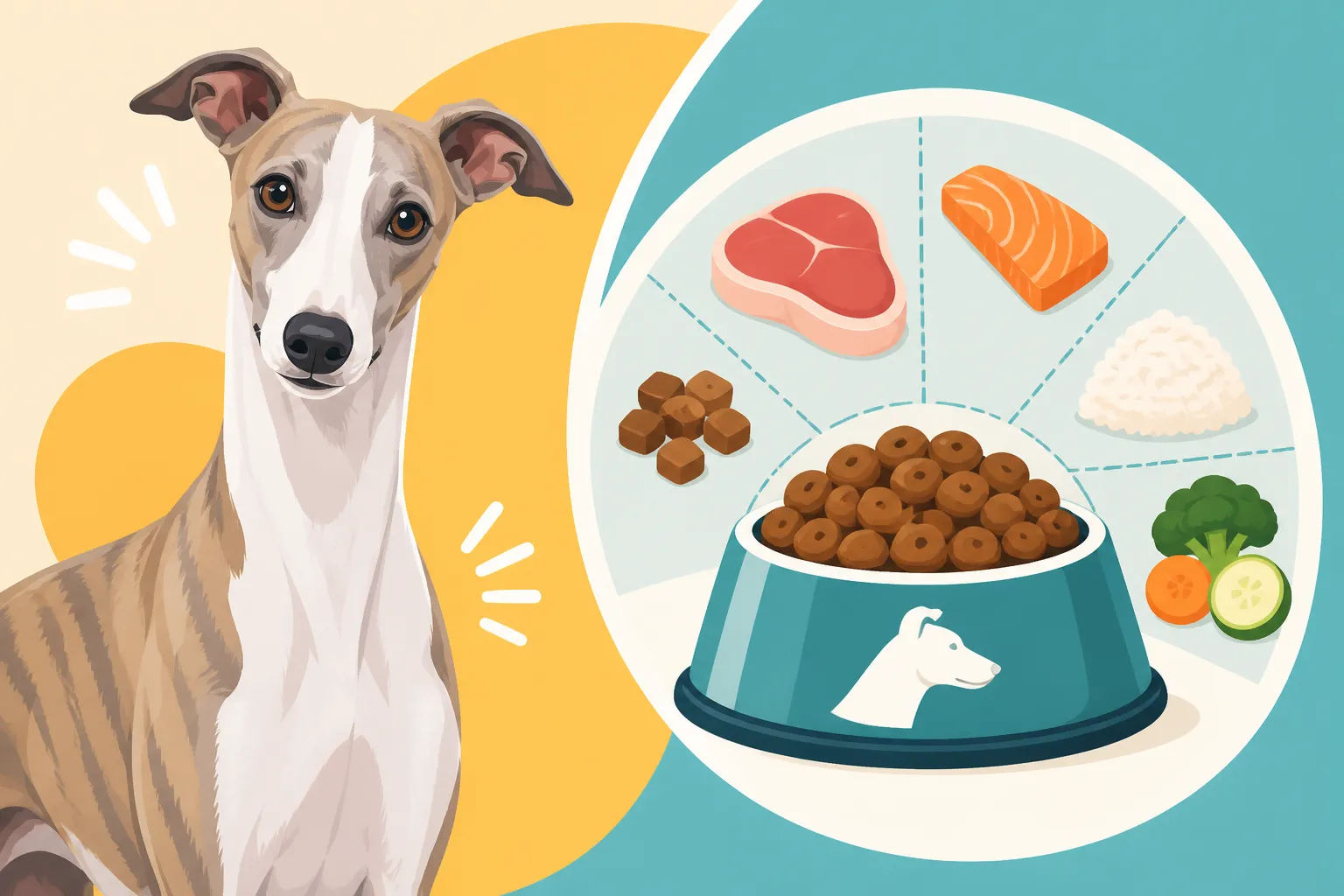
With so many options on the market, choosing the right food for your Whippet can feel overwhelming. From kibble to raw, the choices are vast. The most important thing is to select a high-quality, balanced diet that meets your Whippet's specific needs and that they enjoy eating.
Kibble, Wet, Raw, or Fresh-Cooked?
Each type of food has its pros and cons, and the "best" choice often comes down to individual preference, budget, and what works best for your dog.
- Kibble (Dry Food): This is the most common and often most convenient option. Look for high-quality kibble with a named meat source as the first ingredient, minimal fillers, and appropriate protein/fat ratios for an active sighthound. Many excellent brands are available on platforms like Chewy or Amazon, offering a wide range of formulas for different life stages and sensitivities.
- Wet Food: Generally more palatable and hydrating than kibble, wet food can be a great option for picky eaters or dogs needing extra moisture. It's often more expensive and can be lower in calories per serving, so you might need to feed larger quantities.
- Raw Food (BARF or PMR diets): Proponents of raw feeding believe it provides a more natural diet closer to what a dog's ancestors would eat. It requires careful balancing of nutrients, often involves handling raw meat, and carries potential risks if not prepared properly. If you're considering raw, extensive research and consultation with a vet or canine nutritionist are paramount.
- Fresh-Cooked Diets: Services like Ollie deliver pre-portioned, human-grade, fresh-cooked meals directly to your door. These diets can be highly palatable and digestible, offering the benefits of fresh food without the hassle of home preparation. They tend to be on the higher end of the price scale but can be a fantastic option for owners seeking convenience and quality.
Ultimately, the right choice is the one that keeps your Whippet healthy, happy, and at their ideal weight. Don't be swayed by marketing alone; research ingredients, look for independent reviews, and consider what aligns with your lifestyle.
Nutritional Balance and Ingredient Quality
Regardless of the food type you choose, nutritional balance and ingredient quality are non-negotiable. A good dog food, particularly for an athletic breed like a Whippet, should contain:
- High-Quality Protein: From named meat sources like chicken, beef, lamb, or fish. Protein is essential for maintaining lean muscle mass, which Whippets have in abundance.
- Healthy Fats: Crucial for energy, skin and coat health, and absorption of fat-soluble vitamins. Look for sources like chicken fat, fish oil, and flaxseed. Whether a Whippet Needs Fish Oil discusses this further.
- Complex Carbohydrates: From sources like sweet potatoes, peas, barley, or oats. These provide sustained energy.
- Vitamins and Minerals: Ensure the food is fortified with a comprehensive blend to support overall health.
Avoid foods with excessive fillers, artificial colors, flavors, or preservatives. Always read the ingredient list carefully. Remember, while a Whippet might have a sensitive stomach occasionally, a high-quality diet can often mitigate many common digestive issues. If your Whippet tends to bolt their food, consider a slow feeder bowl, available on Amazon, to help prevent indigestion. The Whippet That Bolts Its Food offers more tips for speedy eaters.
Monitoring Your Whippet's Weight and Condition
Feeding is an ongoing process of observation and adjustment. Your Whippet's needs aren't static; they'll change with age, season, activity, and overall health. Regularly monitoring their body condition is more important than relying solely on a number on the scale.
The Rib Test: Feeling for the Right Amount of Cover
The "rib test" is arguably the best way to assess your Whippet's weight. Instead of just looking, you need to use your hands. Gently run your palms along your Whippet's sides, starting behind their shoulder blades and moving towards their hips.
- Ideal: You should be able to easily feel their ribs without pressing hard, feeling distinct but not sharp. There should be a thin layer of muscle and skin over them, like feeling the back of your hand.
- Too Thin: If the ribs feel very prominent, sharp, and you can see them clearly even from a distance without effort, your Whippet is likely too thin. When a Whippet Is Genuinely Too Thin elaborates on these signs.
- Too Heavy: If you have to press firmly to feel the ribs, or can't feel them at all, your Whippet is carrying too much weight.
This tactile assessment provides a much more accurate picture than simply looking at them, as their deep chest and tucked-up abdomen can sometimes be deceiving. Make this a regular habit, perhaps once a week, so you can catch any changes quickly.
Observing Energy Levels and Coat Condition
Beyond physical assessment, pay close attention to your Whippet's overall demeanor and appearance. A well-fed Whippet should have:
- Good Energy Levels: They should be enthusiastic for walks, play, and their characteristic zoomies, without being overly hyperactive or lethargic. Remember, even a healthy Whippet is a "forty mile an hour couch potato" so don't expect them to be constantly on the go, but they should have bursts of energy.
- Bright Eyes: Clear, bright eyes are a good indicator of overall health and adequate nutrition.
- Shiny, Healthy Coat: Their short, fine coat should be smooth, shiny, and free from excessive dandruff or dullness. While some shedding is normal, a poor coat condition can signal nutritional deficiencies.
If you notice a significant drop in energy, a dull coat, or any other changes, it's always a good idea to consult your vet. They can help determine if it's diet-related or indicative of an underlying health issue. Remember, What a Vet Says About a Whippet's Weight should always be considered the ultimate authority on your specific dog's condition.
Common Feeding Mistakes and How to Avoid Them
Even with the best intentions, it's easy to fall into common feeding traps. Being aware of these can help you avoid unnecessary weight fluctuations and ensure your Whippet stays in peak condition.
Overfeeding Treats
We all love to spoil our Whippets with treats, and those big, soulful eyes make it incredibly hard to say no! However, treats are often calorie-dense and can quickly add up, contributing significantly to your Whippet's daily intake without you even realizing it. Those small training treats, dental chews, or evening biscuits can easily push your Whippet over their caloric limit.
To avoid this, factor treats into your Whippet's daily calorie count. If you're doing a lot of training, reduce their main meal slightly to compensate. Opt for low-calorie training treats, or use small pieces of their regular kibble for rewards. Consider healthy, low-calorie options like small pieces of carrot, green beans, or apple (without seeds). And try to resist those longing stares after dinner – a walk or a cuddle can be just as rewarding as another cookie!
Ignoring Body Condition Score
Relying solely on the package feeding guidelines or even your Whippet's actual weight can be misleading. Dog food packages provide a general starting point, but they can't account for your individual dog's metabolism, activity level, or even the subtle differences in food density. Your Whippet's weight on the scale might fall within the "ideal" range for the breed, but their actual body condition could tell a different story.
This is where the Body Condition Score (BCS) comes in. Veterinary professionals often use a 5-point or 9-point scale to assess a dog's fat reserves. You want your Whippet to be right in the middle (e.g., a 3 out of 5, or a 4-5 out of 9). Regularly performing the rib test and checking for a good tuck-up and visible waist are more important than the number on the scale. What Body Condition Score a Whippet Should Be offers a detailed look at this crucial assessment tool.
Sudden Diet Changes
A common mistake, especially when trying to address perceived weight issues or pickiness, is making sudden, drastic changes to your Whippet's diet. This can lead to digestive upset, including vomiting, diarrhea, or a complete refusal to eat. A Whippet's sensitive system needs time to adjust to new ingredients or formulations.
If you need to change your Whippet's food, do so gradually over 7-10 days. Start by mixing a small amount of the new food with their old food, slowly increasing the proportion of the new food each day while decreasing the old. This allows their digestive enzymes to adapt and minimizes stomach upset. Even when switching between flavors of the same brand, a gradual transition is always best. Why a Whippet Has a Sensitive Stomach explains more about their delicate digestion.
Crafting a Personalized Feeding Plan
Every Whippet is an individual, and their feeding plan should reflect that. There's no magic formula, but by understanding their unique needs and staying observant, you can create a routine that keeps them healthy and happy for years to come.
The Meal Schedule Your Whippet Needs
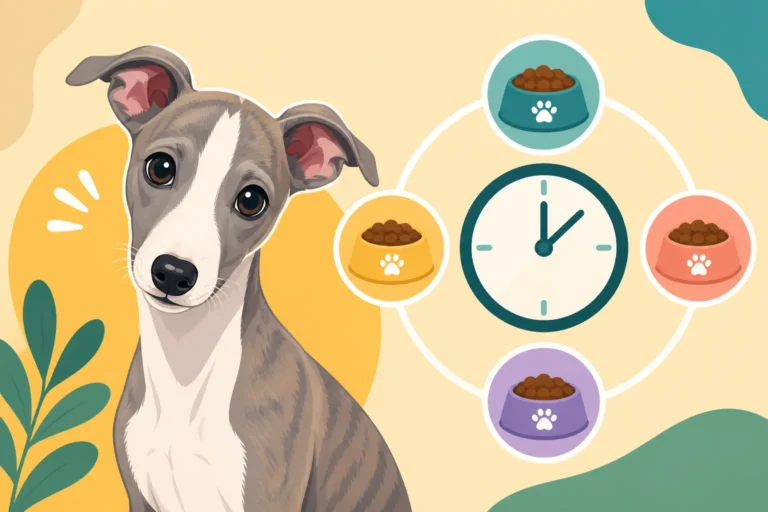
Most adult Whippets do best on two meals a day. This helps regulate their metabolism, prevents them from getting overly hungry, and can reduce the risk of digestive upset. For puppies, three to four smaller meals a day are usually recommended until they're around six months old, then transitioning to two meals. The Meal Schedule a Whippet Puppy Needs gives specific guidance for young Whippets.
Consistency is key. Try to feed your Whippet at roughly the same times each day. Dogs thrive on routine, and a predictable schedule can help with digestion, potty training, and overall well-being. If you find your Whippet is a picky eater, sticking to a schedule can also help them anticipate mealtimes and be more eager to eat.
| Factor | Impact on Caloric Needs | Recommendation |
|---|---|---|
| Age: Puppy | Higher | Feed 2-3x RER, multiple small meals; monitor growth, not too fast |
| Age: Adult | Moderate to High | Feed 1.6-5x RER depending on activity; 2 meals a day |
| Age: Senior | Lower (often) | Monitor weight closely; may need fewer calories or specialized senior food |
| Activity Level: Low | Lower | Use lower end of RER multiplier (e.g., x1.4-1.6 for neutered) |
| Activity Level: High | Much Higher | Use higher end of RER multiplier (e.g., x2.0-5.0 or more for racing) |
| Spay/Neuter Status | Can decrease by 20-30% | Immediately reduce food post-op; monitor for weight gain |
| Health Conditions | Varies (consult vet) | Special diets for allergies, kidney issues, etc. |
| Environment: Cold | Slightly Higher | May need more calories to stay warm, especially if spending time outdoors |
| Treats | Add significant calories | Factor into daily allowance; choose low-calorie options or use kibble |
Adapting to Seasonal Changes and Activity Fluctuations
Your Whippet's feeding plan shouldn't be set in stone. Just like our own appetites, theirs can fluctuate. In colder months, especially if they spend more time outdoors (even with a stylish coat from Chewy!), they might burn more calories trying to stay warm and therefore need a slight increase in food. Conversely, during hot summer days when they might be less active, a small reduction could be in order.
Think about their personal routine: Did you have an unusually active weekend with lots of running and play? A little extra food on those days might be beneficial. Has your Whippet been a little under the weather and less active for a few days? A temporary reduction could prevent unwanted weight gain. Being flexible and observing your Whippet's individual response to their diet is the most effective approach to lifelong health and ideal body condition. How Many Cups a Day an Adult Whippet Eats will give you a ballpark, but always fine-tune it to your individual dog.
Disclaimer
This article is for general informational purposes only and does not constitute professional advice. Laws, prices and regulations vary by location and change over time. Consult a qualified professional for guidance on your specific situation.