Whether a Whippet’s Tartar Builds Faster Than Other Breeds
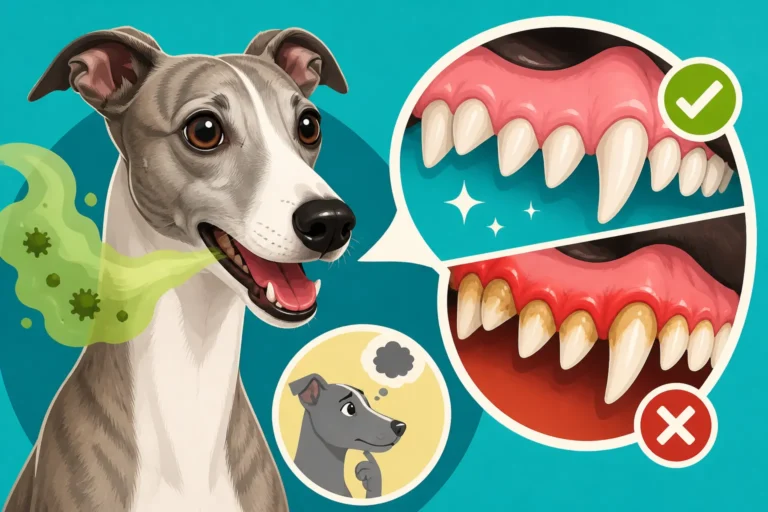
It's a frustrating moment, isn't it? You peer into your beautiful Whippet's mouth, expecting to see gleaming white teeth, only to spot that tell-tale yellow or brownish gunk starting to build up along the gum line. You might wonder if it's just your imagination, or if your sighthound seems to accumulate tartar faster than other breeds you’ve owned. This guide dives into the realities of dental health in Whippets, exploring why they might be prone to faster tartar buildup and, more importantly, what you can do about it to keep their smiles healthy.
The Whippet's Unique Dental Landscape and Tartar Accumulation
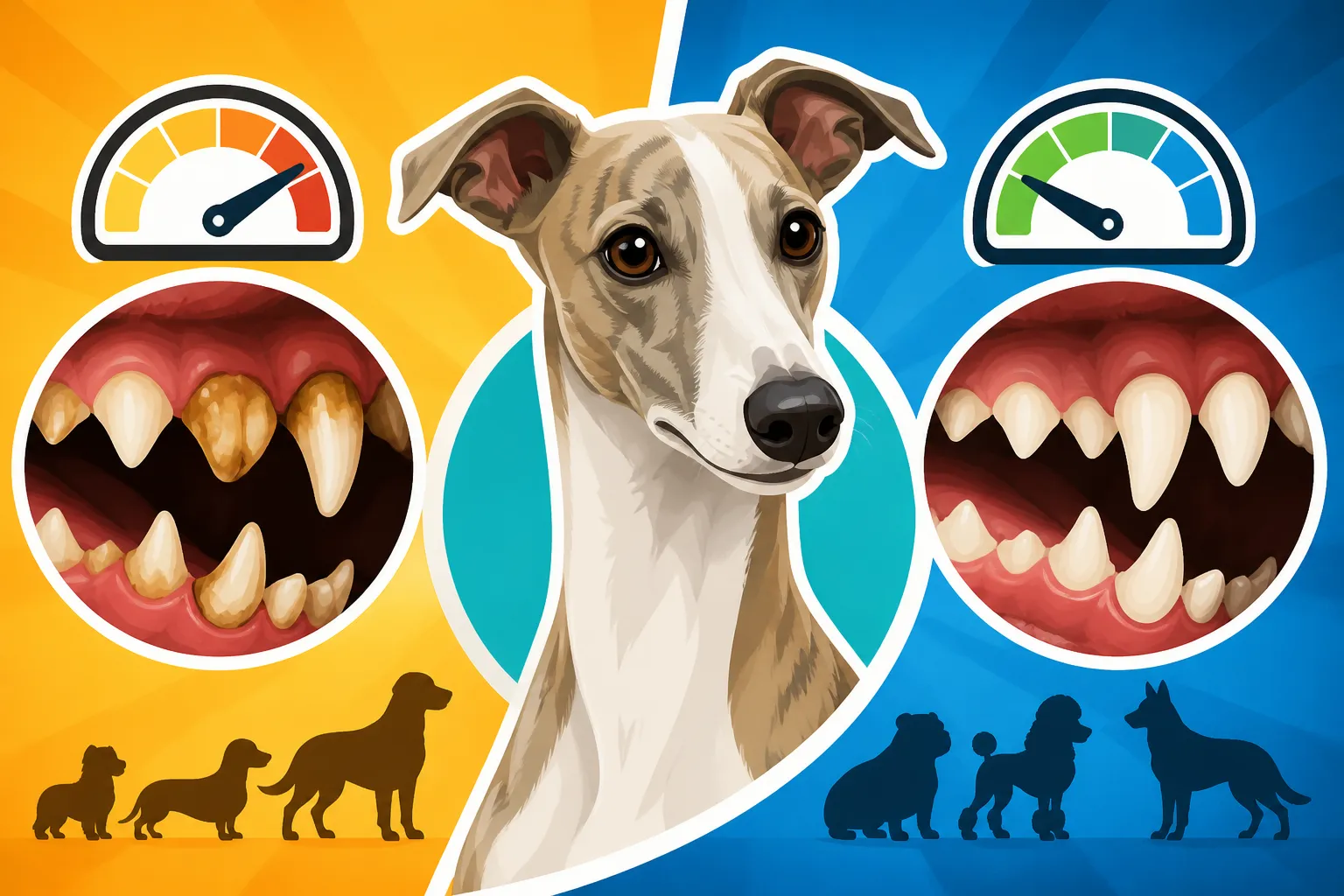
Many Whippet owners share the feeling that their dogs seem to develop tartar at an alarming rate, sometimes even when they're still quite young. It's not just anecdotal; there's a reason why this perception is so widespread, and it often comes down to a combination of genetics, jaw structure, and lifestyle.
Why Whippets Might Be Prone to Faster Tartar Build-Up
Whippets, like many sighthounds, have a distinctly different mouth structure compared to, say, a broad-headed bulldog or a tiny terrier. Their long, narrow muzzles and relatively delicate bone structure can play a role in how plaque and tartar accumulate. Think about it: teeth that are more crowded or slightly misaligned in a narrow jaw can create more nooks and crannies where food particles and bacteria love to hide. This environment is ripe for plaque to harden into tartar, and once it's there, it acts like a magnet for more buildup. This is why many owners worry Whether a Whippet's Narrow Jaw Crowds Its Teeth.
Beyond physical structure, there's a theory among some veterinarians and long-time sighthound enthusiasts that the saliva composition in these breeds might also contribute. While not universally proven, some believe that certain dogs may have saliva that's less effective at neutralizing plaque-forming bacteria or that allows minerals to deposit onto teeth more readily. Whatever the exact science, the practical reality for many Whippet owners is that dental diligence is a year-round commitment, not just an occasional thought.
The Role of Diet and Chewing Habits
You might think that feeding your Whippet dry kibble is enough to keep their teeth clean, acting like a little scrub brush with every crunch. Unfortunately, for most dogs, especially those prone to tartar, kibble alone isn't nearly abrasive enough to make a significant difference in preventing plaque buildup. Think of it like trying to clean your own teeth with crackers – it just doesn't work.
Whippets, while athletic, are also renowned for their "40-mph couch potato" lifestyle. They might not be the kind of dog that spends hours gnawing on tough sticks or durable chew toys in the same way a Labrador might. If their primary food is soft and their chewing opportunities are limited to quick toy sessions, their teeth simply aren't getting the mechanical scrubbing they need. A diet heavy in sticky, carbohydrate-rich foods can also contribute to plaque formation, as sugars adhere to the tooth surface, providing a feast for bacteria. Consideration of What a Whippet Eats in a Month is crucial for overall health, including dental health.
Recognizing and Understanding Dental Disease in Your Whippet
It's easy to overlook dental problems because dogs are incredibly stoic. They're wired to hide pain, and a painful tooth or gum infection might not manifest as obvious limping or crying out. Instead, it often shows up in more subtle ways, if at all, until the problem is quite advanced.
Beyond the Visible Tartar: Signs of Deeper Issues
While yellow or brown discoloration on the teeth is the most obvious sign of tartar, it's just the tip of the iceberg. True dental disease, also known as periodontal disease, involves inflammation and infection of the structures supporting the teeth – the gums, ligaments, and bone. Here’s what to watch for:
- Bad Breath (Halitosis): This is often the first and most noticeable sign for owners. While no dog's breath is minty fresh, an unusually foul, decaying smell is a huge red flag indicating bacterial overgrowth and infection in the mouth.
- Red, Swollen, or Bleeding Gums: Healthy gums are pink and firm. If your Whippet's gums are red, puffy, or bleed easily when touched or when they chew, it's a sign of gingivitis, the early stage of periodontal disease.
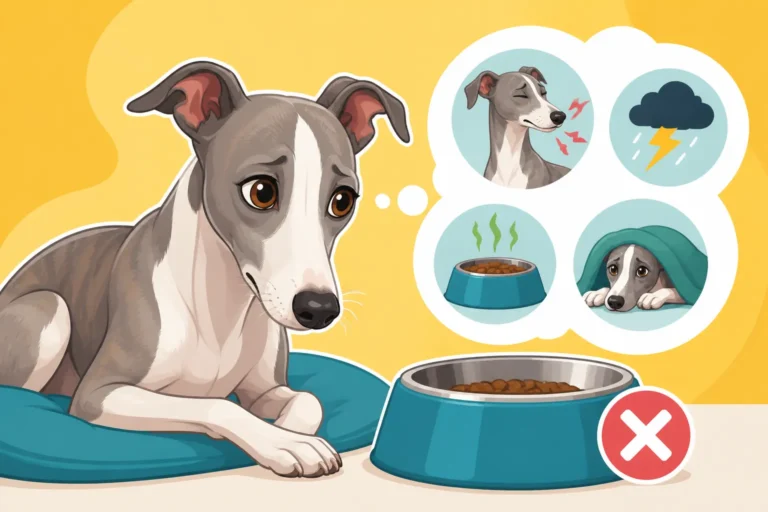
- Reluctance to Eat or Chew on One Side: If your Whippet suddenly becomes a picky eater, drops food, or prefers softer foods, they might be experiencing pain. They might also chew only on one side of their mouth or avoid certain toys.
- Paw Swiping at the Mouth or Rubbing Face: This is a clear indicator of discomfort. Your dog is trying to alleviate the pain or irritation themselves.
- Excessive Drooling: More drool than usual, especially if it's thick or tinged with blood, can signal oral pain or infection.
- Loose or Missing Teeth: In advanced stages, the infection destroys the bone and ligaments supporting the teeth, leading to instability or even tooth loss. This is a severe problem that causes significant pain.
- Changes in Behavior: Some dogs might become withdrawn, grumpy, or less enthusiastic about playing due to chronic oral pain.
These signs underscore why it's so important to be proactive and not wait until symptoms are glaringly obvious. By then, your Whippet is likely in considerable discomfort, and the treatments will be more extensive and expensive.
The Silent Progression of Periodontal Disease
Periodontal disease is a progressive condition. It starts with plaque, a sticky film of bacteria, food particles, and saliva, forming on the teeth. If not removed, plaque hardens into tartar (calculus), which is rough and porous, providing even more surface area for plaque to cling to.
Once tartar forms, it creates a rough surface that irritates the gums, leading to gingivitis – inflammation of the gums. If left untreated, gingivitis progresses to periodontitis, where the inflammation spreads below the gum line, damaging the supporting structures of the tooth. Pockets form between the tooth and gum, filling with bacteria, pus, and food debris. This leads to bone loss, tissue destruction, and ultimately, tooth loss.
Beyond the mouth, the bacteria from severe dental disease can enter the bloodstream and travel to other organs, including the heart, kidneys, and liver, potentially causing serious systemic health problems. This is a crucial point for a breed that lives for The Twelve to Fifteen Years a Whippet Lives.
Proactive Dental Care: Keeping Your Whippet's Smile Bright
The good news is that dental disease is largely preventable and manageable with a consistent, multi-pronged approach. Don't despair if you're already seeing some tartar; it's never too late to start a good dental hygiene routine.
The Cornerstone of Care: Regular Tooth Brushing
Just like for humans, daily tooth brushing is the single most effective way to prevent plaque and tartar buildup. Yes, it takes commitment, but it truly makes the biggest difference.
- Start Slow and Positive: Introduce brushing gradually. Let your Whippet lick dog-specific enzymatic toothpaste (never human toothpaste!) off your finger. Then, introduce a finger brush or a soft-bristled dog toothbrush. Praise and reward heavily after each short session. The goal is to make it a positive experience.
- Focus on the Outside Surfaces: You don't need to scrub the inside surfaces of the teeth; the tongue typically keeps those cleaner. Concentrate on the outer surfaces of the upper teeth, especially along the gum line, where plaque tends to accumulate most rapidly.
- Consistency is Key: Aim for daily brushing. If daily isn't feasible, every other day is still far better than nothing. Even a few minutes can significantly reduce plaque. You can find a wide range of dog toothbrushes and toothpastes on sites like Chewy or Amazon.
Dental Chews, Water Additives, and Wipes: Supplementary Tools
While brushing is king, these products can definitely play a supporting role. They are aids, not replacements, for brushing and professional care.
- Dental Chews: Look for chews that are specifically designed for dental health and have the Veterinary Oral Health Council (VOHC) seal of acceptance. This seal indicates that the product has been proven to reduce plaque and/or tartar. Choose chews that are appropriately sized for your Whippet and that encourage prolonged chewing. Avoid anything too hard that could fracture teeth. Many brands offer good options, and you can explore selections on platforms like Chewy.
- Water Additives: These products contain enzymes or other ingredients that help break down plaque-forming bacteria in your dog's drinking water. They are easy to use – just add to the water bowl – but their effectiveness can vary. They are best used as part of a broader dental hygiene routine.
- Dental Wipes: For dogs that absolutely refuse a toothbrush, dental wipes can be a decent alternative. They allow you to manually wipe plaque off the tooth surfaces. Again, they're not as effective as brushing but are better than doing nothing.
The Indispensable Professional Dental Cleaning
No matter how diligent you are with home care, most Whippets will eventually need professional dental cleanings under anesthesia. This is because once plaque has hardened into tartar, it cannot be removed by brushing alone – it requires specialized ultrasonic scaling tools, just like at your own dentist.
- What a Professional Cleaning Involves: During a professional cleaning, your veterinarian will thoroughly examine your Whippet's mouth, scale away tartar from above and below the gum line, polish the teeth to smooth out any microscopic scratches (which could attract more plaque), and perform dental X-rays to check for problems below the gum line that aren't visible to the naked eye, such as abscesses, bone loss, or unerupted teeth. Any diseased or painful teeth will be extracted. This is often the process people refer to when asking Whether a Whippet Needs Yearly Dental Cleaning.
- Anesthesia Concerns and Sighthounds: It's understandable to be concerned about anesthesia for your Whippet, given their unique physiology. Sighthounds like Whippets are known to be more sensitive to certain anesthetic agents and can take longer to recover. However, modern veterinary medicine has protocols specifically designed for sighthounds, using safer drug combinations and careful monitoring to minimize risks. It's vital to discuss Why a Whippet Needs a Sighthound Anesthesia Protocol with your vet and understand How Slowly a Whippet Wakes From Sedation.
- Cost and Frequency: The cost of a dental cleaning under anesthesia can be a significant expense, especially if extractions are needed. However, it's an investment in your Whippet's overall health and comfort. The frequency will depend on your Whippet's individual needs and your home care efforts, but many will benefit from a cleaning every one to three years. For old Whippets, especially, dental care is vital and discussed in Caring for a Whippet Past Ten.
Here's a quick comparison of various dental care methods:
| Method | Effectiveness Against Plaque/Tartar | Effort Required | Cost (General Shape) | Notes |
|---|---|---|---|---|
| Daily Brushing | High (Plaque, prevents Tartar) | High (Daily commitment) | Low (Brush/toothpaste) | Gold standard. Requires training and consistency. |
| VOHC Dental Chews | Moderate (Reduces Plaque/Tartar) | Low (Daily treat) | Moderate (Ongoing) | Look for VOHC seal. Not a substitute for brushing or vet cleaning. |
| Water Additives | Low to Moderate | Very Low (Daily refill) | Moderate (Ongoing) | Best as a supplement. Effectiveness varies by product and individual dog. |
| Dental Wipes | Moderate (Plaque) | Moderate (Regular wiping) | Low (Wipes) | Good alternative for dogs resisting toothbrushes. |
| Professional Cleaning | Very High (Removes existing Tartar, addresses disease) | Low (Vet handles) | High (Anesthesia, scaling, possible extractions) | Essential for removing hardened tartar and treating periodontal disease. |
Dispelling Myths and Embracing a Realistic Approach
There are a lot of misconceptions floating around about canine dental health. Let's clear some of them up.
The "Self-Cleaning" Myth and Raw Bones
Some believe that a dog's teeth are naturally self-cleaning, or that simply giving them a raw bone will take care of all their dental needs. Unfortunately, this is a myth. While gnawing on appropriate bones can certainly help remove some surface plaque and provide mental stimulation, it's far from a complete dental solution.
Firstly, not all bones are safe. Cooked bones splinter and can cause serious internal damage. Raw bones can also pose risks, including fractured teeth, which are incredibly painful and require expensive veterinary intervention. If you choose to offer raw bones, always supervise your Whippet closely and select appropriately sized, raw, non-weight-bearing bones that are unlikely to splinter. Even then, they rarely reach all tooth surfaces, especially the crucial gum line where disease starts.
Starting Early Makes a World of Difference
The best time to start thinking about your Whippet's dental health is when they are a puppy. Getting a puppy accustomed to having their mouth handled, and eventually to a toothbrush, will make the process much easier as they grow. Early exposure can turn dental care into a routine, rather than a battle. Consider integrating dental checks into your puppy's routine as outlined in The First Year With a Whippet Puppy.
Even if your Whippet is an adult and you're just starting, patience and positive reinforcement can go a long way. Small, consistent steps will eventually lead to progress. Remember, your Whippet relies on you for all aspects of their health, and their dental hygiene is no exception. By understanding their unique predispositions and committing to a proactive dental care routine, you can help ensure your Whippet enjoys a healthy, pain-free life with a truly happy smile.
Disclaimer
This article is for general informational purposes only and does not constitute professional advice. Laws, prices and regulations vary by location and change over time. Consult a qualified professional for guidance on your specific situation.