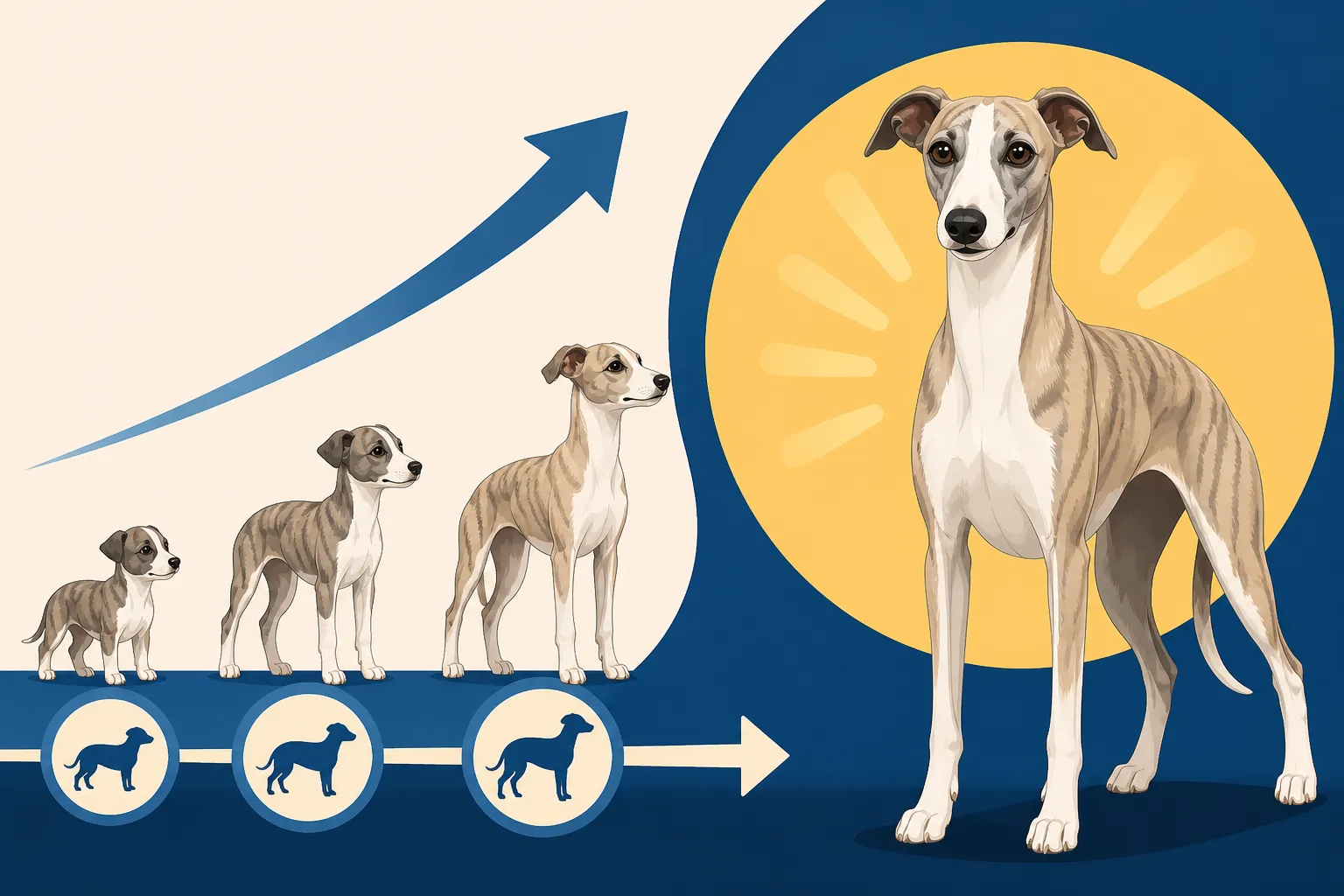
The Age a Whippet Reaches Full Weight
It’s a common worry for new Whippet owners, isn't it? You look at your gangly, often incredibly slender puppy, and you just can't help but wonder when they're finally going to "fill out." Many of us are used to seeing other breeds of puppies chunky and robust, then steadily growing into their adult frames. But with a Whippet, their growth trajectory feels different, and it can be confusing to know when they've truly reached their peak size and muscle definition. This guide will help you understand the unique developmental stages of your Whippet, so you know exactly what to expect and when your lean, graceful companion will hit their full, magnificent stride.
Understanding Whippet Growth: More Than Just the Scale
When we talk about a dog reaching "full weight," it's easy to picture a dense, heavy animal. But for a Whippet, that phrase carries a completely different meaning. Their full weight isn't about bulk; it's about the culmination of their skeletal development and the lean, powerful musculature that defines their breed. Expecting a Whippet to suddenly broaden like a Bulldog or thicken like a Labrador would be missing the point of their elegant design.
Skeletal Maturity vs. Muscular Development
Think of a Whippet's growth in two main parts: their bones and their muscles. Skeletal maturity, which is when their growth plates have closed and their bones have reached their adult length and density, typically happens earlier than their peak muscle development. For many Whippets, they'll reach their adult height and length around 8 to 12 months. They might look a bit "leggy" or even awkward during this phase, like a teenager who's shot up too fast.
After their bones have mostly settled, that's when their muscles really start to mature and define. This isn't about adding fat; it's about building lean, strong muscle fiber. This process can continue well into their second year, sometimes even a bit beyond. So, while your Whippet might be as tall as they'll ever be by their first birthday, they often won't have that sleek, powerful, mature look until closer to two years old, or even a little older, depending on their individual genetics and activity levels. It's a gradual filling-out, not a sudden transformation.
Why "Full Weight" Looks Different for a Whippet
One of the biggest anxieties for Whippet owners is the constant worry that their dog is too thin. Friends, family, or even well-meaning strangers might comment, "Are you feeding that dog enough?" It can be incredibly frustrating, right? But the truth is, a healthy adult Whippet is naturally very lean. They are designed for speed, which means they carry very little body fat. You should expect to see a couple of ribs, and often their hip bones and spine will be visible, especially when they're standing or turning. This isn't a sign of malnourishment; it's just how they're built.
Their "full weight" is about reaching the optimal balance of lean muscle to bone structure, allowing for explosive speed and agility. It's not about achieving a weight on the scale that would be considered average for another breed. Many of us wish we could just tell people, "No, really, they're supposed to look like this!" Understanding Why a Whippet Has So Little Body Fat can help you educate others and feel more confident in your Whippet's healthy appearance. You can also refer to guides like How Thin a Whippet Should Look to confidently assess your dog's condition.
The Whippet Growth Timeline: From Puppy Zoomies to Adult Grace
Your Whippet's journey from tiny, wiggly puppy to a statuesque adult is a fascinating process, marked by distinct stages. It's rarely a linear, perfectly predictable path, but there are general milestones you can expect.
The Rapid Growth Phase (Up to 6-8 Months)
During their first few months, Whippet puppies grow at an incredible rate. It seems like you blink, and they've sprouted another inch. This is the period of most significant skeletal growth. They'll gain height and length quickly, and their bodies might appear a bit disproportionate – all legs and neck! This rapid growth can sometimes make them seem even more fragile or uncoordinated, and you might find yourself constantly adjusting their harness size.
It's during this time that adequate nutrition is absolutely critical. While some larger breeds benefit from specific "large breed puppy foods" to slow down their growth and protect their joints, a Whippet isn't a large breed. However, a high-quality puppy food is still essential. You might be wondering Whether a Whippet Puppy Needs Large Breed Food, and generally, the answer is no, but ensuring they receive balanced nutrition designed for growing puppies is paramount. Avoid overfeeding, as excessive weight gain during this period can strain developing joints, even in a lean breed like a Whippet.
Adolescent Filling Out (8 Months to 18 Months)
As your Whippet passes the six to eight-month mark, their rapid upward growth usually begins to slow down. They might still gain a little more height, but the primary focus shifts to filling out. This means their chest will deepen, their musculature will start to develop more noticeably, and they'll gradually lose that awkward, gangly look. This is when you might start to see the distinctive Whippet "roach" or arch over their loin begin to firm up.
During this adolescent phase, their energy levels can be sky-high, yet they are still physically maturing. It's important to balance their need for exercise with protecting their still-developing bodies. Intense, repetitive impact activities on hard surfaces should be limited. This is when many owners start to really appreciate their Whippet's dual nature – capable of explosive sprints, then collapsing into a deep slumber. You'll likely notice them starting to develop that sleek, powerful hindquarter musculature that is so characteristic of the breed. This is also a good time to start really focusing on their body condition. Knowing What Body Condition Score a Whippet Should Be will help you monitor their progress during this crucial stage. If you're seeing signs that they aren't eating well, resources like Getting Weight On a Whippet That Will Not Eat can be helpful. For specific dietary needs, some owners explore fresh food options like those offered by Ollie, which can be tailored to their dog's age and activity.
Reaching Full Maturity (18 Months and Beyond)
Most Whippets will reach their full skeletal maturity and be close to their adult height and length by around 12 to 18 months. However, the process of truly "filling out" with muscle and achieving that refined, adult sighthound physique often takes longer. Many Whippets won't look completely mature until they are closer to two years old, and some even take a bit longer, especially males. This isn't just physical; their mental maturity also comes with age. If you're curious, The Age a Whippet Finally Matures offers insight into their behavioral development.
It's in this stage that their chest will fully drop, and their musculature will become more defined and powerful. Their coat will often settle into its adult texture and density. This is also the point where you'll have a clear idea of your Whippet's adult weight, which, for males, is typically covered in What an Adult Male Whippet Weighs, and for females, What an Adult Female Whippet Weighs. Remember, this "full weight" is about optimal condition, not maximum poundage. They should still be lean, athletic, and agile, ready to run at a moment's notice.
Factors Influencing Your Whippet's Final Size and Build
While there's a general timeline for Whippet growth, several factors can influence exactly when your dog reaches their full size and what their ultimate build will be. These aren't just minor details; they play a significant role in shaping your Whippet.
The Role of Genetics and Lineage
Just like us, a Whippet's ultimate size and shape are largely predetermined by their genetics. Their parents, grandparents, and the breeding lines they come from all contribute to their potential height, length, and bone structure. A Whippet from a line of larger, more substantial show dogs might mature into a slightly heavier-boned adult than a Whippet from traditional racing lines, which are often bred for maximum leanness and speed.
It’s why looking at the parents of a puppy, if possible, can give you a good indication of what to expect in terms of adult size. Reputable breeders can often tell you the typical adult weights and heights of their lines. This genetic blueprint means that while you can support healthy growth, you can't fundamentally change the size your Whippet is meant to be. This is why some owners are passionate about preserving the genetic health of the breed, as discussed in The Health Tests Both Whippet Parents Should Have.
Nutrition and Its Impact on Growth
While genetics set the potential, nutrition provides the building blocks. A high-quality diet throughout puppyhood and adolescence is crucial for healthy development. Skipping meals or feeding a low-quality, unbalanced diet can hinder optimal growth, potentially leading to smaller size or poorer muscle development.
Conversely, overfeeding, especially with calorie-dense foods, can lead to excessive weight gain. While a little puppy fat might seem cute, it can put undue stress on growing joints and negatively impact their long-term health. Finding a balance is key. Many owners find success with premium kibble brands often found on platforms like Chewy, or explore fresh food delivery services. It’s important to monitor their body condition closely, feeling for ribs and spine, rather than relying solely on the numbers on a bag. Whether a Whippet Puppy Should Grow Slowly emphasizes the importance of steady, healthy growth over rapid expansion.
Activity Levels and Muscle Development
A Whippet's incredible athleticism isn't just for show; it's essential for developing their characteristic lean musculature. Regular, appropriate exercise, especially during their adolescent and young adult phases, helps to build and maintain strong muscles. This doesn't mean forced, long-distance runs before they're physically mature, but rather opportunities for free, self-directed play and sprints in a safe, enclosed area.
Activities like Lure Coursing and Fast CAT Cost a Whippet Owner are fantastic ways to allow your Whippet to engage their natural instincts and build muscle efficiently and safely. A Whippet that doesn't get enough exercise may not develop the same level of muscle definition as one that is regularly active, even if their skeletal size is the same. Just be mindful of injuries, especially their The Thin Skin That Sends a Whippet to the Vet for Stitches or Muscle Pulls in a Whippet, which can sideline them from activity.
When to Stop Worrying and Enjoy Your Adult Whippet
It's easy to get caught up in growth charts and weight tracking, but eventually, you need to transition from monitoring development to simply enjoying your magnificent adult Whippet. Knowing what a healthy adult looks like, and how to spot genuine issues, can bring immense peace of mind.
Identifying a Healthy Adult Whippet Physique
Once your Whippet is past two years old, they've almost certainly reached their full adult height and length, and their muscle mass should be well-established. A healthy adult Whippet will have a clearly visible tuck-up (the upward curve of their abdomen), a discernible arch over the loin, and you should be able to easily feel, and often see, the last few ribs without them being overly prominent or "poky." Their hip bones might be visible, particularly from above.
Their coat should be sleek and shiny, their eyes bright, and their energy levels appropriate for the breed – bursts of intense activity followed by deep, contented naps. This lean, athletic build is what makes them so unique and beautiful. Rather than aiming for a generic "healthy weight," focus on their overall body condition and energy. Tools like the Body Condition Score (BCS) chart, often available through vets or online on sites like Amazon, can be incredibly useful. Pay close attention to Feeling a Whippet's Ribs and Hip Bones as a practical way to gauge their ideal weight.
Addressing Concerns About Underweight or Overweight Whippets
While leanness is normal, an underweight Whippet is not. If your Whippet's ribs, spine, and hip bones are extremely prominent, their muscles appear wasted, or they seem lethargic, it's time for a vet visit. This could indicate an underlying health issue or insufficient caloric intake. Sometimes, even with adequate food, a highly active Whippet or one with a sensitive stomach might struggle to maintain weight. Your vet can rule out medical causes and help you adjust their diet.
On the other end of the spectrum, an overweight Whippet is also a concern. While rare in their youth, older or less active Whippets can certainly pack on the pounds. If you can't easily feel their ribs without pressing, or their tuck-up is absent, they might be carrying too much weight. Extra weight puts unnecessary strain on their joints, heart, and overall health, potentially shortening their lifespan. The Twelve to Fifteen Years a Whippet Lives is a testament to their general good health, but maintaining an ideal weight is crucial for reaching that potential. Even a slightly overweight Whippet can suffer health consequences. Your vet can provide guidance on diet and exercise to help them return to a healthy, athletic condition.
Disclaimer
This article is for general informational purposes only and does not constitute professional advice. Laws, prices and regulations vary by location and change over time. Consult a qualified professional for guidance on your specific situation.