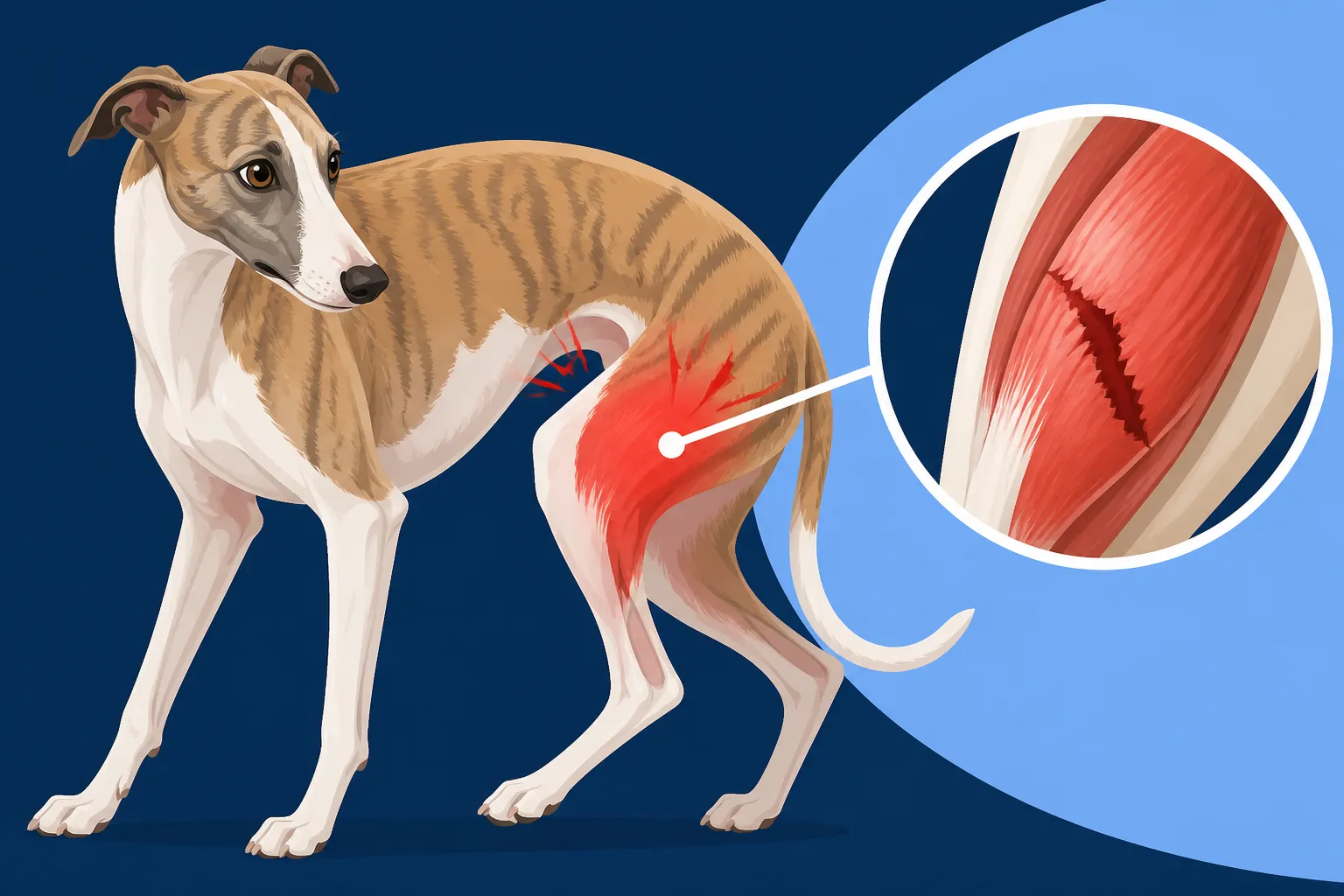
Muscle Pulls in a Whippet
Whippets are such magnificent creatures, aren't they? With their incredible athleticism and those graceful, powerful bursts of speed, they truly are canine athletes. But sometimes, that very athleticism can lead to heartbreak. As a Whippet owner, there's nothing more worrying than seeing your lithe, energetic companion suddenly pull up lame, whimpering, or struggling to move. Muscle pulls are an unfortunately common issue in this breed, and it leaves us feeling helpless and often confused about what happened and what to do next. This comprehensive guide is here to walk you through understanding why Whippets are so susceptible to these injuries, how to spot the signs, what veterinary care entails, and most importantly, how to help prevent them so your Whippet can keep zooming happily and safely.
Understanding Why Whippets Are Prone to Muscle Pulls
It’s easy to look at a Whippet and marvel at their speed and agility, but beneath that sleek coat lies a delicate balance of muscle and bone that, while designed for explosive movement, can also be quite vulnerable. Their unique build, a testament to centuries of breeding for speed, is precisely what puts them at a higher risk for muscle strains and tears.
The Anatomy of a Whippet's Musculature
Unlike many dog breeds, Whippets have very little body fat, serving as both insulation and padding. This is great for speed and cooling down after a vigorous sprint, but it also means their muscles are very close to the surface, without much cushioning to absorb impact or protect against sudden stresses. Their powerful hindquarters are built for propulsion, enabling those incredible bursts of speed that can leave other dogs in the dust. The muscles in their thighs, groin, and shoulders are incredibly strong and elastic, allowing for extreme extension and contraction.
However, this very elasticity and power can be their undoing. When a Whippet changes direction sharply at full speed, makes an awkward landing, or slips, these highly developed muscles can stretch beyond their capacity, leading to strains or tears. Even Whippets with a single copy of the gene responsible for Bully Whippet Syndrome and the Myostatin Gene Behind It, which can increase muscle mass, might experience different stresses on their musculoskeletal system due to their enhanced musculature. Every fiber in a Whippet's body is engineered for performance, and like any high-performance machine, they need careful handling and maintenance to avoid injury.
Common Scenarios Leading to Muscle Pulls
Whippets are notorious for their "zoomies"—those sudden, frantic bursts of running around the house or yard. While hilarious, these impromptu sprints, especially on slippery surfaces like hardwood floors, can be prime opportunities for injury. Imagine your Whippet tearing around a corner, losing traction for a split second, and twisting a leg. This seemingly innocuous moment can lead to a significant muscle pull.
Beyond indoor antics, outdoor adventures also carry risks. A common culprit is running on uneven terrain, or worse, making a quick turn on wet grass. Many Whippet owners have experienced the panic of seeing their dog slide, resulting in The Muscle a Whippet Tears Sliding on Wet Grass. Fast-paced play with larger, heavier dog breeds can also be problematic. A large dog might accidentally collide with a Whippet or pin it awkwardly, causing undue stress on its delicate frame. Even activities like lure coursing or racing, while designed for sighthounds, require proper conditioning and warm-ups, as the sudden acceleration and abrupt stops place immense strain on a Whippet's muscles. Over-exercising a Whippet without proper build-up, or even just a single, overly enthusiastic sprint after a long period of inactivity, can be enough to cause a painful injury.
Recognizing the Signs of a Muscle Pull in Your Whippet
Spotting a muscle pull can sometimes be tricky because Whippets, like many sighthounds, are incredibly stoic animals. They might try to "run through" the pain, especially if the injury isn't severe, or they might mask their discomfort until it becomes unbearable. As their dedicated human, you become their detective, looking for subtle clues that something isn't quite right.
Subtle vs. Obvious Symptoms
Initially, a muscle pull might manifest as something quite subtle. You might notice your Whippet is a bit less enthusiastic about their morning walk, or perhaps they're reluctant to jump onto the sofa, a favorite perch they usually leap onto without a second thought. They might sit or lie down in an unusual posture, perhaps favoring one side, or they might shift their weight uncomfortably. A slight lameness that appears after exercise but seems to improve with rest is another common early indicator. This intermittent limping can be particularly confusing, making you wonder if you just imagined it. Keep a keen eye out for any changes in their gait, even if it's just a slight stiffness or a tendency to "toe-tap" one paw more than usual.
On the other hand, a severe muscle pull can present with much more obvious and distressing symptoms. Your Whippet might be acutely lame, completely unwilling to put weight on a particular limb. They might cry out or yelp if the injured area is touched, indicating significant pain. Swelling or bruising might be visible around the affected muscle, though this can be harder to spot on their lean bodies. They might tremble, pant excessively, or even refuse to stand up. It's crucial to distinguish these symptoms from other potential issues, such as Whippet's Toe Injuries Are Common or even something more severe like Whether a Whippet Tears a Cruciate Ligament. When in doubt, always err on the side of caution and consult your veterinarian.
What to Do Immediately After an Injury
If you suspect your Whippet has pulled a muscle, the very first thing to do is ensure they get immediate rest. Prevent them from running, jumping, or engaging in any activity that could worsen the injury. Leash walks for potty breaks should be short and controlled, if they can bear weight at all. Gently try to feel the affected area if your Whippet allows it, looking for any obvious swelling, heat, or areas where they flinch when touched. However, if they are in severe pain, avoid excessive prodding as it could cause more distress.
Observe their behavior closely. Is the lameness constant or intermittent? Are they vocalizing pain? Is there any visible deformity? If your Whippet is non-weight bearing, in severe pain, or if you notice any visible swelling or deformity, it's time to call your vet. Do not try to diagnose or treat a severe injury yourself. A quick call to your vet, even if it's just for advice, can make a huge difference. For less severe lameness, rest for 24-48 hours and continue to monitor. If there's no improvement, or if things get worse, a vet visit is essential. Remember, forcing movement can turn a minor strain into a much more serious tear, so patience and careful observation are key.
Veterinary Diagnosis and Treatment Options
When your Whippet has a suspected muscle pull, a trip to the vet is often unavoidable, and frankly, it's the best course of action. Trying to guess what's going on or hoping it will just "get better" can lead to prolonged discomfort for your dog and potentially a more complicated recovery down the line.
The Diagnostic Process
Upon arrival, your veterinarian will start with a thorough physical examination. This typically involves observing your Whippet's gait, both walking and sometimes trotting, to pinpoint which leg or area is affected. They'll then gently palpate (feel) the muscles and joints, checking for heat, swelling, pain response, and any abnormalities in the muscle belly or tendon. They will also assess the range of motion in the joints surrounding the suspected injury. Since Whippets are so lean, an experienced vet might be able to feel subtle changes in muscle tone or fascial tension that indicate a strain.
To rule out more serious issues like fractures or bone chips, which can sometimes present similarly to a severe muscle pull, X-rays might be recommended. While X-rays don't show soft tissue damage directly, they are crucial for eliminating bone-related problems. If soft tissue damage is suspected, an ultrasound can be incredibly helpful. This imaging technique allows the vet to visualize the muscle fibers, tendons, and ligaments, revealing tears, inflammation, or hematomas. In some complex cases, an MRI might be suggested, although this is less common for routine muscle pulls due to cost and accessibility. The goal is to get an accurate diagnosis so a targeted and effective treatment plan can be put in place, ensuring your Whippet gets back on its feet as quickly and safely as possible.
Treatment Pathways for Muscle Injuries
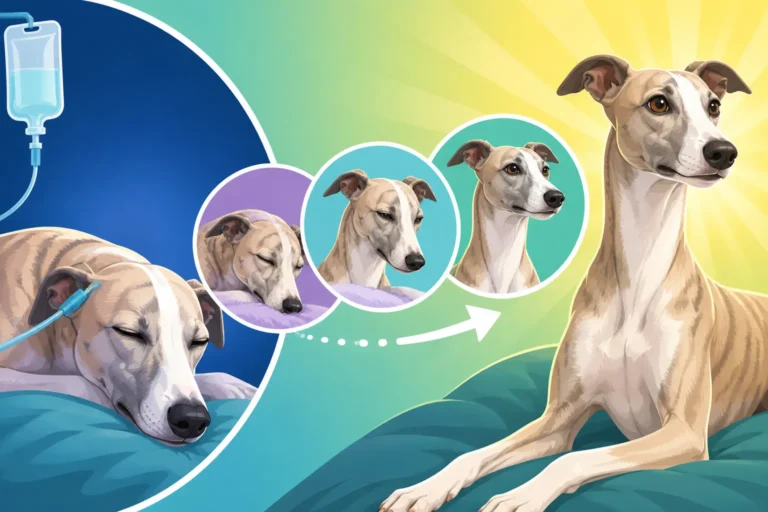
Once a muscle pull is diagnosed, treatment typically focuses on pain management, reducing inflammation, and promoting healing. For most mild to moderate muscle strains, conservative management is the first line of defense. This usually involves strict rest—and I mean strict. Your vet might recommend crate rest or limited leash walks for several weeks, depending on the severity. Non-steroidal anti-inflammatory drugs (NSAIDs) such as Carprofen or Meloxicam are often prescribed to reduce pain and inflammation. Cold compresses (ice packs) can be applied to the injury site for the first 24-48 hours to help reduce swelling, followed by warm compresses after that to increase blood flow and promote healing.
For more severe muscle tears, or for Whippets that aren't responding well to conservative treatment, physical therapy and rehabilitation can be incredibly beneficial. A certified canine rehabilitation therapist can develop a tailored program that might include therapeutic exercises, hydrotherapy (underwater treadmill), massage, laser therapy, and even acupuncture. These modalities help strengthen the surrounding muscles, improve flexibility, and ensure a full recovery, minimizing the chance of re-injury. You can learn more about this by reading up on Whether a Whippet Needs Physical Therapy After Injury. It's a journey that requires patience and dedication, but watching your Whippet regain their strength and confidence is incredibly rewarding. Throughout this process, having pet insurance like Healthy Paws can be a real lifesaver, helping to cover the often unexpected costs of diagnostics, medications, and rehabilitation. These costs can add up quickly, especially with advanced imaging or specialized therapies.
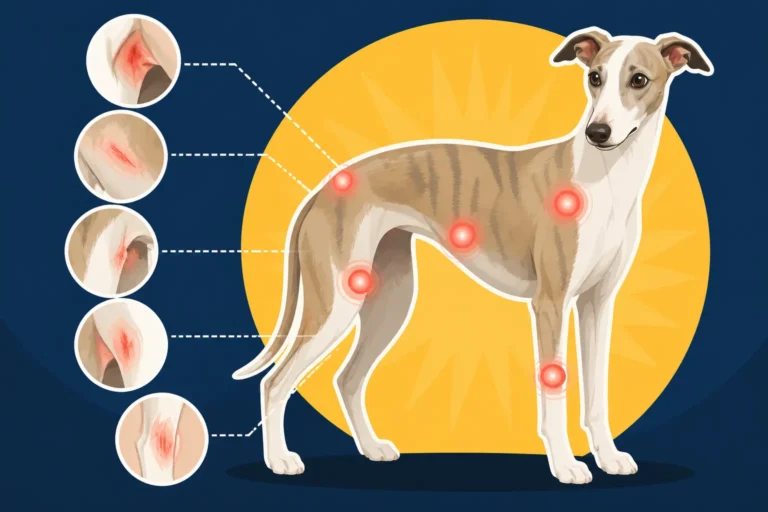
To give you an idea of what to expect, here's a general table of common muscle pull locations and typical recovery times:
| Muscle Group Affected | Common Injury Type | Typical Symptoms | Estimated Recovery Time |
|---|---|---|---|
| Gracilis/Sartorius (Groin) | Strain/Tear | Acute lameness, difficulty extending leg backward, pain on palpation of inner thigh. | 4-8 weeks |
| Biceps Femoris (Hamstring) | Strain/Tear | Lameness, pain in rear thigh, altered gait (shortened stride), swelling. | 4-8 weeks |
| Shoulder Muscles (Supraspinatus, Biceps Brachii) | Strain/Tear | Forelimb lameness, pain on shoulder flexion/extension, reluctance to lift paw. | 3-6 weeks |
| Triceps (Upper Foreleg) | Strain/Tear | Forelimb lameness, difficulty extending elbow, muscle atrophy if chronic. | 3-6 weeks |
| Iliopsoas (Hip Flexor) | Strain | Pain when hip is extended or flexed, reluctance to jump/climb stairs, hunched posture. | 6-12 weeks |
| Gastrocnemius (Calf) | Strain/Tear | Lameness, pain in lower rear leg, often seen after sudden acceleration. | 4-8 weeks |
Note: Recovery times are estimates and can vary significantly based on the severity of the injury, the individual dog, and compliance with treatment protocols.
Preventing Future Muscle Pulls
Preventing muscle pulls in your Whippet is all about understanding their physical limits and setting them up for success. While you can't eliminate every risk, especially with such athletic dogs, you can certainly minimize the chances of a painful injury through thoughtful routines and environmental management.
Proper Warm-up and Cool-down Routines
Just like human athletes, Whippets need to properly warm up their muscles before intense exercise and cool down afterward. Skipping these crucial steps is a common oversight that can easily lead to a strain. Before a full-speed sprint at the dog park, a lure coursing event, or even an enthusiastic game of fetch, start with a brisk 5-10 minute leash walk. This gentle activity increases blood flow to the muscles, improves elasticity, and prepares their body for more strenuous activity. Think of it as gently stretching a rubber band before snapping it—it's less likely to break. You might find our guide on Warming Up a Whippet Before It Runs to be incredibly helpful.
Equally important is a cool-down. After any vigorous exercise, don't just put your Whippet back in their crate or on the couch. A 5-10 minute cool-down walk allows their heart rate to gradually return to normal, helps flush lactic acid from their muscles, and prevents stiffness. Gentle massage can also be a wonderful way to promote recovery and further relax their muscles. Our article on Cooling a Whippet Down After a Sprint offers more detailed steps for this essential routine. Incorporating these simple habits into your daily routine can significantly reduce the risk of muscle injuries and contribute to the overall health and longevity of your Whippet.
Environmental Management and Conditioning
Your Whippet's environment plays a huge role in preventing injuries. Indoors, consider non-slip rugs or runners on hard surfaces like tile or hardwood. A sudden burst of zoomies on a slippery floor is a classic recipe for a muscle strain, or worse, other injuries. Also, ensure all their resting spots offer adequate padding; because A Whippet Has No Insulation and No Padding, they are prone to Pressure Sores a Whippet Gets From Sleeping on the Floor, but also need good support.
Outdoors, choose safe, enclosed areas with even ground for off-leash running. Avoid areas with hidden holes, sharp rocks, or dense brush that could snag a leg. Dog parks can be risky for Whippets, especially if there are large, boisterous dogs who don't understand how delicate a Whippet's frame can be; Whether a Whippet Gets Hurt Playing With Bigger Dogs is a real concern. Gradually increase the intensity and duration of your Whippet's exercise regime. Don't go from couch potato to marathon runner overnight. Build up their stamina and muscle strength over time. Maintaining a healthy weight is also paramount. While Whippets are naturally lean, Keeping Weight On a Whippet Without Making It Fat is important, but becoming overweight puts extra strain on their joints and muscles, increasing injury risk. Ensure their diet supports their athletic needs; Whether a Whippet Needs More Protein can be a key consideration for muscle health and repair. Regular veterinary check-ups are vital for monitoring their overall health and catching any subtle issues before they become major problems. Again, pet insurance like Healthy Paws can provide peace of mind for these routine visits and unexpected injuries, making sure you never have to compromise on the best care for your beloved Whippet.
Protective Gear and Alternative Exercises
While Whippets don't typically wear "protective gear" in the traditional sense, considering their environment and adjusting accordingly is key. For example, if you're taking your Whippet on trails with rough terrain, paw protection can prevent painful cuts and abrasions that might lead to compensatory lameness. In extremely cold weather, a warm coat isn't just about comfort; it helps keep muscles warm and pliable, reducing stiffness and susceptibility to injury.
It's also beneficial to incorporate alternative exercises that offer physical and mental stimulation without the high impact of sprinting. Long, steady leash walks are excellent for building endurance and core strength without stressing joints. Consider mental games or puzzle toys to engage their minds. For some Whippets, even swimming can be a good low-impact exercise, although many Whippets are not natural swimmers and require a life vest. The key is balance: celebrate their incredible speed, but understand it's just one facet of their athleticism. By integrating varied activities and prioritizing safety, you can help your Whippet enjoy a long, active life, full of joyful zoomies and free from unnecessary muscle pulls, contributing to The Twelve to Fifteen Years a Whippet Lives.
Disclaimer
The information provided in this article is for educational and informational purposes only, and does not constitute veterinary advice. Always consult with a qualified veterinarian for any health concerns or before making any decisions about your Whippet's medical care.