The Age a Whippet Finally Matures
One of the biggest heartbreaks for a new Whippet owner is the expectation that their adorable, sleepy puppy will gracefully transition into a calm, mature adult around their first birthday. The truth is, while their lanky bodies might hit adult size, their brains are often still very much in a chaotic, impulsive adolescent phase, leaving many owners scratching their heads. This guide will help you understand the realistic timeline for a Whippet's mental maturity, what to expect during their "teenage" years, and how to navigate this often-challenging but ultimately rewarding period.
The Journey of Maturation: More Than Just Physical Growth
It's easy to look at a sleek, full-grown Whippet body and assume the dog inside is just as mature. But for sighthounds, and Whippets in particular, the mental and emotional development often lags significantly behind their physical development, creating a charmingly exasperating gap.
The Rapid Physical Development Phase
Whippet puppies grow at an astonishing rate. One day they're tiny, fragile bundles, and the next they're long-legged adolescents practically tripping over their own feet. Most Whippets reach their full height and often their adult weight between 9 to 12 months. You'll see those gangly limbs stretch out, that deep chest develop, and their overall athletic physique begin to take shape. This rapid growth means they look like adult dogs, which can be deceiving. People will comment on how grown-up they seem, and you might even start to expect adult-like behavior from them because their body suggests it.
However, this rapid physical development doesn't mean their bones, joints, and soft tissues are fully mature and robust. It's why we often talk about Raising a Whippet Puppy Without Wrecking Its Joints and being mindful of intense exercise too early, even if they look ready to run a marathon. While they might be able to sprint incredibly fast, their growing bodies are still delicate, and pushing them too hard on hard surfaces or through repetitive, high-impact activities can lead to issues down the line. It's a tricky balance, because their physical energy can be immense.
The Lingering Mental Puppyhood
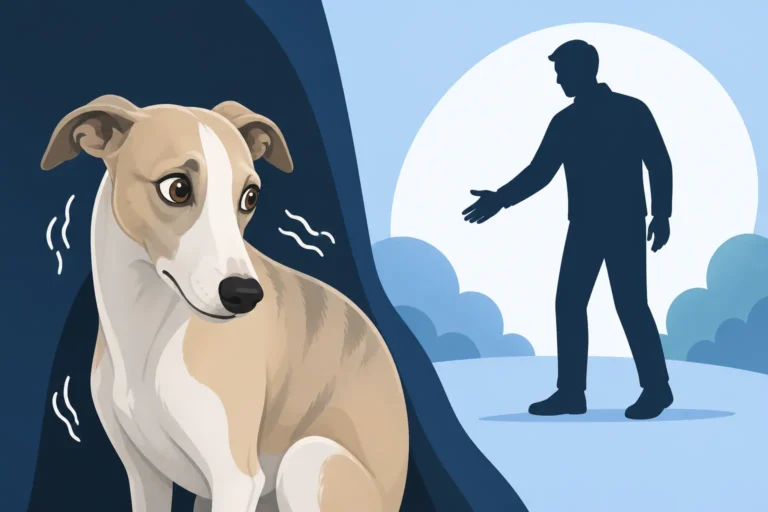
While their bodies might be approaching adulthood, a Whippet's brain is often still very much in "puppy mode" or, more accurately, "teenager mode" for much longer. Think of a human teenager: physically capable, but often emotionally volatile, impulsive, and prone to making questionable decisions. Your Whippet isn't much different! This mental immaturity can manifest as short attention spans, difficulty with impulse control, exaggerated reactions to stimuli, and a general lack of the calm, settled demeanor you might associate with an adult dog.
This period can be incredibly frustrating if you're not prepared for it. You might feel like all the training you put in during their younger puppy months has gone out the window. Suddenly, they might forget commands they knew perfectly, exhibit bursts of zoomies indoors, or decide that listening to you is entirely optional. It's crucial to remember that this isn't defiance; it's a stage of brain development. Their frontal lobe, responsible for decision-making and impulse control, is still very much under construction. Expecting full adult composure from a 12-month-old Whippet is like expecting a 14-year-old human to have the wisdom of a 30-year-old.
The Adolescent Whippet: A Jumble of Energy and Impulse
The period between roughly 6 months and 2 years old is the true adolescent phase for most Whippets. This is where you'll see a mix of their endearing puppy traits and glimpses of the sophisticated adult they will become, all wrapped up in a package of boundless energy and questionable judgment.
Testing Boundaries and Selective Hearing
Just like human teenagers, adolescent Whippets are master boundary-testers. The "rules" that seemed so clear when they were little puppies might now be viewed as mere suggestions. That rock-solid recall you worked so hard on? It might suddenly become "selective," especially if there's a squirrel or a leaf blowing in the wind. This isn't because they don't love you or haven't learned; it's because their developing brains are being bombarded with new impulses and their independence is growing. The thrill of the chase or the excitement of a new scent can easily override any prior training, no matter how well-established.
You might find yourself repeating commands multiple times, or watching your Whippet stare blankly at you before trotting off to investigate something far more interesting. This can be particularly challenging when out on walks, making the argument for a long line or a secure, fenced area incredibly strong. It's a period where consistency in training becomes even more critical, not less. Resources like BAXTER & Bella offer structured programs that can provide much-needed guidance during these testing times, helping you re-establish those boundaries in a positive way.
The Surge of Sighthound Instincts
During adolescence, those inherent sighthound instincts, which might have been dormant or less pronounced in puppyhood, often surge to the forefront. The prey drive becomes stronger, the desire to run and chase is amplified, and their independent nature, characteristic of sighthounds bred to hunt visually, truly kicks in. This means that a loose Whippet, even one with decent recall, might suddenly decide that a distant movement is far more compelling than anything you have to offer. This is why Why a Whippet's Chase Instinct Overrides Its Recall is such an important topic for owners to understand.
This intensified instinct means you need to be extra vigilant about their safety. An open field without a secure fence, or even a dog park where another dog might trigger their chase response, can quickly become a dangerous situation. Their speed is incredible, and once they decide to run, stopping them can be nearly impossible. Providing safe, structured outlets for these instincts, such as lure coursing or Fast CAT, can be incredibly beneficial, channeling that energy into appropriate activities rather than hoping they'll ignore the rabbit that bolts across the park.
When the Brain Catches Up: Signs of Emerging Maturity
While there isn't a magical switch, most Whippets begin to show real signs of mental maturity between 18 months and 3 years old. This isn't to say they'll be perfectly behaved zen masters overnight, but you'll start to notice a definite shift in their overall demeanor and decision-making.
Increased Calmness and Self-Control
One of the most welcome signs of a maturing Whippet is an increase in their general calmness and self-control, especially indoors. Those frantic bursts of zoomies that used to send lamps flying might become less frequent, or at least shorter-lived. They might start to settle more easily, choosing a comfy bed or a spot on the sofa to observe the world rather than constantly seeking action. This doesn't mean they lose their playful spirit; a mature Whippet can still be incredibly silly and energetic when the mood strikes or when it's time for a run, but they gain an "off switch."
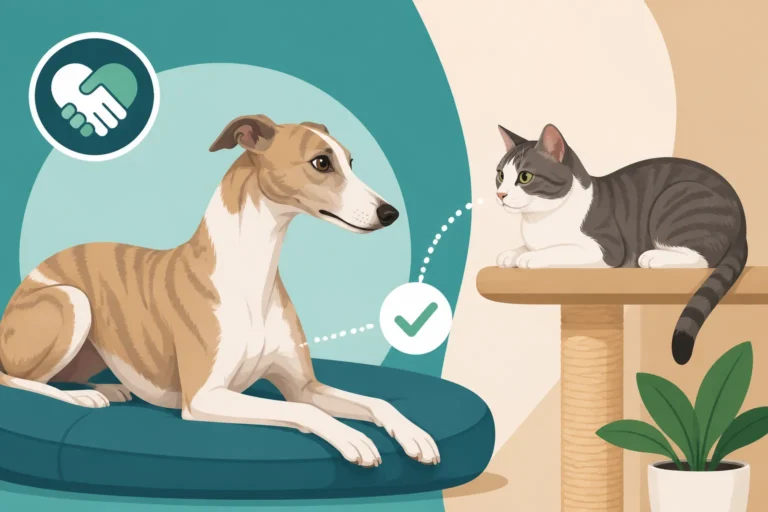
You'll notice them thinking before reacting. Instead of instantly chasing the cat that darts across the room, they might pause, consider, and then perhaps only give a half-hearted trot. This improved impulse control also extends to things like waiting patiently for food, not jumping quite so enthusiastically on guests, or being less prone to counter-surfing. It's a subtle shift, but one that makes living with them significantly more relaxed. They finally understand the concept of "chill."
A Deeper Understanding of Rules and Routines
As their brains mature, Whippets develop a much deeper understanding and appreciation for routines and household rules. The consistency you've maintained throughout their puppy and adolescent phases will truly start to pay off. They'll anticipate meal times, know when walks are coming, and adhere to boundaries with less prompting. This isn't just about memorizing commands; it's about internalizing the structure of their world and understanding their place within it.
This period often marks the real breakthrough in training. Commands that felt like a struggle might suddenly click with a new level of reliability. Their ability to focus improves, making training sessions more productive and enjoyable. You might even find them offering behaviors unprompted, like sitting politely when someone comes to the door, rather than needing a command. They become truly collaborative partners, making them a joy to train further in activities like obedience, agility, or even more advanced trick training. They finally get that listening to you often leads to good things for them.
Factors Influencing Whippet Maturity
It's important to remember that the maturity timeline is not a rigid one-size-fits-all schedule. Several factors can influence when your individual Whippet "grows up."
Genetics and Individual Temperament
Just like people, every Whippet is an individual. Some lines mature faster than others, and even within the same litter, you might have early bloomers and late developers. Genetics play a significant role. Some Whippets might inherit a naturally calmer, more biddable temperament, leading them to seem more mature at a younger age. Others might be inherently more high-strung, energetic, or independent, and will take longer to settle into their adult personalities.
The age at which a Whippet is neutered or spayed can also sometimes play a minor role, though the science is still developing on the full impact of hormones on behavioral maturity. However, overwhelmingly, individual personality and genetic predisposition are huge drivers. If you've ever spent time around different Whippets, you'll know they have distinct personalities. Some are perpetually playful and goofy well into their senior years, while others adopt a more dignified air earlier on. This individuality means patience is truly a virtue when owning a Whippet.
Training, Socialization, and Environment
While genetics provide the blueprint, training and environmental factors are massive shapers of a Whippet's development. A well-socialized puppy exposed to a variety of sights, sounds, people, and other calm dogs will generally develop into a more confident and well-adjusted adult. Early, consistent, and positive training lays the groundwork for good behavior and helps them understand what's expected of them. The First Year With a Whippet Puppy is critical for establishing these foundations.
Conversely, a Whippet that lacks proper socialization or consistent training might exhibit prolonged adolescent behaviors or develop anxiety and reactivity, which can make them seem less mature. An environment that provides sufficient mental stimulation and appropriate outlets for their physical energy also contributes significantly. A bored Whippet, regardless of age, is often a destructive or mischievous Whippet. Providing puzzle toys, training games, and regular, safe exercise helps their brain develop and keeps them happy and engaged. If you're looking for great enrichment toys, online retailers like Amazon have a huge selection to explore.
Here's a quick comparison of physical vs. mental maturity in Whippets:
| Aspect | Physical Maturity | Mental Maturity |
|---|---|---|
| Typical Age Range | 9-12 months (full height/weight) | 18 months – 3 years (settling, impulse control) |
| Key Indicators | Adult height and weight, lean musculature | Increased calmness, better impulse control, reliability |
| Energy Levels | High, but body still delicate for heavy impact | Still high, but more focused and manageable |
| Training Response | Physically capable, but mentally distractible | Improved focus, deeper understanding, more consistent |
| Sighthound Instincts | Present, but not always dominant | Stronger, often overriding other impulses initially |
| Independence | Growing, can test boundaries | More self-assured, but more reliable within rules |
| Social Behavior | Can be boisterous or easily overstimulated | More appropriate interactions, less reactivity |
Adjusting Expectations and Training for the Teen Years
Knowing that your Whippet will go through an extended adolescence is half the battle. Adjusting your expectations and doubling down on consistent, positive training will help both of you navigate this phase successfully.
Patience, Consistency, and Positive Reinforcement
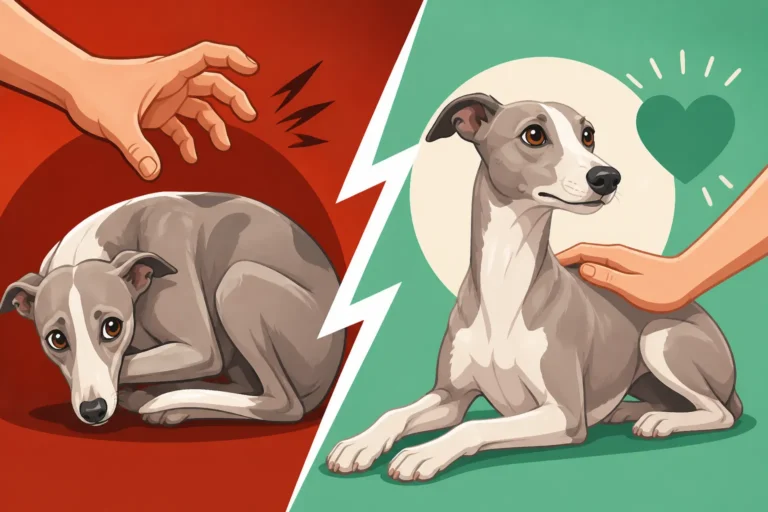
The "terrible twos" (or more accurately, "terrible eights to thirty-six months") for a Whippet demand an extra dose of patience. It's easy to get frustrated when your dog seems to forget everything they learned. But scolding or harsh corrections are rarely effective with a sensitive breed like the Whippet and can actually damage your bond and make them shut down. Remember, How a Whippet Learns When It Bruises From Pressure. Instead, focus on consistency. Keep practicing those basic commands daily, even if it's just for a few minutes. Reward good choices lavishly.
Positive reinforcement is key. Catch them doing something right and reward it! If they lie calmly on their bed, toss them a treat. If they check in with you on a walk, praise them enthusiastically. This helps reinforce the behaviors you want to see. If your Whippet is suddenly "selectively deaf," go back to basics. Practice recall in a low-distraction environment, slowly increasing the challenge. Consider enrolling in a new class or an online program like BAXTER & Bella, which provides ongoing support and fresh ideas for tackling adolescent challenges.
Providing Appropriate Outlets for Energy
An under-exercised or under-stimulated adolescent Whippet will often create their own "fun," and that rarely aligns with your home décor. While they are renowned couch potatoes as adults, their adolescent energy needs to be channeled appropriately. Regular, safe opportunities to run are crucial. This might mean secure, privately rented fields, or carefully selected dog parks if you are confident in your Whippet's behavior and the park's safety. However, remember the warnings about Where a Whippet Can Safely Run Off Leash.
Beyond physical exercise, mental stimulation is equally important. Puzzle toys, snuffle mats, short training sessions, and even just exploring new places on a leash can tire out a Whippet's brain as effectively as a sprint session. Teach them new tricks. Engage them in nose work games around the house. A tired Whippet, both physically and mentally, is much more likely to be a calm, well-behaved housemate. Don't forget that this stage is also where they might start to enjoy dog sports like lure coursing, which taps directly into their natural instincts and is a fantastic energy outlet.
The Lifelong Learner: Even Mature Whippets Keep Growing
Even after they reach that sweet spot of mental maturity, typically between 2 and 3 years old, a Whippet's development doesn't truly stop. They continue to learn, adapt, and evolve throughout their lives, right into their golden years.
Senior Whippets: A Different Kind of Wisdom
As Whippets enter their senior years, typically around 8-10 years old, you'll see another shift in their maturity. This isn't just a physical slowing down; it's a deepening of their wisdom and a refinement of their personality. They become even more attuned to your routines, often anticipating your needs or moods. While they might not be as physically agile, their mental sharpness can remain impressive, especially if they've been kept engaged throughout their lives. Caring for a Caring for an Old Whippet That Feels the Cold becomes paramount.
Senior Whippets often become the most wonderful companions, embodying a calm, affectionate presence. They might still enjoy a short burst of speed in the yard, proving that Whether an Old Whippet Still Wants to Run, but they'll be just as happy curled up next to you on the sofa. This final stage of maturity is a testament to the strong bond you've built over the years, and a gentle reminder of the long and fulfilling journey you've shared. The Twelve to Fifteen Years a Whippet Lives are filled with these evolutions, from boisterous puppy to dignified elder.
Continuous Learning and Enrichment
Maturity isn't the end of learning for a Whippet; it's simply a new chapter. Keeping your adult and senior Whippet mentally stimulated is crucial for their well-being. Continue with training refreshers, introduce new tricks, or explore dog sports you haven't tried before. Many adult Whippets excel at things like scent work or even advanced obedience, proving that How Quickly a Whippet Learns isn't just for puppies.
Even simple daily activities can be enriching. Taking different routes on walks, introducing new toys, or even just engaging in interactive play sessions keeps their minds sharp and prevents boredom. A mentally active Whippet is a happier Whippet, regardless of age. Embrace the journey of lifelong learning with your Whippet, and you'll find that their maturity deepens into a rich, complex companionship that truly makes them "the poor man's racehorse" in spirit and grace.
Disclaimer
This article is for general informational purposes only and does not constitute professional advice. Laws, prices and regulations vary by location and change over time. Consult a qualified professional for guidance on your specific situation.