Whether a Whippet Needs a Blanket to Burrow Under
If you've ever found your beloved Whippet nestled deep under a pile of blankets, nose tucked in, barely a twitch of a tail visible, you're not alone. Many Whippet owners wonder if this adorable burrowing behavior is just a quirky habit or a genuine need for comfort and warmth. This guide dives deep into why your Whippet loves to cocoon themselves, whether it's truly necessary, and how you can ensure they have the coziest, safest sleeping arrangements possible.
The Innate Need to Nest: Why Whippets Seek the Covers
It’s easy to look at our sleek, elegant Whippets and forget their origins. They might be refined companions now, but at heart, they are still sighthounds, bred for speed and efficiency, not for accumulating insulating layers of fat. This fundamental characteristic plays a massive role in their desire to burrow, creating a compelling need that goes beyond mere preference.
Physiological Drive for Warmth
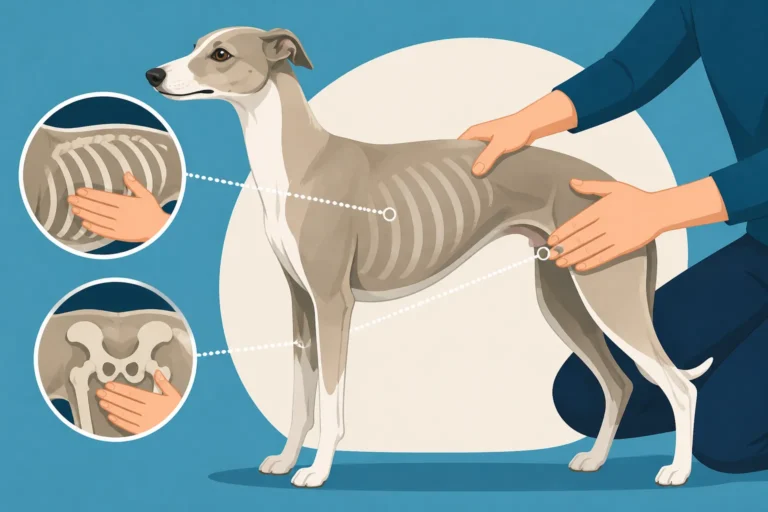
One of the most significant reasons Whippets are drawn to blankets is their physiological makeup. They possess very little body fat, and their short, fine coats offer scant protection against the cold. Unlike breeds with thick double coats, a Whippet’s skin is practically right there, feeling every drop in temperature. Think about it: when you get cold, what’s your first instinct? To grab a blanket, pull on a sweater, or huddle up. Your Whippet's instinct is no different. They don't have the luxury of a built-in winter coat, so they rely on external warmth. This isn't just about feeling a bit chilly; it's about maintaining their core body temperature, especially when at rest. A cold dog can expend a lot of energy just trying to stay warm, which is simply not efficient or comfortable. This lack of natural insulation is why we often find ourselves shopping for The Wardrobe a Whippet Needs Because It Has No Body Fat for outdoor excursions, but it's just as crucial indoors.
The Comfort of a Den
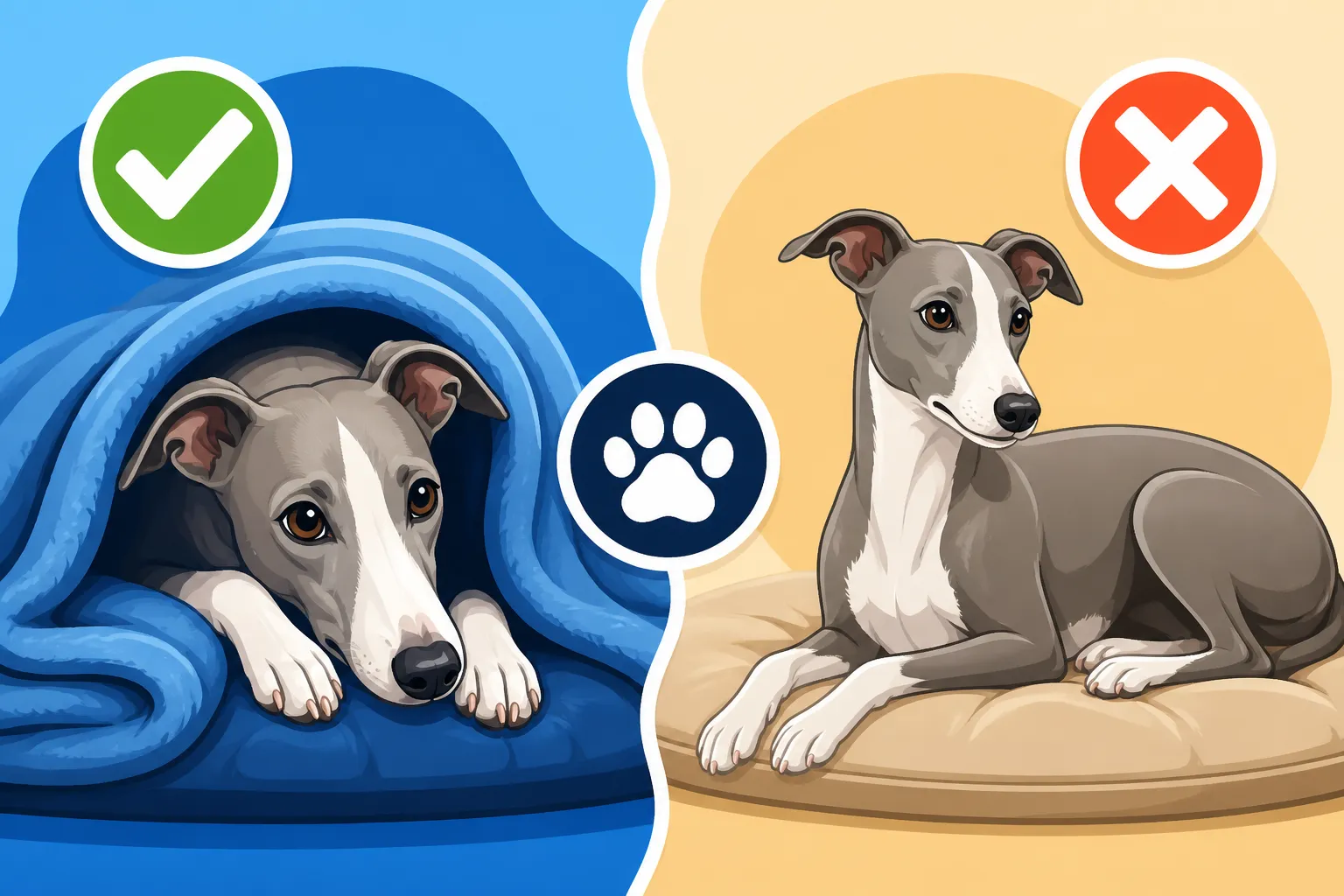
Beyond just warmth, burrowing taps into a primal instinct for security and safety. In the wild, canids seek out dens – enclosed, dark, and protective spaces where they feel safe from predators and the elements. While our Whippets live pampered lives in our homes, that ancient instinct remains. A pile of blankets mimics the feeling of a secure den. It provides a sense of enclosure, blocking out perceived threats or overwhelming sensory input, making it a perfect sanctuary for relaxation. When your Whippet burrows deep, they are creating their own little cave, a safe haven where they can truly switch off and rest without feeling exposed. This is particularly true for many sighthounds, who can be sensitive souls and appreciate a secure space to retreat to. It's a behavior seen across many breeds, but it's especially pronounced in Whippets because of their lean physique and often sensitive nature.
Sleep Styles and Deeper Rest
Have you ever noticed the rather creative The Positions a Whippet Sleeps In? They often contort themselves into pretzel-like shapes, stretching out long one moment and curled into a tight ball the next. When they burrow, they're not just getting warm; they're settling into a position that allows for deeper, more undisturbed sleep. Being completely enveloped can help them achieve that profound state of rest that allows them to truly recharge after a day of being a "forty-mile-an-hour couch potato." It's not just about a quick nap; it's about the deep, restorative sleep that helps maintain their energy and overall well-being. Considering that Why a Whippet Sleeps More Than Most Breeds, providing them with the ideal conditions for quality sleep is paramount to their health and happiness.
Picking the Perfect Pile: Types of Blankets and Bedding for Your Whippet
So, if burrowing is so essential, what kind of blankets should you provide, and where should you put them? It's not just about throwing any old rag at them; thoughtful selection can make a big difference in their comfort and your peace of mind.
Material Matters for Whippets
When choosing blankets for your Whippet, think soft, warm, and durable. Fleece is often a go-to for its lightweight warmth and washability. Faux fur blankets can offer an extra layer of luxurious softness, mimicking the feeling of being snuggled up with a littermate. Wool blends are also excellent for warmth, though they might require more careful cleaning. The key is to avoid anything rough or scratchy that could irritate their delicate skin. Because A Whippet Has No Insulation and No Padding, they appreciate softness against their lean bodies.
Here's a quick comparison of common blanket materials:
| Material | Pros for Whippets | Cons for Whippets | Washing Care |
|---|---|---|---|
| Fleece | Soft, warm, lightweight, dries fast, affordable | Can pill over time, may not be as durable as others | Machine wash cold, tumble dry low |
| Faux Fur | Very soft, luxurious feel, excellent warmth, good for nesting | Can be bulky, may shed, higher price point | Machine wash cold (gentle), air dry or no heat |
| Wool Blend | Excellent warmth, breathable, durable, moisture-wicking | Can be expensive, may shrink if not washed correctly | Hand wash or delicate cycle cold, lay flat to dry |
| Cotton | Breathable, soft, easily washable, good for layering | Less insulating than fleece/wool, can get damp quickly | Machine wash warm/hot, tumble dry medium |
You'll find a fantastic selection of all these types on sites like Chewy or Amazon, allowing you to compare options and read reviews from other pet parents.
Quantity and Placement
One blanket is rarely enough for a dedicated burrower. Many Whippet owners find themselves with a "blanket surplus" because their dogs love to have multiple options to arrange and nest in. You might want several: one for their main bed, one draped over the sofa where they nap, and another in their crate or a quiet corner. This gives them choices and ensures they can always find a cozy spot, no matter where they choose to settle down.
Placement is just as crucial as the blanket itself. Consider putting a soft, warm blanket inside their main dog bed. For Whippets who truly appreciate being covered, you might even gently drape a lightweight blanket over them once they've settled, especially at night. This practice ties into the question of Whether a Whippet Should Be Covered at Night – many thrive on it. Don't worry about them getting trapped; a healthy Whippet can easily push off a blanket if they get too warm or need to move.
For those chilly evenings or when they’re feeling a bit under the weather, a thick, plush blanket can offer significant comfort. It also helps protect furniture if your Whippet is prone to shedding a little or bringing in dirt, though Whippets are generally quite clean dogs, and Why a Whippet Barely Smells is one of their many perks!
Beyond the Blanket: Cultivating a Comprehensive Comfort Zone
While blankets are essential for a burrowing Whippet, true comfort comes from a holistic approach to their environment. It’s about creating a home where they always feel warm, safe, and secure, from floor to ceiling.
The Importance of Proper Bedding
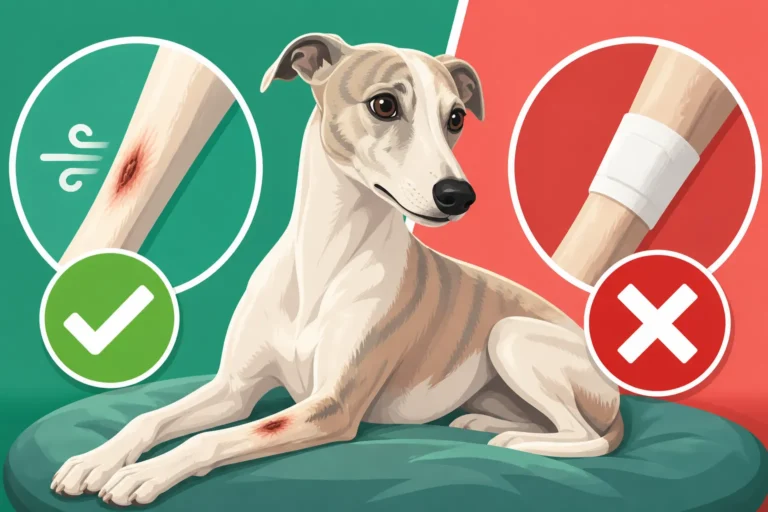
A blanket is an accessory; a proper bed is a necessity. Given their lack of padding, Why a Whippet Cannot Sleep on a Hard Floor isn't just about discomfort – it can lead to pressure sores on prominent bony areas like elbows and hips. Invest in high-quality, orthopedic dog beds that provide excellent cushioning. Memory foam is often a fantastic choice, conforming to their body and distributing weight evenly. Many Whippet owners find themselves accumulating multiple beds because their dogs insist on having a cozy spot in every main living area. It's a running joke in the Whippet community how many beds we end up buying! How Many Beds a Whippet Needs in a House can often be surprisingly high.
Even with a great bed, a soft blanket on top adds that extra layer of nestability. It allows them to "make their bed" exactly how they like it, arranging the fabric to create the perfect pocket of warmth. Consider bolsters around the edge of their bed, too, as these provide a supportive headrest and another barrier against drafts.
Environmental Temperature Control
Beyond blankets and beds, regulating your home's temperature is vital. Whippets are highly sensitive to cold, so keeping your living space comfortably warm, especially during colder months, is important. This doesn't mean you need to crank up the thermostat to tropical levels, but avoiding drafty areas or cold floors is key.
Conversely, while they love warmth, Whippets can also overheat. In summer, ensure they have access to cooler spots, plenty of fresh water, and avoid over-blanketing. How a Whippet Handles Summer Heat is something to be mindful of; a thin blanket for security might be fine, but a heavy one could be too much. You might even find them foregoing the burrowing entirely in favor of stretching out on a cool tile floor on particularly hot days.
Understanding Telling a Cold Whippet From a Nervous One is also crucial. Sometimes, shivering isn't just about being cold; it can be a sign of anxiety or stress. If your Whippet is shivering but is in a warm room with blankets, consider other factors that might be causing distress.
Creating Safe, Quiet Retreats
A comprehensive comfort zone also includes designated quiet spaces. A crate, properly introduced and made inviting, can become a wonderful den, especially with soft bedding and, yes, a blanket to burrow under. This is particularly useful for sensitive dogs or when you have guests and your Whippet needs a safe place to retreat.
You might also consider allowing your Whippet on the furniture. Many owners find their Whippets naturally gravitate to sofas and armchairs, especially if they are covered in soft throws. This provides elevation away from cold floors and offers another opportunity for them to nestle into soft fabrics. Whether a Whippet Should Be Allowed on Furniture is often a question of personal preference, but for many Whippet owners, it becomes a given due to their dog's need for comfort.
Managing the Burrowing Behavior: Tips and Troubleshooting
While burrowing is a natural and often charming Whippet trait, there are times you might have questions or need to troubleshoot specific situations.
When Burrowing Becomes Destructive
Most Whippets will simply rearrange blankets, but some might get a bit more enthusiastic, leading to chewing or shredding. If you notice your Whippet chewing on blankets, first consider why. Are they bored? Stressed? Teething (if a puppy)? Or is it just an overzealous attempt to make the "perfect" nest?
If it's boredom or stress, increasing exercise, providing more mental stimulation (puzzle toys, training sessions), or addressing anxiety might help. If it's a nesting instinct that's gone a bit too far, try providing blankets made of more durable materials, or offer specific chew toys as an alternative. Sometimes, a thicker, more robust blanket can stand up to their efforts better than a flimsy one. You can look for blankets designed for heavy chewers on pet supply sites, keeping in mind that no fabric is truly indestructible. This situation can be similar to Whether a Whippet Chews Its Own Coat if they develop a nervous habit.
Preventing Overheating
It's natural to worry about your Whippet getting too hot when they're buried under a mound of blankets. However, dogs are generally quite good at regulating their own temperature. If they get too warm, they'll usually emerge from the blankets, stretch out, or seek a cooler spot.
The main times to be vigilant are:
- In very warm rooms: If your house is already quite warm, a heavy blanket might be excessive.
- After intense exercise: A dog that is still warm from a run might not immediately need to burrow in thick blankets.
- If your Whippet has health issues: Dogs with certain medical conditions, especially respiratory or cardiac issues, might struggle more with temperature regulation. Always consult your vet if you have concerns.
For most healthy Whippets, they will self-regulate. Providing a mix of bedding options – some heavy, some lighter – allows them to choose what feels best. Remember, if they start panting excessively, seem lethargic, or show other signs of discomfort, it’s time to intervene and help them cool down.
Travel and Transient Comfort
The need to burrow doesn't stop when you leave home. If you travel with your Whippet, bring their favorite blankets. Having familiar scents and comforting objects can significantly reduce stress in new environments. A soft blanket can make a hotel room or a friend's house feel more like home, providing that much-needed sense of security. Whether it's in a car crate or a portable dog bed, having their "nesting materials" on hand is crucial for their well-being on the go.
Providing blankets for your Whippet isn't just an indulgence; it’s a recognition of their unique physiological and psychological needs. From their lean bodies craving warmth to their primal instinct for a safe den, a good pile of blankets offers comfort, security, and the deep, restorative sleep essential for a happy, healthy Whippet. So go ahead, let them burrow. They’re just being a Whippet.
Disclaimer
This article is for general informational purposes only and does not constitute professional advice. Laws, prices and regulations vary by location and change over time. Consult a qualified professional for guidance on your specific situation.