Why a Whippet’s Elbows Go Bald
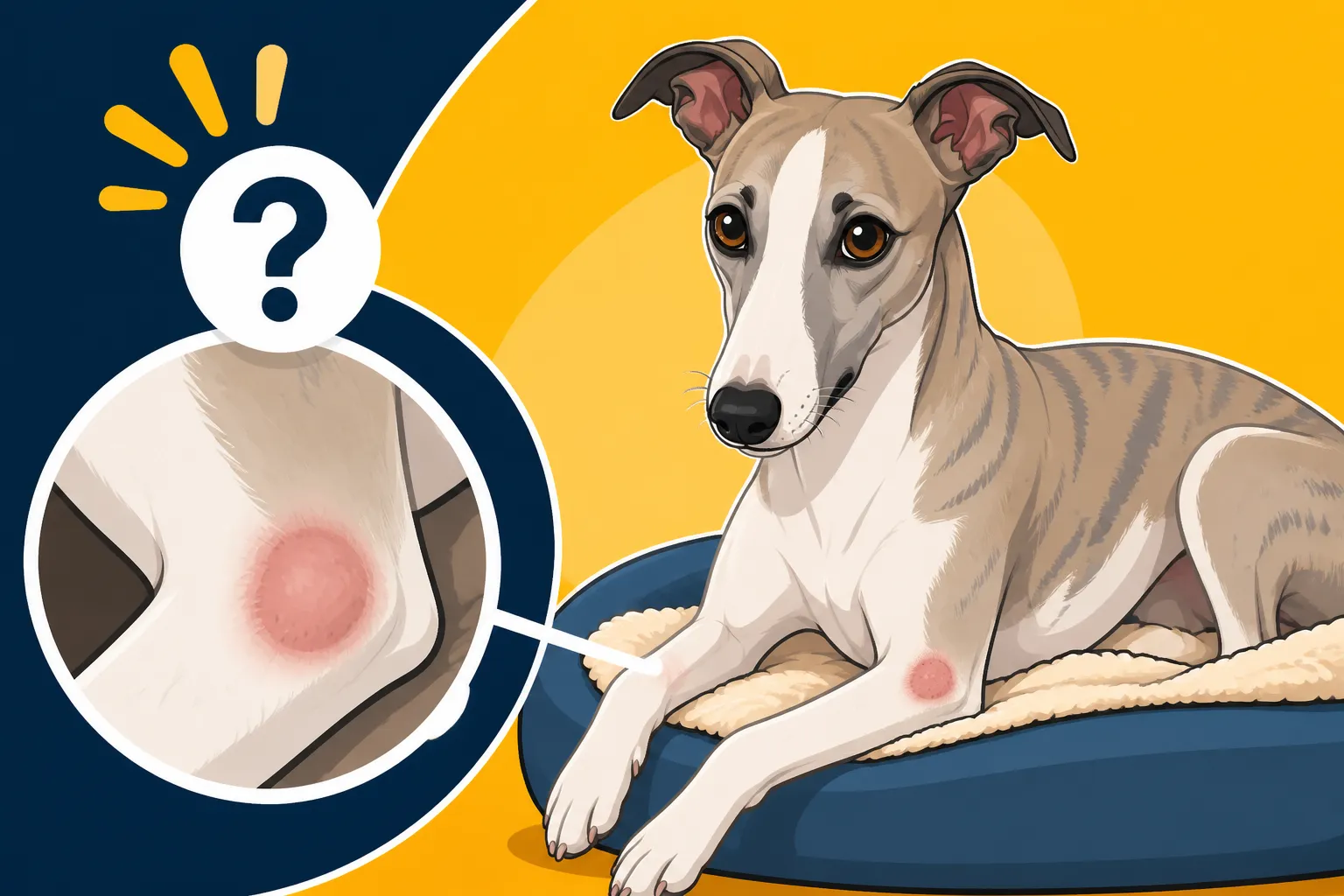
If you've spent any time at all with a Whippet, you've probably noticed it: those tell-tale bald patches forming right on their bony elbows. It's a common sight that can make us worry, wondering if our beloved sighthound is uncomfortable or if there's a deeper health issue at play. Rest assured, in many cases, bald elbows are a normal, if unsightly, part of Whippet ownership, and this guide will walk you through exactly why it happens and what you can do to keep those delicate joints happy and hairy.
Understanding the Whippet's Unique Physique
Whippets are truly unique creatures, built for speed and grace, not for excessive padding. Their sleek, athletic build is part of their charm, but it also means they don't have the same cushioning other breeds might. This distinct physique plays a huge role in why those elbows end up bare.
The Lack of Natural Padding
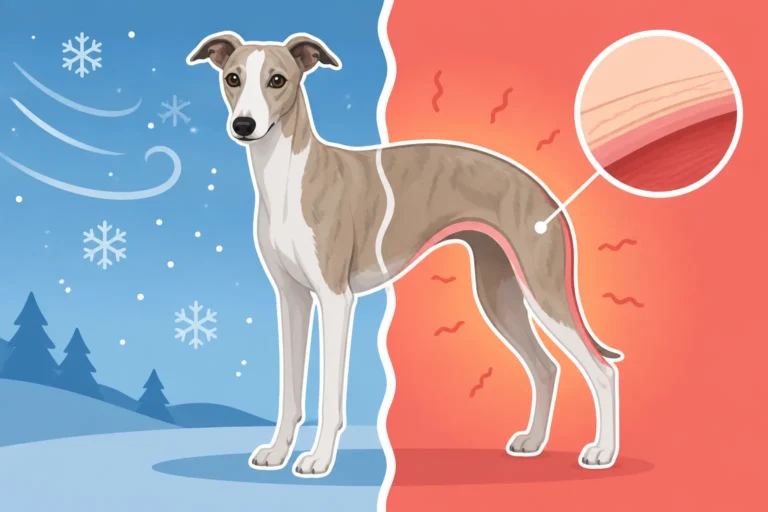
Imagine a finely tuned racing car – every ounce of unnecessary weight is stripped away for optimal performance. That's essentially your Whippet. They possess an incredibly lean body composition, characterized by minimal body fat and a very fine coat. This isn't a flaw; it's a testament to their sighthound heritage, designed for bursts of incredible speed. Unlike some breeds that carry a thick layer of subcutaneous fat to act as a cushion, Whippets simply don't have that natural protection. Their skin lies very close to their muscle and bone, particularly over prominent joints.
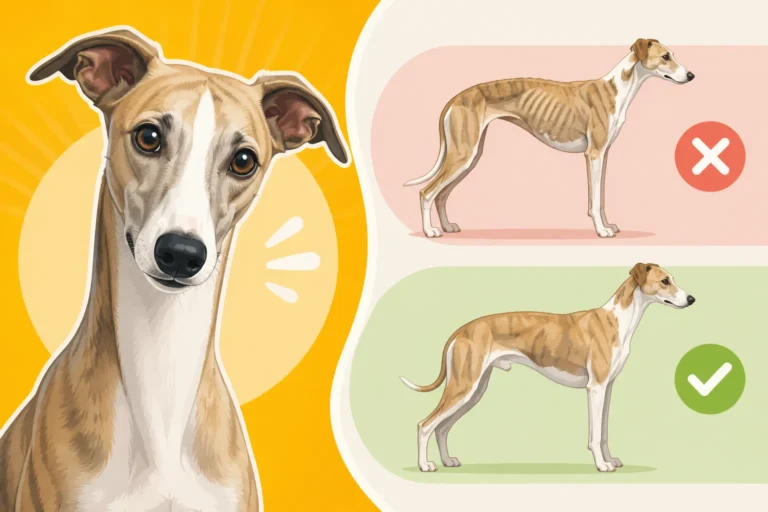
When you look at your Whippet, you can often see their ribs quite clearly, and feel their hip bones with ease. This is actually a sign of a healthy Whippet, not an underfed one, and it highlights just how little natural insulation and padding they have. This lack of inherent cushioning means that when they lie down, those bony parts are directly pressing against whatever surface they choose. Without that soft buffer, the skin and hair follicles take the brunt of the pressure, making them vulnerable to wear and tear. A Whippet Has No Insulation and No Padding delves deeper into just how little body fat these elegant dogs possess.
Bony Prominences and Contact Points
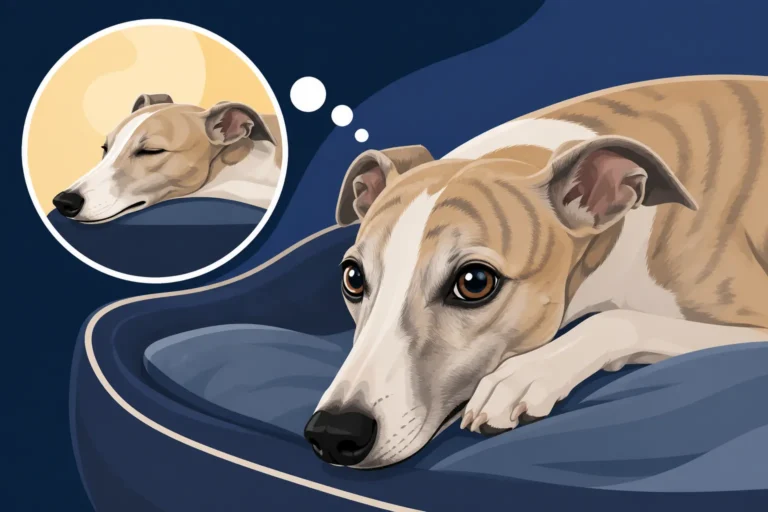
Because of their lean build, certain areas on a Whippet's body are naturally more prominent. These are the points that invariably make contact with the ground when your dog rests. Think about it: when your Whippet curls up for a nap, or stretches out luxuriously on the living room floor, certain parts of their skeleton are bearing the majority of their weight. The elbows, or olecranon processes, are prime examples of these bony prominences.
Other common contact points include the hocks (the equivalent of an ankle joint on their hind legs), and sometimes even the hips. When a Whippet lies on its side, the hip bone can press into the surface, and if they sleep stretched out on their tummy, their front elbows and chest will be the main points of contact. Over time, these consistent pressure points create a localized area of stress on the skin. The constant friction and compression restrict blood flow to the hair follicles in these specific spots, making it difficult for hair to grow and thrive. This leads directly to the thinning and eventual baldness we observe.
The Mechanics of Hair Loss on Elbows
It’s not just about a lack of padding; there's a specific process that leads to those bald elbows. It’s a classic case of cause and effect, where repeated physical stress on the skin triggers a defensive response from the body that, unfortunately, results in hair loss.
Constant Pressure and Friction
Every time your Whippet lies down on a hard or abrasive surface, their bony elbows are subjected to pressure and friction. Imagine rubbing a patch of skin on your own arm against a rough surface repeatedly throughout the day. You’d quickly notice irritation, redness, and eventually, the hair thinning or disappearing. The same principle applies to your Whippet's elbows, but it's compounded by their delicate skin and minimal natural padding.
This constant mechanical stress disrupts the normal hair growth cycle. Hair follicles need a healthy blood supply and a stable environment to produce strong, growing hairs. When they are constantly compressed and rubbed, blood flow is reduced, and the follicles become inflamed or damaged. Over time, they simply stop producing hair, or the hair they do produce is weak and easily shed. This isn't a sudden event; it's a gradual process that accumulates with every nap on the hardwood floor or stretch on the patio. It’s a silent, persistent attack on those delicate follicles, leading to the gradual loss of their protective covering.
Callus Formation and Skin Thickening
As the body recognizes this repeated trauma to the skin over the elbows, it initiates a protective response. Just like our hands might form calluses if we engage in manual labor, a Whippet's elbows will thicken in an attempt to shield the underlying bone and tissue. This process is called hyperkeratosis, where the outer layer of skin (the epidermis) produces excess keratin, making the skin tough, leathery, and often darker in color.
While calluses serve as a natural armor against further damage, they come with a downside: they are typically hairless. The thickened, dense skin environment is not conducive to hair growth. The follicles are essentially suffocated or pushed out by the rapidly multiplying skin cells. So, not only does the initial pressure cause hair loss, but the body's own attempt to protect itself further solidifies the bald state of the elbows. These calluses can range from small, barely noticeable patches to large, thick, and sometimes cracked areas, especially in older dogs or those who spend a lot of time on particularly unforgiving surfaces. For more details on where these tough spots tend to form, check out Where a Whippet Develops Pressure Calluses.
Common Surfaces and Their Impact
Not all resting spots are created equal for a Whippet's delicate elbows. The type of surface your dog habitually chooses can significantly influence the severity and speed with which those bald patches develop. Understanding which surfaces are problematic is key to mitigating the issue.
Hard Floors and Unpadded Crates
The biggest culprits when it comes to bald elbows are undeniably hard, unyielding surfaces. Think about walking barefoot on concrete versus a plush carpet. One offers a soft give, while the other is completely unforgiving. For a Whippet, lying on surfaces like hardwood, tile, linoleum, or bare concrete is akin to constantly pressing their bony elbows against a rigid block. These materials offer no shock absorption, concentrating all the pressure directly onto the small surface area of the elbow joint.
Similarly, an unpadded crate floor can be a major contributor. While crates are excellent tools for training and safety, an empty plastic or wire tray offers zero cushioning. If your Whippet spends significant time in a crate without a thick, comfortable bed, their elbows, hips, and hocks will suffer. This constant, direct pressure not only abrades the skin but also restricts blood flow to the hair follicles, making it nearly impossible for hair to grow. It’s a constant battle against gravity and an unyielding surface, a battle the hair follicles are destined to lose. To understand why such surfaces are so detrimental, you might find Why a Whippet Cannot Sleep on a Hard Floor helpful.
Rough Textures and Abrasion
It's not just the hardness of a surface that causes problems; texture plays a significant role too. Even if a surface isn't rock-hard, if it's rough or abrasive, it can contribute to elbow baldness through constant friction. Consider thin, worn carpets, outdoor patios with textured stones, or even some types of coarser blankets that might seem soft at first glance but cause micro-abrasions over time.
Each time your Whippet shifts position, stands up, or lies back down on these surfaces, there's a slight rubbing action. This repetitive friction acts like sandpaper on their fine, thin skin and delicate hair. While a single instance might not cause damage, over weeks and months, this constant rubbing wears down the hair shaft, weakens the follicle, and eventually leads to hair loss. The skin can also become irritated and dry, exacerbating the problem. Even seemingly innocuous materials can become problematic if they are consistently rubbing against the same sensitive spots.
Preventing and Managing Bald Elbows
The good news is that preventing and managing bald elbows in your Whippet is entirely possible, primarily through thoughtful environmental adjustments and a bit of proactive care. It’s all about creating a softer, more forgiving world for your delicate sighthound.
The Importance of Plush Bedding
This is perhaps the single most important step you can take. Your Whippet needs comfortable, deeply cushioned places to rest, and they need them everywhere. The goal is to distribute pressure away from those bony prominences. Orthopedic beds, especially those made with memory foam, are fantastic choices because they contour to your dog's body, providing superior support and cushioning.
Think beyond just one main bed. Whippets are notorious for following their people from room to room. If you want to protect their elbows, you need to provide soft landing spots in every area where they typically rest. Layering is also a great strategy: a thick dog bed topped with a soft fleece blanket provides extra loft and warmth, which Whippets adore. Don’t skimp on quality here; a cheap, thin bed will quickly flatten and offer little protection. Brands found on platforms like Chewy or Amazon often offer a wide range of high-quality, orthopedic options designed for dogs of all sizes, ensuring you can find something that truly cradles your Whippet's slender frame. Why a Whippet Needs Soft Bedding Everywhere offers even more insights into the types of bedding that make a real difference.
Environmental Modifications
Beyond dedicated beds, making small changes to your home environment can significantly reduce the risk of bald elbows. Look around your house through your Whippet's eyes. Where do they lie when they're not in their bed? Is it on the cool tile in the kitchen, or the sunny spot on the hardwood floor? These are the areas that need attention.
Strategically place rugs, soft mats, or even spare blankets in these favorite resting spots. For example, if your Whippet loves to sprawl out near the back door, lay down a soft throw rug. If they frequently choose the uncarpeted hallway for a quick snooze, add a runner. The aim is to make it inconvenient for them to choose a hard surface. You can also gently redirect them to a soft bed when you notice them settling on a hard floor. Over time, they’ll learn that the plush options are far more comfortable. Providing options in every room means they don't have to choose between being near you and being comfortable. This proactive approach ensures that wherever your Whippet decides to plop down, their elbows are protected. You might be surprised by just How Many Beds a Whippet Needs in a House to truly cover all their bases!
Protective Gear and Skin Care
For Whippets with existing, stubborn bald patches or calluses, or those particularly prone to them, you might consider additional protective measures and specific skin care. Elbow sleeves or wraps are available for dogs, designed to provide a soft barrier over the affected area. However, these should be used with caution and often under veterinary guidance, as ill-fitting wraps can cause more problems like chafing or circulation issues. They are typically more suited for temporary use or in severe cases rather than general prevention.
Regularly inspecting your Whippet's elbows and applying a moisturizing balm can also be beneficial. Look for dog-specific balms containing ingredients like shea butter, coconut oil, or vitamin E to keep the skin supple and prevent it from becoming dry and cracked. Cracked calluses can be painful and are entry points for infection. If you notice any signs of inflammation, redness, or cracking, it’s definitely time for a vet visit. Even a simple, safe lotion available on Amazon can help keep the skin hydrated and more resilient.
Differentiating From Other Skin Issues
While bald elbows are often a benign issue caused by pressure, it's crucial for Whippet owners to be vigilant and know when to seek professional veterinary advice. Not all hair loss on the elbows (or anywhere else on the body) is due to calluses.
Ruling Out Medical Conditions
Other medical conditions can cause hair loss (alopecia) on a Whippet’s body, including on the elbows. It’s important not to automatically assume it’s a pressure callus, especially if the hair loss is accompanied by other symptoms or appears in unusual areas. For instance, skin infections caused by bacteria or fungi (like ringworm) can lead to patchy hair loss, redness, and itching. Parasites, such as Demodectic mange, can also cause localized or generalized hair loss without much itching.
Allergies, whether environmental or food-related, might manifest as itchy skin, leading to your Whippet licking or chewing at their elbows, which then causes hair loss. Hormonal imbalances, such as hypothyroidism or Cushing's disease, can result in symmetrical hair loss over the body, often sparing the head and limbs initially but potentially affecting areas like the elbows over time. While Whippets are generally healthy dogs, they are not immune to these issues. Their The Thin Skin That Sends a Whippet to the Vet for Stitches can sometimes be more vulnerable to various external factors, making careful observation key.
When to Consult Your Veterinarian
So, how do you know if it's just a normal Whippet bald spot or something more serious? The key is to look for accompanying signs and changes in the skin or your dog’s behavior. You should absolutely consult your veterinarian if you observe any of the following:
- Redness, inflammation, or swelling: Normal calluses might be darker, but they shouldn't be red or hot to the touch.
- Cracked or bleeding skin: If the calluses become so thick and dry that they crack, they can be painful and are prone to infection.
- Pus or discharge: Any sign of infection requires immediate veterinary attention.
- Itching or excessive licking/chewing: If your Whippet is constantly bothering the area, it's likely more than just a pressure callus.
- Widespread hair loss: If hair loss is occurring in multiple areas beyond the usual pressure points, or spreading rapidly, it warrants investigation.
- Fever or lethargy: These are systemic signs that something more serious might be going on.
Your vet can perform a thorough examination, and if necessary, conduct diagnostic tests such as skin scrapings, fungal cultures, or blood work to rule out underlying medical conditions. Early diagnosis and treatment are always best. Keeping an eye on The Bloodwork Numbers That Look Wrong on a Healthy Whippet can also be part of a proactive health approach, ensuring you're aware of any internal shifts.
Bedding Material Comparison for Whippets
To help you choose the best bedding for your Whippet and understand what to avoid, here's a quick comparison of common materials:
| Bedding Type | Pros | Cons | Suitability for Whippet Elbows |
|---|---|---|---|
| Memory Foam Orthopedic | Excellent pressure distribution, contours to body, durable. | Can be expensive, some dogs find it too warm. | Excellent |
| Plush Faux Fur/Sherpa | Very soft, cozy, good insulation, inviting. | Can flatten over time, might not offer deep orthopedic support alone. | Good (especially as a topper) |
| Thick Polyester Fiberfill | Generally affordable, soft initially. | Compresses easily over time, can create lumps, offers less consistent support than foam. | Fair to Good (needs frequent fluffing/replacement) |
| Thick Fleece Blankets | Versatile, washable, soft, affordable. | No structured support, needs to be folded thickly, can bunch up. | Good (as a supplemental layer) |
| Bare Crate Tray/Plastic | Easy to clean. | Offers no padding, hard on joints, causes pressure sores. | Poor (Avoid) |
| Thin, Worn Carpet | Slightly softer than bare floor. | Minimal padding, abrasive texture, wears down hair over time. | Poor |
| Hardwood/Tile/Concrete | Cool in summer. | No give, maximizes pressure on bony prominences, direct cause of bald elbows and calluses. | Poor (Avoid) |
Remember, the goal is always to provide a soft, supportive barrier between your Whippet's delicate elbows and any hard surface. Investing in good bedding is an investment in their comfort and long-term joint health. You can find many options from pet supply retailers like Chewy, or on larger marketplaces like Amazon, that cater specifically to the needs of sighthounds or senior dogs requiring extra joint care.
Disclaimer
This article is for general informational purposes only and does not constitute professional advice. Laws, prices and regulations vary by location and change over time. Consult a qualified professional for guidance on your specific situation.