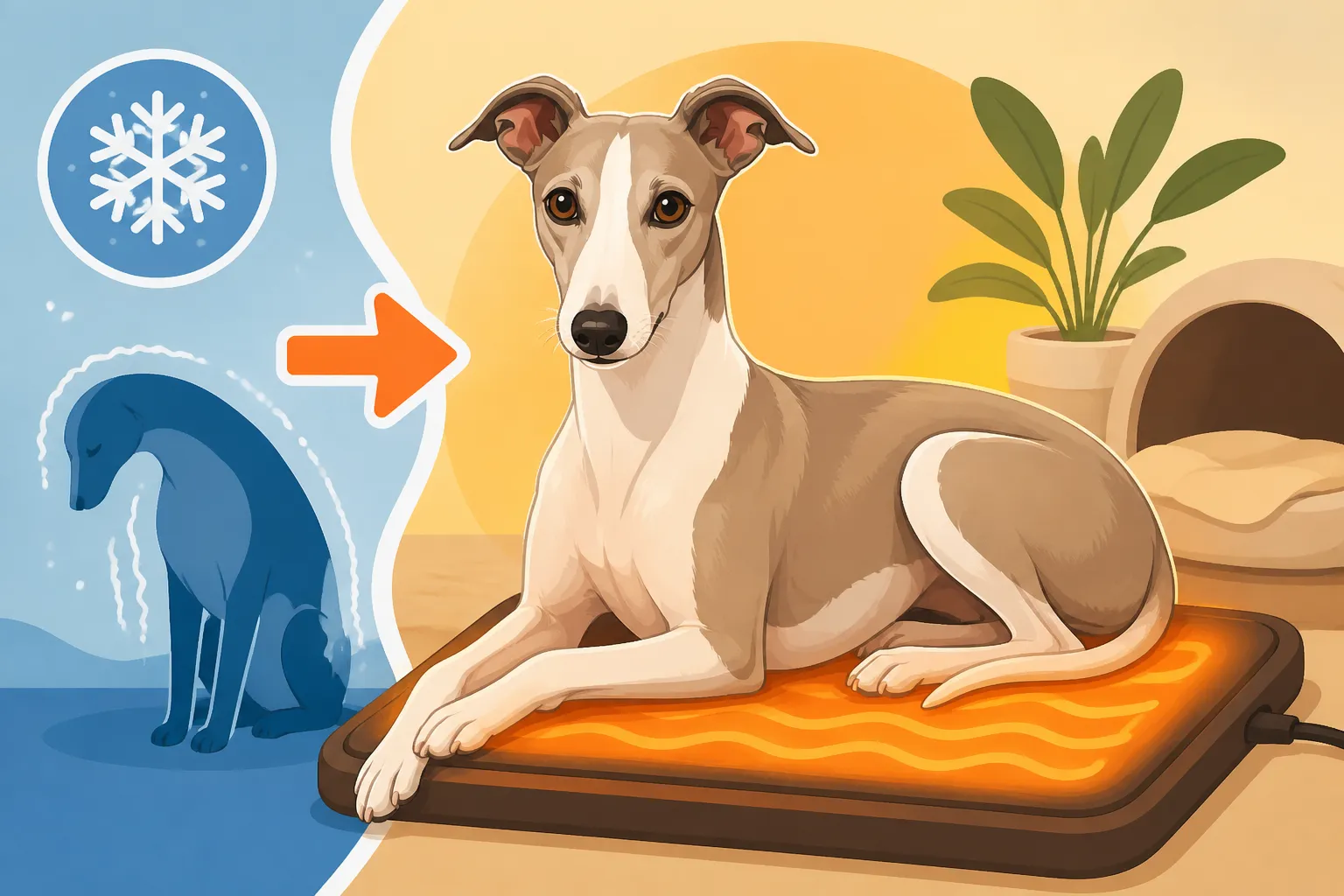
Whether a Whippet Needs a Heated Pad
Anyone who shares their home with a Whippet knows that these elegant creatures aren't exactly built for braving the elements, or even a chilly living room. Their sleek, unpadded physique means they feel the cold deeply, leading many of us to wonder if a heated pad might be the ultimate cozy solution for our shivering companions. This guide will explore whether a heated pad is truly necessary for your Whippet, the benefits it offers, and what to consider before making a purchase.
Understanding Your Whippet's Unique Thermal Needs
It's not just a stereotype; Whippets really do get cold easily. Their physiology is simply not designed for insulation, making them acutely sensitive to lower temperatures, both indoors and out. If you've ever felt guilty for turning down the thermostat, you're not alone!
Why Whippets Get Cold So Easily
Let's be honest, our Whippets are basically living radiators trying to keep warm. Unlike many breeds with thick double coats or ample subcutaneous fat, Whippets possess incredibly thin skin and a minimal layer of body fat. They are built for speed, not for surviving a blizzard. Imagine wearing only a thin t-shirt in winter – that's often how a Whippet experiences an unheated or drafty environment. Their short, fine hair offers little to no insulation, meaning their body heat dissipates rapidly. This is why you often find them burrowed deep under blankets or snuggled tightly against you, seeking out any available warmth. It's not just a preference; it's a physiological necessity. This lack of insulation is also why you'll often hear about A Whippet Has No Insulation and No Padding.
Signs Your Whippet Is Uncomfortably Cold
Observing your Whippet's behavior is key to understanding their comfort levels. A cold Whippet isn't always obvious with dramatic shivers, though that certainly happens. More subtle signs include seeking out sunbeams, no matter how faint, or trying to squeeze into the warmest nooks of your home, like behind a radiator or under a sofa cushion. They might curl into a very tight ball, tucking their nose under their tail, almost trying to make themselves as small as possible to conserve heat. Sometimes, they might be reluctant to leave their cozy spot, even for a walk or meal. You might also notice them being more lethargic than usual, or perhaps even a bit stiff when they do finally get up. It's important to differentiate these signs from genuine nervousness or fear, as sometimes a shivering dog might be anxious rather than just cold. As someone who has spent years with these dogs, I can tell you that learning to tell the difference, or even that they can be both, is a crucial part of living with a Whippet. For more on this, you might find Telling a Cold Whippet From a Nervous One insightful.
The Benefits and Considerations of a Heated Pad for Your Whippet
So, given their unique needs, is a heated pad the answer? For some Whippets, absolutely. For others, it might be an unnecessary luxury or even pose a slight risk.
Who Truly Benefits from a Heated Pad?
While all Whippets appreciate warmth, certain individuals stand to gain significantly more from a heated pad. Senior Whippets, for instance, are often prime candidates. As they age, their circulation can become less efficient, and many develop arthritis or other joint issues. The gentle, consistent warmth from a heated pad can provide immense relief for aching joints and stiff muscles, improving their comfort and mobility. Think of it as a constant, low-level warm compress for their whole body. If you're caring for an older Whippet, you'll know that Caring for an Old Whippet That Feels the Cold is a constant priority, and a heated pad can be a valuable tool in that care, especially once they reach The Age a Whippet Counts as a Senior.
Whippets recovering from surgery, illness, or injury can also benefit greatly. Warmth helps promote blood flow, which aids in healing, and the comforting sensation can reduce stress during a vulnerable time. Even for younger, healthy Whippets living in particularly cold climates or homes with drafty spots, a heated pad can offer an irresistible invitation to snuggle up and rest deeply. Anxious Whippets, too, might find the consistent, gentle warmth to be incredibly soothing, helping them relax and settle more easily.
Types of Heated Pads and Safety Features
Not all heated pads are created equal, and when it comes to your precious Whippet, safety is paramount. You'll primarily find a few types on the market:
- Electric Heated Pads: These are the most common and often feature internal heating elements. The best ones are specifically designed for pets, offering low voltage operation to prevent burns, chew-resistant cords to protect against electrical hazards, and often automatic shut-off timers for safety. Look for pads with internal thermostats that regulate temperature, ensuring it doesn't get too hot. They should also distribute heat evenly, without hot spots.
- Self-Warming Pads: These don't use electricity but contain reflective materials that capture and radiate your dog's own body heat back to them. They're a safer, albeit less intensely warm, alternative, great for mild chill or as a supplement to other warming methods.
- Microwavable Pads: These contain special heat-retaining gel or beads that you warm in the microwave. They offer temporary warmth and are excellent for travel or specific short-term needs, but the heat fades over time.
When selecting an electric pad, always prioritize pet-specific products. Human heating pads are generally too hot for continuous use on a dog's sensitive skin and lack the necessary safety features like chew-resistant cords. Remember, even a low voltage pad needs to be monitored, especially if your Whippet is prone to chewing. Brands like K&H Pet Products are well-known for their heated pet beds and pads, often incorporating robust safety features.
Potential Downsides and Overheating Risks
While heated pads offer wonderful benefits, they're not without considerations. The primary concern is the risk of burns or overheating. If a pad malfunctions, is left on too high a setting, or isn't designed for pets, it could potentially cause discomfort or even thermal burns to your Whippet's delicate skin, especially since they have such a fine coat and thin skin. Puppies and very old or infirm dogs may not be able to move away from an uncomfortable heat source as easily, increasing this risk.
Another potential downside is the development of dependency. If your Whippet always has access to a heated pad, they might become less tolerant of cooler temperatures in other areas of the house or when traveling. There's also the hazard of chewing, particularly for puppies or anxious dogs. A chewed electrical cord is a serious safety risk, potentially leading to electrocution or fire. Always ensure the pad has a robust, chew-resistant cord, and supervise your Whippet, especially when they are new to the pad. Lastly, consider the electricity cost, though most modern pet-specific pads are quite energy-efficient. Just as you need to be mindful of When a Whippet Overheats Under Its Coat during exercise, you need to be aware of overheating risks indoors with artificial heat sources.
Practical Alternatives and Complementary Comfort Strategies
A heated pad is just one tool in the Whippet owner's arsenal against the cold. There are many other effective ways to keep your sighthound toasty and comfortable, sometimes even better suited to their lifestyle.
Layering Up: Coats, Pajamas, and Blankets
One of the most immediate and effective ways to keep a Whippet warm is through clothing. Think of it as their personal, portable insulation. For walks in cooler weather, a well-fitting coat is essential. Not just any coat, though; Whippets have unique body shapes with deep chests and slender waists, so finding a coat that offers full coverage without restricting movement can be a quest. Brands that specialize in sighthound apparel often offer the best fit. For indoor lounging, especially in a cooler home, fleece pajamas or sweaters are a game-changer. These can provide continuous warmth, mimicking the feeling of being snuggled under a blanket. Many Whippets absolutely adore their pajamas and will happily wear them around the house, especially at night or on chilly mornings.
And then there are blankets – oh, the blankets! Whippets are natural burrowers, and a soft, plush blanket offers both warmth and a sense of security. Providing multiple blankets in their favorite sleeping spots encourages them to create their own cozy nests. You'll quickly learn that The Wardrobe a Whippet Needs Because It Has No Body Fat isn't just a suggestion, it's a way of life! You might even find yourself collecting quite a few, wondering How Many Coats a Whippet Actually Needs or Whether a Whippet Needs Pajamas for Sleeping.
Optimizing Bedding and Sleeping Arrangements
Beyond clothing, their sleeping environment plays a huge role. Whippets have very little natural padding, so they need soft, supportive bedding to prevent pressure sores and ensure comfort. Imagine sleeping on a hard floor yourself – it's uncomfortable and cold. For a Whippet, it can lead to bald spots on elbows and hocks, and even painful calluses. This is why Why a Whippet Cannot Sleep on a Hard Floor is such a critical point.
Invest in high-quality dog beds with ample cushioning. Memory foam or orthopedic beds are excellent choices, especially for older Whippets. Bolstered beds offer a sense of security and a place to rest their heads. Many Whippet owners find that their dogs appreciate beds in various rooms, allowing them to follow the warmth or the family throughout the day. And let's be honest, many Whippets prefer the ultimate comfort of the sofa or even your bed! Allowing them on furniture, especially with a soft blanket, provides a higher, warmer, and softer spot than the floor. You'll quickly discover that The Beds a Whippet Owner Keeps Buying is a recurring theme in a Whippet owner's life. Don't forget, most Whippets also absolutely love to Whether a Whippet Should Sleep Under a Blanket, so make sure they have access to one!
When shopping for beds and blankets, online retailers like Chewy offer a vast selection, making it easier to find options that cater to your Whippet's specific needs for softness and warmth.
Environmental Control: Heating Your Home Efficiently
Sometimes, the simplest solution is to address the ambient temperature of your home. Keeping your house at a comfortable temperature for your Whippet, especially during colder months, can significantly reduce their need for additional heat sources. Pay attention to drafty windows or doors and use draft stoppers. If possible, arrange your Whippet's sleeping areas away from direct drafts and closer to natural heat sources, like sunny windows (they are solar-powered, after all!).
Even if you prefer a cooler household, ensuring their designated sleeping spot is consistently warm can make a world of difference. This might involve placing their bed in a warmer room, or even just making sure that area is well-insulated. A well-heated home coupled with appropriate bedding and clothing can often negate the need for a dedicated heated pad, or at least reduce its reliance.
Making the Decision: Is a Heated Pad Right for Your Whippet?
Ultimately, the decision to get a heated pad for your Whippet comes down to a careful evaluation of their individual needs, your home environment, and a commitment to safety.
Assessing Your Whippet's Individual Needs
Start by truly observing your Whippet. Do they frequently shiver or seem reluctant to get up from their beds on colder days? Do they actively seek out warm spots? Consider their age and health. A senior Whippet with arthritis, or one recovering from surgery, has different needs than a young, healthy adult. For example, an older Whippet will likely Whether an Old Whippet Feels the Cold More and benefit significantly from extra warmth. Your home environment also plays a role – a house in a cold climate with poor insulation is different from a well-heated apartment.
If you have concerns about your Whippet's health or their ability to regulate temperature, especially for older or ill dogs, a conversation with your veterinarian is always a wise first step. They can offer personalized advice and help you rule out any underlying medical conditions. When considering vet visits for specific concerns or recovery, knowing you have pet insurance, such as through Healthy Paws, can provide peace of mind regarding potential costs.
Integrating a Heated Pad Safely and Effectively
If you decide a heated pad is right for your Whippet, proper integration and ongoing vigilance are crucial.
- Placement: Place the pad in a designated sleeping area, ideally where your Whippet already loves to snooze. Ensure it's on a flat, stable surface.
- Cover: Always use the provided cover, or place a soft blanket over the pad. This adds an extra layer of comfort and prevents direct contact with the heating element, further reducing burn risk.
- Supervision: Initially, supervise your Whippet closely when they use the pad. Watch for any signs of discomfort, excessive panting, or attempts to chew the cord.
- Temperature Control: If your pad has adjustable settings, start on the lowest setting and only increase if your Whippet seems to need more warmth. Most pet-specific pads are designed to provide a gentle, body-temperature warmth, not intense heat.
- Regular Checks: Periodically check the pad for any signs of damage, such as frayed cords or tears in the fabric. Unplug it when not in use, especially if you'll be away from home for an extended period.
A heated pad can be a wonderful luxury and a genuine comfort for many Whippets, transforming a chilly night into a truly restorative sleep. Just ensure you're prioritizing safety and their individual comfort above all else.
Pros and Cons of Heated Pads for Whippets
To help you visualize the decision, here's a quick overview:
| Feature | Heated Pad Benefits | Considerations & Alternatives |
|---|---|---|
| Warmth & Comfort | Provides consistent, direct heat; ideal for cold spots, senior dogs, and recovery; soothing for joints. | Risk of burns/overheating if not used properly; requires electricity; good quality coats, pajamas, and blankets are alternatives. |
| Therapeutic Use | Excellent for arthritis, post-surgical recovery, muscle stiffness; promotes relaxation. | May create dependency; regular veterinary care, appropriate exercise, and orthopedic beds also contribute to joint health. |
| Safety Features | Pet-specific pads often have low voltage, chew-resistant cords, auto shut-off, and temperature regulation. | Human heating pads are too hot and lack safety features; always inspect cords for damage; supervise initial use, especially with chewers. |
| Cost | Initial purchase price (can vary from budget to premium); ongoing electricity usage (generally low for pet pads). | Costs for coats, beds, and home heating are also factors; pet insurance like Healthy Paws can help with unexpected vet bills, but generally not for preventative purchases like a heated pad. |
| Versatility | Some models are portable for different rooms or travel; self-warming options need no power. | Needs access to power source (electric pads); can be bulky; self-warming options provide less intense heat. |
| Hygiene | Many come with removable, washable covers. | Covers need regular cleaning; spills or accidents on the pad itself can be an issue. |
Disclaimer
This article is for general informational purposes only and does not constitute professional advice. Laws, prices and regulations vary by location and change over time. Consult a qualified professional for guidance on your specific situation.