Whether a Whippet Needs Electrolytes After Running
It's a common concern for us Whippet owners, isn't it? You watch your lean, athletic companion rocket across the park, or finish a thrilling Fast CAT run, and immediately your mind goes to their recovery. With their intense bursts of speed and slender build, you might wonder if they need something extra, like electrolytes, to bounce back. The truth is, while electrolytes are crucial for bodily function, the question of whether your Whippet needs them after every run isn't as straightforward as it might seem. This guide will dive deep into your Whippet's unique physiological needs, help you understand when and if electrolyte supplementation is genuinely beneficial, and outline the best practices for ensuring their optimal hydration and recovery.
Understanding Your Whippet's Hydration Needs During Exercise
Whippets are built for speed and short bursts of intense activity, not endurance. This unique physiology plays a huge role in how they manage hydration and recover from exercise. They have a lean body mass, very little insulating fat, and a naturally high red blood cell count, which is fantastic for oxygen delivery during a sprint but also means their systems operate a bit differently than, say, a fluffier, more sedate breed.
The Role of Water and Electrolytes in a Whippet's Body
At its core, a Whippet's body is roughly 60-70% water, just like ours. This water isn't just floating around; it's intricately mixed with electrolytes—minerals like sodium, potassium, chloride, and calcium. These aren't just fancy sports drink ingredients; they're essential for nerve and muscle function, maintaining proper fluid balance, and regulating blood pressure. When your Whippet runs, especially vigorously, they lose both water and electrolytes through panting and, to a lesser extent, sweat (dogs primarily cool through panting, not sweating like humans).
However, the amount of fluid and electrolyte loss in a typical Whippet's sprint or play session is usually quite manageable for a healthy dog. Their bodies are remarkably efficient at regulating these balances. For most healthy Whippets engaging in their usual bursts of speed followed by a long nap, plain fresh water is the absolute best and usually only thing they need to rehydrate. Overthinking it can actually lead to problems, as we'll explore. It’s important to remember that their system is designed for short, explosive efforts, not sustained, marathon-like activities where electrolyte depletion is a more significant concern for human athletes.
How Whippets Manage Heat and Fluid Loss
Whippets, with their thin coats and lack of body fat, can actually be quite sensitive to extreme temperatures. They don't typically overheat as easily as heavily coated breeds during short sprints, but sustained exercise in hot, humid weather can still pose a risk. Their primary cooling mechanism is panting, which involves rapid evaporation of water from their respiratory tract. This is where fluid loss truly occurs.
During a typical romp in the park or a few Fast CAT runs, a healthy Whippet's body is very adept at recovering these losses naturally, provided they have access to fresh water. Their thirst mechanism is usually a reliable indicator of their hydration needs. You might notice them drinking eagerly after a good run, and that's exactly what their body is telling them to do. For most everyday activities, their diet, assuming it’s a balanced commercial dog food, also provides adequate electrolyte levels to replenish what's lost. You don't usually need to tweak their nutrition for a normal exercise routine; simply ensure consistent access to water. This is particularly true if your Whippet isn't engaging in extreme, prolonged athletic events.
When Electrolytes Might Be Considered for a Whippet
While it's generally true that most healthy Whippets don't need electrolyte supplements for typical exercise, there are specific, less common scenarios where they could be beneficial. These situations usually involve extreme conditions or unusual exertion levels that go beyond a regular park visit or a couple of quick sprints.
Intense or Prolonged Athletic Events
If your Whippet is a serious competitor in sports like lure coursing or racing, especially in multiple events over a hot, sunny weekend, then electrolyte supplementation might be something to discuss with your veterinarian. Think about the dogs competing in a full day of NOTRA racing, or a series of ASFA lure coursing runs where they are sprinting repeatedly, perhaps even in warmer weather. In these cases, the sustained high-intensity output and the cumulative fluid loss over several hours could potentially lead to a greater depletion of essential minerals than their regular diet and plain water can quickly replenish.
However, even in these scenarios, the key is moderation and veterinary guidance. Over-supplementation can be dangerous. Consider the advice of experienced Whippet handlers or racing veterans who often have specific protocols for their dogs. These might include adding a small amount of an appropriate, vet-approved electrolyte solution to their water or food, or offering it after a particularly grueling event. The goal isn't to replace all water with electrolytes, but to provide a targeted boost. You should always ensure your dog has access to fresh, plain water first and foremost.
Extreme Weather Conditions
High heat and humidity are significant factors to consider for any dog, and Whippets are no exception. While their thin coats can help them dissipate heat somewhat faster than a husky, they are not immune to heat stress. If you find yourself in a situation where your Whippet has been exercising in unusually hot or humid conditions for a longer duration than typical—say, a long hike on a scorching day (which honestly, most Whippets aren't built for anyway!) or an extended training session in high summer—then electrolyte replacement could theoretically be considered. How a Whippet Handles Summer Heat is a good read if you're concerned about this.
However, prevention is always better than cure. The absolute best strategy in extreme weather is to avoid strenuous exercise altogether. Opt for early morning or late evening walks, provide ample shade and rest, and always have fresh, cool water available. If your Whippet does become noticeably dehydrated or lethargic after exposure to heat, it’s a sign to seek veterinary attention immediately, not to administer electrolytes as a first-aid measure without professional guidance. Electrolytes are not a substitute for proper cooling and veterinary care in a heatstroke emergency.
Post-Illness or Recovery from Dehydration
Sometimes, a Whippet might experience electrolyte imbalance due to illness rather than exercise. Conditions like severe vomiting or diarrhea can lead to significant fluid and electrolyte loss. In these cases, under veterinary supervision, an electrolyte solution may be prescribed to help rehydrate and restore balance. This is a medical intervention, however, and not something you should typically decide on your own as a post-exercise routine.
For a healthy Whippet recovering from a mild upset stomach or a brief period of reduced water intake, encouraging them to drink plain water is usually sufficient. Your vet might recommend a specific oral rehydration solution if the loss has been substantial. This is very different from giving an athletic supplement to a perfectly healthy dog after a normal run. Always consult your vet if you suspect your Whippet is truly dehydrated or suffering from an electrolyte imbalance due to illness.
The Risks and Downsides of Unnecessary Electrolyte Supplementation
It’s easy to think that if a little is good, more must be better, especially when it comes to supporting our beloved Whippets. However, with electrolytes, that line of thinking can actually be harmful. Unnecessary supplementation carries several risks that can outweigh any perceived benefits for a typical Whippet.
Potential for Over-Supplementation and Imbalance
Giving electrolytes when they're not needed can actually throw your Whippet's delicate internal balance out of whack. Their kidneys are incredibly efficient at filtering and regulating minerals. If you introduce excess electrolytes, the kidneys have to work harder to excrete them, which can put unnecessary strain on their system. For example, too much sodium can lead to hypernatremia, which causes symptoms like excessive thirst, weakness, and even neurological issues. Too much potassium can lead to heart problems.
Many commercial electrolyte products for dogs are formulated for specific, high-intensity working dogs or those recovering from severe illness. They are not designed for the average pet Whippet who enjoys a good sprint but then spends most of the day curled up on the sofa. Always check the ingredients and concentration levels. What might be appropriate for a sled dog covering miles of frozen terrain is likely far too concentrated for a Whippet doing a few laps around the dog park.
Stomach Upset and Palatability Issues
Some electrolyte solutions can be quite salty or have a strong flavor, which might actually deter your Whippet from drinking. If they refuse to drink the electrolyte water, then the whole point is moot, and you've potentially discouraged them from consuming the plain water they genuinely need. Furthermore, some dogs can experience gastrointestinal upset, like diarrhea or vomiting, from the sudden introduction of a concentrated electrolyte solution, especially if their system isn't accustomed to it or if it’s given on an empty stomach.
It's a balance: you want them to rehydrate, but if the solution makes them feel worse or reluctant to drink, you've taken a step backward. This is why plain, fresh water is almost always the safest and most effective choice for rehydration after most activities.
Unnecessary Expense and False Sense of Security
Let's be honest, many specialized pet products come with a hefty price tag. Electrolyte supplements are no exception. Spending money on something your Whippet doesn't need is not only hard on your wallet but can also give you a false sense of security. You might believe you're doing everything possible for your dog's recovery, when in reality, simply ensuring they have access to plenty of fresh water and a cool, quiet place to rest is often more beneficial and cost-effective.
Instead of reaching for supplements, focus your efforts on proven methods of care. Think about providing comfortable bedding to prevent pressure sores, ensuring a consistent feeding schedule with high-quality food, and regular vet check-ups. What a Whippet Needs Every Day is a great resource for understanding their fundamental care requirements. For those occasions where an actual nutritional boost might be considered, a high-quality fresh food like Ollie might offer more complete, natural nutrition for recovery than a targeted supplement, and you can always get good quality bowls and water dispensers from Amazon or Chewy to ensure they always have access to fresh water.
How to Ensure Proper Hydration and Recovery Without Supplements
For most Whippets, the best approach to hydration and recovery after exercise is delightfully simple: good old-fashioned water and common sense. You don't need fancy potions or expensive powders for their everyday antics.
Always Provide Fresh, Accessible Water
This might sound obvious, but it's the single most crucial step. Your Whippet should have access to fresh, clean water at all times, both at home and when you're out and about. Keep water bowls full and clean indoors. When you head out for a walk, to the park, or to an event, always bring a water bottle and a portable bowl for them. Encourage them to drink before, during (if they're taking a break), and especially after any activity.
Consider the temperature of the water too. On a hot day, slightly cool water can be more appealing and refreshing for your dog. If your Whippet is hesitant to drink, try offering water in different bowls or even adding a tiny splash of low-sodium broth to entice them. Hydration starts with consistently available water.
Focus on a Balanced Diet
A high-quality, balanced dog food designed for active breeds will provide all the essential nutrients and electrolytes your Whippet needs for normal daily function and recovery from typical exercise. There's no need to overhaul their diet just because they had a good run. Ensure their food is appropriate for their age, activity level, and any specific health considerations. For some dogs, especially those in serious training or with specific needs, a conversation with your vet or a canine nutritionist about their diet might be beneficial, but for most, a standard, quality kibble or fresh food is perfectly adequate. Feeding a Whippet That Sprints and Then Sleeps can give you more insights into their specific dietary needs.
If you're buying their food from a reputable source like Chewy, you can often find detailed nutritional breakdowns and choose a diet that's well-suited to a lean, active sighthound. Remember, proper nutrition is foundational for overall health, including electrolyte balance.
Prioritize Rest and Gradual Cool Down
After a burst of exhilarating speed, what a Whippet truly needs is a chance to cool down and rest. Don't rush them back into their crate or the car immediately after a sprint. Allow them to walk calmly on a leash for 5-10 minutes to bring their heart rate down and normalize their breathing. This "cooling down" period is vital for muscle recovery and preventing post-exercise stiffness. Cooling a Whippet Down After a Sprint offers detailed advice on this.
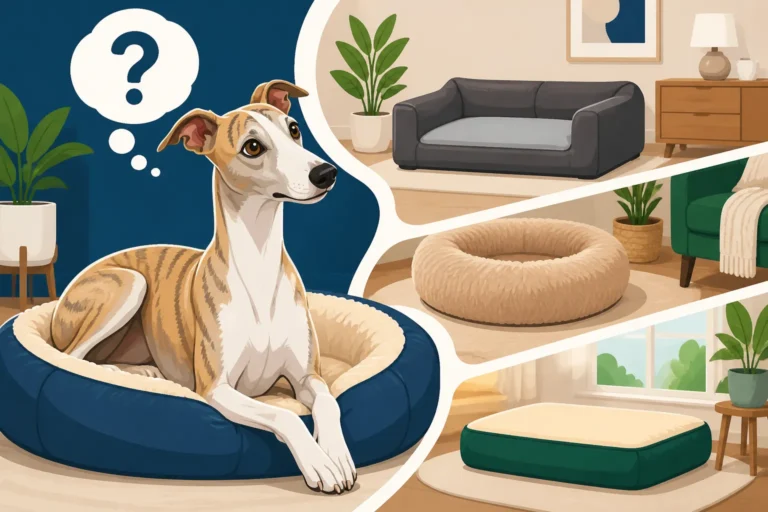
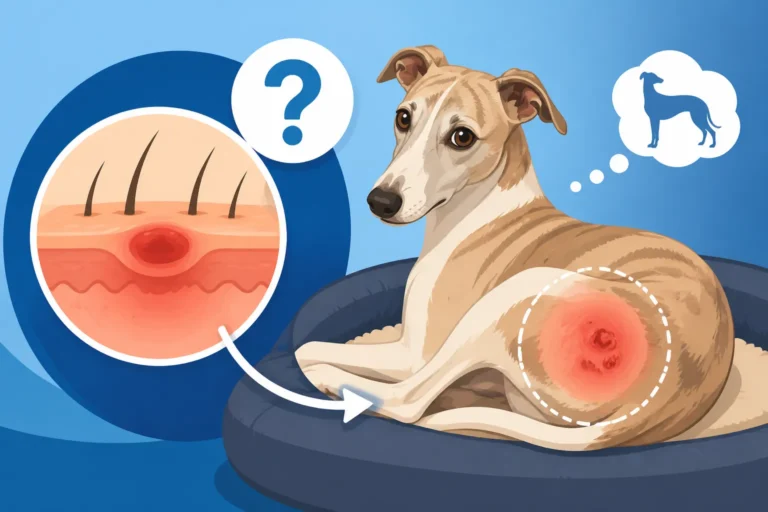
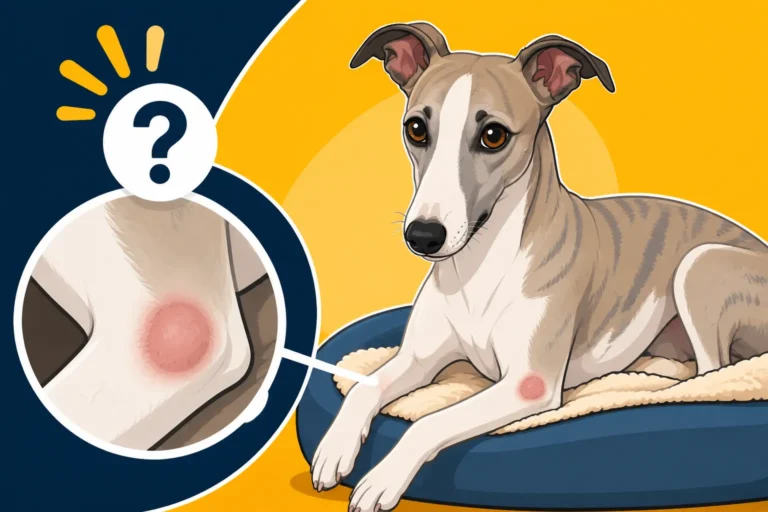
Once home, provide a comfortable, quiet space for them to relax. Whippets are known for being champion nappers, and this rest is a critical part of their recovery. Make sure they have soft bedding, as their thin skin and lack of padding make them prone to pressure sores on hard surfaces. This comfort and quiet time allow their body to naturally repair, rehydrate, and rebalance.
Here’s a quick overview of hydration strategies for your Whippet:
| Scenario | Recommended Approach | Electrolyte Supplement? |
|---|---|---|
| Daily walks/park play | Fresh, clean water readily available. | Almost never needed. |
| Short sprints (Fast CAT) | Water before & after. Gradual cool-down. Balanced diet. | Generally not needed. |
| Multiple intense events | Water, cool-down, rest. Consult vet for specific advice. | Possibly, under vet guidance. |
| Hot/Humid weather | Reduce exercise, seek shade, constant water access. | Avoid unless vet-prescribed. |
| Illness (vomiting/diarrhea) | Plain water. Seek vet advice immediately. | Only if vet-prescribed. |
Monitoring Your Whippet for Dehydration
Knowing the signs of dehydration is far more important than preemptively administering supplements. Watch for:
- Lethargy or weakness: More than usual post-run tiredness.
- Sunken eyes: A classic sign of severe dehydration.
- Dry, sticky gums: Healthy gums are moist.
- Loss of skin elasticity: Gently pinch the skin on their back; if it doesn't snap back quickly, they might be dehydrated.
- Reduced urination: Or very dark, concentrated urine.
- Excessive panting or drooling: Beyond what's normal for cooling.
If you observe these signs, especially after exercise or in hot weather, your Whippet needs veterinary attention, not just an electrolyte drink. True dehydration can be serious and requires professional assessment and treatment. Focusing on prevention through constant water access and smart exercise choices is always the best path forward for your healthy Whippet.
Disclaimer
This article is for general informational purposes only and does not constitute professional advice. Laws, prices and regulations vary by location and change over time. Consult a qualified professional for guidance on your specific situation.