Whether a Whippet’s Coat Shines With Fish Oil
It's incredibly frustrating when you look at your beloved Whippet, expecting to see that sleek, almost shimmering coat, and instead, it looks a bit dull, perhaps even flaky. You try everything – good food, regular baths – but that natural luster just isn't quite there. Many of us wonder if adding supplements like fish oil is the magic bullet, and this guide will dive deep into whether fish oil can truly make your Whippet's coat shine and what else you can do to support their skin and fur.
Understanding Your Whippet's Coat: Why It Might Lack Luster
A Whippet's coat is one of their defining features – it's short, fine, and incredibly soft to the touch. When it's healthy, it practically gleams, reflecting light beautifully. But sometimes, that healthy sheen seems to disappear, leaving us scratching our heads.
The Basics of a Healthy Whippet Coat
A healthy Whippet coat isn't just about looking good; it's a window into their overall well-being. When your Whippet is thriving, their coat should be smooth, lie flat, and have a natural shine. It should feel soft and supple, not brittle or dry. You might notice some shedding, which is normal for a short-coated breed, but it shouldn't be excessive, nor should you see bald patches. Their skin underneath should be clean, free of redness, bumps, or flakes. That beautiful, naturally sparse Whippet coat, which provides A Whippet Has No Insulation and No Padding, relies heavily on internal health for its external beauty.
Think of it like our own skin and hair. When we're healthy, eating well, and hydrated, our skin glows and our hair has a natural sheen. The same principles apply to our Whippets. Their fast metabolism and lean body composition mean that any nutritional deficiencies or health issues can show up quickly in their skin and coat quality.
Common Reasons for a Dull Coat Beyond Just Diet
While diet is a huge factor, it’s not the only culprit behind a dull coat. There are several other things that might be preventing your Whippet from rocking that glossy look:
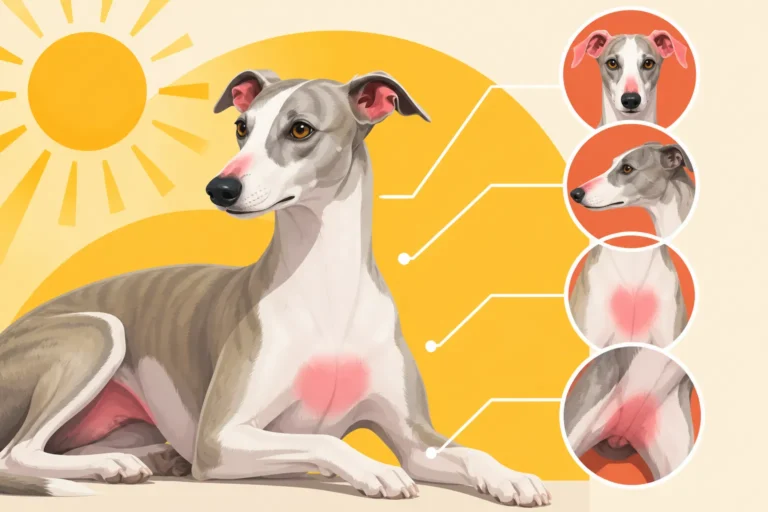
- Environmental Factors: Just like us, Whippets can be affected by their environment. Dry air, especially during winter months with indoor heating, can strip moisture from their skin and coat. Excessive sun exposure can also dry out their fur. And ironically, over-bathing with harsh shampoos can do more harm than good, removing natural oils that keep their skin and coat healthy. Using a gentle shampoo specifically formulated for dogs with sensitive skin, like those designed for Which Shampoo Suits a Whippet's Thin Skin, is crucial.
- Parasites: Fleas, mites, or even internal parasites can wreak havoc on a Whippet's skin and coat. These critters cause irritation, leading to scratching, biting, and dull, patchy fur. A dog constantly itching can damage their own coat and skin. It’s a common scenario where an owner focuses on diet when the real problem is a tiny, unseen pest.
- Allergies: Whippets, like many breeds, can suffer from environmental allergies (pollen, dust mites) or food allergies. These often manifest as itchy skin, leading to excessive licking, chewing, and scratching, which can then result in redness, inflammation, and a dull, damaged coat. You might notice them rubbing their face or dragging their bottom.
- Underlying Health Issues: Sometimes, a dull coat is a symptom of something deeper. Hormonal imbalances, like an underactive thyroid (though The Hypothyroidism a Whippet Does Not Have is more common to be misdiagnosed than truly present), or other systemic illnesses can impact coat quality. Nutritional absorption issues or even stress can also play a role. If you've tried everything else and the coat still looks bad, it's always worth a vet visit to rule out medical conditions. What a Vet Says About a Whippet's Weight often includes an assessment of coat health as part of their overall physical exam.
When to Be Concerned About Coat Quality
It's one thing for a coat to be a little less shiny than you'd like, but it's another when it starts to indicate a potential problem. You should be concerned if your Whippet's coat exhibits any of the following:
- Excessive Hair Loss: While shedding is normal, bald patches, thinning hair, or symmetrical hair loss can point to hormonal issues, parasites, or severe allergies.
- Red, Inflamed Skin: This often suggests allergies, infections, or extreme irritation.
- Constant Itching, Licking, or Chewing: If your Whippet can't stop scratching themselves, it's a clear sign of discomfort and needs investigation.
- Dry, Flaky Skin or Dandruff: This can be a sign of dry environment, poor diet, or a skin condition. You might specifically notice Dandruff on a Whippet.
- Foul Odor: A persistent unpleasant smell, even after bathing, can indicate a bacterial or yeast infection on the skin.
- Changes in Texture: If the once-soft coat feels coarse, brittle, or greasy, it’s time to pay closer attention.
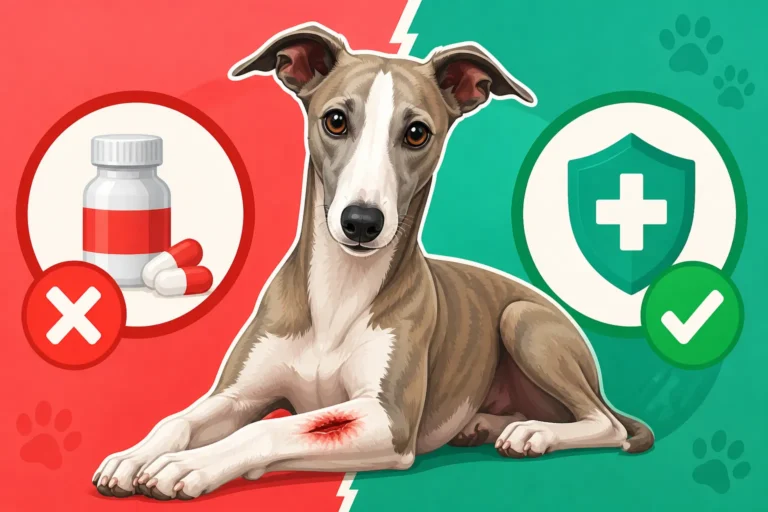
If you observe any of these more serious signs, a trip to your veterinarian is in order before trying to self-medicate with supplements. They can help diagnose the root cause and recommend the appropriate course of action.
The Power of Fish Oil: How It Supports Skin and Coat Health
So, can fish oil really make a difference? For many Whippets, the answer is a resounding yes! The key lies in the specific components of fish oil: Omega-3 fatty acids.
Omega-3 Fatty Acids: EPA and DHA Explained
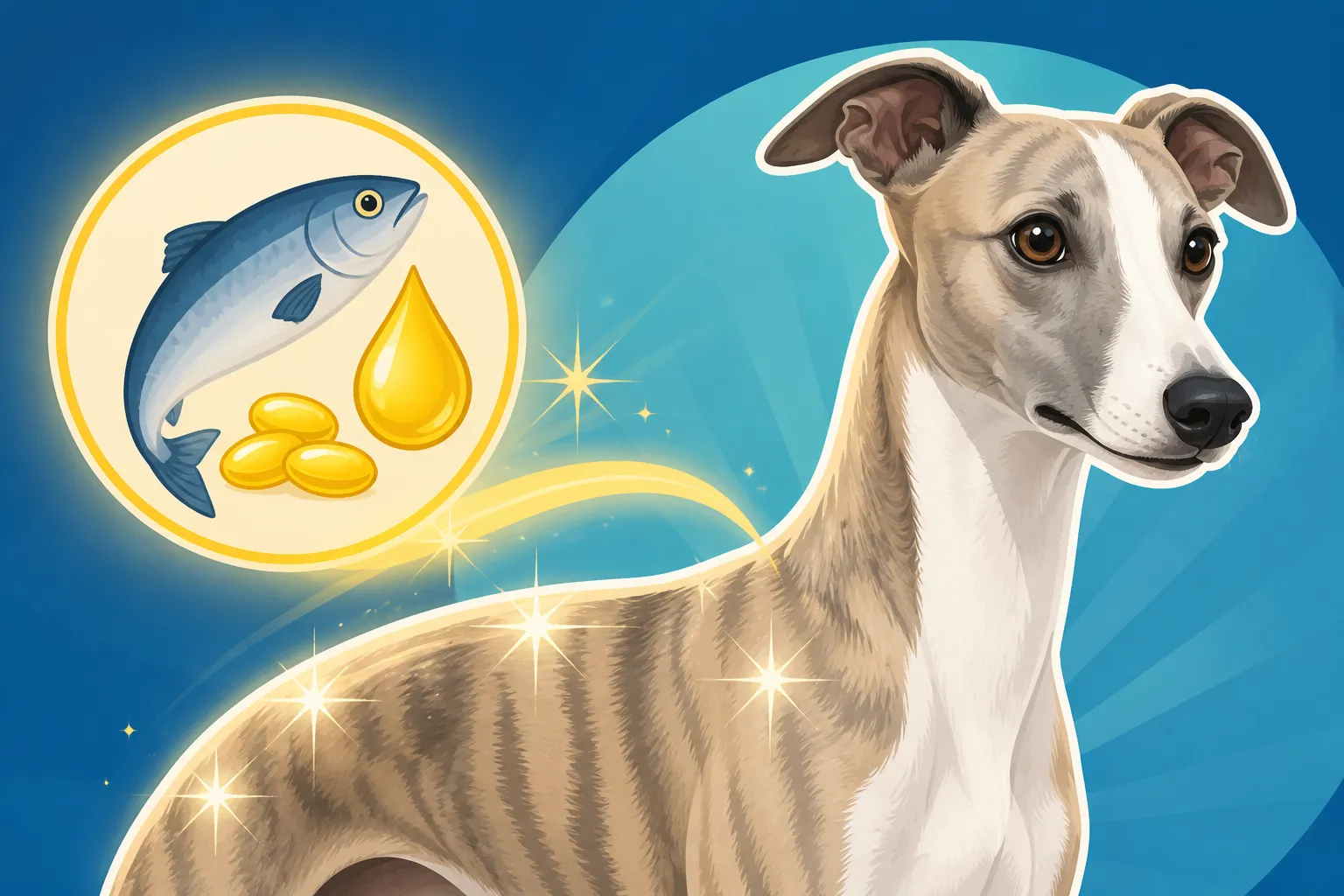
Fish oil is rich in two incredibly important Omega-3 fatty acids: Eicosapentaenoic Acid (EPA) and Docosahexaenoic Acid (DHA). These aren't just buzzwords; they are essential polyunsaturated fats that your Whippet's body cannot produce on its own. This means they must be obtained through diet.
Think of them as the building blocks for healthy cells throughout the body, but particularly potent for skin and coat. Unlike Omega-6 fatty acids, which are often plentiful in commercial dog foods (and can sometimes be pro-inflammatory if unbalanced), EPA and DHA are known for their anti-inflammatory properties. This balance between Omega-3 and Omega-6 is critical for overall health.
How Omegas Improve Skin Hydration and Reduce Inflammation
The magic of Omega-3s for skin and coat really comes down to two main functions:
- Reducing Inflammation: This is arguably their most powerful benefit. Many skin issues, from allergies to environmental irritations, involve inflammation. When skin cells are inflamed, they don't function optimally, leading to dryness, itchiness, redness, and a dull coat. EPA and DHA work to reduce this inflammatory response at a cellular level, calming irritated skin. Imagine your Whippet's skin feeling constantly itchy and irritated – Omega-3s help turn down that alarm bell. This is especially helpful for breeds with sensitive skin, like Whippets, whose The Thin Skin That Sends a Whippet to the Vet for Stitches is a common concern.
- Improving Skin Barrier Function: Omega-3s help strengthen the skin's natural barrier. This barrier is crucial for locking in moisture and protecting against environmental irritants, allergens, and pathogens. When the barrier is healthy, skin is more hydrated, less prone to dryness and flakiness, and the coat grows in stronger and shinier. It's like giving your Whippet's skin an invisible, protective shield from the inside out. This improved hydration directly contributes to a soft, glossy coat.
Antioxidant Benefits and Cellular Health
Beyond direct anti-inflammatory and barrier support, fish oil also offers antioxidant benefits. While not primary antioxidants themselves, the pathways they influence can support the body's natural defenses against oxidative stress. Oxidative stress can damage cells, including skin and hair follicle cells, contributing to aging and a less vibrant coat. By supporting overall cellular health and reducing systemic inflammation, fish oil helps create an optimal environment for healthy skin and coat growth. It’s part of a holistic approach to ensuring your Whippet is healthy from the inside out, which naturally manifests as a beautiful, shining coat. Whether a Whippet Needs Fish Oil isn't just about shine; it's about comprehensive wellness.
Choosing and Administering Fish Oil for Your Whippet
So, you're convinced fish oil might be the way to go. Great! But walking into a pet store or browsing online at a retailer like Chewy or Amazon can be overwhelming with all the options. How do you pick the right one, and how do you give it to your delicate Whippet?
Types of Fish Oil and What to Look For
Not all fish oils are created equal. Here’s what you need to keep in mind when making your selection:
- Source: Look for fish oil derived from small, cold-water fish like anchovies, sardines, and mackerel. These fish are lower on the food chain, meaning they accumulate fewer toxins (like mercury) than larger fish such as tuna or salmon. Krill oil is another excellent option, offering good bioavailability.
- Purity and Testing: This is paramount. Always choose a product that clearly states it has been tested for purity and potency by a third party. Look for certifications that indicate it's free from heavy metals, PCBs, and other contaminants. Reputable brands will make this information readily available.
- Form: Fish oil comes in liquid form or softgel capsules.
- Liquid: Often easier to measure precise doses and mix directly into food. Many Whippets, especially picky eaters, might prefer this mixed in their meal.
- Softgels: Convenient if your Whippet swallows pills easily, but harder to adjust dosage finely and some dogs might refuse them.
- Concentration: Pay attention to the amount of EPA and DHA per serving. A higher concentration means you can give a smaller dose, which can be easier on sensitive stomachs and more cost-effective.
- Freshness: Fish oil can go rancid if not stored properly. Rancid oil not only loses its beneficial properties but can also be harmful. Choose products with dark, opaque bottles, and store them in the refrigerator after opening. A faint fishy smell is normal, but a strong, offensive odor indicates rancidity.
- Added Ingredients: Some fish oil supplements include Vitamin E. This is beneficial because Omega-3s are fats and can lead to increased Vitamin E usage in the body. If your chosen supplement doesn't include it, discuss with your vet whether a separate Vitamin E supplement is necessary.
When searching online, read reviews carefully. Check out what other Whippet owners have found effective. Many popular pet supply sites, including Chewy, offer a wide variety of reputable brands with detailed product descriptions and customer feedback.
Dosage Guidelines and Starting Slowly
Determining the correct dosage of fish oil for your Whippet is crucial. Too little, and you won't see results; too much, and you risk digestive upset or other issues.
- Consult Your Vet: Always, always, always consult your veterinarian before starting any new supplement, including fish oil. They can provide a specific dosage recommendation based on your Whippet's weight, overall health, and any existing conditions. This is especially important for Whippets on other medications or those with any health concerns like Mitral Valve Disease in a Whippet where certain supplements might interact.
- General Rule of Thumb (but verify with your vet): A common recommendation for dogs is around 10-20 mg of combined EPA and DHA per pound of body weight. So, if your Whippet weighs 30 pounds, you'd aim for 300-600 mg of combined EPA+DHA daily. However, dosages can vary greatly depending on the specific product's concentration and your vet's advice for specific conditions (e.g., higher doses might be used for severe inflammatory conditions).
- Start Low and Go Slow: Whippets, with their sensitive systems, can sometimes react to new additions to their diet. Begin with a very small fraction of the recommended dose for a few days, then gradually increase it over 1-2 weeks. This allows your Whippet's digestive system to adjust and helps you identify any adverse reactions.
- Watch for Side Effects: The most common side effects are digestive: loose stools, diarrhea, or gas. If you notice these, reduce the dose or stop and consult your vet. Other potential (though rarer) side effects can include weight gain (fish oil is caloric) or interference with blood clotting at very high doses.
Incorporating Fish Oil into Daily Meals
Making fish oil a part of your Whippet's routine should be easy.
- Mix with Food: This is the most straightforward method. Simply squirt the liquid oil over their regular meal, or puncture a softgel capsule and squeeze it out. Many dogs enjoy the slightly fishy taste, but some picky Whippets might be suspicious. If your Whippet is a bit of a reluctant eater, you might find that Warming Food to Get a Whippet Eating or adding a delicious topper makes the fish oil more palatable.
- Use a Food Topper: If your Whippet is particularly discerning, try mixing the fish oil with a small amount of something they absolutely love – a dollop of plain yogurt, a bit of wet food, or some unsweetened pumpkin puree.
- Fresh Food Integration: If you feed a fresh dog food like Ollie, many of these already contain balanced Omega-3s. Check their nutritional breakdown, and consult with the brand or your vet before adding additional fish oil to avoid over-supplementation.
- Consistency is Key: Fish oil isn't a quick fix. It takes time for the beneficial fatty acids to build up in their system and for you to see improvements in coat quality. Be consistent with daily dosing for several weeks, if not months, to observe the full effects. Don't expect an overnight miracle!
Beyond Fish Oil: A Holistic Approach to a Radiant Whippet Coat
While fish oil can be a powerful tool, it's just one piece of the puzzle. For that truly radiant Whippet coat, you need a holistic approach that covers diet, grooming, and overall lifestyle.
Diet as the Foundation for Skin and Coat
You know the old saying, "you are what you eat"? The same goes for your Whippet. A high-quality diet is the absolute bedrock of a healthy coat.
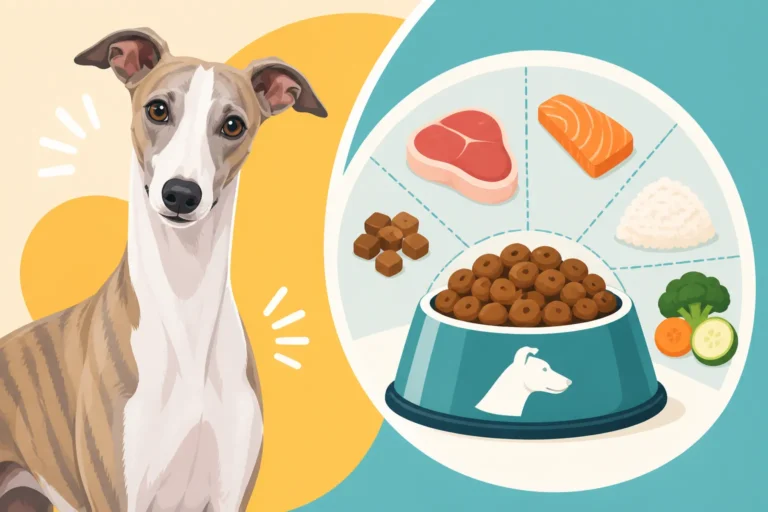
- Premium Quality Food: This cannot be stressed enough. Cheap, filler-laden foods lack the essential nutrients your Whippet needs. Look for dog foods where meat is the first ingredient, and that contain easily digestible carbohydrates and healthy fats. Whether you choose kibble, wet, or fresh food, prioritize quality ingredients.
- Balanced Nutrients: Beyond Omega-3s, ensure their food has a good balance of other essential nutrients:
- Protein: High-quality animal protein provides the amino acids necessary for hair growth.
- Other Healthy Fats: Besides fish oil, look for other beneficial fats like linoleic acid (an Omega-6, but in balance), often found in chicken fat or sunflower oil.
- Vitamins and Minerals: Biotin, zinc, Vitamin A, and Vitamin E are all crucial for skin and coat health. Many good quality foods will include these.
- Hydration: Always ensure your Whippet has access to fresh, clean water. Dehydration can lead to dry skin and a dull coat just as quickly as poor diet.
- Considering a Change: If your Whippet's coat remains stubbornly dull despite supplements and good grooming, consider trying a different food formula or brand. Sometimes, a specific ingredient in their current food might be causing a mild allergy or intolerance that manifests as skin issues. Brands like Ollie focus on fresh, whole ingredients that can significantly improve coat health. For general guidance on feeding your Whippet for optimal health, you might find Feeding a Whippet That Sprints and Then Sleeps helpful.
Grooming Practices for Whippet Coat Health
Whippets are famously low-maintenance in the grooming department. Their short coats truly do take Why a Whippet's Coat Takes Five Minutes a Week. However, "low-maintenance" doesn't mean "no maintenance."
- Regular Brushing: Even short-coated Whippets benefit from regular brushing. A soft rubber curry brush or a grooming mitt can help remove loose hair, stimulate blood flow to the skin, and distribute natural oils. This light massage is also a wonderful bonding experience!
- Appropriate Bathing: Don't over-bathe. Unless your Whippet has rolled in something particularly nasty, bathing every few weeks to once a month is usually sufficient. Use a gentle, moisturizing dog shampoo designed for sensitive skin. Over-bathing can strip essential oils, leading to dry skin and a dull coat. Always rinse thoroughly to avoid skin irritation from shampoo residue.
- Moisturizing and Conditioning: After a bath, a dog-specific conditioner can help seal in moisture. For particularly dry skin, your vet might recommend a topical moisturizer.
- Nail Trims: While not directly related to coat shine, maintaining good paw health (regular nail trims, checking for corns) contributes to overall comfort and well-being, which in turn reflects in their overall health and appearance.
Environmental Factors and Overall Well-being
Remember, a healthy coat is a sign of a healthy dog. Don't overlook these broader elements of your Whippet's life:
- Stress Reduction: Believe it or not, stress can impact coat quality. A stressed dog might shed more, develop skin issues, or simply have a duller coat. Ensure your Whippet has a calm, secure environment and plenty of mental stimulation and exercise to keep them happy and balanced.
- Temperature and Humidity Control: In very dry climates or during winter heating, consider using a humidifier indoors. This adds moisture to the air, which can benefit both your skin and your Whippet's. Conversely, ensure they are not consistently too hot, especially if you layer them with coats indoors when it's not truly cold, as When a Whippet Overheats Under Its Coat can cause skin irritation.
- Regular Vet Check-ups: Routine veterinary visits are essential for catching underlying health issues early. Your vet can spot subtle signs of nutritional deficiencies, parasites, or other medical conditions that might be affecting your Whippet's coat. They might suggest additional tests or recommend specific supplements from brands you can often find on Amazon or other major retailers if they deem it necessary. Regular health checks are an integral part of What a Sighthound Vet Costs Over a Whippet's Life.
A shining coat is a happy coat, and a happy coat usually means a happy Whippet. By combining the power of high-quality fish oil with a top-notch diet, consistent grooming, and a healthy lifestyle, you'll be well on your way to seeing that gorgeous Whippet glimmer you adore.
Fish Oil vs. Other Supplements for Whippet Coat Health
| Supplement Type | Key Benefits for Coat Health | Considerations for Whippets |
|---|---|---|
| Fish Oil (Omega-3) | Anti-inflammatory, skin barrier, hydration, shine | Essential, generally well-tolerated. Choose purity-tested products. Start low, go slow. |
| Coconut Oil | Moisturizing (topical), some internal benefits | Can be used topically for dry patches. High in saturated fat, so use sparingly internally. |
| Flaxseed Oil | Alpha-linolenic acid (ALA) – plant-based Omega-3 | Less efficiently converted to EPA/DHA than fish oil. Good for those sensitive to fish. |
| Biotin | Supports hair growth and strength | Often included in coat-specific supplements. Consult vet for dosage. |
| Zinc | Essential for skin health and wound healing | Deficiency can cause poor coat. Usually sufficient in good quality food; only supplement if deficient. |
| Vitamin E | Antioxidant, protects cells | Important alongside Omega-3s. Often included in fish oil; may need separate if not. |
Disclaimer
This article is for general informational purposes only and does not constitute professional advice. Laws, prices and regulations vary by location and change over time. Consult a qualified professional for guidance on your specific situation.