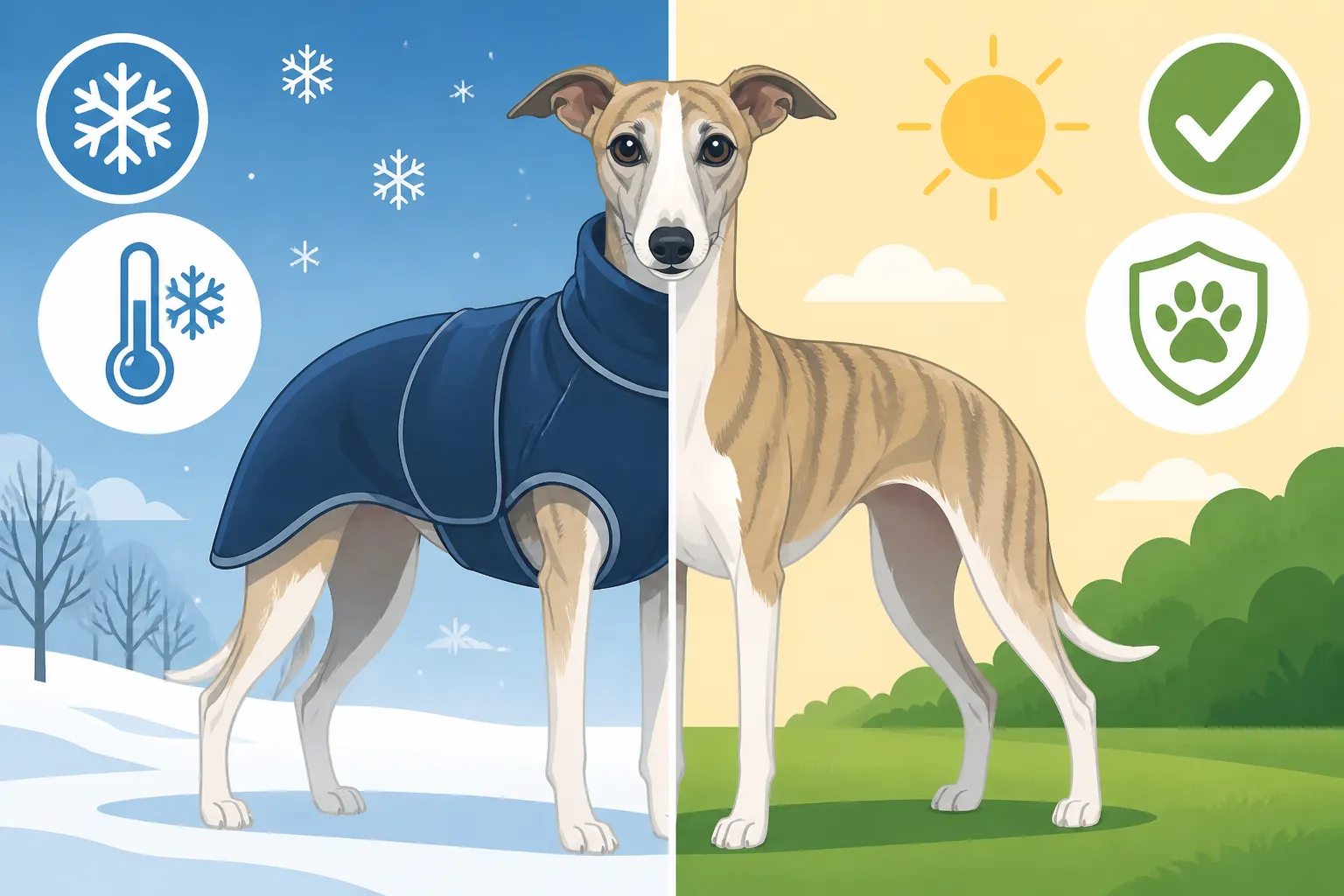
Whether a Whippet Should Wear a Coat in Cover
It's a common dilemma for us Whippet parents: you want your speedy little love to enjoy the great outdoors, to really stretch those legs and revel in nature, but the moment they dart into anything thicker than short grass, a wave of anxiety hits. Their sleek, beautiful bodies, so perfectly designed for speed, are surprisingly delicate, and the thought of them tearing that impossibly thin skin on a rogue bramble or sharp stick is enough to make anyone hesitant. This guide is here to walk you through whether a Whippet truly needs a coat when venturing into "cover"—those wilder, brushier areas—and how to best protect them so you can both enjoy those adventures without constant worry.
The Unmistakable Vulnerability of Whippet Skin
Let's face it, one look at a Whippet, and you know they're built for speed, not for wrestling with dense undergrowth. Their lean, athletic frames, combined with that impossibly fine coat and minimal body fat, make them incredibly efficient runners. But this very physiology also leaves them uniquely susceptible to injury, especially when it comes to their skin. It's not just a concern; it's a reality many Whippet owners learn the hard way.
Why a Whippet's Skin Is So Vulnerable
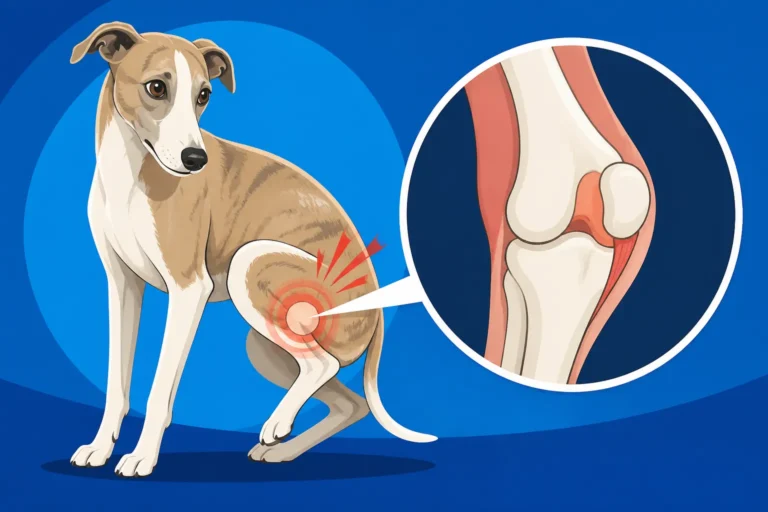
Imagine skin so thin you can almost see the muscles ripple underneath, with very little subcutaneous fat to act as a buffer. That's a Whippet's skin. Unlike breeds with thick double coats or ample padding, a Whippet's hide offers scant protection against external abrasions. It's akin to wearing a silk shirt in a thorny bush—beautiful, but utterly impractical for heavy-duty protection. This delicate nature means that even a minor snag or bump can result in a laceration that would barely scratch another dog. We often hear stories, or experience them ourselves, about how easily their skin can tear. It’s a frustrating reality that makes us extra vigilant. If you've ever had to rush to the vet for an unexpected cut, you know exactly what I mean. Understanding this inherent fragility is the first step in appreciating why extra measures might be necessary when your Whippet is exploring certain environments. We have a whole article dedicated to this topic, called The Thin Skin That Sends a Whippet to the Vet for Stitches, and it really drives home how common these incidents can be.
Common Cover Hazards and Their Risks
When we talk about "cover," we're not just referring to a patch of tall grass. We mean the exciting, often unpredictable environments that beckon to a Whippet's prey drive—dense woods, fields bordered by thick brambles, hiking trails with overgrown sections, or even just that tempting cluster of bushes in the park.
- Thorns and Brambles: These are perhaps the most notorious culprits. Rose bushes, blackberry bushes, and other thorny plants can slice through thin skin with alarming ease. A Whippet chasing a squirrel through such an area is almost guaranteed to come out with more than just a few scratches.
- Sharp Sticks and Twigs: A seemingly innocuous fallen branch can become a pointed weapon if a Whippet runs into it at speed or slides across it. These can cause puncture wounds or deep lacerations, especially on the chest, legs, and belly.
- Rough Bark and Rocks: Even rubbing against a tree trunk or skidding on a rocky path can abrade their delicate skin. Their instinct to launch themselves after perceived prey can override their usual grace, leading to clumsy collisions that can quickly turn painful.
- Fencing and Obstacles: While you might think of a fence as a boundary, a Whippet sees it as an obstacle to be cleared, or perhaps, squeezed under. Sharp edges on wire fences or splinters from wooden ones can be nasty surprises.
- Ice and Snow (in winter): Beyond the cold, icy patches can have sharp edges, and crusty snow can be surprisingly abrasive, particularly on paws and lower legs. This environment also presents a risk of frostbite on their exposed ears.
These aren't just theoretical dangers; they're the real-world hazards that can turn a fun outing into an emergency vet visit. Many owners have faced the heartache and expense of a serious skin tear, prompting them to look for preventative solutions.
The Protective Role of a Well-Chosen Coat
Given their vulnerability, it makes perfect sense to consider a protective layer for your Whippet when they're romping in potentially hazardous "cover." A well-designed coat isn't just about warmth, though that's often a primary consideration for these lean dogs; it's about creating a physical barrier between their delicate skin and the harsh realities of the environment.
Different Types of Coats for Different Environments
Just as you wouldn't wear a tuxedo to go hiking, not all Whippet coats are created equal for every type of "cover." Choosing the right one is key to providing adequate protection without hindering movement or causing discomfort.
- Durable, Rip-Stop Coats for Dense Undergrowth: For truly rugged terrain, look for coats made from tough, rip-stop fabrics like ballistic nylon, heavy-duty canvas, or even specialized outdoor gear materials. These are designed to resist tearing and snagging from thorns, sharp branches, and rough surfaces. They often feature a smooth, tight weave that allows objects to glance off rather than penetrate. Brands like Hurtta or Ruffwear offer robust options that prioritize durability. These coats should ideally offer good coverage over the chest, sides, and especially the belly, which is often exposed when a Whippet is darting through low brush.
- Lighter, Water-Resistant Coats for Milder Trails: If your adventures are more about well-maintained trails with occasional brush, a lighter yet still sturdy, water-resistant coat might be sufficient. These can protect against minor scrapes and keep your Whippet dry from dew-laden grass or light rain, preventing chilling. Fleece-lined options can add a layer of warmth without excessive bulk. The goal here is a balance between protection and breathability.
- Specialized "Snood" or Neck Covers: For Whippets who love to burrow or explore dense bushes head-first, a separate snood or a coat with an integrated snood can offer crucial protection for their slender necks and ears. These areas are often overlooked but can be highly vulnerable to scratches.
- All-in-One Protective Suits: For the most extreme conditions, some manufacturers offer full-body suits that cover all four legs and the torso. While perhaps not necessary for every outing, these can be a game-changer in areas known for heavy ticks, burrs, or exceptionally dense, thorny vegetation.
It's about assessing the risk of the environment and matching the coat's features accordingly. The more rugged the cover, the more robust the coat needs to be. Many Whippet owners curate a small "wardrobe" for their dogs, with different coats for different needs, because as we all know, The Wardrobe a Whippet Needs Because It Has No Body Fat is already extensive!
Ensuring Proper Fit and Comfort
A coat, no matter how tough, is only effective if it fits properly and your Whippet is comfortable wearing it. An ill-fitting coat can restrict movement, rub their delicate skin raw, or even pose a safety hazard.
- Measure Accurately: Always measure your Whippet's chest girth, back length, and neck circumference before buying a coat. Whippets have unique body shapes—deep chests, narrow waists, and an athletic tuck-up—so generic dog coat sizing often doesn't work well. Many specialized sighthound coat makers offer breed-specific sizing for this reason. A coat that is too tight can restrict their running stride, and one that is too loose can snag on branches or allow debris underneath. We've often discussed how vital fit is, especially when considering What a Whippet Coat Should Cover the Belly to protect their sensitive underside.
- Check for Full Range of Motion: Once the coat is on, observe your Whippet moving. Can they run, jump, and stretch without the coat pulling or bunching? Pay attention to the shoulders and elbows; these areas are crucial for their powerful stride. Any restriction here can lead to an unnatural gait or discomfort.
- Look for Soft Linings and Flat Seams: Even durable outer layers should have a soft, non-abrasive lining against your Whippet's skin to prevent chafing. Flat seams are also important to reduce irritation points, especially under the armpits and across the chest.
- Secure Fastenings: Ensure all straps, buckles, or Velcro closures are secure but not overly tight. They should hold the coat firmly in place during active play but not pinch or dig into the skin. Adjustable straps are a bonus for getting that perfect fit.
- Trial Run: Before embarking on a long hike in dense cover, do a "trial run" in a safer, open area. Let your Whippet wear the coat and move naturally for 15-20 minutes. This allows them to get used to the feel and for you to spot any potential issues.
A coat that fits like a second skin will allow your Whippet to explore confidently, knowing they have that vital layer of protection.
Balancing Protection with Comfort and Safety
While a protective coat is a fantastic tool for keeping your Whippet safe in cover, it's not a set-it-and-forget-it solution. There's a balance to strike between adequate protection and ensuring your dog remains comfortable and safe from other potential issues, primarily overheating and entanglement.
Recognizing Signs of Discomfort or Overheating
Whippets, despite their lack of body fat, are still dogs and can overheat, especially during strenuous activity or in warmer weather. A coat, particularly a thick, durable one, adds insulation, which can be counterproductive on a warm day.
- Panting and Heavy Breathing: This is the most obvious sign of overheating. If your Whippet is panting excessively, especially if they're not exerting themselves intensely, it's a red flag.
- Reduced Energy and Lethargy: While Whippets are renowned for their sprint-and-sleep cycles, unusual sluggishness or a reluctance to move might indicate they're too hot.
- Bright Red Gums or Tongue: Healthy gums are usually pink. Redder than normal gums can be a sign of heat exhaustion.
- Seeking Shade or Water: If your Whippet is actively trying to get out of the sun or repeatedly attempting to drink, they might be uncomfortable.
- Fussing with the Coat: While some dogs might initially try to shake off a new coat, persistent scratching, biting at the fabric, or trying to roll on the ground might indicate irritation or that they're too warm.
Always consider the ambient temperature, humidity, and the intensity of your Whippet's activity when deciding on a coat. If it's warm enough that you'd be uncomfortable in a jacket, your Whippet likely will be too, especially in a dense protective coat. It's often asked, for example, Whether a Whippet Needs a Cooling Coat in Summer, which highlights how important temperature regulation is for them.
When a Coat Might Not Be Necessary
Not every outdoor excursion into "cover" warrants a heavy-duty protective coat. Knowing when to opt for less or no coverage is just as important as knowing when to bundle up.
- Well-Maintained Trails and Open Fields: If you're walking on clearly defined, smooth trails with minimal overgrowth, or letting your Whippet sprint in a large, open, well-mowed field, the risk of skin tears is significantly reduced. In these situations, a lightweight harness or even just a collar (preferably a sighthound martingale to prevent slipping off, as discussed in Whether a Whippet Needs a Sighthound Collar) might be all that's needed.
- Warm Weather and Low Risk: On a pleasant day where the temperature is comfortable and the environment is low-risk, a coat can quickly lead to overheating. Their thin coats actually do a decent job of regulating temperature in mild conditions, as long as they're not in extreme cold, for instance, when Whether a Whippet Needs a Coat Below Fifty Degrees becomes a concern.
- Short, Controlled Outings: For very brief trips into a slightly bushy area, where you can keep a very close eye on your Whippet and immediately intervene if they get into trouble, you might decide a coat isn't essential. However, always weigh the risk against the potential consequence.
Ultimately, it comes down to assessing the specific environment and conditions. Erring on the side of caution is always a good idea with Whippets, but don't over-bundle if it's unnecessary.
Practical Tips for Whippets in Cover
Beyond just the coat, there are several practical steps you can take to make excursions into "cover" safer and more enjoyable for both you and your Whippet. These tips cover everything from preventative measures to what to do if an unfortunate incident still occurs.
Post-Excursion Checks and First Aid
Even with the best protective coat, accidents can happen. Thorns can find a gap, a branch might hit just right, or the coat itself might get snagged, exposing a patch of skin. That's why a thorough post-excursion check is non-negotiable for Whippet owners.
- Full Body Scan: As soon as you're home, give your Whippet a head-to-tail inspection. Gently run your hands over their entire body, paying close attention to their legs, flanks, chest, belly, and ears. Look for any redness, swelling, punctures, or cuts. Don't forget their paw pads!
- Check for Burrs and Ticks: Dense cover is a magnet for burrs, which can become painfully matted in their short coat, and ticks, which can carry diseases. Remove burrs carefully to avoid skin irritation, and use tweezers to remove any ticks you find, ensuring you get the head.
- Immediate First Aid for Minor Injuries: For small scrapes or superficial cuts, gently clean the area with a mild antiseptic solution (like diluted chlorhexidine or povidone-iodine, not rubbing alcohol), apply a thin layer of antibiotic ointment, and if necessary, cover with a non-stick pad and secure with self-adhesive vet wrap. Always keep a well-stocked What Belongs in a Whippet Owner's First Aid Kit on hand.
- When to See the Vet: Any deep laceration, puncture wound, excessive bleeding, or a wound that seems to be bothering your Whippet warrants immediate veterinary attention. Whippets often need stitches for even seemingly small tears due to their thin skin, and prompt treatment can prevent infection and minimize scarring. Knowing Treating a Whippet's Skin Tear effectively can make a big difference, but sometimes professional help is unavoidable. It’s comforting to know that pet insurance providers like Healthy Paws can alleviate the financial stress of these unexpected vet visits, covering a significant portion of treatment costs for injuries like these.
Remember, prevention is always better, but preparedness for minor incidents is crucial for any Whippet owner.
Training for Off-Leash Safety Even With a Coat
A protective coat is a physical barrier, but it's not a substitute for good training. The biggest safety net for a Whippet in cover is a solid recall and the ability to listen to you, especially when their prey drive kicks in.
- Rock-Solid Recall: This is paramount. A Whippet's instinct to chase is incredibly strong, and they can be gone in a flash. Practice recall consistently in various environments, gradually increasing distractions. Use high-value treats and make coming back to you the most rewarding thing ever. This training is difficult, and we have a lot to say about Thirty Five Miles an Hour and No Brakes on a Whippet's Recall.
- "Leave It" Command: Teach your Whippet to ignore distractions, whether it's a rustling bush or a tempting scent. This command can prevent them from plunging headlong into dangerous areas.
- Stay Close: Encourage your Whippet to stay within a reasonable distance, especially in unfamiliar or risky terrain. This might mean using a long line in certain areas until their recall is utterly reliable.
- Leash Use When Necessary: There will be times when a leash is simply the safest option, even for a well-trained Whippet. High-traffic areas, dense urban environments, or particularly hazardous cover are all good reasons to keep them leashed. There's no shame in prioritizing safety!
Even if your Whippet is wearing the toughest coat money can buy, an out-of-control dog is still at risk. Training complements physical protection, creating the safest possible experience for your beloved Whippet. It allows you to feel a little more relaxed, knowing that even if a branch scratches their coat, they'll respond to your call before diving into something truly dangerous. Thinking ahead about these preventative measures, and perhaps investing in pet insurance like that offered by Healthy Paws, means you're prepared for both the controllable and the unpredictable aspects of life with a fast, sensitive sighthound.
The Role of Pet Insurance
Let's be realistic: a Whippet's adventures, especially in "cover," can sometimes lead to unexpected vet bills. Even with all the precautions—the perfect coat, rigorous training, and vigilant post-excursion checks—life happens. A hidden branch, a clumsy stumble, or just a really determined thorn can still result in a trip to the vet for stitches or more. The cost of these emergency visits, especially if they occur after hours, can be substantial, often running into hundreds, if not thousands, of dollars depending on the severity of the injury and the required treatment. Knowing How Much a Whippet Skin Tear Costs to Close can be a stark reminder of these expenses.
This is where pet insurance can truly offer peace of mind. A good policy can help cover a significant portion of the costs associated with accidental injuries, emergency care, and even ongoing treatment if complications arise. Providers like Healthy Paws are well-regarded for their comprehensive accident and illness plans, which can be invaluable for active Whippets. Having insurance means you can make decisions about your Whippet's care based on what's best for their health, rather than being solely driven by immediate financial concerns. It's an investment in your Whippet's safety and your own financial well-being, allowing you to focus on their recovery rather than the bill.
| Type of "Cover" Environment | Common Hazards | Recommended Coat Features | Why These Features Help |
|---|---|---|---|
| Dense Undergrowth/Brush | Thorns, sharp sticks, thick brambles | Durable, rip-stop outer layer (e.g., canvas, ballistic nylon), full belly coverage, high visibility | Prevents direct skin contact, resists tearing, protects vulnerable underside, helps locate dog |
| Light Woods/Trails | Low branches, occasional thorny bushes, rough bark, ticks | Lightweight but sturdy fabric, good shoulder/chest protection, water-resistant, bright colors | Offers moderate protection without restricting movement, repels moisture, aids visibility |
| Sandy/Rocky Areas | Sharp rocks, abrasive surfaces, hot ground, debris | Abrasion-resistant material, good chest and leg protection, snug fit to prevent sand ingress | Reduces scrapes and cuts from rough terrain, minimizes impact from falls, keeps out irritants |
| Wet/Muddy Areas | Mud, puddles, wet branches, cold | Water-resistant or waterproof fabric, easy to clean, good coverage, thermal lining (if cold) | Keeps coat dry, prevents chilling, simplifies cleanup, avoids skin irritation, adds warmth |
| Urban/Park Environments | Broken glass, discarded items, road salt (winter) | Moderate durability, easy to clean, reflective elements for low light, good coverage | Protects from urban debris, prevents chemical exposure, enhances visibility for traffic safety |
Disclaimer
This article is intended for informational purposes only and does not constitute veterinary advice. Always consult with a qualified veterinarian for any health concerns or before making any decisions about your Whippet's care or treatment.