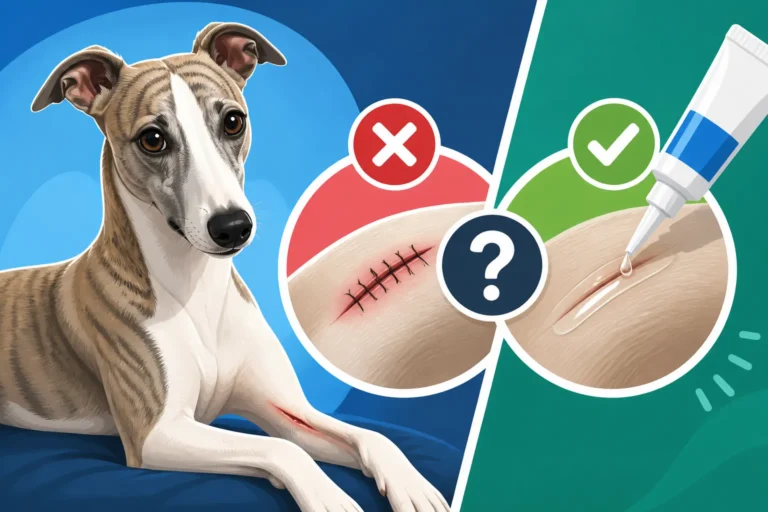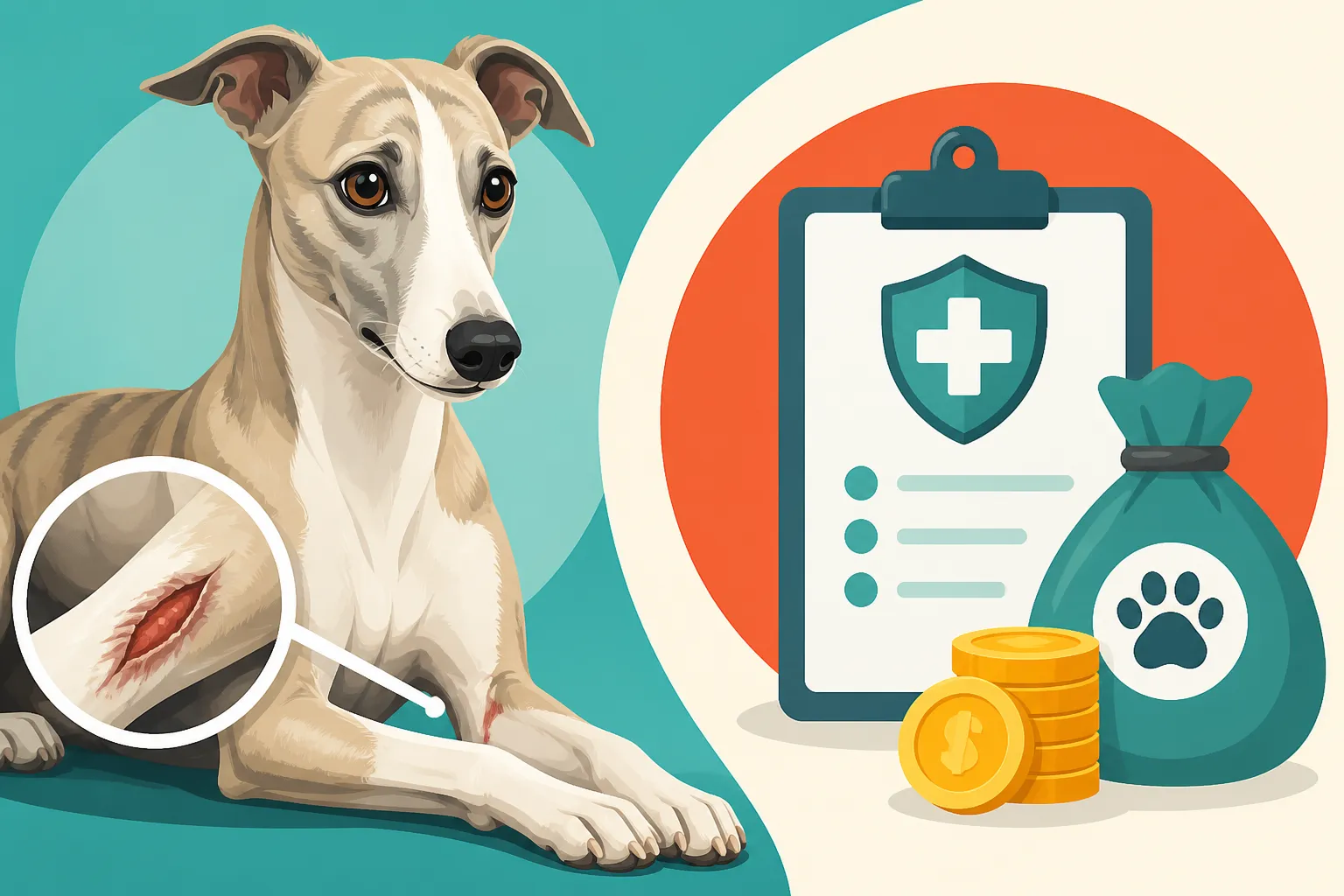
How Much a Whippet Skin Tear Costs to Close
It's a moment most Whippet owners dread: that sudden yelp or the alarming sight of blood on your beautiful, slender dog. Whippets, with their incredibly fine skin and minimal body fat, are unfortunately prone to nicks, scrapes, and full-blown skin tears that often require immediate veterinary attention. The worry in that moment isn't just for your beloved companion's well-being, but also for the unknown cost that's about to hit your wallet. This guide will meticulously break down what you can expect financially when your Whippet needs a skin tear closed by a veterinarian.
The Inevitable Reality: Why Whippet Skin Tears Happen
If you're a Whippet owner, you've likely already experienced or at least heard tales of the dreaded skin tear. It’s an unfortunate reality of living with these wonderfully delicate creatures. The exasperation comes from how easily these injuries can occur, turning a routine outing or even a playful indoor romp into an emergency.
The Delicate Nature of Whippet Skin
The primary reason Whippets are so susceptible to skin tears is their unique physiology. Unlike many other breeds with thick skin and a layer of subcutaneous fat to act as padding, Whippets have incredibly thin, almost paper-like skin that stretches tightly over their lean muscle and bone structure. There’s very little cushioning to protect them from impact or friction. Think about how easily your own skin can break if it catches on something sharp; now imagine that amplified by a thousand.
This delicate dermis means that even what seems like a minor brush against a rough surface can result in a significant laceration. I’ve heard countless stories, and experienced a few myself, where a Whippet running through seemingly innocuous backyard brush or even catching themselves on a furniture edge has led to a gaping wound. It’s not a reflection of clumsy ownership; it's simply the nature of the breed. They're built for speed and agility, not for crashing through brambles. Many owners find themselves asking Whether a Whippet's Skin Tears From Running Through Brush and the answer, sadly, is a resounding yes. They can also suffer tears from Whether a Whippet Tears Its Skin on a Crate Door if they are startled or try to exit too quickly.
The Emotional Toll and Immediate Action Required
When a skin tear happens, the emotional impact on an owner is often profound. The sight of blood, sometimes quite a lot of it, can be incredibly distressing. You see your typically stoic and graceful Whippet suddenly vulnerable and in pain, and your heart just sinks. The immediate concern, beyond the blood, is the depth and length of the tear. A wide-open wound can look much worse than it actually is, but it almost always means a trip to the vet is in order.
The golden rule with Whippet skin tears is to act quickly. While you can often stem the bleeding with pressure and a clean cloth, these wounds rarely heal cleanly on their own without intervention. The longer you wait, the higher the risk of infection, and the harder it becomes for the vet to achieve a clean closure, potentially leading to more extensive and costly treatment down the line. It's often an urgent situation, which means considering an after-hours emergency vet. This can add a significant premium to your overall bill, a fact many owners grapple with when their regular vet is closed. What an After Hours Vet Visit Costs for a Whippet can be a real eye-opener, but putting off care is simply not an option.
Unpacking the Bill: Components of a Skin Tear Repair
Understanding what you’re paying for when your Whippet needs stitches can help alleviate some of the sticker shock. A vet bill isn't just for "closing a wound"; it's a breakdown of expertise, materials, and time, all dedicated to getting your dog back to health.
The Initial Assessment and Emergency Service Fees
Your first step at the vet, whether it's your regular clinic or an emergency hospital, will be the initial consultation and examination fee. This covers the vet's time to thoroughly assess the wound, check for any other injuries, and determine the best course of action. They'll need to understand how the injury happened, when, and any first aid you might have administered. For an emergency visit outside of regular business hours, expect this initial fee to be significantly higher, sometimes double or triple a standard office visit, simply for the privilege of immediate care.
Depending on the tear's severity and location, the vet might also recommend some diagnostics. This could include a quick sedation to properly clean and examine a particularly painful or awkward wound, or even an X-ray if there’s a concern about underlying bone or foreign objects. While these aren't always necessary for simple skin tears, they add to the complexity and therefore the cost.
Anesthesia, Sedation, and Pain Management: A Sighthound Specific Consideration
This is where Whippets, and sighthounds in general, often require a specialized approach that can influence the cost. Whippets are known for their sensitivity to certain anesthetic drugs and their unique metabolism means they process sedatives differently than many other breeds. A standard anesthesia protocol for a Labrador, for instance, could be risky for a Whippet.
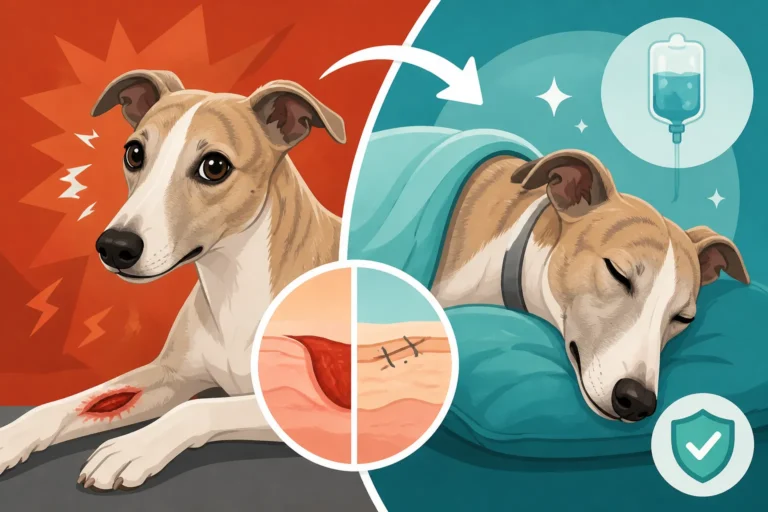
Because of this, veterinarians often employ a specific Why a Whippet Needs a Sighthound Anesthesia Protocol, using different drugs and more vigilant monitoring. This might involve more expensive medications, closer supervision by a dedicated technician, and specialized equipment to monitor heart rate, blood pressure, and oxygen saturation more closely. What Sedation Adds to a Whippet's Wound Repair can be a substantial portion of the bill, as it’s not just the drug itself but the constant professional oversight. Pain management is also crucial; ensuring your Whippet is comfortable before, during, and after the procedure requires specific pain medications, which are also factored into the overall cost.
The Surgical Repair Itself: Cleaning and Closing the Wound
Once your Whippet is sedated or under anesthesia, the real work of repairing the skin tear begins. This process isn't just about stitching; it's about meticulous wound management to prevent infection and promote proper healing. The vet will first thoroughly clean the wound, often shaving the surrounding fur to ensure no hair gets trapped inside, which can lead to infection. Then, they’ll debride any damaged or devitalized tissue – this is crucial for healing, but it means removing tissue that won't recover.
After cleaning and debridement, the wound is carefully closed. Depending on the type of tear, this might involve several layers of sutures: an inner layer to bring the deeper tissues together and an outer layer to close the skin. The choice of suture material, the complexity of the stitching pattern, and the vet's time all contribute to this portion of the bill. Simple tears might just get a few skin sutures, while more extensive, ragged wounds require much more intricate work. The procedure itself, known as Treating a Whippet's Skin Tear, varies in complexity and therefore in cost.
Post-Procedure Care and Follow-ups: The Continuing Costs
The vet bill doesn't end when your Whippet comes home. There's usually a regimen of post-operative care, which includes medications to prevent infection (antibiotics) and manage pain. These prescriptions add to the total cost. Most vets will also send your Whippet home with an Elizabethan collar, or "cone of shame," to prevent them from licking or chewing at their stitches. While some owners may already have one, or opt for a soft alternative, the cost of this protective measure is often included or recommended. You might also find yourself wondering Whether a Whippet Should Wear a Cone After Stitches, and the answer is almost always yes to prevent reopening the wound.
Follow-up appointments are also standard. This allows the vet to check the wound's healing progress, look for signs of infection, and eventually remove any non-dissolvable stitches. These recheck appointments often incur additional consultation fees, though usually at a lower rate than the initial emergency visit.
Factors That Inflate or Reduce the Cost of a Whippet Skin Tear
The total cost to close a Whippet skin tear isn't a fixed figure. Several variables play a significant role in how much you'll ultimately pay. Understanding these can help you anticipate potential expenses and even take proactive steps to mitigate them.
Severity and Location of the Tear
Not all skin tears are created equal, and their characteristics directly impact the cost of repair.
- Size and Depth: A small, superficial scratch is vastly different from a deep, long laceration that might expose muscle or bone. Larger or deeper tears require more extensive cleaning, more sutures, and a longer surgical time, all of which drive up the price. A really extensive tear might even necessitate surgical drains or more complex reconstructive techniques.
- Contamination: A clean tear from bumping against a door frame is much simpler to close than a tear sustained from running through a muddy field or, worse, something unsanitary. Contaminated wounds require aggressive cleaning and might even be left open initially to drain before a delayed closure, increasing the number of vet visits and necessary procedures.
- Location: The area of the body where the tear occurs matters. Tears over joints (like elbows or hocks) or highly mobile areas are more challenging to close securely and require more specialized stitching to prevent the wound from reopening with movement. Areas with less skin to spare, such as the face or lower limbs, can also be trickier. Owners often discover Where a Whippet Tears Its Skin Most is on their legs or flanks. Tears near the eye or mouth might also necessitate a specialist for delicate work.
Timing and Type of Veterinary Clinic
The choice of where and when you seek veterinary care will also be a major cost factor.
- Emergency vs. Regular Hours: As mentioned, seeking care after hours or on weekends/holidays at an emergency veterinary clinic will carry a significant premium. These clinics are staffed to handle urgent cases around the clock, and their fees reflect that availability and specialized readiness. If your Whippet suffers a minor tear that isn't actively bleeding severely and can wait until morning, it might save you considerable expense to go during regular hours. However, always err on the side of caution and consult with a vet to determine if waiting is safe. For more severe tears, there's no question – you need to ask Whether a Whippet Should See an Emergency Clinic for a Cut.
- Geographic Location: Veterinary costs can vary widely depending on where you live. Urban areas with higher overheads and higher demand generally have more expensive vet services than rural areas. State and regional economic factors also play a role.
- General Practice vs. Specialist: For most skin tears, your regular general practice veterinarian is perfectly capable. However, if the tear is particularly complex, involves vital structures, or if there are concerns about cosmetic outcome (though rare for a simple tear), a referral to a veterinary surgeon specialist could escalate costs significantly.
Managing Costs Through Prevention and Preparedness
While accidents happen, a bit of foresight can sometimes prevent the most severe (and costly) tears or at least minimize the initial panic.
- Environmental Management: Be mindful of your Whippet's environment. Are there sharp edges on furniture? Is your yard clear of thorny bushes or debris? Simple modifications can reduce risks.
- Protective Gear: For Whippets prone to injury or those engaging in activities where tears are common (like running in brushy areas), a well-fitting, durable coat or rash guard can offer some protection to their delicate skin.
- First Aid Readiness: Having a basic What Belongs in a Whippet Owner's First Aid Kit on hand is invaluable. Sterile gauze, vet wrap, antiseptic wipes, and medical tape can help you control bleeding and protect a wound temporarily before you get to the vet. Knowing How to Stop Bleeding on a Whippet's Leg quickly can prevent more severe blood loss and further contamination, potentially simplifying the vet's job. While these supplies cost money, they are a small investment compared to a major vet bill. You may even find useful supplies for your first aid kit at online retailers like Chewy.
Here's a simplified breakdown of factors that influence the cost:
| Factor | Lower Cost Likely | Higher Cost Likely |
|---|---|---|
| Tear Severity | Small, superficial, clean cut | Large, deep, jagged, contaminated |
| Location | Flat, low-motion area (e.g., back) | Over joints, highly mobile, or sensitive areas (e.g., hocks, face) |
| Timing | During regular vet hours, planned appointment | Emergency after-hours, weekends, holidays |
| Clinic Type | General practice vet | Emergency clinic, specialist referral |
| Complications | Straightforward repair | Infection, foreign body, need for drains, re-openings |
| Anesthesia | Basic sedation, short procedure | Complex sighthound protocol, long procedure, intensive monitoring |
| Geography | Rural area, lower cost of living | Urban area, high cost of living |
Planning for the Unexpected: Insurance and Budgeting for Whippet Care
The financial burden of a sudden vet emergency like a skin tear can be substantial. For many Whippet owners, these unexpected costs are a source of stress. However, there are ways to prepare and mitigate the financial impact, ensuring your Whippet gets the care they need without breaking the bank.
The Lifeline of Pet Insurance for Unexpected Accidents
Pet insurance is one of the most effective ways to manage the unpredictable costs of veterinary care, especially for accident-prone breeds like Whippets. Policies typically cover a significant portion of accidental injuries, including those pesky skin tears. When you're facing a bill that could range widely, having insurance can be a huge relief.
Providers like Healthy Paws, for instance, offer plans that are often praised for their comprehensive accident and illness coverage. While every policy is different, they usually involve a deductible (an amount you pay first) and then a reimbursement rate (the percentage of the remaining bill the insurance company pays). Knowing Whether Insurance Covers a Whippet's Emergency Stitches is a critical question, and for reputable pet insurance providers, accidental injuries like skin tears are almost always covered, minus your deductible and co-pay. It's truly a safety net for those "oh no" moments that seem to happen just when you least expect them.
Budgeting and Emergency Funds for Whippet Health
Even with pet insurance, it’s wise to have an emergency fund specifically for your Whippet's health. This fund can cover your deductible, co-pays, or even smaller, non-insured costs. Think of it as your Whippet's personal savings account for health. Setting aside a small amount each month can quickly build up a cushion for those unforeseen circumstances.
Additionally, consider where you source your Whippet's everyday needs. Online retailers like Chewy can be a fantastic resource for everything from regular food and treats to necessary supplies like grooming tools, first aid items, and even specialty bedding that can help prevent pressure sores (which, while not tears, are another Whippet-specific skin concern). By managing these routine expenses smartly, you free up more funds for the unexpected. For those interested in premium nutrition that supports overall health, companies like Ollie deliver fresh, human-grade dog food. While diet won't prevent an accidental skin tear, a healthy, well-nourished Whippet with good skin condition may recover faster and be generally more resilient to health challenges.
Being a Whippet owner is a joy, but it also comes with unique responsibilities, especially when it comes to their delicate skin. While you can't prevent every accident, being prepared for the financial reality of a skin tear repair can make those stressful moments a little bit easier to navigate.
Disclaimer
This article is for general informational purposes only and does not constitute professional advice. Laws, prices and regulations vary by location and change over time. Consult a qualified professional for guidance on your specific situation.