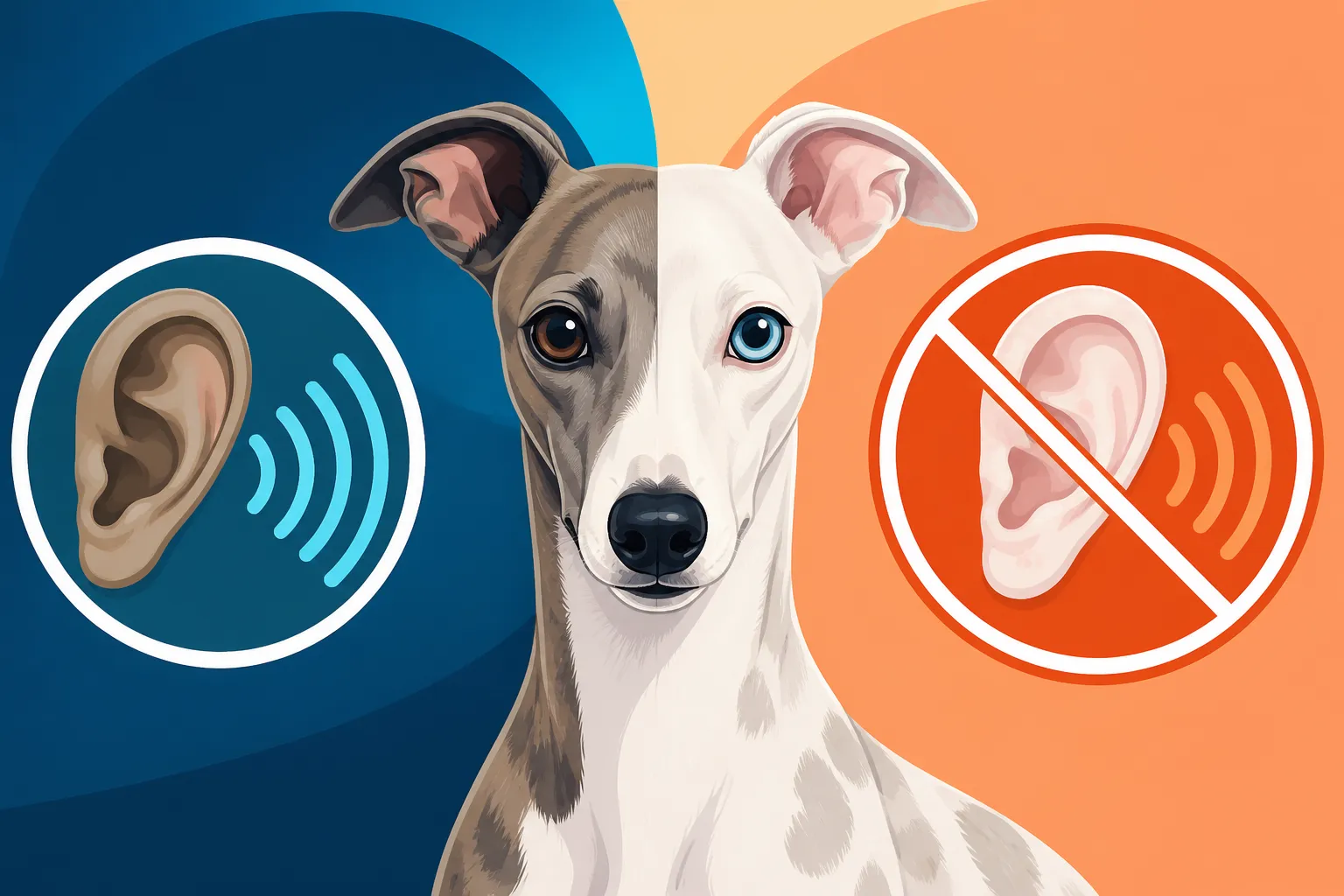
Whether a Whippet Is Deaf From Color Dilution
It's completely natural to wonder about your Whippet's health, especially when you hear cautionary tales about certain coat colors being linked to serious issues like deafness in dogs. Many prospective and current Whippet owners become quite anxious if their beloved companion happens to be a dilute color, like blue or fawn, worrying whether that beautiful coat could secretly mean they're missing out on vital sounds. This guide is here to untangle that knot of concern, clarify the science behind color dilution, and explain whether there's any truth to the fear of color-linked deafness in your Whippet.
The Common Concern: Is My Blue Whippet Deaf?
The image of a sleek, blue Whippet is undeniably striking, and these dogs are growing in popularity. However, with certain unique coat colors often come questions about associated health risks. For many years, and in some breeds, specific coat patterns or colors have indeed been linked to a higher incidence of congenital deafness. This understandably leads to a general anxiety among dog owners, causing them to question if their blue or dilute-colored Whippet might also be susceptible to hearing problems. It’s a very real and valid concern that arises from a place of love and wanting the best for our companions.
Understanding Color Dilution in Whippets
First, let's talk about what "color dilution" actually means in the context of a Whippet's coat. A dilute coat color refers to a genetic trait where the intensity of a dog's base color is lessened. In simple terms, black becomes blue (a grayish black), and liver (brown) becomes Isabella or fawn (a pale brownish-tan). This dilution is controlled by a specific gene, often referred to as the "D locus." If a Whippet inherits two copies of the recessive dilute gene (dd), their coat color will be diluted. For instance, a black dog with two dilute genes will be blue, and a red dog with two dilute genes might appear fawn. These colors are perfectly recognized within the Whippet breed standard, and they’re quite stunning.
The mechanism is all about pigment. The dilute gene causes the pigment granules in the hair shaft to be clumped rather than evenly distributed, which results in the lighter, less intense appearance. It's a fundamental part of canine coat color genetics that applies across many breeds. Owners often choose blue Whippets for their unique aesthetic, sometimes without fully understanding the underlying genetics or the broader health discussions that sometimes surround dilute colors in other breeds.
Why Color and Deafness Are Linked in Other Breeds
The concern about color dilution and deafness isn't entirely unfounded; it just tends to be misplaced when it comes to Whippets. In several other dog breeds, there's a well-established scientific link between certain coat patterns or colors and an increased risk of congenital deafness. The most famous example is often the Dalmatian, where deafness is strongly associated with the piebald (extreme white spotting) gene, especially in dogs with extensive white on their heads. Similarly, in breeds like Australian Shepherds or Great Danes, the merle gene, which creates mottled patches of color, has been linked to deafness and eye defects, particularly when a dog inherits two copies of the merle gene (double merle).
These genetic links exist because the genes responsible for certain pigment cells (melanocytes) also play a crucial role in the development and function of the auditory system, specifically the cells within the inner ear that are essential for hearing. When these pigment cells are absent or abnormal due to specific genetic mutations (like those causing piebald or merle patterns), it can lead to the degeneration of nerve tissue in the cochlea, resulting in deafness. This is why when people hear "color dilution," their minds might jump to these well-known examples, and they naturally wonder if their Whippet's blue coat falls into the same category of risk. It’s important to remember that not all genes affecting pigment have the same pleiotropic effects (multiple effects from a single gene), and the dilute gene in Whippets is a prime example of this distinction.
Unraveling Whippet Genetics: The D Locus and Hearing
Now, let's zoom in on Whippets specifically and address the core of the matter. The dilute gene, often represented by the D locus, is a common genetic factor that changes a dog's base coat color. In Whippets, this gene is responsible for the lovely blue and fawn shades we see. However, unlike the genes for merle or piebald in other breeds, the dilute gene itself is not associated with hearing loss in Whippets. This is a critical distinction that often gets lost in generalized discussions about dog coat color genetics.
The Dilute Gene in Whippets
The dilute gene (d/d) in Whippets simply dictates how melanin pigment is distributed in the hair shaft. Eumelanin (black pigment) becomes blue, and phaeomelanin (red pigment) becomes fawn or cream. It's a straightforward recessive inheritance pattern. A Whippet needs two copies of the dilute allele to express a dilute color. If a dog carries one copy (D/d), it can pass on the dilute gene but will have a full, non-dilute coat color (e.g., black or red). If a dog carries two dominant alleles (D/D), it will have a full color coat and cannot pass on the dilute gene.
This genetic mechanism is entirely separate from the complex interactions seen with the merle or piebald genes that sometimes lead to deafness. The dilute gene primarily affects the morphology of the pigment granules, not the fundamental development of the melanocytes in the inner ear. Therefore, while a blue Whippet might catch your eye with its unique color, its hearing capabilities are not inherently compromised by the very gene that gives it that beautiful hue. This should offer significant reassurance to owners who adore their dilute-colored Whippets and worry about their long-term health. Knowing the specific genetics can alleviate a lot of unnecessary stress.
The Absence of a Genetic Link to Deafness in Blue Whippets
This is the good news many Whippet owners are looking for: reputable scientific research and breed-specific studies have consistently shown that there is no established genetic link between the dilute gene (the "blue" gene) in Whippets and congenital deafness. The dilute gene, while affecting pigment, does not appear to have the same pleiotropic effects on auditory development that other pigment-related genes (like merle or piebald) do in other breeds.
In other words, a blue Whippet is no more likely to be born deaf than a black, brindle, or red Whippet. The specific gene mutation causing dilution in Whippets doesn't interfere with the melanocytes necessary for healthy inner ear function. This is a crucial piece of information for breeders and pet owners alike. When considering a puppy, a blue coat color in a Whippet should not be a red flag for hearing problems. This helps to debunk a common misconception that often unfairly worries owners of these elegant dogs. Understanding that The Health Tests Both Whippet Parents Should Have are primarily focused on things like cardiac health and eye conditions, rather than deafness linked to coat color, can further put minds at ease. If you're looking into insurance options, it's good to know that the "blue" aspect itself isn't typically seen as a pre-existing condition for deafness by providers like Healthy Paws.
Other Causes of Hearing Loss in Whippets
While color dilution isn't a primary culprit for deafness in Whippets, hearing loss can still occur, just as it can in any dog breed. It's important for owners to be aware of the other potential causes, ranging from conditions present at birth to those that develop later in life. Understanding these factors allows for a more comprehensive approach to your Whippet's health and well-being.
Congenital Deafness in Whippets
Congenital deafness refers to hearing loss that is present from birth. In Whippets, when congenital deafness does occur, it is typically not linked to coat color. Instead, it can be inherited through complex genetic pathways that are not yet fully understood or are simply sporadic occurrences. Some breeds have a higher predisposition to congenital deafness due to specific genetic mutations, but for Whippets, it’s not considered a widespread or breed-specific problem tied to a simple genetic marker like a color gene.
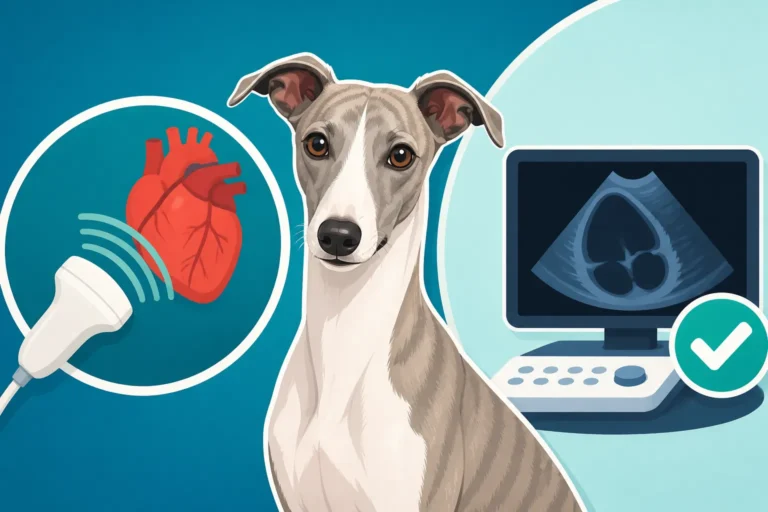
A puppy born deaf might be completely deaf in both ears (bilateral) or in just one ear (unilateral). Identifying unilateral deafness in a young puppy can be particularly challenging, as they compensate remarkably well using their good ear. This is why specialized testing, such as the BAER (Brainstem Auditory Evoked Response) test, is the most reliable way to diagnose congenital deafness. This test measures the electrical activity in the brain in response to auditory stimuli and can accurately assess hearing in each ear independently. While rare, if a Whippet puppy is suspected of being deaf, a BAER test is the definitive diagnostic tool. It’s definitely something to consider if a breeder mentions potential hearing issues in a litter, regardless of coat color.
Acquired and Age-Related Hearing Loss
Beyond congenital factors, Whippets can experience acquired hearing loss, meaning it develops later in life due to various environmental or health reasons. One of the most common causes of acquired deafness in all dogs, including Whippets, is simply age. As dogs get older, much like humans, the structures within their ears can degenerate, leading to a gradual decline in hearing. Caring for an Old Whippet That Feels the Cold often involves recognizing these subtle changes as part of the aging process.
Other factors can contribute to acquired hearing loss:
- Chronic Ear Infections: Repeated or severe ear infections can damage the eardrum and inner ear structures, leading to permanent hearing loss if not treated effectively. While Whippets with their typically clean ears are not as prone to ear infections as some floppy-eared breeds, they are still a possibility.
- Trauma: Injuries to the head or ear can damage the auditory system.
- Exposure to Loud Noises: Prolonged exposure to very loud sounds can harm a dog's hearing over time.
- Certain Medications: Some drugs, particularly certain antibiotics, can be ototoxic, meaning they can cause damage to the ear and lead to hearing loss as a side effect. Your vet will always weigh these risks carefully when prescribing medication.
- Tumors or Polyps: Growths within the ear canal or brain can obstruct sound waves or damage auditory nerves.
Recognizing these potential causes helps owners take proactive steps, such as keeping ears clean and seeking prompt veterinary care for infections, to preserve their Whippet's hearing for as long as possible. Sometimes, even seemingly unrelated issues like The Bloodwork Numbers That Look Wrong on a Healthy Whippet could point to systemic problems that might impact various organs, including the ears, though this is less common for deafness.
Living with a Hearing-Impaired Whippet
Discovering that your Whippet has hearing loss, whether congenital or acquired, can be a challenging moment. However, it's absolutely not a death sentence for a happy, fulfilling life together. Whippets, like all dogs, are incredibly adaptable, and with the right approach, a deaf Whippet can thrive. It just requires a different set of communication tools and a heightened awareness of their unique needs.
Recognizing the Signs of Deafness
Spotting deafness in a Whippet can be trickier than you might imagine, especially if it's unilateral. Dogs are experts at compensating. However, there are several signs that might indicate your Whippet isn't hearing as well as they should:
- Lack of response to sounds: They don't react to their name, squeaky toys, the doorbell, or loud noises like thunder.
- Doesn't wake up to noise: A sleeping Whippet might only stir if you physically touch them, not when you call their name from across the room.
- Startles easily: They seem to be startled more often when approached from behind or woken up, as they didn't hear you coming.
- Doesn't orient ears: Their ears don't twitch or turn in the direction of sounds.
- Excessive barking/vocalization: Some deaf dogs might vocalize more, seemingly unaware of the volume of their own voice, while others might become quieter.
- Difficulty learning verbal commands: If you're struggling to teach them "sit" or "stay" using voice commands alone, it might be a clue.
If you notice any of these signs, it's crucial to schedule a visit with your veterinarian. They can perform an initial assessment and, if necessary, refer you to a specialist for a BAER test to definitively diagnose hearing loss and determine its extent. Early detection allows you to adapt your training and living arrangements more effectively.
Training and Communication Strategies
Training a deaf Whippet isn't about giving up; it's about shifting your approach to visual communication. These intelligent dogs are highly observant, making them excellent candidates for hand signals and body language.
Here’s how to adapt your communication:
- Hand Signals: This is your primary tool. Start teaching hand signals for basic commands (sit, stay, come, lie down, no) using positive reinforcement and high-value treats. Be consistent with your chosen signals. Many resources online offer standard dog hand signals, or you can create your own. Consistency is key!
- Body Language: Whippets are very attuned to human body language. Use clear, exaggerated movements to get their attention and convey your mood.
- Vibrating Collars: These collars, which emit a vibration rather than a shock, can be invaluable for getting your deaf Whippet’s attention, especially when they are looking away from you. This can be particularly useful for recall in a fenced area. Never use a shock collar.
- Light Signals: A flashlight can be used at night or in dimly lit areas to get their attention.
- Touch: Gentle taps or nudges can also be used to get their attention before giving a hand signal. Always approach them gently to avoid startling them.
A deaf Whippet can absolutely learn a wide range of commands and tricks. It just requires patience, consistency, and a commitment to visual cues. In fact, many deaf dogs excel in activities like agility or rally obedience because they are so focused on their handler's movements. You might even find that a deaf Whippet seems calmer and more focused in busy environments, as they're not distracted by ambient noise.
Ensuring Safety for a Deaf Whippet
Safety is paramount for a hearing-impaired Whippet, especially given their speed and prey drive. The world can be a much more dangerous place when you can't hear approaching threats.
Here are key safety considerations:
- Leash Always: A deaf Whippet should never be off-leash in an unfenced or unsecured area. Their inability to hear cars, bikes, other dogs, or your frantic calls means they can easily wander into danger. Even in a fenced yard, ensure the fence is secure and they are supervised. The article "Why a Whippet Cannot Be Let Off Leash in an Open Field" underscores the inherent danger of their chase instinct, which is amplified when they can't hear.
- Secure Fencing: Your yard needs to be escape-proof. Whippets can jump surprisingly high, so consider "How Tall a Fence a Whippet Needs" carefully.
- Identification: Ensure your Whippet always wears an ID tag clearly stating they are deaf, along with your contact information. This is critical in case they get lost. Microchipping is also a must.
- Awareness in Public: When out and about, be mindful of people approaching. A deaf Whippet might startle if someone reaches out to pet them unexpectedly. Politely inform people that your dog is deaf to help them understand.
- Home Safety: Consider visual alerts like flashing lights for doorbells or smoke detectors. Always approach your sleeping Whippet gently to avoid startling them.
- Supervision with Children and Other Pets: While Whippets are generally good with children, a deaf dog might not hear a child approaching or be aware of their play. Supervision is always wise. Similarly, while a Whippet can live with a cat, a deaf one might not hear a feline friend approaching, requiring careful introductions and management.
Living with a deaf Whippet opens up a new way of communicating and bonding. It requires a bit more vigilance, but the love and companionship they offer are immeasurable. Thinking about the long-term, it's good to consider pet insurance from providers like Healthy Paws, which can help cover unexpected vet bills, though congenital conditions might have specific policy limitations depending on when the policy was enacted.
| Cause of Deafness | Description | Common in Whippets? (Link to Color?) | How to Detect/Manage |
|---|---|---|---|
| Color Dilution | Genetic mutation affecting pigment distribution (e.g., blue/fawn coats). | No (Not linked to deafness) | No specific action needed for hearing. Enjoy their beautiful coat! |
| Merle/Piebald Genes | Genetic patterns causing mottled colors or extensive white (primarily in other breeds like Dalmatians). | No (Not present in Whippets) | Not applicable to Whippets. |
| Congenital (Idiopathic) | Present from birth, often without a clear genetic marker or specific cause in Whippets. | Rare, but possible | BAER testing in puppies. Adapt communication with hand signals. |
| Age-Related | Gradual degeneration of auditory structures as a dog ages. | Yes, common in senior Whippets | Monitor for signs, adapt communication. |
| Chronic Ear Infections | Repeated or severe infections damaging inner ear structures. | Possible (less common in Whippets) | Regular ear checks, prompt vet treatment for infections. |
| Ototoxic Medications | Certain drugs that can cause ear damage as a side effect. | Possible, vet discretion | Discuss medication side effects with your vet. |
| Trauma/Tumors | Physical injury to head/ear or growths within the auditory system. | Rare | Vet examination, imaging if suspected. |
Responsible Breeding and Health Screening
For anyone involved in Whippet breeding or looking to bring a new Whippet into their family, understanding responsible practices for health screening is paramount. While we’ve established that color dilution isn’t a direct cause of deafness in Whippets, breeders still have a critical role in minimizing the risk of other forms of hearing loss and promoting overall health. This commitment to health goes beyond just avoiding aesthetic faults; it's about ensuring a happy, healthy life for every puppy.
Genetic Testing Beyond Color
While genetic tests for coat color (like the D-locus for dilution) are widely available and useful for predicting litter colors, these are distinct from health-focused genetic tests. For Whippets, responsible breeders prioritize screening for conditions known to affect the breed, even if they are rare. For instance, reputable breeders will often screen for certain eye diseases such as Progressive Retinal Atrophy in a Whippet, or cardiac conditions like Mitral Valve Disease in a Whippet. These conditions have specific genetic markers or screening protocols that help identify at-risk individuals or carriers.
When it comes to deafness, especially congenital deafness not linked to a pigment gene, the genetic picture can be more complex. There isn't a simple DNA test for generalized congenital deafness in Whippets as there might be for certain pigment-linked forms in other breeds. Therefore, a breeder's focus often shifts to health history, temperament, and, if concerns arise, specialized hearing tests. The emphasis remains on breeding healthy, sound Whippets, not just those with popular coat colors. This is a crucial aspect of ethical breeding that goes far beyond surface appearances or simple color genetics.
Importance of BAER Testing
For breeds where congenital deafness is a known issue, regardless of color, BAER (Brainstem Auditory Evoked Response) testing is the gold standard for screening puppies. This non-invasive test measures electrical activity in the brain in response to clicks delivered to each ear, providing an objective assessment of hearing. For Whippets, routine BAER testing of entire litters isn't standard practice because congenital deafness isn't a widespread breed problem like it is in Dalmatians or certain white Boxers. However, it absolutely has its place.
A breeder should consider BAER testing if:
- There's a history of unexplained deafness in the direct lineage.
- A puppy shows behavioral signs suggestive of hearing loss (e.g., consistently startled, unresponsive to loud noises).
- They are breeding a line where deafness has appeared, even if sporadically, to ensure they are not inadvertently contributing to the problem.
For prospective puppy buyers, asking about health testing for parents, general health guarantees, and what happens if a puppy is found to be deaf is perfectly reasonable. While a breeder might not routinely BAER test all Whippet puppies, they should be knowledgeable about breed health and willing to discuss any concerns openly. Good breeders will prioritize health and temperament above all else. This might also factor into "What a Whippet Puppy Costs in 2026," as thorough health testing is an investment. While insurance plans like Healthy Paws can offer great peace of mind, it’s always better to start with a puppy from well-screened parents whenever possible.
Disclaimer
Please note that the information provided in this article is for general educational purposes only and should not be considered a substitute for professional veterinary advice. Always consult with a qualified veterinarian for any health concerns or before making any decisions related to your Whippet's care. Breed health information can evolve, and individual cases may vary significantly.