Treating a Whippet’s Skin Tear
One of the most heart-stopping moments for any Whippet owner is finding their beloved companion with a nasty skin tear. Because their skin is so incredibly fine and lacks the protective fat layer common in other breeds, these injuries are unfortunately a common reality, often appearing suddenly and looking far worse than they might be. This guide is here to walk you through everything you need to know about treating a Whippet's skin tear, from immediate first aid to veterinary care and preventing future incidents.
Understanding Why Whippets Are Prone to Skin Tears
It's a fact of Whippet ownership: their skin is delicate, almost paper-thin. While it's part of what makes them so elegant and aerodynamic, it also makes them incredibly susceptible to nicks, scrapes, and full-blown tears that would barely register on a thicker-skinned dog. This isn't a sign of poor health; it's simply how the breed is built, a legacy of their swift, pursuit-oriented design. Understanding this inherent fragility is the first step in being prepared for when (not if, sadly) one of these injuries occurs.
The Delicate Nature of Whippet Skin
Unlike breeds with thick, loose skin or dense undercoats, a Whippet's skin is taut and close to the muscle, with very little subcutaneous fat to cushion it. Imagine trying to protect a delicate piece of silk without any padding – that's often what it feels like to protect a Whippet. This lack of protective tissue means that even minor abrasions or impacts can result in a significant tear rather than just a bruise or a surface scratch. The skin simply doesn't have the elasticity or bulk to absorb much force.
This unique anatomy means that their skin often doesn't "give" when it encounters resistance. Instead, it tears cleanly or sometimes in a ragged, flap-like manner. It's not uncommon for owners to comment on The Thin Skin That Sends a Whippet to the Vet for Stitches, feeling a mix of frustration and worry when even a small incident leads to a gaping wound. This isn't your fault as an owner; it's simply a characteristic of the breed that requires a proactive approach to care.
Common Scenarios for Skin Tears
Whippets, by nature, are active and often playful dogs. Their love for a good zoomie or a vigorous play session can put them in situations where skin tears are all too common. Picture your Whippet chasing a squirrel through a dense thicket in the park, or perhaps excitedly scrambling under a deck in pursuit of a toy – these are prime opportunities for injury. A branch, a rough patch of bark, or even the sharp edge of a garden ornament can be enough.
Another frequent culprit is the home environment itself. While we strive to make our homes safe havens, everyday items can pose a risk. A friend's Whippet once managed to get a nasty tear on a slightly exposed corner of a metal crate door while excitedly trying to get out – a scenario that highlights Whether a Whippet Tears Its Skin on a Crate Door. Similarly, roughhousing with another dog, especially one with a more boisterous play style or sharper nails, can lead to accidental tears. Even a frantic scratch at an itch can sometimes be enough to cause damage.
Immediate First Aid for a Whippet Skin Tear
Discovering a skin tear can be quite shocking, as these wounds tend to bleed rather dramatically, making them appear far worse than they might be in terms of actual severity. Your calm and quick response is crucial, not just for the immediate health of your Whippet but also for keeping them from panicking further. Having a well-stocked first aid kit specifically for your Whippet is invaluable here, ensuring you have the right tools at your fingertips when seconds count.
Assessing the Wound and Stopping Bleeding
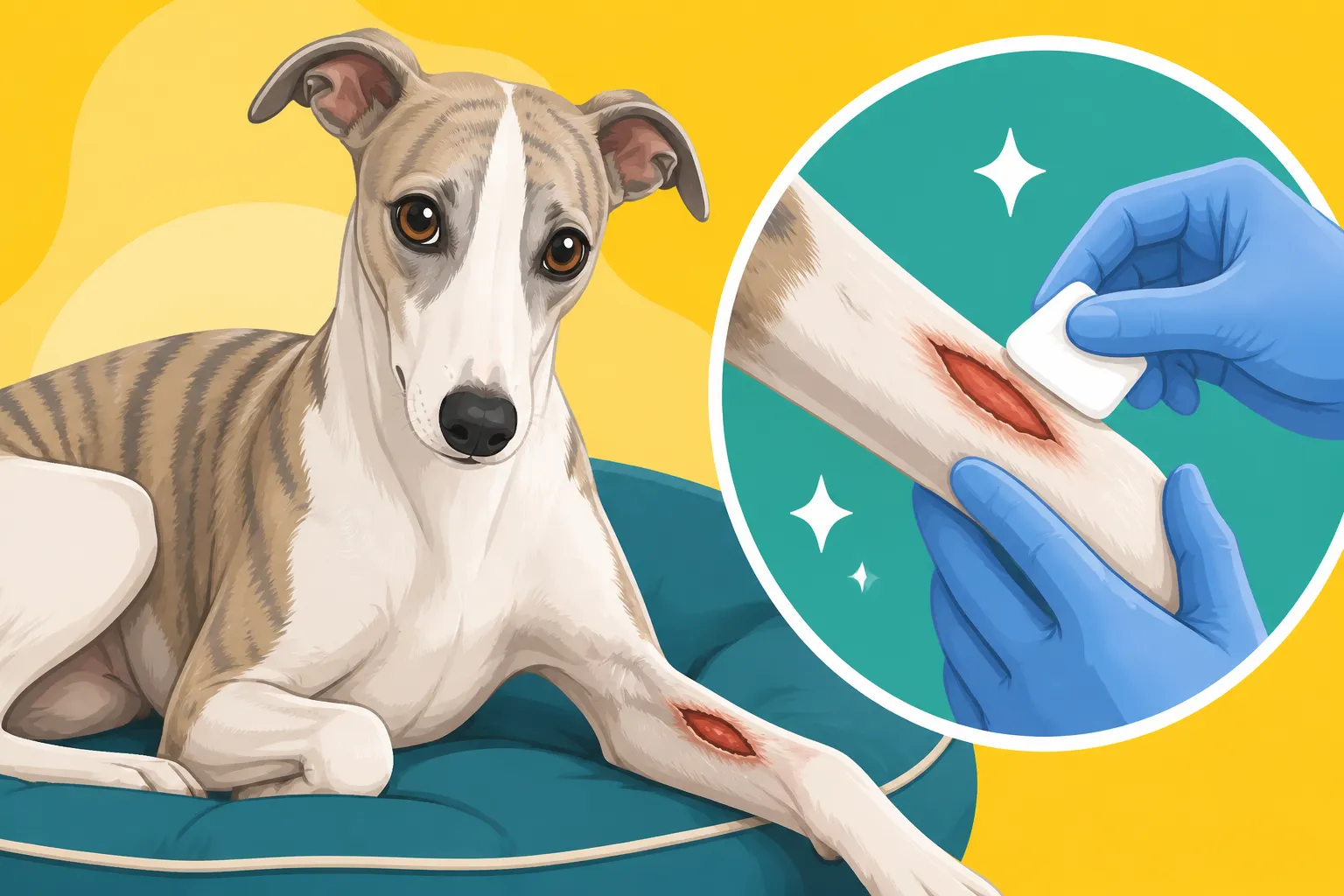
The very first thing to do is to try and get a good look at the wound, even through the blood. Gently part the fur to assess the depth and length of the tear. Is it a superficial scrape, or does it look like the skin has completely separated? Try to determine if there's any foreign material embedded in the wound, like dirt, splinters, or grass. While assessing, your primary goal is to control any bleeding. Apply gentle but firm pressure directly to the wound using a clean cloth or gauze pad. Avoid scrubbing or wiping vigorously, as this can dislodge clots and worsen the bleeding.
Continue applying pressure for at least five to ten minutes, without peeking, to allow the blood to clot. Elevating the injured limb, if possible, can also help reduce blood flow. Remember, a Whippet's thin skin means even minor tears can bleed profusely, so don't be alarmed by the amount of blood; focus on stopping it. If the bleeding is profuse and doesn't slow after ten minutes of direct pressure, or if it spurts, indicating arterial bleeding, this is an immediate emergency that requires veterinary intervention.
Cleaning the Wound Effectively
Once the bleeding has subsided, the next critical step is to clean the wound thoroughly to prevent infection. This might be painful for your Whippet, so having a second person to gently hold and reassure them can be incredibly helpful. Use a sterile saline solution (you can buy this or make it by dissolving a quarter teaspoon of salt in a cup of boiled and cooled water) or a dilute antiseptic solution like chlorhexidine (check with your vet about proper dilution ratios, usually 0.05% is safe). Avoid harsh chemicals like hydrogen peroxide or rubbing alcohol, as these can damage delicate tissue and delay healing.
Gently flush the wound, allowing the water to run over it and carry away any dirt or debris. You can use a syringe (without the needle!) or a clean spray bottle for this. If there's hair around the wound, carefully trim it back with blunt-nosed scissors to prevent it from getting into the wound and hindering cleaning or future vet examination. After cleaning, pat the area dry with a fresh, clean piece of gauze. Remember that Cleaning and Dressing a Whippet's Cut properly at home can make a significant difference in preventing complications.
Protecting the Tear Before Vet Care
After cleaning, you need to protect the wound until you can get your Whippet to the vet. This prevents further contamination, keeps your dog from licking or chewing at it, and provides a barrier against external irritants. Apply a thin layer of an antibiotic ointment, if approved by your vet, over the wound – a triple antibiotic cream without pain relief is generally safe for dogs, but always confirm first. Then, cover the wound with a non-stick gauze pad, securing it gently but firmly with vet wrap or a self-adhesive bandage. Make sure the bandage isn't too tight, which could cut off circulation; you should be able to slip two fingers underneath it.
This protective dressing is temporary, designed to keep the wound clean during transport to the vet. Ensure your Whippet can't reach the bandage to chew or pull it off. If they're particularly persistent, an E-collar (cone of shame) might be necessary even for this short period. Remember, this is about damage control and preparing for professional medical attention, not a permanent solution for deep or complex tears.
When a Whippet's Skin Tear Absolutely Needs a Vet
While minor scrapes might heal with diligent home care, many Whippet skin tears warrant immediate professional attention. It can be hard to judge the severity yourself, especially when you're worried about your dog. Knowing when to make that urgent call to your veterinarian can prevent complications, ensure proper healing, and ultimately save your Whippet from unnecessary pain and prolonged recovery. Don't second-guess yourself when it comes to significant injuries; a quick trip to the vet is always the safest bet.
Recognizing Signs of Serious Injury or Infection
It's tempting to think you can handle every little boo-boo at home, but with a Whippet's delicate skin, even seemingly small tears can have deeper implications. You should seek veterinary care immediately if the wound is deep enough to expose underlying fat, muscle, or bone, or if it's longer than about an inch. Tears that are wide open and won't stay closed, or those located over a joint, are also prime candidates for professional intervention. Puncture wounds, even small ones, can be deceptively dangerous as they can push bacteria deep into the tissue.
Beyond the initial appearance, watch for signs of infection in the hours or day after the injury. These include redness, swelling, increased pain when the area is touched, warmth around the wound, or any discharge that is yellow, green, or foul-smelling. If your Whippet seems lethargic, loses their appetite, or develops a fever, these are systemic signs of infection and require urgent veterinary attention. Simply put, if you're ever in doubt, or if you ask yourself When a Whippet's Wound Needs a Vet, the answer is almost always yes.
The Importance of Professional Closure
Many Whippet skin tears, particularly those that are deep or create a flap of skin, will not heal properly on their own without some form of closure. Leaving a gaping wound open increases the risk of infection significantly and can lead to excessive scarring and a longer, more painful healing process. A veterinarian can thoroughly clean the wound, remove any damaged tissue, and bring the skin edges together precisely, which is crucial for minimizing scarring and promoting faster, healthier healing.
Professional closure also means the vet can assess for any deeper damage that might not be visible to the untrained eye, such as damage to underlying muscles or blood vessels. They can provide appropriate pain relief and, if necessary, prescribe antibiotics to prevent or treat infection. Ignoring a significant tear in hopes it will "dry up" or "scab over" is often a recipe for disaster, potentially leading to chronic wounds or the need for more complex and expensive surgical interventions down the line. What a Whippet Laceration Repair Costs can vary, but it's an investment in your dog's rapid recovery and comfort.
Veterinary Treatment Options for Whippet Skin Tears
Once you're at the vet, they'll thoroughly examine your Whippet and the injury to determine the best course of action. Because Whippets have such particular needs, it's beneficial to have a vet who understands sighthound physiology. They will choose a method of wound closure that prioritizes minimal tension on the delicate skin and effective healing. Your vet will also discuss pain management and infection prevention, which are critical components of a smooth recovery for your sensitive Whippet.
Stitches, Staples, and Skin Glue
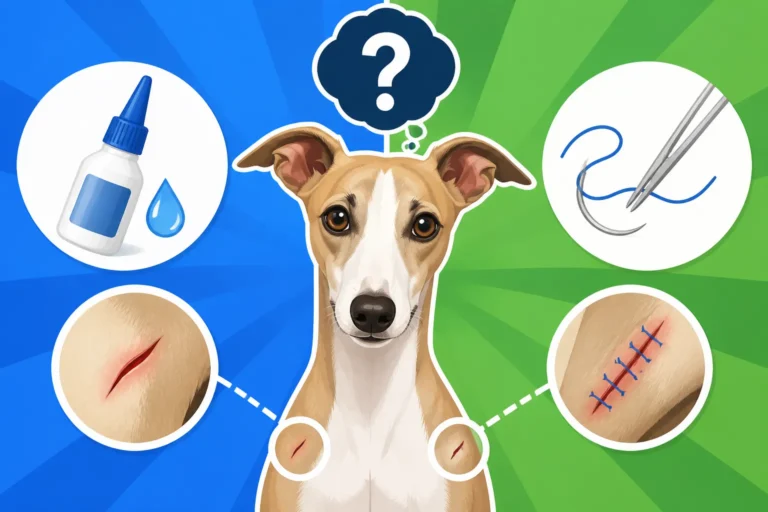
For most significant skin tears, traditional sutures (stitches) are the most common and effective method of closure. The vet will use fine surgical thread to carefully bring the edges of the skin together. They'll likely use an absorbable suture material internally and non-absorbable ones externally, which will need to be removed in 10-14 days. Staples are sometimes used for longer, cleaner cuts, as they are quick to apply, though they can be a bit bulkier. For very superficial tears or those with clean edges in low-movement areas, veterinary skin glue might be an option. This adhesive creates a strong bond that holds the skin edges together, often eliminating the need for traditional stitches. However, skin glue isn't suitable for all types of tears, especially deep or heavily contaminated ones. Your vet will weigh the pros and cons; for instance, Whether a Whippet's Wound Needs Glue or Stitches depends heavily on the injury's specifics.
Sometimes, the tear might be so extensive, or the skin so compromised, that a simple direct closure isn't possible. In these cases, the vet might need to perform a local flap surgery, where healthy skin is carefully mobilized from an adjacent area to cover the defect. This is more common with large avulsion injuries where a significant amount of skin has been lost. Regardless of the method, anesthesia or sedation is almost always required to ensure the Whippet remains still and comfortable during the cleaning and closure process, making the procedure less stressful for them and allowing the vet to work meticulously.
Managing Pain and Preventing Infection
A skin tear, especially one that requires sutures, is undoubtedly painful for your Whippet. Your vet will prescribe appropriate pain medication to keep them comfortable during the initial healing phase. This might include non-steroidal anti-inflammatory drugs (NSAIDs) to reduce pain and swelling, or sometimes stronger analgesics if the injury is severe. It's crucial to administer these medications exactly as prescribed to ensure your Whippet's comfort and compliance with rest.
To ward off potential infections, particularly for wounds that were dirty, deep, or delayed in treatment, your vet will likely prescribe a course of oral antibiotics. It's a common concern among owners to wonder Whether a Whippet Needs Antibiotics for Every Cut, but for anything more than a superficial graze, it's usually a wise preventative measure given the risks. Always complete the entire course of antibiotics, even if the wound looks to be healing well, to prevent antibiotic resistance and ensure the infection is fully cleared. Keeping the wound clean and dry at home is also paramount in preventing secondary infections.
Post-Procedure Care and Follow-Up
The work isn't over once your Whippet leaves the vet. Post-procedure care at home is vital for successful healing. You'll need to keep the wound site clean and dry, which often means preventing your Whippet from licking or chewing at the stitches. This is where the dreaded, but necessary, Elizabethan collar (E-collar or "cone of shame") comes in. While your Whippet might hate it, Whether a Whippet Should Wear a Cone After Stitches is usually a non-negotiable step to prevent them from undoing the vet's careful work or introducing bacteria.
You'll also need to monitor the wound daily for any signs of complications, such as excessive redness, swelling, discharge, or if the stitches appear to be coming undone. Your vet will schedule a follow-up appointment, typically in 10-14 days, to check the healing progress and remove any external sutures or staples. Adhering to these follow-up appointments is essential to ensure everything is healing as it should and to address any concerns promptly. Some pet insurance providers, like Healthy Paws, can be incredibly helpful in covering these unexpected vet bills, providing peace of mind during stressful times.
Healing and Recovery: What to Expect
Healing from a skin tear, especially a significant one, is a process that requires patience and dedication from you as the owner. Whippets, being sighthounds, often have skin that can be a bit slower to heal compared to some other breeds. Understanding the timeline and potential hurdles will help you manage expectations and provide the best possible environment for your dog's recovery. This phase is all about vigilance, gentle care, and carefully balancing rest with mental stimulation.
Keeping the Wound Clean and Protected
Maintaining a pristine environment for the healing wound is paramount. Your vet will likely advise you on how often and with what solution to gently clean the area, if at all, post-sutures. Often, simply keeping it dry and protected from external elements is enough. You might be asked to apply a thin layer of a prescribed topical ointment to aid healing or prevent bacterial growth. The E-collar remains your best friend during this period, ensuring your Whippet doesn't disturb the delicate healing tissue. A good fit is crucial to prevent them from bending it or finding ways around it.
It's also essential to prevent your Whippet from getting the wound wet, which means no baths, swimming, or running through damp grass until the vet gives the all-clear. If you live in an area prone to mud or rain, consider indoor potty breaks or very short, supervised outdoor excursions on a leash. Pay close attention to the cleanliness of their bedding as well, as a dirty bed can introduce bacteria to the healing wound. Regularly washing blankets and ensuring their favorite sleeping spots are fresh will contribute to a faster, healthier recovery.
The Challenge of Restricted Activity
This is often one of the toughest parts of recovery for an active Whippet owner. Whippets are built for speed and bursts of energy, and suddenly being told they can't run, jump, or play can be incredibly frustrating for them. However, excessive movement can put tension on the stitches, potentially causing them to break open or delaying proper tissue adhesion. Your vet will give you specific guidelines on activity restriction, which typically means leash walks only, no off-leash running, and avoiding stairs or jumping on furniture for several weeks.
To combat boredom and prevent cabin fever for both you and your Whippet, focus on mental enrichment. Puzzle toys, gentle training sessions that don't involve much movement (like "stay" or "look"), and short, calm sniff walks in the yard can provide much-needed stimulation. Remember that How Slowly a Whippet's Skin Heals means this period of restriction is crucial; pushing them too soon can set back the healing process significantly. Consider an indoor scavenger hunt for treats to keep their minds engaged without strenuous physical activity.
Watching for Complications
Even with the best care, complications can sometimes arise during the healing process. Keep a keen eye out for any signs that the wound isn't progressing as it should. This includes increased redness, swelling, warmth, or pain around the site, especially if accompanied by a foul odor or pus-like discharge. These could indicate an infection that requires further veterinary attention and perhaps a different antibiotic.
Another concern is wound dehiscence, where the wound edges pull apart, or stitches break. This might be due to excessive activity, too much tension on the skin, or an underlying infection. If you notice any gaping or opening of the wound, contact your vet immediately. Prompt intervention can often prevent the need for re-stitching or further complications. While a Whippet's scars tend to be less noticeable than on some other breeds, understanding How Badly a Whippet Scars can help manage expectations for the long-term cosmetic outcome, though health and function are always the primary concerns.
Preventing Future Skin Tears in Your Whippet
As a Whippet owner, you'll quickly realize that prevention is truly worth a pound of cure when it comes to their delicate skin. While you can't eliminate every risk, many common scenarios for skin tears can be mitigated with a bit of foresight and environmental management. Taking proactive steps not only reduces the chance of vet visits but also helps your Whippet lead a safer, more comfortable life, which is always the goal.
Environmental Management and Protective Gear
One of the most effective ways to prevent skin tears is to modify your Whippet's environment, both indoors and out. Routinely scan your yard for potential hazards: sharp branches, exposed metal edges on fencing, or any debris that could cause a snag. If your Whippet loves to zoom in the yard, consider creating a safe, open running space free of obstacles. Indoors, check for sharp furniture corners, exposed wires, or anything they might bump into during a playful dash. For especially rambunctious play, consider supervising interactions closely, particularly if they're playing with larger, more powerful breeds.
When out and about, especially in wooded areas, dense brush, or places with rough terrain, protective gear can make a significant difference. A well-fitting, durable coat or vest can provide an extra layer of defense against scrapes and punctures. Think of it like a light suit of armor for their delicate physique. While it might seem excessive to some, for a Whippet charging through undergrowth, it could be the difference between a minor incident and an emergency vet visit. Remember to check Whether a Whippet Should Wear a Coat in Cover to minimize potential injuries.
Diet and Skin Health
While external protection is crucial, supporting your Whippet's skin health from the inside out also plays a vital role in its overall resilience. A balanced, high-quality diet rich in essential fatty acids (like Omega-3 and Omega-6) can contribute to healthier, more supple skin and a stronger coat. Look for dog foods that list ingredients like fish oil, flaxseed, or other beneficial oils. These nutrients can help maintain the skin's barrier function, making it slightly more resistant to minor trauma and improving its ability to heal quickly should an injury occur.
Hydration is also key for healthy skin. Ensure your Whippet always has access to fresh, clean water. While it won't prevent a deep tear from a sharp object, well-hydrated skin is generally more elastic and resilient than dry, flaky skin. If your Whippet has recurring skin issues or seems to have unusually fragile skin, discuss their diet with your veterinarian. They might recommend specific supplements or dietary changes to optimize skin health. Investing in quality nutrition is a foundational aspect of caring for your Whippet and helps them thrive throughout their The Twelve to Fifteen Years a Whippet Lives.
Disclaimer
The information provided in this guide is for general informational purposes only and does not constitute veterinary advice. Always consult with a qualified veterinarian for any health concerns or before making any decisions related to your Whippet's medical care.