Whether a Whippet Coat Should Cover the Belly
If you've ever watched your Whippet shiver on a cool autumn morning or hunch their back against a brisk wind, you've probably wondered if their sleek, thin coat is enough. Many standard dog coats leave a Whippet's delicate belly exposed, and it's a valid concern for any owner trying to keep their sensitive sighthound warm and comfortable. This guide is here to shed light on why belly coverage isn't just a luxury but often a necessity for your Whippet, helping you understand what to look for in a protective garment.
The Unique Vulnerability of a Whippet's Belly
Whippets are truly special dogs, known for their incredible speed and elegant, lithe build. But these very characteristics that make them so beautiful and athletic also leave them uniquely vulnerable to the elements, especially when it comes to their undersides. It's not just about looking thin; it's about genuine physical differences that impact their ability to regulate body temperature.
Why Whippets Lack Natural Insulation
Let's face it, a Whippet isn't built like a Husky or a Newfoundland. They are sprinters, bred for bursts of speed and agility, not for enduring harsh, prolonged cold. Their physical makeup is a masterclass in efficiency: minimal body fat, incredibly thin skin, and a very short, fine coat. While this is fantastic for racing and keeping cool during strenuous activity, it's a huge disadvantage when the mercury drops.
Think about it this way: A Whippet Has No Insulation and No Padding. Unlike breeds with thick double coats or ample subcutaneous fat, a Whippet's skin is often translucent, allowing you to see veins underneath. Their bellies, in particular, are extremely exposed. There's little to no fat layer there, and the fur is sparse. This means the delicate skin of their abdomen and groin area is directly subjected to cold air, wet ground, and chilly surfaces. It's a stark contrast to many other breeds who have a decent amount of fur or even a thick "apron" of hair to protect their undersides. For a Whippet, their belly is one of their most vulnerable spots for heat loss.
The Importance of Core Body Temperature
Maintaining a stable core body temperature is vital for any mammal, and dogs are no exception. When a dog gets too cold, their body has to work harder to generate heat, which expends energy and can lead to discomfort, muscle stiffness, and in severe cases, even hypothermia. For a Whippet, whose natural defense against cold is so limited, this is a particular concern.
The belly is a critical area for heat exchange. It's a large surface area, often without significant fur, and it's constantly closer to the ground, which can be much colder than the ambient air temperature. Imagine your Whippet trotting through snow or wet grass – their entire belly is getting chilled, potentially bringing down their overall core temperature quite rapidly. This isn't just about them feeling a bit chilly; it impacts their circulation, their immune system, and their general well-being. A cold belly can make them miserable, less inclined to exercise, and more susceptible to minor ailments. It's not uncommon for owners to observe their Whippets shivering indoors, even when they feel the house is a comfortable temperature, simply because they're lying on a cool floor with their exposed belly.
Understanding Coat Designs and Belly Coverage
When you're shopping for a dog coat, you'll quickly realize that "one size fits all" is a myth, especially for the unique physique of a Whippet. Standard designs often miss the mark entirely, leaving your sighthound just as vulnerable as if they were wearing no coat at all. It's crucial to understand the different types of coverage available and why certain designs are better suited to your Whippet's needs.
The Spectrum of Belly Coverage in Dog Coats
Most dog coats fall into a few general categories when it comes to covering the belly:
- Saddle-style coats: These are the most common and often the least effective for Whippets. They essentially drape over the dog's back, fastening with straps around the belly. While they might protect the back from rain or snow, they leave the vast majority of the chest, sides of the belly, and the entire tucked-up abdomen completely exposed. For a Whippet, this is like wearing a hat in a snowstorm – nice, but not nearly enough.
- Chest plate or underside panel coats: These are an improvement, offering a piece of fabric that extends down the chest and often partially covers the forward part of the belly. This is better for breeds with more uniform body shapes, but a Whippet's deep chest and dramatic tuck-up mean there's still a significant gap where cold can creep in. The panel might protect the sternum, but it often doesn't extend far enough back to cover the abdomen effectively.
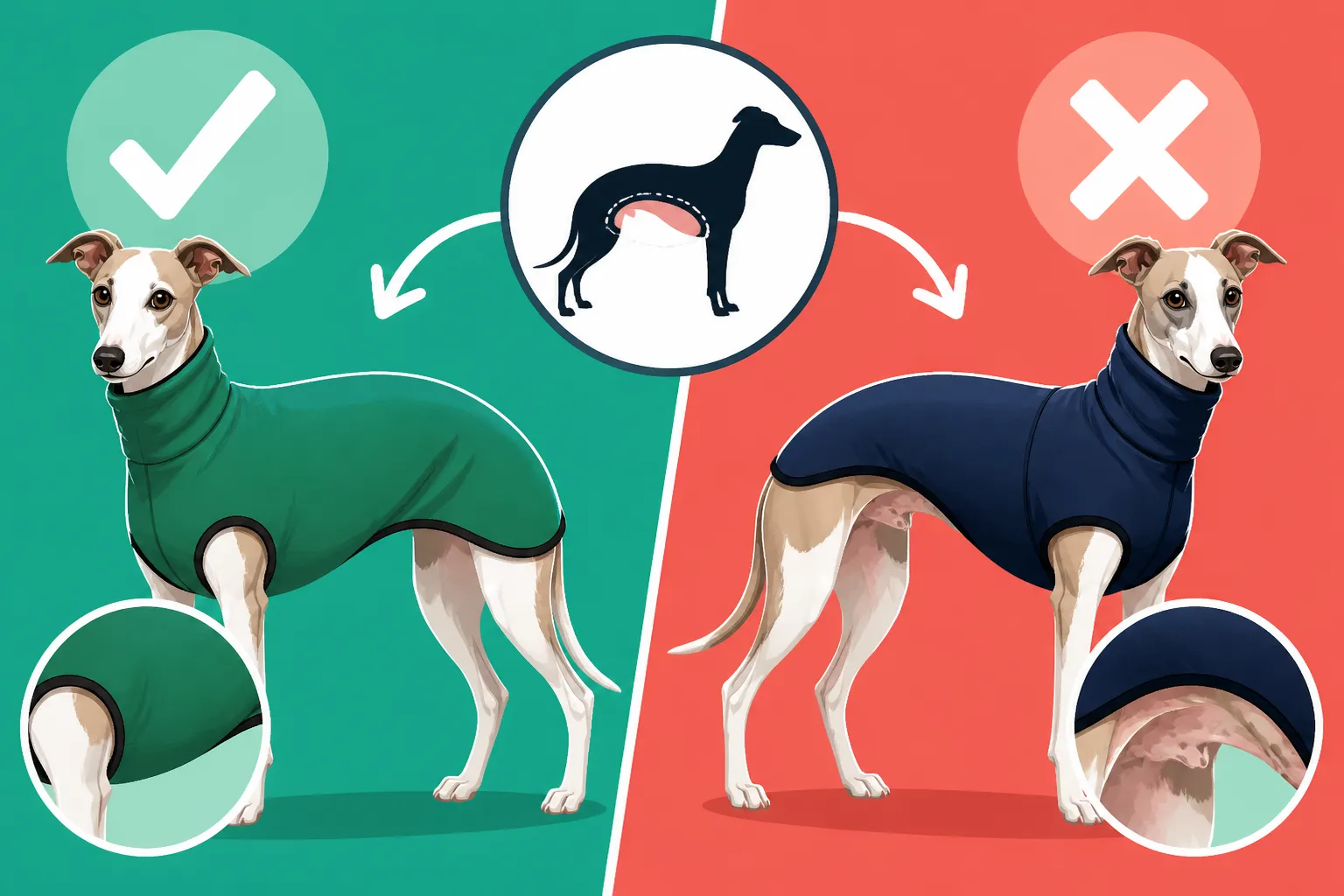
- Full wrap or "onesie" style coats: This is generally the gold standard for Whippets. These coats are often designed specifically for sighthounds, featuring a deep chest panel that wraps well under the belly, sometimes even extending back towards the hind legs. Some are like full body suits, covering legs too, which can be fantastic in extreme cold. They are engineered to contour to the Whippet's shape, providing comprehensive coverage from neck to tail, including the vulnerable underbelly. These are not just fashion statements; they are functional pieces of your Whippet's essential The Wardrobe a Whippet Needs Because It Has No Body Fat.
It's important to differentiate between a coat meant for a quick fashion statement and one intended for functional warmth and protection. For a Whippet, function almost always dictates the choice. A cute little denim jacket might look adorable, but it won't keep their core warm on a chilly walk.
Benefits of Adequate Belly Protection
Ensuring your Whippet's coat covers their belly offers a multitude of benefits that go far beyond just looking cozy.
- Superior Warmth: This is the most obvious and immediate benefit. By covering the large, thin-skinned area of the belly and chest, you significantly reduce heat loss, helping your Whippet maintain a comfortable core body temperature. This means less shivering, more comfortable walks, and a generally happier dog during colder months.
- Enhanced Cleanliness: If you've ever walked your Whippet after a rain shower or through a patch of melting snow, you know their belly can become a muddy mess in seconds. A coat with good belly coverage acts as a shield, keeping their underside much cleaner and drier. This translates to fewer baths and less time spent wiping down a cold, damp dog upon returning home. It also protects them from getting sprayed by road salt or de-icing chemicals if you're walking in urban areas.
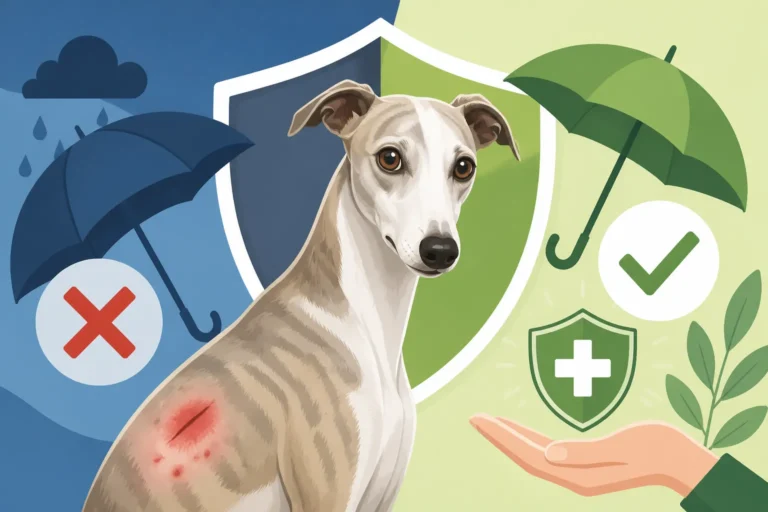
- Protection from Injury: Whippets, with their thin skin, are notoriously prone to nicks, scrapes, and skin tears, especially when running through brush, tall grass, or even playing rambunctiously. The belly and chest are often areas that can brush against abrasive surfaces. A robust coat with good belly coverage can offer a layer of protection, deflecting minor hazards. While it won't prevent all injuries, it can certainly help reduce the frequency and severity of superficial wounds, potentially saving you a trip to the vet for Treating a Whippet's Skin Tear.
- Overall Comfort and Enjoyment: When a Whippet is warm and protected, they are more likely to enjoy their outdoor adventures. They won't be distracted by the cold, allowing them to engage more fully with their environment and get the exercise they need. For male dogs, specifically, the delicate areas of the groin can be particularly sensitive to extreme cold or contact with snow and ice, making proper belly coverage especially valuable.
Choosing the Right Coat for Your Whippet's Belly
Selecting the perfect coat for your Whippet means looking beyond aesthetics and really focusing on functionality, fit, and material. Given their unique body shape and sensitivities, a little extra attention during the selection process will pay off immensely in your Whippet's comfort and health.
Key Features to Look For
When you're trying to find a coat that truly serves your Whippet's needs, keep these essential features in mind:
- Deep Chest and Belly Coverage: This is paramount. Look for coats specifically advertised for sighthounds, Greyhounds, or Whippets, as these brands understand the unique need for a coat that covers their deep chest and significantly tucked abdomen. The coat should extend well past the rib cage and ideally cover most of the belly area, stopping just before the hind legs to allow for toileting.
- Adjustability: A good coat will have adjustable straps around the chest and belly. Whippets have such varied chest depths and waist circumferences even within their breed standard that adjustability is key to achieving a snug yet comfortable fit. You want it to be secure enough not to slip or flap in the wind, but not so tight that it restricts movement or chafes their delicate skin.
- Material and Functionality: Consider the primary use. Do you need a waterproof layer for rain and snow, or something warm and insulating for dry, cold days? Many brands offer different options. For wet weather, a water-resistant or waterproof outer shell is crucial, often lined with fleece for warmth. For just cold, dry days, a soft fleece or insulated puffy coat can be perfect. Remember, Whether a Whippet Needs a Different Coat for Rain and Snow might be a consideration depending on your local climate. Brands like Healthy Paws, while an insurance provider, would agree that proactive care like proper weather gear helps prevent issues down the road.
- Ease of Use: Whippets can be wiggly, and wrestling them into a complicated coat isn't fun for anyone. Look for designs that are easy to put on and take off, often with large buckles, Velcro closures, or simple pull-over designs.
- Durability: Whippets are active. Even if they're couch potatoes indoors, they often burst into enthusiastic zoomies outside. The coat needs to be made from durable materials that can withstand running, rolling, and general wear and tear without ripping or falling apart after a few uses.
Sizing and Fit for Sighthounds
This is where many owners run into trouble with generic dog coats. The standard sizing charts for breeds like Labradors or Beagles simply don't translate to a Whippet's anatomy. Their deep chest, narrow body, and pronounced tuck-up require a very specific cut.
Key Measurements: To ensure a proper fit, you'll typically need to measure:
- Back Length: From the base of the neck (where the collar sits) to the base of the tail.
- Chest Girth: The widest part of their chest, just behind their front legs. This is the most critical measurement for a Whippet's Which Coat Brand Fits a Whippet's Deep Chest.
- Neck Girth: Around the widest part of their neck.
Many specialized sighthound coat manufacturers provide detailed sizing guides that account for these unique proportions. Don't be afraid to reach out to them directly with your measurements if you're unsure. If standard sizes don't work, remember that custom-made coats are also an option. While they might cost a bit more, What a Made to Measure Whippet Coat Costs can be a worthwhile investment for a perfect, long-lasting fit that provides optimal protection and comfort. An ill-fitting coat can chafe their thin skin, restrict their movement, or simply fail to provide the necessary warmth, making the purchase pointless.
When Belly Coverage Is Most Important
While a Whippet can benefit from belly coverage in many situations, there are specific times and conditions when it moves from being a good idea to an absolute necessity for their health and comfort. Understanding these scenarios will help you make informed decisions about your Whippet's "wardrobe."
Cold Weather and Precipitation
This is perhaps the most obvious situation. When the temperatures drop, especially below 45-50°F (7-10°C), a Whippet's lack of insulation becomes a significant problem. Add wind chill, rain, or snow into the mix, and their vulnerability skyrockets.
- Winter Walks: Even a short stroll in freezing temperatures can quickly chill a Whippet to the bone. Their exposed belly, particularly when facing into the wind, loses heat rapidly. A good, insulated coat with full belly coverage acts as a protective cocoon, allowing them to enjoy their walk without discomfort.
- Snow Play: Whippets often love to zoom and play in the snow, but without proper protection, they can get very cold, very fast. Their bellies become packed with snow, which melts and then refreezes, leading to extreme discomfort and a real risk of hypothermia. Whether a Whippet Should Walk in Snow often depends entirely on having appropriate outerwear, including boots for paw protection.
- Rainy Days: A wet Whippet is a cold Whippet. Rain soaks through their thin coat instantly, and without belly coverage, their entire underside gets drenched. This not only chills them but also means more work for you drying them off afterward. A waterproof coat with comprehensive belly protection keeps them dry and relatively warm, even in a downpour. Consider the guidance that The Temperature at Which a Whippet Needs a Coat is often higher than you'd expect for other breeds.
Indoor Comfort and Older Whippets
It's easy to assume that once indoors, a Whippet is safe from the cold. However, this isn't always the case, particularly for those prone to seeking out cool spots or for our senior sighthounds.
- Cool Homes and Hard Floors: Even in a moderately heated home, if your Whippet loves to sprawl on tile, hardwood, or concrete, their exposed belly can become quite cold. Whippets are prone to The Pressure Sores a Whippet Gets From Sleeping on the Floor due to their lack of padding, and cold, hard surfaces can exacerbate discomfort and reduce circulation to these areas. A lightweight fleece or pajama-style coat with belly coverage can provide that extra layer of warmth and comfort, preventing them from feeling chilled even while relaxing inside. This is why you often see Whippets burrowing under blankets or seeking out soft, padded beds – they're trying to create their own insulation. Owners often ask Whether a Whippet Needs a Coat Indoors, and the answer is often yes, depending on the individual dog and home temperature.
- Older Whippets: As Whippets age, their metabolism can slow down, and they may lose muscle mass, further reducing their natural insulation. An older Whippet is significantly more susceptible to feeling the cold, even in environments they once tolerated easily. Caring for an Old Whippet That Feels the Cold often involves extra layers, including coats with excellent belly coverage, both indoors and out. They might also benefit from specialized bedding, but a good coat provides warmth that moves with them. Just like people, older dogs benefit from staying warm to keep their joints supple and their overall comfort high. For these venerable Whippets, ensuring their belly is covered is less about fashion and more about essential senior care, helping to maintain their quality of life. Even feeding them high-quality food, like options from Ollie, helps maintain their overall health and body condition, which in turn supports their ability to stay warm.
To help visualize the options, here's a table comparing different coat features for your Whippet:
| Feature/Condition | Saddle-Style Coat | Underside Panel Coat | Full-Wrap / Sighthound Coat |
|---|---|---|---|
| Belly Coverage | Minimal | Partial | Excellent |
| Chest Coverage | Minimal | Good | Excellent |
| Wet Weather Protection | Back only | Back & partial chest | Full body (often waterproof) |
| Cold Weather Warmth | Minimal | Moderate | High |
| Injury Protection | Minimal | Limited | Good (from scrapes/brush) |
| Sighthound Fit | Poor | Fair | Excellent (specifically designed) |
| Best Use | Mild chill, fashion | Light cold, some protection | Severe cold, rain, snow, active play |
| Example Brands | Generic pet store | General dog brands | Specialized sighthound makers, Chewy often carries some good ones |
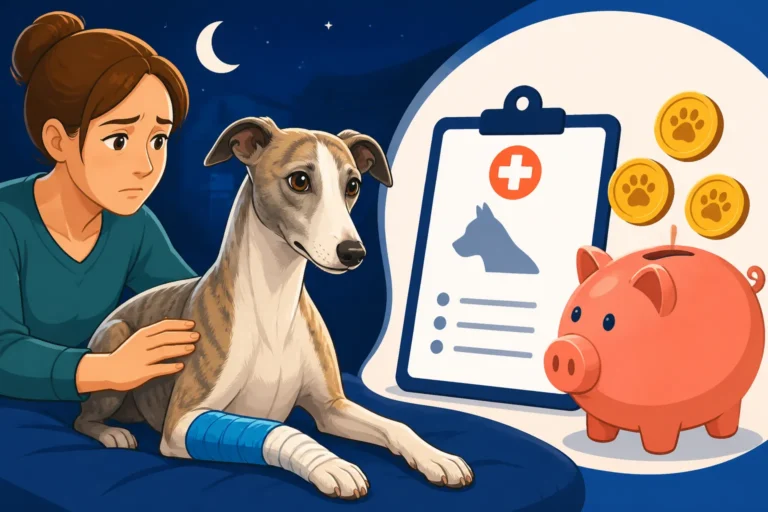
Ultimately, a Whippet's delicate nature and minimal body fat mean that a coat with good belly coverage is far more than just a stylistic choice. It's a practical, health-conscious decision that contributes significantly to their comfort, protection, and overall well-being, especially during cooler months or when venturing outdoors. Investing in quality, well-fitting outerwear is an act of care that your Whippet will undoubtedly appreciate. And remember, unexpected vet visits for minor skin issues can happen, so having a good pet insurance plan from a provider like Healthy Paws can also offer peace of mind, though preventing injuries with proper gear is always the first line of defense.
Disclaimer
This article is for general informational purposes only and does not constitute professional advice. Laws, prices and regulations vary by location and change over time. Consult a qualified professional for guidance on your specific situation.