Whether a Whippet Needs a Coat to Go Outside
One of the most common questions new Whippet owners grapple with, especially as the temperatures start to dip, is whether their sleek, elegant companion really needs a coat to go outside. It’s not just about fashion or making them look adorable in little sweaters; it's a genuine concern for their well-being. Unlike many other breeds, Whippets are uniquely susceptible to the cold, and ignoring this can lead to discomfort, illness, or even injury. This guide will walk you through understanding your Whippet's thermal needs and how best to keep them cozy and safe on those chilly walks.
Why Your Whippet Shivers When Other Dogs Don't
It's a sight many of us know well: a beautiful Whippet, shivering visibly on a brisk day, while a Labrador or a Husky bounds around seemingly oblivious to the cold. It can feel like you're overreacting to bundle them up, but the truth is, your Whippet isn't being dramatic; they're genuinely cold. Their unique physiology makes them incredibly efficient sprinters, but unfortunately, terrible self-insulators.
The Lack of Natural Insulation
Imagine wearing nothing but a thin t-shirt in winter. That’s essentially what your Whippet's coat is. Unlike double-coated breeds like German Shepherds or even many terriers, Whippets possess a single, very fine layer of fur. This short, smooth coat offers virtually no barrier against the cold wind or low temperatures. They simply don't have the dense undercoat that traps warm air close to the body, which is what keeps so many other dog breeds comfortable in cooler climates.
Furthermore, a defining characteristic of the Whippet, as any owner can tell you, is their minimal body fat. While we adore their lean, athletic physique and the way their ribs often show – a sign of a healthy Whippet – it also means they lack the insulating layer of subcutaneous fat that helps bigger, stockier breeds stay warm. They are literally built for speed, not for enduring icy winds. This combination of thin skin, sparse fur, and very little body fat means that a Whippet feels the cold intensely, often long before you even feel a chill. It’s why topics like A Whippet Has No Insulation and No Padding are so vital for us to understand as their caretakers.
Their High Surface Area to Volume Ratio
This might sound a bit like a science lesson, but it’s a crucial factor in understanding why your Whippet gets cold so quickly. Whippets are long, lean dogs with relatively slender bodies and long legs. This body shape means they have a large surface area relative to their body mass. Think of it like a tall, thin glass of water cooling down faster than a short, wide mug holding the same amount; the larger exposed surface area allows heat to escape more rapidly.
Their elegant, tucked-up abdomen and fine boning, while beautiful, also expose more of their core body to the elements. There's less bulk to retain heat, and more skin directly exposed to the cold air. This anatomical reality means that on a cold day, your Whippet is constantly losing heat at a much faster rate than a more compact, well-padded breed. It's a design flaw, in a way, for chilly weather, but it's what makes them such incredible athletes in warmer conditions. They aren't just cold; their bodies are actively working harder to maintain a safe core temperature, which can be exhausting and unhealthy over time.
The Impact of Their Metabolism on Warmth
Whippets are renowned for being "40-mile-an-hour couch potatoes." They have incredible bursts of speed, but they aren't dogs that are constantly burning calories to generate heat through sustained activity, like a working breed. After a quick sprint or a vigorous play session, they are very quick to settle down and conserve energy, often opting for a cozy nap. While this calm demeanor is one of their most endearing qualities indoors, it means they aren't generating much internal heat if they're standing around outside.
On a cold walk, unless they are actively running (which isn't always feasible or safe, especially with their prey drive), they’re not producing enough metabolic heat to counteract the rapid heat loss from their body. This low-key energy expenditure outdoors means they rely almost entirely on external insulation to stay warm. If your Whippet is shivering, it's a clear sign their body is struggling to generate enough heat on its own, and a coat is no longer optional but a necessary aid to their natural metabolism.
When a Coat Becomes a Necessity, Not a Luxury
For a Whippet, a coat isn't just about looking fashionable; it's a vital piece of equipment for their health and comfort. Deciding when to put that coat on can sometimes feel like a guessing game, especially if you're used to more cold-hardy breeds. However, there are clear indicators and conditions that make a coat an absolute necessity.
Temperature Guidelines for Whippet Walks
While every dog is an individual, and some Whippets might be more tolerant than others, a good rule of thumb is that once temperatures dip below 50°F (10°C), it's time to consider a coat. Below 45°F (7°C), a coat is almost always necessary, especially for longer walks or if there's any wind.
- Above 50°F (10°C): Most healthy adult Whippets are likely fine without a coat unless they are elderly, very young, or have a health condition that makes them more sensitive to cold. Keep an eye on them for shivering.
- 40°F – 50°F (4°C – 10°C): This is the "coat zone" for most Whippets. A light fleece or insulated coat will make a significant difference in their comfort. If they're just popping out for a quick potty break, they might manage, but for a proper walk, get that coat on.
- Below 40°F (4°C): A warm, insulated, and ideally waterproof coat is essential. Prolonged exposure without adequate protection can lead to hypothermia, particularly if they aren't moving much. If it's windy, even a slightly higher temperature can feel much colder due to wind chill. This aligns with specific guidance on The Temperature at Which a Whippet Needs a Coat.
- Freezing or Below 32°F (0°C): At these temperatures, a heavy-duty, layered, or well-insulated winter coat is non-negotiable. Limit outdoor time, ensure they are moving, and watch for any signs of discomfort. Prolonged exposure can be dangerous.
- Snow and Ice: Even if the air temperature seems mild, walking in snow or on ice can be very cold on their paws and lead to rapid body heat loss. Consider combining a warm coat with paw protection. We delve into this further when discussing Whether a Whippet Should Walk in Snow.
Remember, these are guidelines. Always observe your Whippet. If they're hunched, shivering, trying to lift their paws, or eager to cut the walk short, they're telling you they're cold, regardless of the thermometer reading.
Protecting Against Wind, Rain, and Snow
Temperature alone doesn't tell the whole story. Wind, rain, and snow can dramatically increase how cold your Whippet feels. A damp coat provides no insulation, and cold wind can cut through even a light jacket, making a 50°F day feel like a 30°F one.
- Wind Chill: Whippets, with their thin skin and lack of protective undercoat, are highly susceptible to wind chill. A bitter wind can strip away any warmth almost instantly. On windy days, even if the temperature seems moderate, a windproof outer layer is crucial.
- Rain and Wet Conditions: Getting wet in cold weather is a recipe for disaster. A wet coat loses all insulating properties, and the evaporation process actively draws heat away from your dog's body. A waterproof coat is essential on rainy days, not just to keep them dry, but to help them retain precious body heat. There are excellent options that serve both purposes, making them indispensable on grey, damp days. For comprehensive protection, consider what's discussed in Whether a Whippet Needs a Different Coat for Rain and Snow.
- Snow: Snow can be beautiful, but it's often accompanied by freezing temperatures and can quickly make a Whippet cold and damp. If your Whippet loves to zoom through the snow, a full-coverage, waterproof, and insulated snowsuit might be the best option to protect their slender legs and belly from direct contact with the cold, wet snow.
Ignoring these elements can quickly turn a pleasant walk into a miserable, and potentially dangerous, experience for your Whippet. Always check the forecast and consider all aspects of the weather, not just the thermometer.
Considerations for Age, Health, and Activity Level
Beyond general temperature and weather, your individual Whippet's characteristics play a huge role in their need for a coat.
- Puppies: Young Whippet puppies have less developed thermoregulation systems and are more vulnerable to cold. They also tend to have less body fat than adult Whippets. They need extra protection, even in milder cool weather, to prevent them from getting chilled. Early positive experiences with wearing a coat are also important, and this is where training resources like those from BAXTER & Bella can be beneficial in making the coat-wearing experience a positive one right from the start.
- Senior Whippets: As Whippets age, their circulation can become less efficient, and they may lose muscle mass, reducing their natural insulation. Older dogs are often more prone to arthritis and other ailments that can be exacerbated by cold and dampness. An elderly Whippet will almost certainly need a coat in cooler temperatures, and perhaps even indoors if your home is chilly. Special attention should be paid to Caring for an Old Whippet That Feels the Cold.
- Dogs with Health Conditions: Whippets recovering from illness or surgery, or those with underlying health conditions (like a low thyroid reading or certain heart conditions), may have a compromised ability to regulate their body temperature. Always consult your vet if you have concerns, but generally, these dogs will need additional protection from the cold.
- Activity Level: If your Whippet is just pottering along on a leash, they will get cold faster than if they are actively running and playing. For sedentary walks, ensure they have a warm, insulated coat. If they are going for a quick, vigorous sprint, they might generate enough heat to stay warm for a short period, but be mindful of cooling down rapidly afterwards.
Understanding these individual factors will help you make the best decision for your beloved Whippet's comfort and health. It's about tailoring their care to their specific needs, recognizing that a generic "dog rule" often doesn't apply to a sighthound.
Navigating the World of Whippet Coats: What to Look For
So, you've decided your Whippet needs a coat (good decision!). Now you’re faced with a bewildering array of options. It's not as simple as grabbing the first cute jacket you see. Whippets have a unique body shape that requires specific features for a coat to be truly effective and comfortable.
Fit is Paramount
This is arguably the most critical factor when buying a coat for a Whippet. Their distinctive physique—deep chest, narrow waist, pronounced tuck-up, and slender neck—means that standard dog coats often fit poorly. A coat that’s too tight across the chest will restrict movement and breathing, while one that's too loose will gape, allowing cold air to rush in and defeat the purpose. A common frustration for Whippet owners is finding a coat that doesn't slide around or bind at the shoulders.
Look for brands specifically designed for sighthounds, or those that offer adjustable straps around the chest and belly. The coat should cover from the base of the neck almost to the tail, and ideally, extend down over the thighs to offer maximum warmth. The belly area is often left exposed on generic coats, which is a major oversight for a Whippet. This is why discussing Which Coat Brand Fits a Whippet's Deep Chest is so common among owners. Many owners find success with custom-made coats or those from specialist sighthound outfitters who understand these unique dimensions.
Material Matters
Different materials offer different levels of warmth and protection. You'll likely need a couple of different coats to cover various weather conditions. Amazon is a great place to browse a wide variety of materials and read reviews from other sighthound owners.
- Fleece: Excellent for dry, cool days. Fleece is soft, breathable, and provides good warmth. It's often used as an inner layer or for pajamas indoors. However, it offers no protection against wind or rain and can become heavy and lose insulating properties when wet.
- Wool: A fantastic natural insulator, even when damp. Wool coats are warm, durable, and breathable. They can be a bit bulkier and sometimes harder to clean, but they're a top choice for serious cold.
- Waterproof Shells: For rainy or snowy conditions, a waterproof or highly water-resistant outer shell is non-negotiable. These are usually made from materials like ripstop nylon or other synthetic blends. They might not offer much insulation on their own, so they're often best used as an outer layer over a fleece or wool coat.
- Insulated/Padded Coats: These coats combine a waterproof or windproof outer layer with an insulating inner layer (like fleece, synthetic fill, or down alternatives). They are designed for truly cold weather, offering comprehensive protection against low temperatures, wind, and moisture. These are your go-to for winter walks.
Consider layering if you live in an area with highly variable weather. A thin fleece under a waterproof shell can be more versatile than one heavy coat.
Styling for Function
Beyond fit and material, the style of the coat also plays a role in how well it protects your Whippet.
- Traditional Coat Style: These cover the back and sides, with straps around the chest and belly. Ensure the belly strap is wide and positioned to cover as much of the sensitive underside as possible. You’ll want to review Whether a Whippet Coat Should Cover the Belly to ensure maximum warmth.
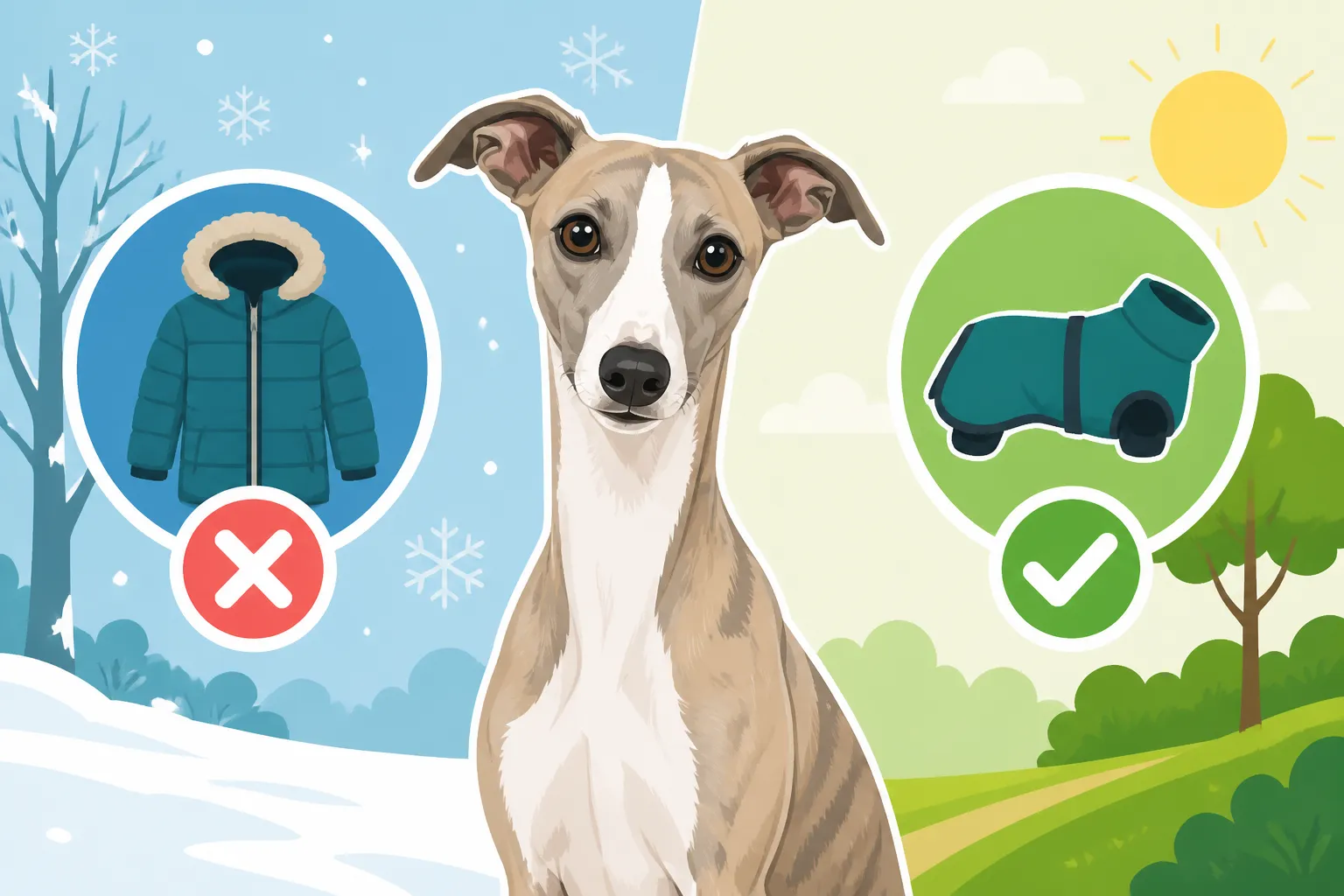
- Full-Body Pajamas/Suits: For very cold, snowy, or wet conditions, full-body suits that cover the legs and extend all the way down can be incredibly beneficial. They offer maximum warmth and protection from snow and ice balling up on their thin legs. These are particularly popular for smaller or more delicate Whippets, and for keeping them cozy indoors when the house is cool.
- Snoods and Neck Warmers: Many Whippet coats come with an integrated snood or a high collar. If not, a separate snood is a great addition, especially on windy days, to protect their ears and neck. Their long, slender necks can get very cold, and a snood can prevent shivering and discomfort. This is why owners often consider Whether a Whippet Needs a Snood.
When selecting a coat, think about the primary function you need it to serve and what type of weather you'll encounter most often. Investing in a few different options will ensure your Whippet is comfortable no matter what Mother Nature throws at them.
More Than Just a Coat: Holistic Cold Weather Care for Your Whippet
While a good quality coat is undeniably the cornerstone of keeping your Whippet warm outdoors, it's part of a larger picture of cold weather care. Thinking holistically about their needs ensures they remain healthy, happy, and injury-free throughout the colder months. After all, their unique physical attributes mean we need to be extra vigilant in their protection.
Shortening Outdoor Exposure
Even with the best coat on, there comes a point when the weather is simply too harsh for prolonged outdoor activity. Whippets are not built for endurance in freezing temperatures. On days with very low temperatures, strong winds, or heavy precipitation, it's wise to shorten your walks. Instead of one long outing, consider several shorter, more frequent potty breaks, especially if your Whippet isn't keen on lingering outside. This limits their exposure to extreme cold and reduces the risk of hypothermia or frostbite, particularly on their sensitive ears and paw pads.
It's also important to remember that a Whippet's comfort level can drop quickly once they stop moving. A brisk 15-minute walk might be fine, but standing around for 5 minutes at the dog park talking to a neighbor could leave them shivering uncontrollably. Always keep them moving as much as possible in cold weather, and prioritize warmth over extended socialization on truly bitter days.
Paw Protection
It’s easy to focus on the body and forget about those delicate paws. Whippets have thin skin on their paw pads compared to some other breeds, and they are not designed for prolonged exposure to icy surfaces, snow, or de-icing chemicals.
- Boots: For snowy, icy, or salted sidewalks, dog boots are an excellent investment. They protect against frostbite, chemical burns, and cuts from ice shards. It might take some training and positive reinforcement to get your Whippet used to them, but it’s worth the effort. Think about leveraging positive training techniques, similar to those promoted by BAXTER & Bella, to make the boot-wearing experience a fun and rewarding one. It can be a challenge to find boots that stay on their slender feet, but options are available on Amazon that cater to unique paw shapes. We explore this topic more deeply in Whether a Whippet Needs Boots.
- Paw Wax: If your Whippet resists boots, a good quality paw wax can offer a protective barrier against ice, snow, and salt. It moisturizes their pads and creates a slightly hydrophobic layer. It's not as comprehensive as boots, but it's better than nothing for quick trips outside.
- Post-Walk Paw Care: Regardless of whether they wear boots or wax, always wipe your Whippet’s paws thoroughly after a walk in winter. This removes any salt, chemicals, or ice melt residues that could irritate their skin or be ingested when they lick their paws.
Post-Walk Warm-Up Routine
Once you're back inside, the care doesn't stop. A proper warm-up routine is vital to ensure your Whippet fully recovers from the cold.
- Thorough Drying: If your Whippet got wet (from rain, snow, or even damp grass), dry them thoroughly with a towel. Pay special attention to their paws, belly, and armpits. A damp dog will continue to lose heat rapidly, even indoors.
- Warm, Cozy Bedding: Ensure your Whippet has access to warm, soft, and well-padded bedding immediately upon re-entering the house. They love to burrow, so blankets are always a hit. A heated dog bed can be a luxurious addition, especially for older Whippets or those prone to chilling. This plays into the discussion of Whether a Whippet Needs a Heated Bed in Winter. Their lack of natural padding means they easily develop pressure sores on hard surfaces, so soft spots are critical indoors as well, a point highlighted in The Wardrobe a Whippet Needs Because It Has No Body Fat.
- Monitoring: Keep an eye on them for any lingering shivering or signs of discomfort. Sometimes, it takes a little while for their core temperature to fully normalize. If you notice persistent shivering indoors, even after warming up, it might be a sign they were overly chilled, or it could point to other issues like Why a Whippet Shivers Indoors.
- Hydration and Nutrition: While not directly coat-related, maintaining proper hydration and feeding them a high-quality diet provides the necessary fuel for their body to generate heat and maintain overall health, especially during colder months.
Remember, owning a Whippet means embracing their unique needs. By understanding their physiological limitations and taking proactive steps with coats and comprehensive cold weather care, you can ensure your elegant companion enjoys their outdoor adventures, no matter the season. After all, we want them to be comfortable and happy, whether they’re zooming across a field or snuggled up on the sofa. And perhaps the most important takeaway is that Whether a Whippet Cannot Live Outdoors is less about preference and more about physiological necessity.
| Coat Type | Best For | Key Features | Considerations |
|---|---|---|---|
| Fleece Jacket | Cool, dry days (50-40°F / 10-4°C) | Soft, breathable, good warmth for mild chill | Not windproof or waterproof, loses warmth when wet |
| Raincoat | Rainy, damp days (any temperature) | Waterproof/water-resistant outer shell | Offers little insulation on its own, may need layering |
| Insulated/Padded Coat | Cold, windy, freezing days (below 40°F / 4°C) | Waterproof/windproof outer, insulated inner layer | Can be bulkier, check for freedom of movement |
| Full-Body Suit/Pajamas | Very cold, snowy days, indoor lounging | Covers legs & belly, offers maximum warmth | May require training to accept, can be cumbersome for potty breaks |
| Snood/Neck Warmer | Windy days, extra neck/ear protection | Covers neck and ears, usually fleece or knitted | Often an accessory, not a standalone coat |
Disclaimer
This article is for general informational purposes only and does not constitute professional advice. Laws, prices and regulations vary by location and change over time. Consult a qualified professional for guidance on your specific situation.