Teaching an Adult Whippet to Live With Cats
Bringing an adult Whippet into a home with a cat, or introducing a feline friend to your established Whippet, can feel like navigating a minefield. Your Whippet, with its deep-seated sighthound instincts, sees fast-moving objects as an invitation to chase, and a cat, well, a cat moves quickly. The worry is palpable: will they ever truly coexist, or will your serene home turn into a constant game of cat and mouse, potentially ending in tragedy? This guide will walk you through the essential steps, considerations, and patience needed to help your adult Whippet and cat learn to live safely and, hopefully, even peacefully together.
Understanding Your Whippet's Deep-Seated Instincts
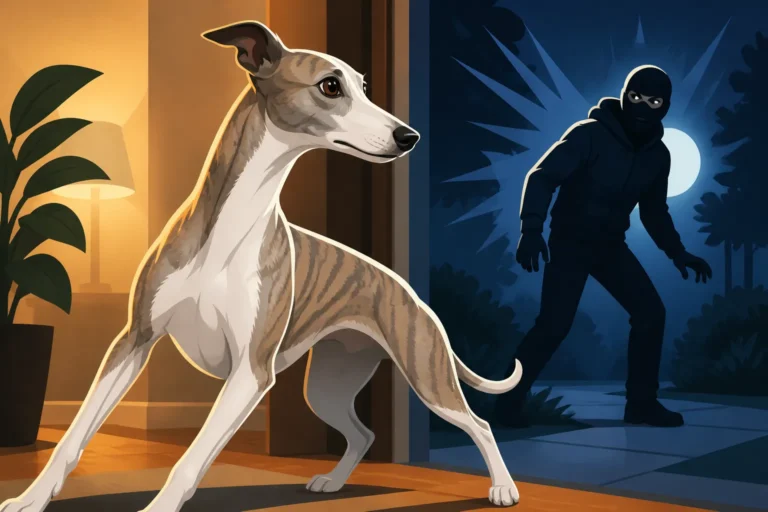
Let's be real: Whippets are sighthounds. This isn't just a fancy breed characteristic; it's a fundamental part of their being, hardwired into their DNA. They were bred for speed and for spotting and chasing small, fast-moving prey. When you see your Whippet staring intently out the window at a squirrel, or suddenly bolting after a blowing leaf, you're witnessing this instinct in action. It's not malice or disobedience; it's just who they are.
The Prey Drive Challenge
The biggest hurdle in introducing an adult Whippet to a cat is the Whippet's strong prey drive. A cat's swift movements, particularly when startled or playing, can trigger this instinct almost instantaneously. What might look like playful chasing from a terrier could escalate quickly with a Whippet due to their incredible acceleration and speed. Why a Whippet's Chase Instinct Overrides Its Recall is something every Whippet owner has to contend with, and it's even more critical when another pet's safety is on the line.
It's crucial to acknowledge that this isn't something you can "train out" entirely. It’s a part of their genetic makeup. Instead, our goal is to manage it, redirect it, and teach both animals how to safely navigate each other's presence. Trying to punish a Whippet for exhibiting prey drive is not only ineffective but can damage your bond and make them fearful, associating the cat with negative experiences.
The Sensitivity Factor in Training
Whippets are incredibly sensitive dogs. They don't respond well to harsh corrections or yelling. In fact, a loud voice or physical correction can cause a Whippet to shut down, become anxious, or even associate the source of the correction (which might be you, or even the cat if it's present during a negative interaction) with fear. This means any training or introduction strategy needs to be built on positive reinforcement, patience, and creating an environment where both pets feel secure. Remember, How a Whippet Learns When It Bruises From Pressure means we need to be gentle and understanding in our approach.
Preparing Your Home for Safe Coexistence
Before your Whippet and cat even meet face-to-face, you need to set up your home for success. This isn't just about preventing accidents; it's about giving both animals the security and space they need to feel comfortable and confident.
Creating Vertical and Horizontal Safe Zones for Your Cat
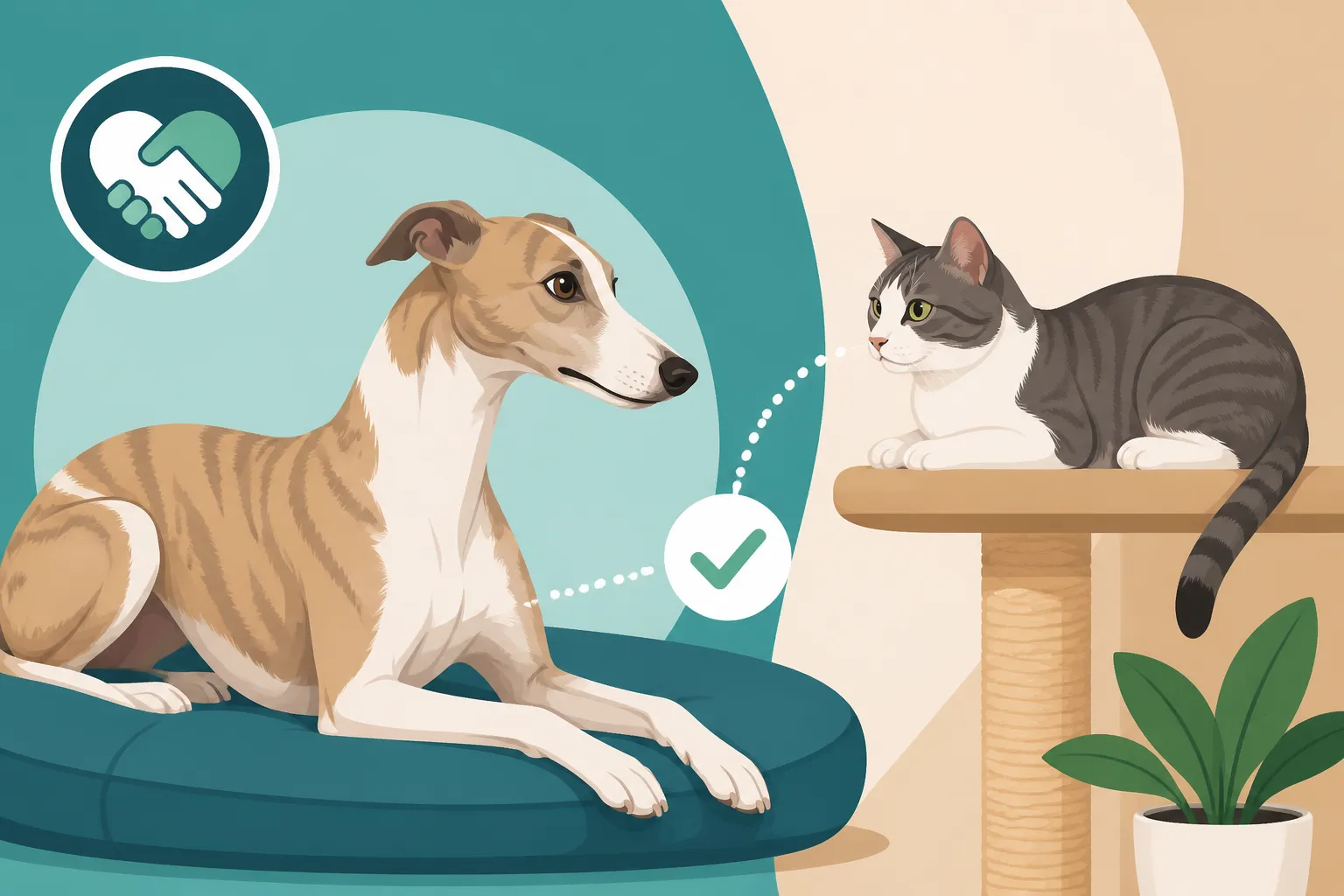
Your cat needs an escape route and safe havens that your Whippet cannot reach. This is non-negotiable. Cats are naturally inclined to go vertical when stressed or threatened, so cat trees, shelves, and window perches are your best friends.
- Elevated Perches: Invest in sturdy cat trees, wall-mounted shelves, or even tall furniture like bookshelves where your cat can retreat. These should be placed in rooms where the Whippet will also be present, providing immediate escape options. Think about paths for your cat to move from one high spot to another without having to touch the floor if your Whippet is nearby.
- Secure Rooms: Designate at least one "cat-only" room. This room should have a solid door that can be closed, or a baby gate installed high enough that your Whippet can't jump over it (and trust me, some Whippets are surprisingly agile) but low enough that your cat can easily slip underneath or through a small opening. A door latch that allows the door to open only a few inches for the cat to pass through can also work. This is where your cat's food, water, and litter box should initially be located, especially during the introduction phase.
- Feeding Stations: Always feed your cat in a location inaccessible to your Whippet. This could be the cat-only room, on a high counter, or even using a microchip-activated feeder that only opens for your cat. This prevents resource guarding issues and ensures your cat gets to eat in peace without feeling threatened or having their meal stolen by a opportunistic Whippet.
You can find excellent options for cat trees, wall shelves, and even microchip feeders on platforms like Amazon, offering a wide variety to suit different spaces and budgets.
Managing Your Whippet's Access and Movement
Just as your cat needs safe zones, your Whippet needs boundaries. This is where management tools become invaluable.
- Baby Gates: Install baby gates strategically to block off areas of the house. These are fantastic for creating separate living spaces during the initial introduction and for ensuring the cat always has an escape route. Remember, a determined Whippet might try to jump or climb, so choose taller gates or stack them if necessary.
- Leash Management: For the first few weeks, and whenever you cannot directly supervise, your Whippet should be on a leash indoors. This might sound extreme, but it's the safest way to prevent any chasing incidents and allows you to calmly redirect your Whippet if they show too much interest in the cat. A lightweight, comfortable house line is perfect for this.
- Crate Training: If your Whippet is already crate trained, this is an excellent tool for supervised separation. When you need to leave them alone for short periods or want to ensure the cat can roam freely without fear, the crate provides a secure, calm space for your Whippet. Whether a Whippet Can Be Crate Trained is usually a resounding yes, and it can be a lifesaver in multi-pet households.
The Importance of Exercise and Mental Stimulation
A tired Whippet is a good Whippet, especially when it comes to managing prey drive. Ensure your Whippet gets plenty of appropriate exercise before any supervised interactions with the cat. This doesn't mean letting them run wild for hours; short, intense sprints in a secure, fenced area, or a good long walk on a leash, can work wonders. Lure coursing or Fast CAT are fantastic outlets for a Whippet's natural chase instincts in a safe, directed way, which can reduce their drive to chase the cat indoors.
Beyond physical exercise, mental stimulation is key. Puzzle toys, training sessions focused on obedience cues like "leave it" and "stay," and enrichment activities can help tire out their minds and make them less prone to boredom-driven mischief. Online training platforms, such as those offered by BAXTER & Bella, can provide excellent resources for teaching these crucial impulse control cues in a positive, engaging way.
The Introduction Process: Slow and Steady Wins the Race
This is where your patience will be truly tested. Rushing the introduction is the quickest way to create a negative association between your Whippet and cat. Think weeks, not days, for true, lasting peace.
Phase 1: Scent Swapping
Before they even see each other, let them get used to each other's smell. Scent is incredibly important to dogs and cats.
- Swap Bedding: Take a blanket or bed that your cat has slept on and put it in your Whippet's sleeping area, and vice-versa. Observe their reactions. Are they curious? Indifferent? Stressed?
- Rubdown: Gently rub a cloth on your cat's cheeks (where scent glands are) and then rub that cloth on your Whippet's bedding or toys. Do the same with your Whippet for your cat. This helps them build a positive association with the new scent in their environment.
- Feed Near the Door: Feed both animals on opposite sides of a closed door separating their spaces. This helps them associate the other's scent with something positive (food) and allows them to get used to each other's presence.
Phase 2: Sight Without Contact (Controlled Viewing)
Once they seem calm with each other's scent, it's time for controlled visual introductions.
- Baby Gate Barrier: Use a sturdy baby gate to separate them while allowing them to see each other. Start with very short sessions (a few minutes) multiple times a day.
- Leash Your Whippet: Your Whippet should always be on a leash during these sessions, even behind the gate. This gives you ultimate control and prevents lunging or chasing.
- Positive Reinforcement: Keep both animals distracted with high-value treats or toys during these sessions. When your Whippet looks at the cat calmly, reward them. If they ignore the cat, even better! If your cat stays relaxed, toss them treats. The goal is for them to associate seeing each other with good things happening.
- Gradual Increase: Slowly increase the duration of these sessions. If either animal shows signs of stress (hissing, growling, lunging, tail tucked, hiding), end the session calmly and try again later for a shorter period.
This phase might take days, or even weeks. Do not rush it. The key is to keep every interaction positive and short enough to avoid any negative reactions.
Phase 3: Supervised, Leashed Interactions
When both animals are completely calm and ignoring each other through the gate, you can try direct, supervised interactions.
- Whippet Leashed: Your Whippet must be on a leash, ideally with a person holding it ready to intervene.
- Cat's Retreat: Ensure the cat has immediate, clear escape routes to high places or another room.
- Short and Sweet: Start with very short sessions, just a few minutes. Keep them calm and positive.
- Reward Calmness: Heavily reward your Whippet for calm behavior – looking at the cat and then at you, ignoring the cat, or lying down. Reward your cat for staying relaxed.
- No Direct Eye Contact/Staring: Try to avoid direct, intense staring from your Whippet at the cat, as this can be perceived as a threat. Redirect their attention if this happens.
- Avoid Chase Triggers: Do not allow the cat to run or dart around during these sessions, as this is a major chase trigger for a Whippet. Keep the environment calm and predictable.
- Never Unsupervised: At this stage, and for many stages beyond, never leave your Whippet and cat unsupervised together, even for a second.
Phase 4: Gradual Freedom (Still Supervised)
Only when Phase 3 is consistently calm, with both animals showing indifference or mild curiosity towards each other, can you consider allowing your Whippet off-leash during fully supervised times.
- Whippet in a Calm State: Ensure your Whippet is well-exercised and calm before these sessions.
- Cat's Safety Net: Again, ensure the cat has access to multiple escape routes.
- Active Supervision: You must be actively supervising, ready to intervene instantly. Have a distraction ready (a loud clap, a toy, treats) if your Whippet shows too much interest.
- Leash Nearby: Keep a leash handy to quickly re-establish control if needed.
- Enrichment for All: Provide plenty of interactive toys and puzzle feeders for both pets during these times to keep them engaged in separate activities. This helps them learn to exist in the same space without focusing solely on each other.
This process can take months, and some Whippets and cats may never become cuddle buddies. The goal is peaceful coexistence, not necessarily friendship.
Ongoing Management and Training for a Harmonious Home
Even after successful introductions, the work isn't over. Maintaining peace requires consistent management and reinforcing good habits.
Consistent Reinforcement and Impulse Control
Continue to reward calm behavior around the cat. Every time your Whippet chooses to lie down instead of staring, or looks at you when the cat enters the room, reinforce that choice with praise and a small treat. Training impulse control cues like "leave it" and a solid "stay" are paramount. These cues can be taught through positive reinforcement methods, and you can find many resources online, including structured programs from platforms like BAXTER & Bella, that can help you implement these effectively.
A strong recall, even if your Whippet still needs to be on a long line (Whether a Long Line Suits a Whippet) in open spaces, is vital indoors. Being able to call your Whippet away from the cat in any situation provides a crucial safety net.
Managing Feeding and Potty Habits
Separate feeding areas are a must, always. Even if they seem to get along, guarding resources can trigger fights. Your cat's litter box should also remain in a Whippet-proof location. Not only is it unhygienic for your Whippet to get into the litter box, but it also deprives your cat of a private, safe space.
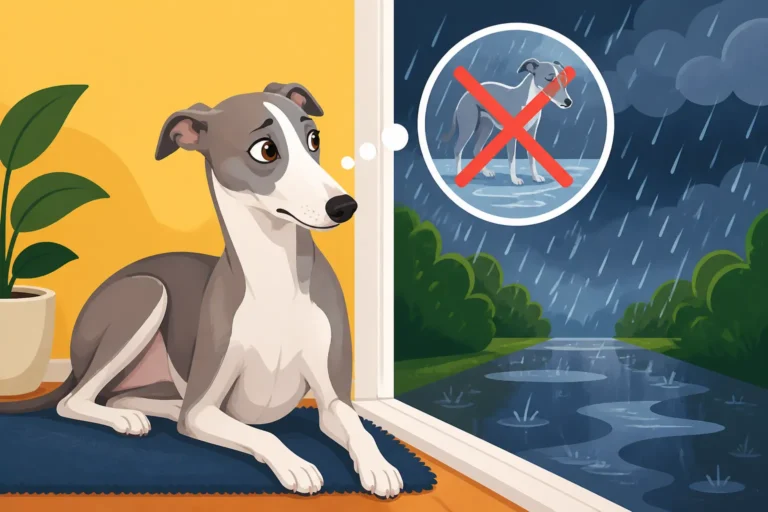
And yes, your Whippet might be one of those who The Whippet That Will Not Toilet in the Rain. This means you need reliable indoor potty solutions or a covered outdoor area so they don't have accidents indoors out of protest, potentially stressing out your cat who is sensitive to smells.
Recognizing and Addressing Stress Signals
Learn to read both your Whippet's and your cat's body language.
- Whippet Stress Signals: Lip licking, yawning (not tired), averting gaze, tucked tail, stiff body posture, excessive panting, pacing, or hackles raised. If you see these, intervene immediately by redirecting your Whippet or creating distance.
- Cat Stress Signals: Crouching low, hissing, growling, flattened ears, dilated pupils, tail twitching rapidly, hiding, or excessive grooming. If your cat is showing these signs, they are feeling unsafe. Give them more space and ensure their escape routes are clear.
It’s about being proactive, not reactive. You want to prevent negative interactions from escalating. If you consistently observe stress in either animal, it's a sign that you need to go back a step in the introduction process or seek guidance from a professional positive reinforcement trainer or a veterinary behaviorist.
When to Seek Professional Help
If you're struggling, don't hesitate to reach out to a professional. A certified positive reinforcement dog trainer or a veterinary behaviorist can provide invaluable guidance, assess your specific situation, and develop a tailored plan. They can help you identify subtle stress signals you might be missing and offer strategies to manage difficult behaviors. Trying to force interactions or ignoring problem signs can lead to serious consequences.
Bringing a Whippet and a cat together successfully is a marathon, not a sprint. It requires monumental patience, consistent effort, and a deep understanding of both species' needs and instincts. By providing safe spaces, managing introductions carefully, and consistently reinforcing positive behavior, you can create a harmonious home where your graceful Whippet and your cunning cat can not only coexist but potentially even thrive side by side.
Disclaimer
This article is for general informational purposes only and does not constitute professional advice. Laws, prices and regulations vary by location and change over time. Consult a qualified professional for guidance on your specific situation.