Hip Dysplasia in a Whippet
It can be truly alarming when you notice your beloved Whippet showing signs of discomfort or stiffness, especially with all the talk about joint issues in certain breeds. Many Whippet owners, understandably, worry about conditions like hip dysplasia, picturing their agile companion suddenly struggling. This comprehensive guide aims to shed light on hip dysplasia specifically in Whippets, explaining why it's far less common than you might think and what to do if you ever suspect a problem.
Understanding Hip Dysplasia and Its Rarity in Whippets
When we talk about hip dysplasia, it often conjures images of large, heavy breeds that struggle with painful, unstable hips. While it's a very real concern for many dogs, the truth about hip dysplasia in Whippets is a little different, and usually, quite reassuring.
What Exactly Is Hip Dysplasia?
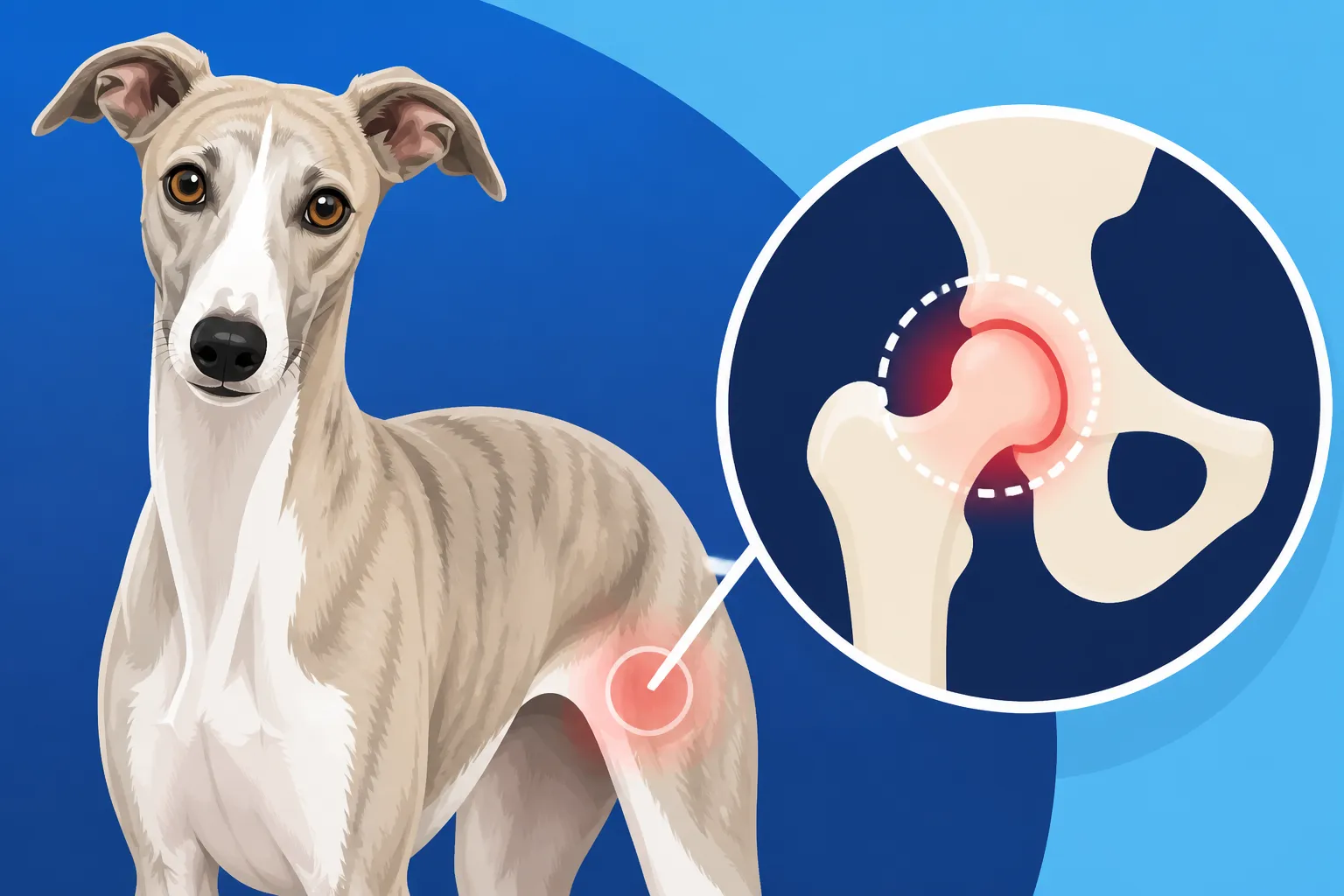
Hip dysplasia is a developmental condition where the hip joint doesn't form correctly. Instead of the ball (femoral head) fitting snugly into the socket (acetabulum), it's loose or malformed. This can lead to excessive movement, friction, and eventually, the breakdown of cartilage, inflammation, and degenerative joint disease, often referred to as osteoarthritis. It's primarily a genetic condition, meaning it's passed down from parents to offspring, but environmental factors like rapid growth, excessive weight, and intense exercise at a young age can also play a role in its expression and severity. The pain and lameness associated with it can range from mild to severe, significantly impacting a dog's quality of life. Owners often report seeing their dog reluctant to jump, showing a "bunny hop" gait, or having difficulty rising after rest.
Why Whippets Are Less Prone
Now, here's the good news for Whippet owners: hip dysplasia is quite rare in our breed. Unlike larger, heavier breeds such as German Shepherds, Labradors, or Golden Retrievers, Whippets have a unique conformation that naturally reduces their susceptibility. Their slender, athletic build, lightweight bone structure, and deep tuck-up mean they don't carry the same kind of weight that puts immense stress on hip joints. Their bones are fine, yet incredibly strong, designed for speed and agility rather than sheer bulk. The breed standard emphasizes a well-arched loin and a deep, flexible back, which contributes to their efficient gait and less direct impact on the hips. It’s also worth noting that responsible Whippet breeders generally prioritize health and temperament, often performing health screenings on their breeding stock, including hip evaluations, further minimizing the chances of passing on genetic predispositions. This proactive approach helps keep the incidence low, which is a testament to dedicated breeders striving to maintain the health of the breed.
Dispelling Common Misconceptions
It’s easy to fall into the trap of thinking all purebred dogs are riddled with genetic health problems, or that all sighthounds, with their delicate appearance, must be fragile. This simply isn't true for the Whippet, especially concerning hip dysplasia. Their incredible athleticism, reaching speeds up to How Fast a Whippet Actually Runs, demonstrates the soundness of their structure. While they are prone to The Thin Skin That Sends a Whippet to the Vet for Stitches and other minor injuries due to their enthusiasm, major skeletal disorders like severe hip dysplasia are not typical of the breed. Their body is a finely tuned machine, honed over generations for explosive speed and effortless grace. So, while it's wise to be aware of potential health issues in any dog, you can generally breathe a sigh of relief when it comes to hip dysplasia in your Whippet. It's just not something that commonly afflicts them, thanks to their specific build and the efforts of ethical breeders.
Recognizing the Signs and Getting a Diagnosis
Even though hip dysplasia is uncommon in Whippets, it's still crucial to be vigilant. Any dog can technically develop it, and recognizing the signs early can make a big difference in management and your dog's comfort. Since Whippets are so stoic and often hide pain, you’ll need to be particularly observant.
Subtle Indicators to Watch For
Because Whippets are so naturally lean and agile, signs of hip dysplasia might be incredibly subtle in the early stages. You might not see dramatic limping immediately. Instead, look for slight changes in their gait or how they carry themselves. Perhaps they seem a little stiff after waking up from one of their many naps, or after a spirited run. They might be reluctant to jump onto the sofa, which was once their favorite spot, or hesitate before climbing stairs. You might notice them shifting their weight more to their front legs, or a slight decrease in their usual exuberant activity level. Some dogs might show a decrease in muscle mass in their hindquarters, or a subtle "bunny hop" when they run, using both hind legs together rather than alternating them. These are the kinds of nuanced observations that truly understanding your Whippet’s normal behavior can reveal. Don't dismiss these minor changes; they could be early indicators of discomfort that warrant a vet visit.
The Diagnostic Process for Suspected Hip Dysplasia
If you notice any of these subtle signs, the first step is always a thorough check-up with your veterinarian. Your vet will perform a physical examination, carefully palpating your Whippet's hips, feeling for any instability or pain on movement. They might perform specific maneuvers, like the Ortolani sign, to check for laxity in the joint. If hip dysplasia is suspected, X-rays are the definitive diagnostic tool. To get the best quality X-rays, which are essential for accurately assessing hip conformation, your Whippet will likely need to be sedated. This ensures they are relaxed and can be positioned perfectly, preventing discomfort and movement artifacts on the images. Without proper positioning, it can be difficult to get a clear picture of the joint's health. Your vet will review these radiographs, looking at the depth of the hip sockets, the fit of the femoral heads, and any signs of degenerative changes. In some cases, your vet might recommend a referral to a veterinary orthopedic specialist for a more in-depth evaluation or a second opinion.
Differentiating from Other Conditions
It's really important to remember that symptoms like stiffness or lameness aren't exclusive to hip dysplasia. In fact, in a Whippet, these signs are often more indicative of other issues. For instance, a muscle pull from a vigorous chase or an injury from a slip can present similarly. Older Whippets, like any senior dog, can develop When a Whippet Gets Arthritis in various joints, which might be confused with hip dysplasia. Conditions like patellar luxation (slipping kneecap) or even certain neurological issues can also cause hind limb lameness or an altered gait. Your veterinarian will carefully differentiate these possibilities based on the physical exam, X-rays, and your dog's history. This is why a precise diagnosis is so crucial; you want to ensure your Whippet is treated for the actual problem, not just the symptoms. For example, a minor soft tissue injury might resolve with rest, while arthritis requires ongoing management.
Managing Hip Dysplasia in a Whippet
Should your Whippet be one of the rare cases diagnosed with hip dysplasia, it's not the end of the world. There are numerous strategies, both conservative and, in extreme cases, surgical, to help manage the condition and ensure your Whippet maintains a good quality of life. The key is early intervention and consistent management.
Conservative Management Strategies
For most cases of hip dysplasia in Whippets, especially given their lighter build, conservative management is usually the first and most effective line of treatment. This approach focuses on reducing pain, improving joint function, and slowing the progression of arthritis without surgery.
- Weight Management: This is absolutely critical. Even a slightly overweight Whippet puts extra strain on their joints. While Whippets are typically lean, it's still important to maintain a healthy, athletic weight. Your vet can help you determine the ideal body condition score for your individual dog. If your Whippet is on the heavier side, creating a sensible feeding plan is paramount.
- Controlled Exercise: High-impact activities might need to be adjusted, but regular, moderate exercise is vital for maintaining muscle strength around the joint and preventing stiffness. Think leash walks, swimming (if your Whippet tolerates it, as many dislike water), or gentle jogging on soft surfaces. Avoiding sudden stops, starts, and jumps is often recommended. Whether a Whippet Needs Physical Therapy After Injury is a great read and applies here, as physical therapy can play a massive role in improving mobility and comfort.
- Joint Supplements: Many vets recommend supplements containing glucosamine, chondroitin, and MSM, which can help support cartilage health and reduce inflammation. Omega-3 fatty acids are also beneficial for their anti-inflammatory properties.
- Anti-inflammatory Medications: Non-steroidal anti-inflammatory drugs (NSAIDs) can be prescribed by your vet to manage pain and inflammation, especially during flare-ups. Always follow your vet's instructions precisely, as these medications require careful dosing.
- Physical Therapy: This can be a game-changer. Techniques like hydrotherapy (underwater treadmill), therapeutic exercises, massage, and laser therapy can strengthen supporting muscles, improve range of motion, and reduce pain. A certified canine rehabilitation therapist can develop a tailored program for your Whippet.
- Comfortable Bedding: Ensure your Whippet has plenty of soft, supportive bedding to rest on. This reduces pressure on their joints. Consider Beds That Suit an Arthritic Whippet to make sure they're always comfortable, especially since Whippets have A Whippet Has No Insulation and No Padding.
Managing these costs can be a concern for any pet owner, but having a good pet insurance plan like those offered by Healthy Paws can provide significant financial relief, helping you afford the best possible care for your Whippet without stress.
Surgical Interventions and Considerations
Surgical intervention for hip dysplasia in Whippets is relatively rare due to the breed's conformation and the typical effectiveness of conservative management. However, in severe cases where conservative methods don't provide sufficient relief, or if the dysplasia is diagnosed early and is quite debilitating, surgery might be considered.
- Femoral Head Ostectomy (FHO): This procedure involves removing the head and neck of the femur (the ball part of the joint). The body then forms a "false joint" of scar tissue, which, while not a perfect ball-and-socket, can be pain-free. It's often considered for smaller, lighter dogs where the muscles can adequately support the new joint.
- Total Hip Replacement (THR): This is the most effective surgical treatment, replacing both the ball and socket with prosthetic implants. It offers the best chance for complete pain relief and restoration of hip function. However, it's a major surgery, very costly, and requires a specialized orthopedic surgeon. Given the Whippet's size and the typical success of FHO or conservative management for lighter dogs, THR is less commonly performed on them compared to larger breeds.
Any surgical option comes with its own risks, recovery periods, and substantial costs. These procedures require dedicated post-operative care, including restricted activity and potentially extensive physical therapy. Your veterinary specialist would discuss all options thoroughly, weighing the potential benefits against the risks and your Whippet's specific situation. This is another scenario where having pet insurance like Healthy Paws can be incredibly beneficial, potentially covering a significant portion of these expensive procedures.
Long-Term Care and Quality of Life
Living with a Whippet diagnosed with hip dysplasia means a commitment to ongoing care. The goal is always to maximize their comfort and maintain their zest for life for as long as possible. Regular veterinary check-ups are essential to monitor the progression of the condition and adjust the management plan as needed. This might mean periodic re-evaluations, blood work to monitor medication effects, and discussions about new therapies or supplements.
Creating a supportive home environment is key. This could involve using ramps for beds or cars to minimize jumping, ensuring non-slip surfaces throughout the house, and providing a quiet, warm space for rest. Mental stimulation, through puzzle toys or gentle training sessions, becomes even more important if physical activity needs to be limited, helping to keep your Whippet happy and engaged. Remember that The Twelve to Fifteen Years a Whippet Lives means a long commitment, and consistent, proactive care makes all the difference. For older Whippets, specifically, Caring for a Whippet Past Ten provides additional insights into managing age-related health changes, which often include increased joint stiffness. Continual communication with your vet team is paramount, ensuring your Whippet's specific needs are met at every stage.
Prevention and Responsible Breeding
While hip dysplasia is rare in Whippets, preventing it or minimizing its impact starts long before a puppy even comes home. Responsible breeding practices and careful management during a Whippet's formative years play crucial roles.
The Role of Ethical Breeding Practices
The most significant factor in preventing hereditary conditions like hip dysplasia is choosing a puppy from an ethical and responsible breeder. Reputable Whippet breeders are deeply committed to the health of their lines and go to great lengths to ensure they are breeding healthy dogs.
- Health Screening: A cornerstone of responsible breeding is health testing. Breeders should screen their breeding stock for relevant genetic conditions. For hips, this means submitting X-rays of their adult Whippets to organizations like the Orthopedic Foundation for Animals (OFA) or using PennHIP evaluations. These organizations provide ratings (e.g., excellent, good, fair for OFA) that indicate the quality of the hip joints. A responsible breeder will only breed dogs with good or excellent hip scores, significantly reducing the likelihood of passing on genes for hip dysplasia.
- Transparency and Pedigrees: An ethical breeder will be transparent about the health history of their breeding dogs and their pedigrees. They should be able to show you the health certificates and hip scores of both the sire and dam. They will also be eager to answer your questions and educate you about the breed's health.
- Breed Club Guidelines: Many national Whippet clubs, like the American Whippet Club, establish health testing recommendations for breeders to follow. These guidelines are developed with the specific health concerns of the breed in mind, encouraging the collective effort to improve breed health.
By supporting breeders who prioritize these practices, you're not only increasing your chances of bringing home a healthy puppy but also contributing to the overall health and longevity of the Whippet breed. Remember, The Health Tests Both Whippet Parents Should Have are a critical part of ensuring healthy puppies.
Supporting Joint Health from Puppyhood
Even with the best genetic start, how a Whippet puppy is raised can influence their long-term joint health. The growing bones and joints of a puppy are delicate and require careful management.
- Appropriate Exercise: While Whippets are bursting with energy, especially as youngsters, it's important to provide age-appropriate exercise. Avoid forced, repetitive, high-impact activities like long runs on hard surfaces or intense agility work before their growth plates have closed (typically around 12-18 months). Instead, focus on free play in a safe, soft-surfaced, fenced area, allowing them to self-regulate their activity. Too much stress on developing joints can contribute to orthopedic issues later in life.
- Balanced Nutrition: Feed a high-quality, balanced diet appropriate for their life stage. Rapid growth in puppies can sometimes exacerbate underlying joint issues, so avoiding overfeeding, which can lead to excessive weight gain and too-rapid growth, is important. Consult your vet for advice on the best food and feeding schedule for your Whippet puppy to ensure they grow at a healthy, steady rate.
- Weight Monitoring: Regularly monitor your puppy's weight and body condition. Even as puppies, keeping them at a lean, healthy weight is beneficial for their developing joints. You should be able to easily feel their ribs without seeing them prominently, and they should have a discernible waist.
- Safe Environment: Ensure your home environment is safe, especially for a playful Whippet puppy. Prevent excessive jumping off high furniture, especially during growth, as this can put undue strain on joints. Provide soft, supportive bedding in their crate and sleeping areas to cushion their growing bodies.
By combining responsible breeding with attentive care during puppyhood, we can help ensure our Whippets grow into strong, healthy adults, ready to enjoy a full life of zoomies and cozy cuddles. It’s also wise to consider Setting Money Aside for a Whippet's Vet Bills from the very beginning, as proactive care and unexpected needs can arise over What Fourteen Years With a Whippet Comes To.
Disclaimer
Please remember that the information provided in this guide is for general educational purposes only and should not be considered a substitute for professional veterinary advice. Always consult with a qualified veterinarian for any health concerns or before making any decisions about your Whippet's medical care or treatment plan. Individual dogs may have unique needs and conditions.