Whether a Whippet Breaks a Leg Running
It’s a natural worry for any Whippet owner: those sleek, elegant legs, built for incredible speed, often look so delicate. We see them zoom across a field, turn on a dime, and then the thought flashes through our minds – "What if they break a leg?" This concern isn't unfounded; their lean, athletic build can sometimes lead to misunderstandings about their fragility. But is a broken leg a common occurrence, or just a fear fuelled by their graceful appearance? This guide will dive deep into the reality of whippet leg injuries, how to differentiate common scrapes from serious issues, and most importantly, how to keep your lightning-fast companion safe and sound.
Dispelling the Myth of the Fragile Whippet Leg
When you look at a Whippet, their refined bone structure is instantly noticeable. Unlike more heavily built breeds, their bones appear fine, almost delicate, particularly around the lower leg. This often leads people to assume they are incredibly fragile, like porcelain figures that might shatter with a wrong move. But this perception doesn't quite tell the full story of their robust athleticism.
The Truth About Their Build
Whippets are sighthounds, bred for explosive speed and agility. Their entire physique is a masterpiece of engineering designed for high-performance pursuit. Yes, their bones are slender, but they are also dense and incredibly strong, perfectly adapted to withstand the forces generated during a full-speed sprint. Think of a high-performance bicycle frame – lightweight but engineered for incredible strength in the right places. Moreover, their skeletal structure is encased in powerful, sinewy muscles and supported by incredibly taut ligaments and tendons. These soft tissues act as natural shock absorbers and stabilizers, protecting the bones from impact. A Whippet's musculature, particularly in their hindquarters, is remarkably developed, propelling them forward and cushioning their landings. This combination of strong, specialized bone and powerful, flexible soft tissue makes them far more resilient than their slender appearance suggests.
Why They're Not "Glass" Dogs
The image of a "glass dog" is a persistent one for many sighthound breeds, and Whippets are no exception. This misconception likely stems from their lack of body fat and dense coat, which would typically hide a more robust underlying structure in other breeds. However, their history tells a different tale. Whippets were originally bred in the coal-mining regions of Northern England, often referred to as "the poor man's racehorse." These dogs were not pampered pets; they were working-class athletes, sleeping indoors with their families but then put to strenuous tasks like "rag racing" on rough tracks or hunting small game in challenging terrain. Their survival and success depended on their ability to withstand the rigors of these activities. If they were truly as fragile as some believe, they wouldn't have thrived in such environments or developed into the athletic marvels they are today. While any dog can suffer an injury, the notion that a Whippet's bones will easily shatter with typical activity is largely a myth.
Distinguishing Between Appearance and Function
It's crucial to understand that a Whippet's lean appearance, with ribs and hip bones often visible, is a hallmark of their breed standard and peak athletic condition, not a sign of being underweight or fragile. In many other breeds, such visibility would indicate malnourishment, but for a Whippet, it's a sign of a healthy, efficient running machine. Their deep chest, arched loin, and powerful hindquarters are all functional elements designed for maximum propulsion and minimal energy expenditure. Every aspect of their build serves a purpose in their incredible speed and agility. When we observe their seemingly delicate frame, we are seeing a body honed for performance, much like a marathon runner or a ballet dancer. This doesn't mean they're immune to injury, but it does mean their structure is purposefully built, and often much stronger than initial impressions convey.
The Real Risks: Common Running Injuries in Whippets
While broken legs are mercifully rare, it doesn't mean Whippets are immune to injury. Their speed and passion for running can lead to other, more common types of injuries, especially if proper precautions aren't taken. Understanding these real risks is the first step in prevention.
Soft Tissue Injuries: The More Likely Culprits
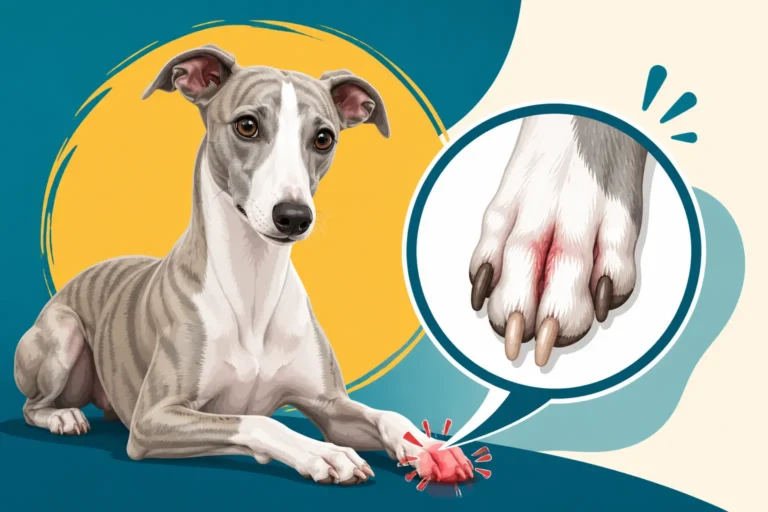
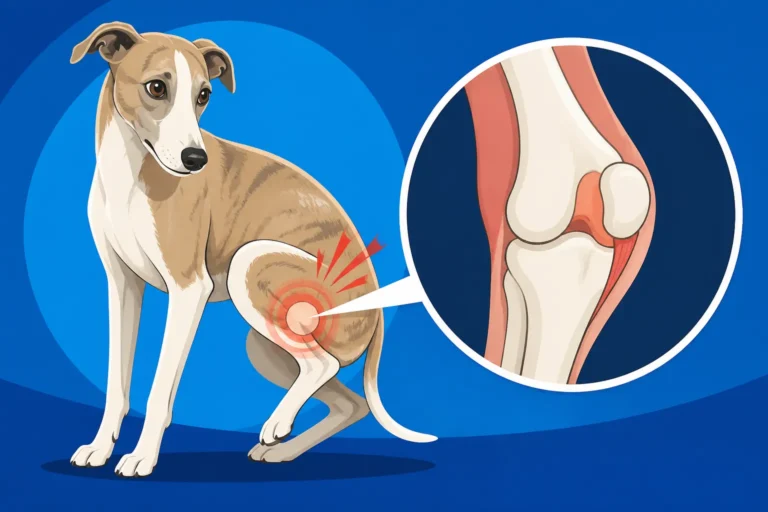
Instead of broken bones, Whippets are far more prone to soft tissue injuries. These include sprains, strains, and muscle pulls, which affect muscles, ligaments, and tendons. Imagine a sudden twist, an awkward landing, or an abrupt stop at full speed – these actions can easily overextend or tear soft tissues. A common scenario might involve your Whippet chasing a toy, turning sharply, and then suddenly limping with a pulled groin muscle or a strained hock. Pad injuries, like cuts, abrasions, or even torn nails, are also prevalent, especially when running on rough surfaces.
For instance, a Whippet tearing its superficial digital flexor tendon by sliding on wet grass is not an uncommon occurrence, highlighting the specific risks tied to their powerful strides and thin skin. These types of injuries, while painful and requiring rest and sometimes medical intervention, are generally less severe than a bone fracture and carry a much better prognosis for full recovery. Recognizing the signs – limping, reluctance to put weight on a paw, swelling, or tenderness – is crucial for prompt care.
Environmental Hazards and Surface Dangers
The environment where your Whippet exercises plays a massive role in injury prevention. Running on unsuitable surfaces is a primary culprit for many of the soft tissue injuries mentioned above. Concrete, asphalt, or other hard, unforgiving surfaces can be brutal on a Whippet's joints and paw pads, especially during high-impact activities like sprinting. The lack of shock absorption means repetitive stress on their delicate bone structure and joints. Similarly, uneven terrain, hidden holes, or slick surfaces like wet leaves or ice can lead to slips, falls, and twists that result in sprains or muscle tears.
It’s heartbreaking to hear about a dog injuring themselves because of an unseen hazard. Always scout your running areas for potential dangers before letting your Whippet loose. A securely fenced area with soft, even ground, like a well-maintained grassy field or an enclosed dirt track, is ideal for allowing your Whippet to truly open up and enjoy their speed safely. This is where dedicated lure coursing or Fast CAT fields really shine, as they are designed with these safety considerations in mind.
The Importance of Proper Preparation and Cool-Down
Just like human athletes, Whippets need to prepare their bodies for intense exercise and then gradually wind down afterwards. Ignoring warm-up and cool-down routines is a recipe for injury. A sudden burst from a dead stop, especially on a cold day, puts immense strain on muscles and tendons, making them far more susceptible to tears and strains. A good warm-up might include a brisk five to ten-minute walk, perhaps some gentle stretches, and then a gradual increase in speed. This gets the blood flowing, warms up the muscles, and increases flexibility.
After a vigorous sprint session, an equally important cool-down helps prevent stiffness and aids in muscle recovery. A slow walk for another five to ten minutes, followed by some gentle, passive stretches (if your dog tolerates them and you know how to do them safely), can make a significant difference. Proper cooling down after a sprint also helps prevent the accumulation of lactic acid, reducing post-exercise soreness and improving overall recovery. Think of it as investing a few minutes to protect your Whippet's athletic longevity.
Recognizing and Managing Severe Leg Injuries
Despite our best efforts, accidents can happen. Knowing how to recognize a serious leg injury and what immediate steps to take can make a huge difference in your Whippet's prognosis and recovery.
Identifying a Possible Fracture
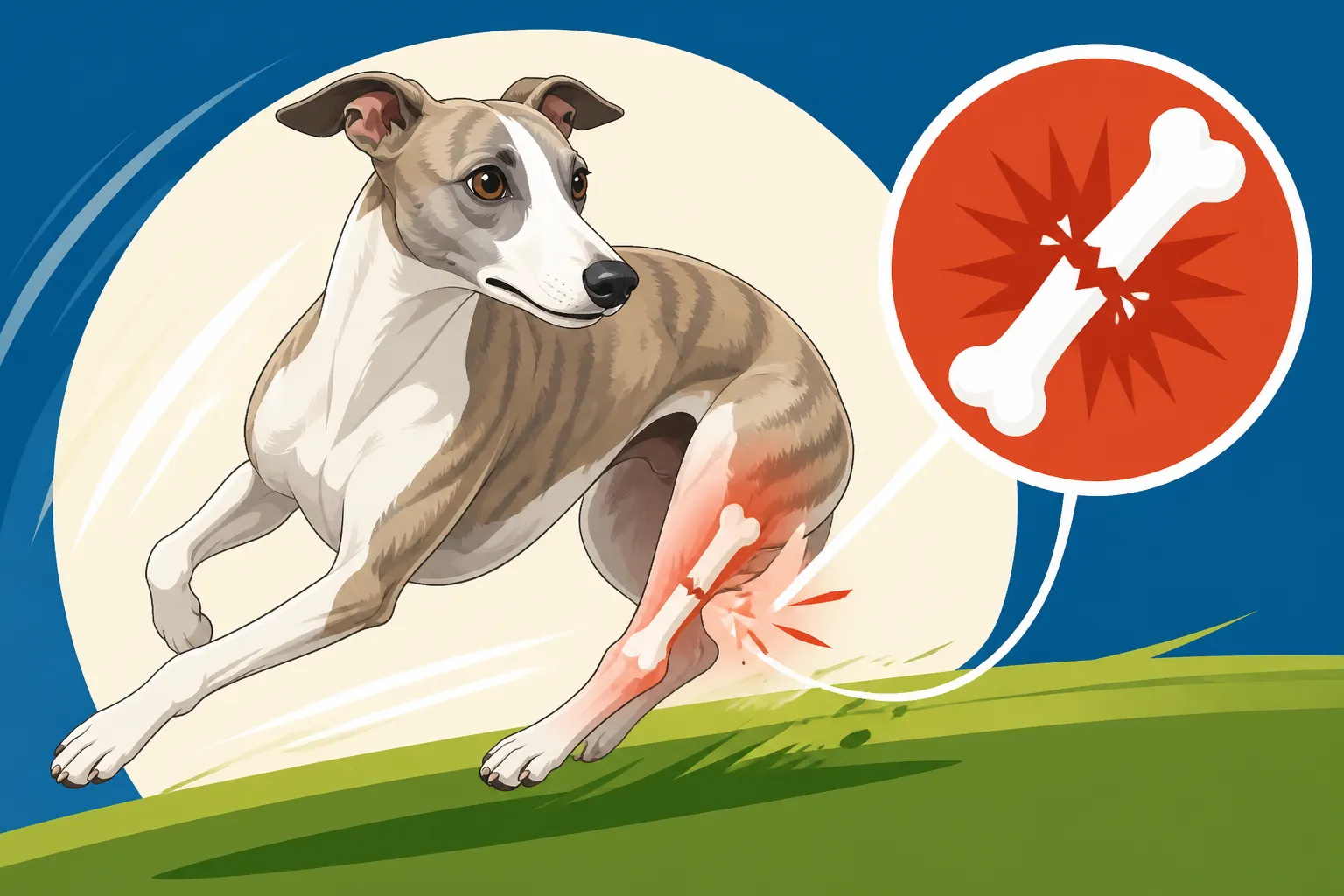
A broken bone is a severe injury that requires immediate veterinary attention. While soft tissue injuries might present with limping or soreness, a fracture often has more dramatic and unmistakable signs. The most obvious is severe lameness, where your Whippet cannot or will not put any weight at all on the affected leg. You might observe a visible deformity, such as an unnatural angle or swelling that appears rapidly and significantly. Your dog will likely be in considerable pain, manifesting as yelping, panting, trembling, or even aggression if you try to touch the injured area. Open fractures, where the bone pierces the skin, are thankfully less common but are a medical emergency due to the risk of infection. If you suspect a break, do not try to manipulate the limb or force your dog to walk.
Immediate Steps for a Suspected Break
If you believe your Whippet has broken a leg, the first priority is to prevent further injury and manage pain until you can reach a veterinarian. Gently try to stabilize the limb, if possible, without causing more distress. A rolled towel or newspaper taped lightly to the leg above and below the suspected fracture can provide some support, but only if your dog tolerates it. Do not attempt to reset the bone yourself or apply excessive pressure.
For transportation, try to keep your Whippet as still and comfortable as possible. A sturdy crate or even carefully lifting them into the car can minimize movement of the injured leg. Contact your veterinarian or the nearest emergency veterinary clinic immediately to let them know you're on your way. They can prepare for your arrival, potentially saving critical time. This kind of unexpected event is precisely why many Whippet owners opt for pet insurance like Healthy Paws, which can significantly ease the financial burden of emergency care.
The Veterinary Approach to Diagnosis and Treatment
Once at the vet, the diagnostic process usually involves a thorough physical examination followed by X-rays to confirm the fracture, assess its type, and determine its severity. Depending on the nature of the break, treatment options can range from external fixation (casts or splints) to surgical repair with plates, screws, or pins. Given a Whippet's lean build and active nature, surgical intervention is often preferred for more complex fractures to ensure optimal alignment and faster healing, which can also influence whether a Whippet's racing injuries heal fully.
One critical consideration for Whippets is their unique physiology, particularly concerning anesthesia. Sighthounds metabolize certain anesthetic drugs differently and are prone to hypothermia due to their low body fat. Therefore, it is paramount that your vet is aware of and implements a specific sighthound anesthesia protocol to ensure their safety during any procedure. This expertise is a key part of why finding a vet who knows sighthounds is so important.
The Road to Recovery: Post-Injury Care and Rehabilitation
A broken leg in a Whippet is not a quick fix. Recovery can be a long and demanding journey, often lasting several weeks to months. The first stage involves strict rest and confinement to allow the bone to heal. This means leash walks only, no jumping, and often crate rest. Medications for pain management and sometimes antibiotics are common. After the initial healing phase, rehabilitation often includes gradual exercise, therapeutic massage, and sometimes even formal physical therapy to help regain strength, flexibility, and full range of motion.
It's a challenging time for both owner and dog, requiring immense patience and dedication. Regular follow-up X-rays will monitor bone healing, and your vet will guide you on increasing activity levels. The goal is always a full and functional recovery, allowing your Whippet to return to their normal activities, albeit perhaps with a bit more caution in the future. The support of a comprehensive pet insurance plan, such as those offered by Healthy Paws, can be invaluable during this extended period of vet visits and specialized care.
Comprehensive Prevention Strategies for Lifelong Leg Health
While Whippets are generally robust, proactive steps can significantly reduce the risk of injuries and contribute to their overall health and longevity. It’s all about creating the safest environment and supporting their athletic bodies.
Creating the Safest Exercise Environment
This cannot be stressed enough: the single most effective way to prevent running-related injuries is to provide a safe exercise environment. For a Whippet, this means a securely fenced area where they can run at full tilt without fear of escaping or encountering unforeseen hazards. Look for soft, even ground – well-maintained grass or a track with sand or dirt is far superior to pavement or rocky trails. Avoid areas with hidden divots, sharp objects, or slippery patches.
Many Whippet owners opt for large, privately owned, fenced fields or attend organized lure coursing events where the running surface is controlled and inspected. While dog parks can offer space, they also come with inherent risks like uneven terrain, aggressive dogs, or unknown objects that could cause injury. The ability of a Whippet to accelerate and turn so quickly means even a minor surface imperfection can have major consequences.
Optimizing Nutrition and Overall Health
A healthy body is a resilient body. Proper nutrition plays a foundational role in maintaining strong bones, healthy joints, and robust connective tissues. Ensure your Whippet is fed a high-quality, balanced diet appropriate for their activity level. While supplements aren't a magic bullet and should always be discussed with your vet, some owners consider specific joint supplements, particularly as their Whippets age or if they've had previous injuries. These might include glucosamine, chondroitin, or omega fatty acids.
Beyond diet, regular veterinary check-ups are paramount. Your vet can monitor your Whippet's overall health, assess their body condition, and catch any subtle signs of developing issues before they become serious. They can also advise on appropriate exercise routines and flag any individual vulnerabilities your particular Whippet might have. Considering the relatively long lifespan of a Whippet, aiming for up to twelve to fifteen years, consistent preventative care is a key investment.
Understanding Whippet-Specific Vulnerabilities
While their legs might not be "fragile," Whippets do have other physical traits that require specific care. Their thin skin, for instance, makes them prone to skin tears and lacerations, often from minor bumps or scrapes that another breed might shrug off. Protecting their skin with appropriate coats, especially when running through brush or in cold weather, can prevent these annoying but sometimes deep cuts. Understanding these nuances of Whippet care ensures you're not just looking out for major breaks, but also addressing the smaller, more common issues that can impact their well-being. Keeping a good first aid kit on hand for those inevitable minor scrapes and cuts is always a good idea.
Age-Appropriate Exercise and Monitoring
A Whippet's exercise needs and physical resilience change throughout their life. Whippet puppies should not be allowed to engage in intense, uncontrolled sprinting or jumping until their growth plates have closed, usually around 12-18 months of age. Over-exerting a growing puppy can lead to developmental orthopedic problems. Similarly, as Whippets transition into their senior years, their joints and muscles may not be as forgiving. While an old Whippet still wants to run, their exercise should be modified to shorter, gentler sessions on soft surfaces, with extra attention paid to warming up and cooling down. Observing your Whippet for signs of fatigue, lameness, or discomfort after exercise, regardless of age, is essential.
Choosing a Responsible Breeder
While injuries can happen to any dog, starting with a sound foundation from a responsible breeder can contribute to your Whippet's long-term health. Reputable breeders perform health tests on their breeding stock, screening for genetic conditions that could predispose dogs to certain health issues, including those that might indirectly affect bone and joint health. Inquiries about the health of the parents and their lines, including any history of orthopedic problems, are valid and important questions to ask.
Types of Whippet Leg Injuries: Soft Tissue vs. Bone
Let's break down the common types of leg injuries a Whippet might encounter:
| Feature | Soft Tissue Injuries (Sprains, Strains, Muscle Tears) | Bone Fractures (Broken Bones) |
|---|---|---|
| Commonality | Very common, especially during high-speed runs or sudden movements. | Relatively rare in healthy Whippets under normal circumstances. |
| Cause | Overstretching, twisting, tearing of muscles, ligaments, tendons; direct impact. | Severe trauma, high-force impact (e.g., being hit by a car), hard falls. |
| Symptoms | Limping, pain, swelling, tenderness to touch, reluctance to bear full weight. | Non-weight bearing, severe pain, immediate and significant swelling, visible deformity, unnatural angle. |
| Diagnosis | Physical exam, palpation; sometimes ultrasound or MRI for deep tissue damage. | X-rays are the primary diagnostic tool. |
| Treatment | Rest, anti-inflammatory medications, cold/heat therapy, controlled exercise, physical therapy. | Immobilization (cast/splint) or surgical repair. |
| Recovery Time | Days to weeks for minor strains; several weeks to months for severe tears. | Many weeks to several months, depending on severity and location. |
| Long-term Impact | Often full recovery; some chronic stiffness or susceptibility to re-injury. | Generally good prognosis with proper treatment, but may require ongoing management. |
| Prevention | Proper warm-up/cool-down, safe surfaces, age-appropriate exercise, conditioning. | Secure environment, leash use in unsafe areas, avoiding high-risk activities. |
Disclaimer
The information provided in this article is for general educational purposes only and should not be considered as professional veterinary advice. Always consult with a qualified veterinarian for any health concerns or before making any decisions about your Whippet's medical care or treatment.