Flea Treatment Reactions in a Whippet
It's a genuine worry for many Whippet owners: giving your beloved, sensitive sighthound a routine flea treatment and then watching them have an adverse reaction. These sleek, lean dogs aren't built like every other breed, and what's perfectly fine for a Labrador can sometimes cause a real scare, or worse, a serious issue for a Whippet. This comprehensive guide is here to walk you through why these reactions happen, what to look out for, and how to keep your Whippet safe and comfortable from pesky parasites.
Understanding Your Whippet's Unique Physiology and Drug Sensitivity
Whippets are magnificent creatures, renowned for their incredible speed, elegant build, and surprisingly calm demeanor indoors. However, their unique physiology, specifically their sighthound characteristics, means they process medications and chemicals differently than many other breeds. This isn't just a quirk; it's a fundamental difference that demands careful consideration, especially when it comes to something as common as flea treatment.
The Sighthound Metabolism and Chemical Processing
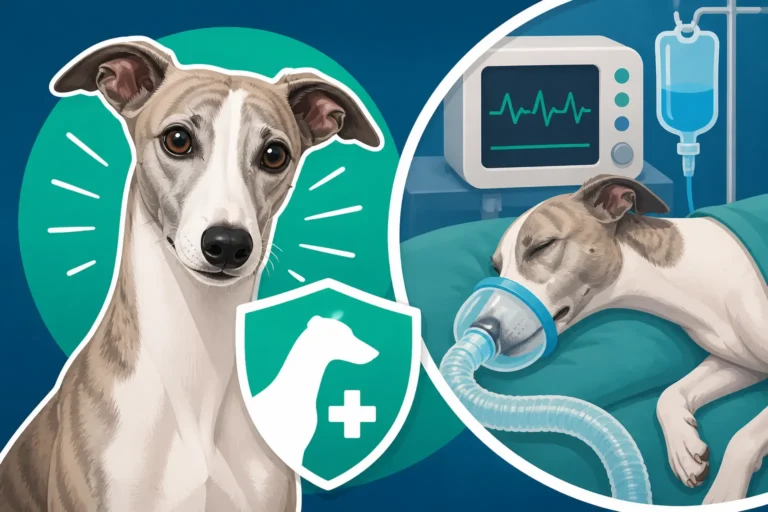
One of the most significant factors in a Whippet's drug sensitivity is their low body fat percentage combined with a unique liver metabolism. Unlike breeds with more cushioning, Whippets simply don't have much fat to store and slowly release certain fat-soluble compounds. This means that drugs, including those in flea treatments, can hit their system faster and at a higher effective concentration. Their liver enzymes, particularly the cytochrome P450 system, can also metabolize drugs differently, sometimes leading to slower breakdown and prolonged exposure, or, conversely, too rapid breakdown into more toxic metabolites. This altered processing can make them more susceptible to side effects. For instance, the discussion around Why Anesthesia Is Riskier in a Whippet highlights this metabolic difference, as sighthounds often wake up much more slowly from certain anesthetics due to their unique metabolism. This same principle can, unfortunately, apply to other medications and chemicals they encounter.
Why Certain Ingredients Pose a Higher Risk
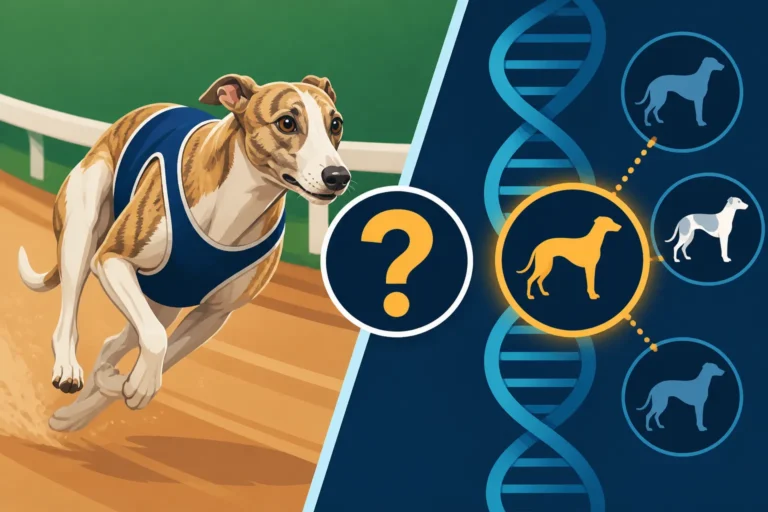
When it comes to flea treatments, some ingredients are simply riskier for sighthounds. Pyrethrins and permethrins, common insecticides, can cause neurological symptoms in sensitive dogs, ranging from tremors and twitching to full-blown seizures. While often safer for dogs than cats, a Whippet's sensitivity can put them at higher risk. Another concern, though perhaps less prevalent in purebred Whippets than some other sighthounds or herding breeds, is the MDR1 gene mutation. Dogs with this mutation have a faulty P-glycoprotein, a protein responsible for pumping certain drugs out of the brain. Without it, drugs can accumulate to toxic levels. While a Whippet might not carry the MDR1 gene, the general sighthound tendency towards drug sensitivity means it's wise to approach new treatments with caution. Understanding these underlying sensitivities is crucial for any owner, especially when considering a treatment that might affect your Whippet's nervous system. You'll often hear discussions about Ivermectin Sensitivity in a Whippet because certain doses of ivermectin, another common antiparasitic, can be problematic for these dogs, illustrating the broader point about chemical sensitivities.
Identifying Flea Treatment Options and Potential Whippet Reactions
The market is flooded with flea treatment options, from topical spot-ons to oral chews, collars, and shampoos. While variety is good, it also means carefully navigating choices to find what's safest for your Whippet. Each type of treatment carries its own set of potential reactions, some of which are more pronounced in a sensitive sighthound.
Topical Treatments and Skin Sensitivities
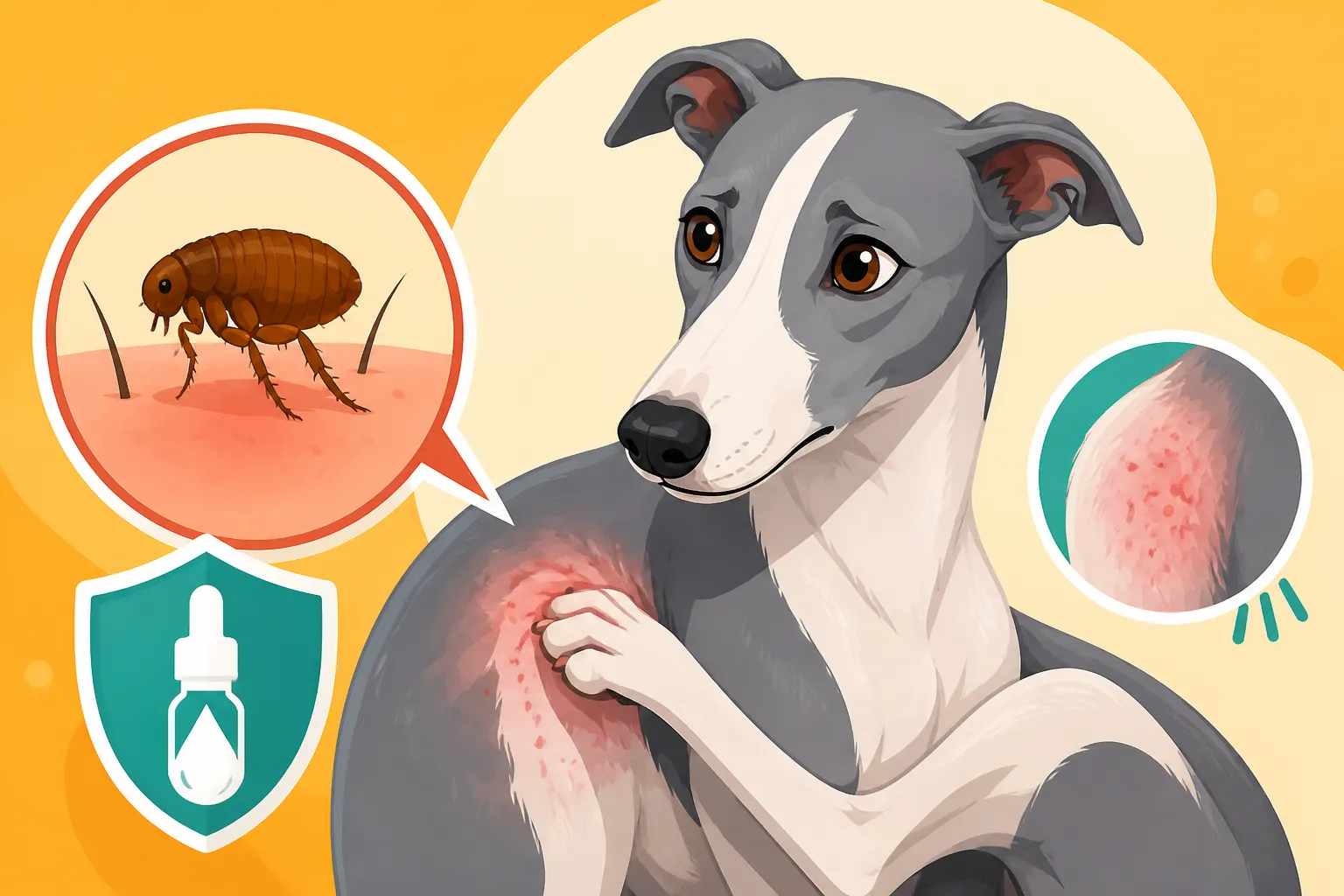
Topical spot-on treatments are popular because they're generally easy to apply, placed directly on the skin between the shoulder blades. However, for a Whippet with their incredibly fine, thin skin, these can sometimes be a double-edged sword. Localized reactions are fairly common. You might notice excessive itching, redness, or even hair loss at the application site. Their The Thin Skin That Sends a Whippet to the Vet for Stitches is a testament to how delicate their skin can be, making it more prone to irritation from harsh chemicals or even the carrier agents in some topical products. Beyond local irritation, some Whippets can experience more systemic absorption, leading to lethargy, gastrointestinal upset like vomiting, or even neurological signs such as agitation, excessive drooling, or muscle tremors. It's always a good idea to monitor your Whippet closely for several days after applying any new topical treatment.
Oral Medications and Digestive or Neurological Concerns
Oral flea medications, often given as palatable chews, work systemically throughout the dog's bloodstream. For many dogs, these are a convenient and effective option. However, for a sensitive Whippet, digestive upset like vomiting or diarrhea can occur, especially with the first dose. While typically mild and transient, persistent gastrointestinal issues warrant a call to your vet. More concerning, though less common, are neurological reactions. Ingredients in some oral medications can, in rare instances, cause lethargy, ataxia (wobbliness), muscle tremors, or even seizures in highly sensitive individuals. It's vital to discuss your Whippet's history and any known sensitivities with your veterinarian before starting any new oral flea prevention. They might recommend starting with a half dose under supervision, or choosing a brand known for a gentler profile. When thinking about overall health and potential costs, remember that What a Sighthound Vet Costs Over a Whippet's Life can be considerable, making careful prevention and pet insurance like Healthy Paws incredibly valuable.
Collars, Shampoos, and the Risk of Overexposure
Flea collars and shampoos are less frequently recommended by veterinarians as primary prevention for modern flea control, but they still exist. Flea collars work by releasing insecticides, which can be absorbed through the skin or ingested if the dog licks the collar. Continuous low-level exposure, especially if the collar is poorly fitted and rubs, can lead to localized skin irritation and hair loss. There's also the risk of ingestion if the dog or another pet chews on the collar. Flea shampoos provide temporary relief by killing fleas on contact but don't offer lasting protection. For a Whippet, whose skin is already delicate, repeated use of harsh shampoos can strip natural oils, leading to dryness, flakiness, and increased sensitivity. It's always best to consult with your vet about the most appropriate and safest method for your individual Whippet, as prevention is key to their What a Whippet Needs Every Day to stay healthy and happy.
Recognizing a Reaction and Taking Immediate Action
Even with the best intentions and careful choices, a reaction can happen. Knowing what to look for and how to respond swiftly can make a huge difference in your Whippet's comfort and safety. It's easy to panic, but a calm, informed approach is what your dog needs most.
Signs and Symptoms of an Adverse Reaction
Adverse reactions to flea treatments can manifest in a spectrum of ways, from mild irritation to severe systemic distress. Being vigilant, especially in the first 24-72 hours after application, is crucial for your Whippet.
| Type of Reaction | Mild Symptoms | Moderate Symptoms | Severe Symptoms |
|---|---|---|---|
| Skin/Topical | Local redness, mild itching, slight hair loss at application site, mild discomfort | Intense itching, hot spots, skin inflammation, localized pain, hives | Swelling (face/paws), extensive hair loss, secondary skin infections, severe pain |
| Gastrointestinal | Mild vomiting (once), soft stool, reduced appetite | Repeated vomiting, diarrhea, abdominal pain, persistent lethargy | Dehydration, bloody stool, severe weakness, collapse |
| Neurological | Restlessness, agitation, mild tremors (localized), excessive drooling | Disorientation, uncoordinated gait (ataxia), persistent muscle tremors, twitching | Seizures, collapse, coma, difficulty breathing |
| Behavioral | Hiding, mild anxiety, increased licking/chewing | Pacing, vocalizing, increased apprehension, changes in interaction | Panic attacks, extreme aggression or fear, unresponsive |
If you notice any of these signs, particularly anything beyond mild, localized itching, it's time to take action. Even subtle changes in your Whippet's demeanor could be an early indicator of a developing issue.
First Aid Steps at Home
Your immediate response depends on the type and severity of the reaction.
- For Topical Reactions (Skin Irritation/Redness): If you've just applied a spot-on and notice your Whippet frantically scratching or showing redness, the first step is to immediately wash the area thoroughly with a gentle, pet-safe shampoo and lukewarm water. Don't scrub harshly, just aim to remove as much of the product as possible. You might need to repeat this a couple of times. After washing, ensure the area is completely dry. Keep a close eye on the spot for the next few days. If the irritation persists or worsens, contact your vet. You can often find supplies for this in What Belongs in a Whippet Owner's First Aid Kit.
- For Oral Reactions (Vomiting/Diarrhea): If your Whippet vomits shortly after taking an oral medication, collect a sample if possible, and call your veterinarian immediately. Do not induce vomiting without direct instruction from your vet. They will advise you on whether to monitor, bring your dog in, or if it's safe to give anti-nausea medication. Offer small amounts of water to prevent dehydration, but withhold food for a few hours.
- General Mild Symptoms (Lethargy, Mild Tremors): Observe your Whippet very closely. Note the time the symptoms started, what you gave them, and how much. Call your vet for advice. They might suggest monitoring at home or recommend bringing your Whippet in for an examination.
Always remember that even if symptoms seem mild, it's better to be safe than sorry, especially with a Whippet's known sensitivities.
When to Seek Veterinary Care
Knowing when to call the vet versus trying home remedies is paramount. For any moderate to severe symptoms, immediate veterinary attention is non-negotiable. This includes:
- Persistent vomiting or diarrhea
- Severe lethargy or collapse
- Muscle tremors, twitching, or seizures
- Difficulty breathing
- Severe skin swelling, hives, or signs of pain
- Disorientation or uncoordinated movement
When you call, clearly state what flea treatment was given, when, and what symptoms you're observing. It's incredibly helpful if your vet is one who Whether a Whippet Needs a Vet Who Knows Sighthounds because they'll be more attuned to sighthound-specific drug sensitivities and appropriate dosages. They might recommend specific detox protocols or supportive care, such as IV fluids or anti-seizure medication. Don't hesitate to go to an emergency veterinary clinic if your regular vet is unavailable and symptoms are severe. While veterinary emergencies can be costly, having pet insurance like Healthy Paws can provide immense peace of mind, helping you focus on your Whippet's recovery rather than the Emergency Stitches: the Whippet Bill Nobody Budgets For or other unexpected vet bills.
Proactive Prevention and Safer Alternatives
The best defense against adverse reactions is a good offense: proactive prevention and careful selection of treatments. You want to keep your Whippet free of fleas and ticks without putting their health at risk.
Working With Your Sighthound-Savvy Vet
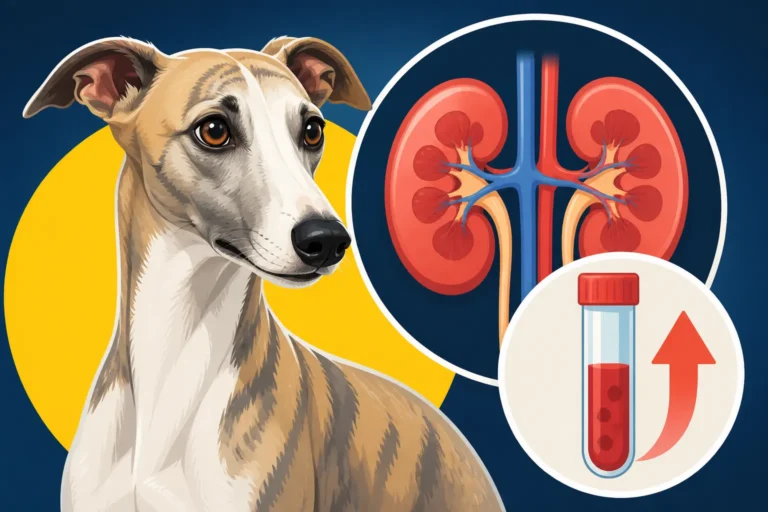
This cannot be stressed enough: establish a strong relationship with a veterinarian who has experience with sighthounds. Their nuanced understanding of Why a Whippet Has So Little Body Fat and its metabolic implications is invaluable. When discussing flea prevention, share your concerns about your Whippet's sensitivity. Your vet can help you evaluate the risk versus benefit of different products based on your dog's individual health, age, lifestyle, and your geographic location's parasite prevalence. They might recommend blood work before starting certain systemic medications to ensure your Whippet's liver and kidneys are functioning optimally. Don't be afraid to ask questions, voice your fears, and even request information on specific ingredients. A good sighthound vet will appreciate your diligence and partner with you to find the safest solutions.
Choosing the Safest Flea Prevention Methods
Thankfully, advancements in veterinary medicine have introduced newer generations of flea and tick preventatives that are often better tolerated by sensitive breeds. Many of the newer oral isoxazoline-class drugs, for example, have a generally good safety profile. They work by targeting insect nerve receptors, which are distinctly different from mammalian ones, thereby reducing the risk of neurological side effects in dogs. However, even with these, individual sensitivities can still occur, so starting under vet supervision and monitoring is always wise.
Beyond pharmaceuticals, an integrated pest management approach can significantly reduce reliance on heavy chemical treatments. This includes:
- Regular vacuuming: Especially in areas where your Whippet spends a lot of time, like their favorite cozy bed.
- Washing bedding frequently: Hot water washing can kill fleas and eggs.
- Yard maintenance: Keeping grass mowed and discouraging wildlife can reduce flea and tick populations around your home.
- Flea combs: Regular grooming with a fine-toothed flea comb, particularly during peak flea season, can manually remove parasites.
- Consider "natural" options with caution: While appealing, many natural remedies lack scientific backing for efficacy and safety, and some can even be toxic if misused. Always discuss any alternative treatments with your vet first.
The goal is to minimize exposure to both parasites and unnecessary chemicals, creating a healthy balance for your sensitive Whippet.
The Importance of Continuous Monitoring
Even after choosing a "safe" treatment, your job isn't over. Continuous monitoring is a non-negotiable part of responsible Whippet ownership, especially for several days after applying a new flea treatment or a new dose. Keep a detailed log: product name, date applied, and any observations. Look for subtle changes in behavior, appetite, energy levels, or skin condition. If you notice anything unusual, refer back to the symptom table and contact your vet. Sometimes, a reaction might be delayed, or manifest differently than expected. Staying vigilant helps ensure that any adverse effects are caught early, allowing for prompt intervention and minimizing potential harm to your beloved Whippet.
Disclaimer
The information provided in this article is for general informational purposes only and is not a substitute for professional veterinary advice, diagnosis, or treatment. Always seek the advice of your veterinarian or other qualified health provider with any questions you may have regarding a medical condition or treatment for your Whippet. Never disregard professional veterinary advice or delay in seeking it because of something you have read in this article.