Where to Socialize a Whippet Puppy Before Full Vaccination
The arrival of a Whippet puppy is such an exciting time, filled with cuddles and dreams of long runs together. But it also comes with a significant worry: how do you safely introduce your delicate little sighthound to the big, wide world without exposing them to illnesses before they're fully vaccinated? This guide is here to walk you through smart, safe strategies for socializing your Whippet puppy during this crucial early period, ensuring they grow into a confident, well-adjusted adult without unnecessary health risks.
The Critical Window: Why Early Socialization Matters for Your Whippet Puppy
Bringing home a new puppy means balancing the absolute joy with the very real concerns about their health and development. For Whippets, who are often incredibly sensitive and prone to shyness if not properly socialized, this early period is even more vital. We often hear warnings about keeping puppies isolated until all shots are done, but an equally damaging risk is under-socialization. It’s a tightrope walk, and understanding the stakes is the first step.
Understanding the Puppy Socialization Period
Puppies aren't just cute bundles of fluff; they're tiny sponges, soaking up every experience and forming their world view. The prime socialization window is typically considered to be between 3 and 16 weeks of age. During this time, a puppy's brain is most receptive to new sights, sounds, textures, people, and other animals. Positive experiences during this period help them develop into confident, resilient adults who are less likely to be fearful or reactive later in life.
For a Whippet, this window is especially important because they are often more sensitive than some other breeds. A Whippet who misses out on varied, positive early experiences can easily become timid, shy with strangers, or anxious in new situations. Imagine a young Whippet encountering a rumbling truck for the first time at four months old, having never heard a loud noise before – it could be terrifying. Now imagine that same Whippet hearing a low rumble from a distance in the safety of your arms at eight weeks, paired with a tasty treat. The difference in their emotional response and long-term association with that sound can be profound. It’s about building a positive emotional foundation for all the novelties life throws their way.
The Risks of Isolation Versus the Risks of Disease
It's completely natural, and in fact, responsible, to worry about your unvaccinated puppy contracting diseases like parvovirus or distemper. These are serious, potentially fatal illnesses, and you want to protect your new family member at all costs. The common advice to keep puppies homebound until their full vaccination series is complete often stems from this very real fear.
However, the risk of behavioral problems from a lack of early socialization is also incredibly high, and often just as devastating for a dog's long-term well-being and their relationship with their family. A puppy isolated entirely until 16 weeks might be physically healthy, but they could develop deep-seated fears, reactivity, or aggression towards novel stimuli, people, or other dogs, which are incredibly challenging to overcome later. These behavioral issues often lead to a lower quality of life for the dog and significant stress for the owner. Many perfectly healthy dogs are surrendered to shelters not because of illness, but because of behavior problems that could have been mitigated with proper early socialization.
The key is finding a balance: exposing your Whippet puppy to a wide variety of stimuli in controlled and safe environments where the risk of disease transmission is minimized. It’s not about throwing them into a dog park, but rather about thoughtful, planned exposures that prioritize both their physical and mental health. This careful approach is crucial for a breed like the Whippet, which benefits immensely from a solid foundation of positive experiences. A well-socialized Whippet is a joy; a fearful one can be a challenge. You want your Whippet to understand the world isn't a scary place, and that starts early.
Safe Havens for Your Unvaccinated Whippet Puppy
So, you're committed to socializing your Whippet puppy, but you're also diligent about their health. Where can you safely take your little one before they've had all their shots? The good news is, there are plenty of excellent, low-risk options that can provide invaluable exposure without putting your puppy in harm's way. The goal is positive exposure to new sights, sounds, people, and animals, all while maintaining a sterile environment.
The Importance of a Clean, Controlled Home Environment
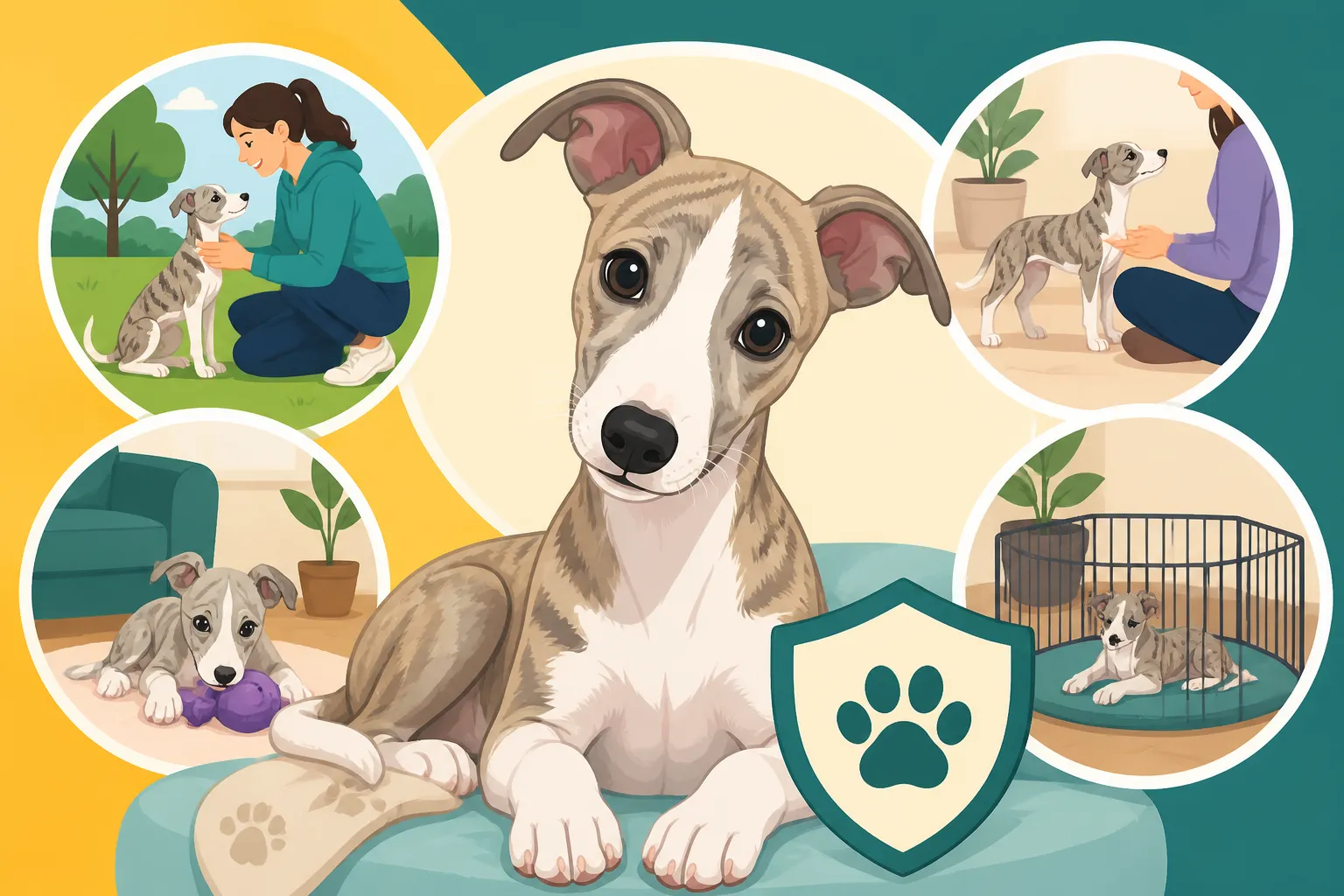
Your home is ground zero for socialization, and it's the safest place imaginable for your unvaccinated puppy. Don't underestimate the power of simply existing within a varied home environment. Think about all the different sounds: the vacuum cleaner, the doorbell ringing (a classic Whippet bark-trigger!), the washing machine, music, TV, children playing, or even just pots and pans clattering. Intentionally expose your puppy to these noises at low volumes first, gradually increasing them, always pairing the sound with a happy tone, treats, or play.
Beyond sounds, consider textures. Let your puppy walk on different surfaces inside: carpet, hardwood, tile, linoleum, bath mats, even a crinkly blanket. Introduce them to different objects – soft toys, hard chew toys, a plastic water bottle (empty, of course) that makes a fun crinkly sound when nudged. Gentle handling is also paramount here. Regularly touch their ears, paws, mouth, and tail. Get them used to being held, picked up, and having their nails gently manipulated. This not only builds trust between you but also prepares them for stress-free vet visits and grooming sessions later. Remember, every positive interaction within your home builds a little piece of confidence in your Whippet, setting them up for success when they venture further out.
Puppy Classes and Socialization Parties
One of the best and safest options for early puppy socialization is a vet-approved puppy class or puppy socialization party. These programs are specifically designed for young, unvaccinated puppies and take extreme precautions to ensure a clean and low-risk environment. Classes are often held in veterinary clinics, sterilized training facilities, or even specific designated areas within pet stores that have strict cleaning protocols. All participating puppies must have at least their first set of vaccinations and be free of any signs of illness.
These classes offer a truly invaluable experience. Your Whippet puppy gets to interact with other puppies of similar age and size, learning crucial bite inhibition and dog-dog communication skills in a supervised setting. Professional trainers guide the interactions, ensuring they remain positive and prevent any puppy from being overwhelmed or scared. They also expose puppies to different people, basic commands, and novel objects. If you can find a reputable class in your area, it's often worth the investment. For those without access to in-person classes or who prefer an at-home approach, online resources like BAXTER & Bella offer virtual puppy training and socialization programs that can guide you through structured, safe home-based exercises.
Carefully Chosen Friends' Homes and Yards
Expanding beyond your immediate household, carefully selected visits to friends' or family members' homes can be an excellent step. The key here is carefully chosen. Only visit homes where you know for a fact that any resident dogs are fully vaccinated, calm, and healthy. It's also ideal if they're known to be gentle and well-socialized with puppies. Avoid homes with unvaccinated or unknown dogs, or those with dogs that might be overly boisterous or aggressive.
Before you go, confirm the yard is secure and free of hazards, and that any outdoor areas are clean and haven't had unknown dogs using them recently. This allows your Whippet puppy to explore new scents, sights, and sounds in a relatively controlled and safe outdoor space. These visits can also introduce your puppy to different types of people (children, adults, people wearing hats or glasses) and potentially other species, like a calm, cat-savvy resident cat. Introducing a Whippet Puppy to a Resident Cat can be a wonderful, low-stress socialization experience if done correctly in a known environment. Always supervise interactions closely, keep them positive, and take breaks if your puppy seems overwhelmed.
Car Rides and Carried Outings
While you can't let your unvaccinated Whippet puppy walk around in public spaces, you can still expose them to the sights and sounds of the world from a safe vantage point. Car rides are fantastic for this! Simply driving around town, with your puppy securely buckled in a crate or harness, allows them to see cars, people, cyclists, and buildings without direct contact with the ground or other animals. Keep the volume of the radio low, or play soothing music, and always make it a positive experience with praise and treats.
Another great option is what I like to call "carried outings." This involves holding your puppy in your arms, in a carrier, or in a specialized puppy sling while you visit low-risk, pet-friendly environments. Think quiet outdoor seating areas at cafes (don't let them touch the ground!), a stroll around a quiet park (again, no ground contact), or even a quick trip into a large chain hardware store or a similar establishment that welcomes dogs and has wide, clean aisles. The goal is exposure to different sounds, smells, and types of people, all from the safety of your embrace. This is particularly useful for exposing your Whippet to the hustle and bustle of everyday life without the risk of disease. Remember to watch your puppy's body language – if they seem stressed, it's time to head home.
What to Avoid: Minimizing Risk While Maximizing Exposure
Navigating puppyhood is about informed choices. While the previous section focused on safe socialization zones, it's equally crucial to understand where the risks truly lie for your unvaccinated Whippet puppy. Knowing what to steer clear of helps you make confident decisions that protect both their physical health and their burgeoning confidence. Sometimes, avoiding certain situations is the best form of socialization, as it prevents negative experiences that can be hard to undo.
Public Parks and High-Traffic Dog Areas
This is probably the biggest no-go zone for an unvaccinated puppy. Public parks, dog parks, popular walking trails, and even busy sidewalks are rife with potential health hazards. You simply have no way of knowing the vaccination status or health of every dog that has been in that area. Parvovirus, distemper, leptospirosis, and other contagious diseases can linger in soil, grass, and on surfaces for extended periods, even after an infected dog has left.
Even if the risk of disease wasn't present, these environments can be overwhelming for a young, sensitive Whippet puppy. Uncontrolled interactions with strange, potentially boisterous dogs could lead to a frightening experience, which can be just as damaging to their socialization as a disease. A single bad encounter with an overly rough dog can instill fear and reactivity that lasts a lifetime. For a breed like a Whippet, who might already be nervous of strangers if not properly introduced, this kind of overwhelming experience can set them back significantly. Wait until your vet gives the all-clear after their full vaccination series before venturing into these high-traffic areas.
Unsupervised Dog Interactions
It might seem harmless to let your puppy greet a friendly-looking dog on a leash while you're out and about, but it carries multiple risks for an unvaccinated puppy. First and foremost, there's the health risk. Even if the other dog looks healthy, you don't know its vaccination history, whether it's recently been exposed to illness, or if it's shedding any pathogens.
Beyond health, there's the behavioral risk. Not all adult dogs are tolerant of puppies, and even a well-meaning but clumsy interaction can scare a small Whippet. An older dog might give a sharp correction that, while intended to teach manners, could be traumatic for a sensitive puppy. Furthermore, you want all early dog-dog interactions to be overwhelmingly positive and carefully supervised to ensure your puppy learns appropriate social cues. Unsupervised or uncontrolled greetings with unknown dogs remove that vital supervision and significantly increase the chance of a negative experience. It's much safer to stick to carefully managed interactions with known, fully vaccinated, and calm adult dogs in controlled environments.
Overwhelming the Puppy
While socialization is crucial, it's important to remember that more isn't always better. A Whippet puppy, with its delicate nature, can easily become overwhelmed if exposed to too much, too fast, or for too long. This isn't just about physical risk; it's about mental well-being. An overwhelmed puppy isn't learning positive associations; they're learning fear or anxiety.
Signs of an overwhelmed puppy include:
- Excessive yawning
- Lip licking
- Turning head away
- Tucking tail
- Shrinking body language
- Trying to hide or escape
- Excessive panting
- Freezing in place
Your goal should always be short, positive, and controlled exposures. A few minutes of quiet observation from your arms, paired with treats, is far more beneficial than an hour of forced interaction where your puppy is stressed. Read your Whippet's body language constantly. If they're showing signs of stress, end the session on a positive note, even if it's just a quick cuddle and a treat, and retreat to a quiet place. Gradual exposure is key to building a confident, resilient dog. Pushing too hard, too fast, can lead to an undersocialized Whippet who struggles to recover from negative experiences.
Tools and Strategies for Successful Early Socialization
Successfully socializing your Whippet puppy before they're fully vaccinated requires a thoughtful approach. It’s not just about where you go, but how you engage with them during these critical weeks. By leveraging positive reinforcement and introducing a variety of stimuli in a controlled manner, you can build a strong foundation for a confident and well-adjusted adult Whippet. Remember, your Whippet learns quickly, and every interaction contributes to their understanding of the world.
Treats, Toys, and Positive Reinforcement
This is your golden rule for early socialization! Every new sight, sound, person, or safe animal your Whippet puppy encounters should be paired with something incredibly positive. High-value treats (think tiny pieces of cooked chicken, cheese, or specialized training treats from Amazon) and beloved toys are your best friends. The moment your puppy notices something new—a rumbling truck in the distance, a child walking by, a new texture under their paws—immediately offer a treat and calm, happy praise.
The goal is to create strong positive associations: "New things are great! New people are great! New sounds mean yummy food!" This active counter-conditioning helps to shape your puppy's emotional response. If your Whippet is naturally sensitive, these positive associations are crucial to prevent them from becoming fearful. Keep sessions short and always end on a high note. Think of it as a series of mini-celebrations for every brave new step your puppy takes.
Desensitization to Sounds and Textures
Beyond direct exposure, you can actively desensitize your Whippet puppy to a variety of everyday stimuli within the safety of your home. Sound desensitization is particularly helpful for dogs that might be sensitive to noise, which many Whippets can be. You can find "desensitization CDs" or smartphone apps with recordings of common household sounds (doorbells, vacuums, thunderstorms, fireworks, city traffic). Start playing these sounds at a very low volume while your puppy is relaxed and engaged in a positive activity, like eating their meal or playing with a favorite toy. Gradually, over days or weeks, increase the volume, always watching your puppy for signs of stress. If they react negatively, lower the volume or take a break.
Similarly, actively introduce your puppy to different textures. Lay down towels, blankets, bubble wrap (supervised, of course!), cardboard, or even a crinkly tunnel in your living room. Encourage your Whippet to walk, play, and eat treats on these various surfaces. This builds their comfort with different groundings, which is especially beneficial for a breed that will eventually be running and exploring. This kind of thoughtful exposure, paired with positive reinforcement, helps your Whippet build resilience and curiosity instead of fear.
Building Confidence Through Gentle Handling
One of the most overlooked aspects of early socialization is getting your puppy comfortable with being handled. This isn't just about cuddles; it's about preparing them for essential life experiences like vet visits, grooming, and even just casual interactions with people. Your Whippet's future veterinarian will thank you for this!
Start early and make it positive. Gently touch your puppy's ears, lift their lips to look at their teeth, touch their paws (especially between the toes), and softly pull their tail. Practice holding them still for short periods, like you would during a nail trim or an injection. Reward every calm acceptance with a treat and praise. Gradually build up the duration and intensity of the handling. If you have children, teach them how to gently and respectfully interact with the puppy under close supervision. This teaches your puppy to trust human hands and helps them learn that being touched, even in sensitive areas, is a normal and often pleasant experience. This confidence in handling will reduce stress during necessary medical procedures and make your Whippet a more relaxed companion overall. Remember, a Whippet learns when handling is gentle and positive; harsh handling can cause them to shut down when corrected. Focusing on gentle, consistent handling builds a lifelong bond of trust and sets them up for a lifetime of comfortable care.
Table of Safe Early Socialization Environments
Choosing the right environment is critical for your unvaccinated Whippet puppy. Here’s a quick overview of safe options and key considerations:
| Safe Socialization Environment | Risk Level (Before Full Vaccination) | Benefits | Considerations |
|---|---|---|---|
| Your Own Clean Home | Very Low | Exposure to household sights/sounds, family members, various textures. Builds comfort and confidence in a secure space. | Requires intentional introduction of variety to prevent under-stimulation. |
| Vet-Approved Puppy Class | Low | Controlled puppy-puppy play, professional guidance, exposure to new people and objects. Social skills development. | Must be strictly managed by veterinary staff or certified trainers with rigorous cleaning protocols. All puppies require initial vaccinations. |
| Trusted Friends' Homes | Low | Exposure to new people, different home environments, and known, healthy, vaccinated dogs. | Ensure resident pets are fully vaccinated, temperamentally sound, and known to be gentle with puppies. Confirm yard security. |
| Car Rides/Carried Outings | Low | Exposure to outdoor sights, sounds, smells, and people from a safe distance. Prevents isolation. | Do NOT let puppy touch any public ground. Use a secure carrier or be held safely. Keep experiences short and positive. |
Disclaimer
This article is for general informational purposes only and does not constitute professional advice. Laws, prices and regulations vary by location and change over time. Consult a qualified professional for guidance on your specific situation.