Whether a Whippet Needs Pre Anesthetic Bloodwork
It’s a scenario many of us Whippet owners have faced: your seemingly fit, energetic Whippet needs a routine dental cleaning or a minor surgical procedure, and your veterinarian recommends pre-anesthetic bloodwork. You look at your sleek, healthy dog, then at the estimated bill, and wonder, "Is this really necessary for my Whippet?" This guide is here to shed light on why these tests are not just an upsell, but a crucial safety measure for our unique sighthound companions.
The Unique Physiology of a Whippet and Anesthesia
Our Whippets are incredible athletes, built for speed and grace, but their very physiology, which makes them so special, also presents unique considerations when it comes to anesthesia. They aren't just smaller versions of other breeds; their bodies handle things differently, and understanding these differences is key to their safety.
Why Whippets Are Different
Whippets, like all sighthounds, possess a distinct physiological makeup that sets them apart from many other dog breeds. For starters, they have very little body fat, which impacts how they metabolize and eliminate anesthetic drugs. These drugs are often stored in fat cells and then gradually released from the body. With minimal fat stores, a Whippet's body processes these medications differently, meaning they can be more sensitive to standard dosages and may take longer to fully recover from sedation. We've all heard stories about a Whippet taking an age to wake up after surgery; it's often due to this unique metabolism. This also contributes to their tendency to get cold easily, which is a significant concern during anesthesia when body temperature regulation is already compromised. If you're looking for more information on specific risks, our article on Why Anesthesia Is Riskier in a Whippet delves deeper into these concerns.
Potential Risks Without Proper Assessment
Without a thorough pre-anesthetic assessment, including bloodwork, you're essentially going into an anesthetic procedure blind to your Whippet's internal health. Anesthesia puts stress on the heart, liver, and kidneys – the very organs responsible for processing and eliminating the drugs. If your Whippet has a pre-existing, undiagnosed condition affecting one of these organs, administering anesthesia without knowing could lead to serious, even life-threatening, complications. Imagine if your Whippet had a subtle kidney issue; a normal dose of anesthetic could overload their already compromised kidneys, leading to acute kidney injury. The risks are very real, and while complications are rare, they are almost always more severe when underlying conditions are present.
Common Misconceptions About Whippet Health
It’s easy to assume that because your Whippet is young, lean, and active, they must be perfectly healthy on the inside. We see them zoom around the yard, eat their meals with gusto, and snuggle up contentedly, and we think, "What could possibly be wrong?" However, many health issues, particularly those affecting the liver and kidneys, can be silent in their early stages. Your Whippet might not show any outward signs of illness until a condition is quite advanced. Furthermore, some Whippets might have idiosyncratic reactions to certain medications, or their unique blood parameters could be misinterpreted if a veterinarian isn't familiar with sighthound norms. For example, The Bloodwork Numbers That Look Wrong on a Healthy Whippet highlights how their red blood cell counts and thyroid readings can naturally differ from other breeds.
What Pre-Anesthetic Bloodwork Actually Reveals
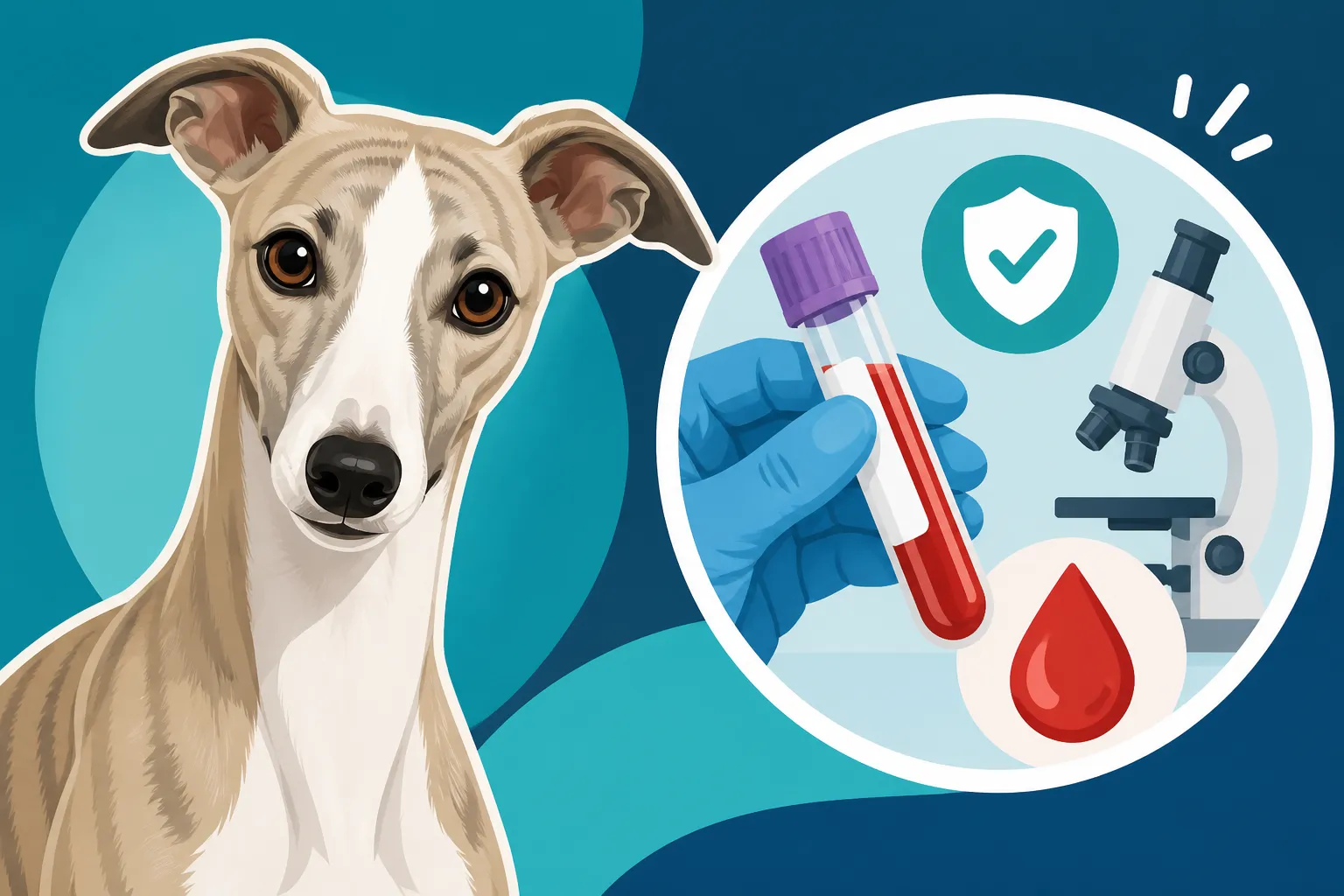
Pre-anesthetic bloodwork is like a secret window into your Whippet's internal organs, giving your vet crucial information that a physical exam alone cannot provide. It’s about more than just a general check-up; it’s about tailoring the anesthetic protocol specifically to your Whippet's needs.
A Deep Dive into Organ Function
The primary goal of pre-anesthetic bloodwork is to assess the function of vital organs, especially the liver and kidneys. These organs are the body’s detoxification and filtration systems, responsible for metabolizing and excreting anesthetic drugs. If either of these organs isn't functioning optimally, the drugs can linger in your Whippet’s system longer, leading to a prolonged and difficult recovery, or even toxicity.
A typical blood panel will include:
- Kidney values (BUN, Creatinine, SDMA): These indicate how well your Whippet's kidneys are filtering waste products from the blood. Elevated levels could suggest kidney impairment, requiring a modification of anesthetic drugs or additional fluid support during the procedure.
- Liver values (ALT, ALP, Bilirubin): These enzymes give insight into liver health. Anesthetic drugs are heavily processed by the liver, so compromised liver function means these drugs won't be broken down efficiently, increasing the risk of adverse reactions.
- Electrolytes (Sodium, Potassium, Chloride): These are essential for proper nerve and muscle function, including the heart. Imbalances can lead to arrhythmias or other cardiac issues under anesthesia.
Red and White Blood Cell Counts
Beyond organ function, bloodwork also gives us a detailed look at your Whippet's complete blood count (CBC). This includes:
- Red Blood Cells (RBC) and Hemoglobin/Hematocrit (HCT): These measure the oxygen-carrying capacity of the blood. Anemia (low RBCs) can reduce oxygen delivery to tissues during anesthesia, which can be dangerous. On the other hand, Whippets naturally tend to have higher packed cell volumes, or PCV, than many breeds, so it's important for your vet to understand Why a Whippet's Red Cell Count Runs High.
- White Blood Cells (WBC): These cells are part of the immune system. Elevated WBCs could indicate an infection or inflammation that needs to be addressed before surgery, as anesthesia can suppress the immune system.
- Platelets: These are crucial for blood clotting. A low platelet count could lead to excessive bleeding during or after surgery.
Knowing these numbers helps your vet predict how your Whippet will respond to anesthesia and make informed decisions about drug choices, dosages, and supportive care.
Detecting Hidden Conditions
One of the most valuable aspects of pre-anesthetic bloodwork is its ability to uncover hidden conditions that aren't apparent from a physical exam. A Whippet might appear perfectly healthy, but a blood test could reveal early-stage kidney disease, liver dysfunction, or even a subclinical infection that, if ignored, could turn into a serious problem under the stress of anesthesia. Early detection allows your vet to adjust the treatment plan, postpone the procedure if necessary, or implement preventive measures to minimize risk. For instance, if bloodwork showed a concern, your vet might recommend additional diagnostics or a different approach entirely. This proactive approach significantly enhances the safety margin for our beloved Whippets.
Understanding the Cost vs. Benefit of Pre-Anesthetic Testing
The cost of veterinary care, including diagnostic tests, is a very real concern for pet owners. It’s natural to question expenses, especially when your Whippet appears to be in peak condition. However, when it comes to pre-anesthetic bloodwork, the benefits far outweigh the financial outlay in terms of peace of mind and, most importantly, your Whippet’s safety.
The Financial Aspect: Is It Worth It?
Let's be frank, adding pre-anesthetic bloodwork to a procedure bill increases the cost, and in today's world, every dollar counts. Many pet owners grapple with this decision, weighing the expense against what seems like a low risk for a healthy dog. However, consider the alternative: if an undiagnosed condition leads to complications during or after anesthesia, the cost of emergency treatment, hospitalization, or managing a chronic issue will far exceed the price of a simple blood panel. For example, treating acute kidney failure or severe liver damage post-anesthesia can run into thousands of dollars, not to mention the emotional toll of seeing your Whippet suffer. Investing a few hundred dollars upfront for bloodwork is a small price to pay to avoid potentially catastrophic and far more expensive problems down the line. This is where comprehensive pet insurance plans, like those offered by Healthy Paws, can be an absolute lifesaver, helping to cover these unexpected veterinary costs and making such preventative diagnostics more accessible.
Peace of Mind and Proactive Care
Beyond the financial calculus, there’s the immeasurable value of peace of mind. Knowing that your veterinarian has a complete picture of your Whippet's internal health before administering anesthesia allows you to feel confident that every possible precaution has been taken. It demonstrates a commitment to proactive care, not just reactive treatment. If bloodwork identifies a mild abnormality, your vet can implement supportive measures, such as intravenous fluids during surgery or specific medications, to protect those organs. This foresight can prevent minor issues from escalating into major crises. It allows for a truly individualized approach to your Whippet's care, acknowledging their unique physiological needs. Knowing you’ve done everything possible for your furry friend's safety provides comfort that is truly priceless.
Discussing Options with Your Vet
It’s crucial to have an open and honest conversation with your veterinarian about your concerns, including the cost. Don't be afraid to ask questions. A good vet will explain the rationale behind their recommendations and discuss the specific tests they deem necessary for your Whippet, given their age, history, and the procedure at hand. They might offer different levels of bloodwork, from basic screening panels to more comprehensive diagnostics. If cost is a significant barrier, inquire about payment plans or if a more limited panel would still offer significant safety benefits. Sometimes, there are ways to prioritize tests based on immediate risk factors. Remember, your vet wants the best for your Whippet, and clear communication ensures you're both on the same page. Having pet insurance from a provider like Healthy Paws can truly empower you in these conversations, knowing you have support for recommended diagnostics.
Beyond Bloodwork: Other Pre-Anesthetic Considerations for Whippets
While pre-anesthetic bloodwork is a cornerstone of safe anesthesia for Whippets, it's part of a larger, holistic approach to ensuring their well-being. A comprehensive pre-anesthetic workup involves several other critical steps that are particularly important for sighthounds.
Comprehensive Physical Exam
Before any anesthetic procedure, a thorough physical examination is non-negotiable. Your vet will listen to your Whippet's heart and lungs, check their hydration status, examine their mouth and gums, and assess their overall body condition. This hands-on assessment can reveal issues that bloodwork might not, such as a heart murmur that could necessitate further cardiac evaluation (perhaps an echocardiogram if Whether a Whippet's Murmur Is Always Serious is a concern), or dental disease that requires special attention. Even something as simple as a low body temperature on examination can alert the vet to an increased risk of hypothermia during surgery, prompting extra warming measures, as discussed in Warming a Whippet During Surgery. This exam, combined with bloodwork, creates a complete health profile for your Whippet.
Sighthound Anesthesia Protocols
This is where specialized knowledge truly makes a difference. Due to their unique physiology, Whippets require specific anesthetic protocols that differ from those used for other breeds. Many standard anesthetic drugs are metabolized slowly in sighthounds, leading to prolonged recovery times and an increased risk of complications. Vets experienced with sighthounds will opt for drugs that are rapidly metabolized or quickly reversible, such as Propofol, as highlighted in Propofol as a Whippet's Safer Option. They will also pay close attention to maintaining body temperature, providing IV fluids, and closely monitoring vital signs throughout the procedure and during recovery. This specialized approach, often referred to as a "sighthound anesthesia protocol," is vital for minimizing risks. You can read more about this in Why a Whippet Needs a Sighthound Anesthesia Protocol. If you’re ever unsure, don't hesitate to ask your vet about their experience with sighthounds and their specific protocols. Choosing a vet who understands Whether a Whippet Needs a Vet Who Knows Sighthounds can be a game changer.
The Importance of a Detailed History
As a Whippet owner, you are an invaluable source of information for your veterinary team. Providing a detailed history about your Whippet's temperament, previous health issues, any medications they are on, and even their typical behavior is crucial. Does your Whippet tend to be anxious? Do they get cold easily? Have you noticed any subtle changes in their eating habits or energy levels? All this information helps your vet anticipate potential challenges and tailor the anesthetic plan even further. For instance, knowing that your Whippet takes How Slowly a Whippet Wakes From Sedation after past sedation can inform drug choices this time around. A complete history, combined with a physical exam and comprehensive bloodwork, creates the safest possible environment for your Whippet's procedure.
Here’s a quick overview of what those pre-anesthetic blood tests are looking for:
| Blood Test Category | Common Tests Included | What It Primarily Screens For | Why It Matters for Anesthesia |
|---|---|---|---|
| Kidney Function | BUN, Creatinine, SDMA | Kidney disease, hydration status | Kidneys filter anesthetic drugs; impaired function means drugs linger longer, increasing toxicity risk. |
| Liver Function | ALT, ALP, Bilirubin | Liver damage or disease | Liver metabolizes anesthetic drugs; impaired function can lead to prolonged recovery and drug accumulation. |
| Complete Blood Count (CBC) | RBC, WBC, Platelets, HCT | Anemia, infection, inflammation, clotting ability | Anemia reduces oxygen delivery; infection/inflammation increases complications; low platelets risk bleeding. |
| Blood Glucose | Glucose | Diabetes, low blood sugar | Anesthesia can affect blood sugar; extremes are dangerous. |
| Electrolytes | Sodium, Potassium, Chloride | Fluid balance, heart function | Imbalances can cause heart arrhythmias or other cardiac issues during anesthesia. |
| Total Protein / Albumin | Total Protein, Albumin | Hydration, liver/kidney function, chronic disease | Affects drug binding and distribution; low levels can make drugs more potent. |
Disclaimer
The information provided in this article is for educational and informational purposes only, and does not constitute veterinary advice. Always consult with a qualified veterinarian for any health concerns or before making any decisions about your Whippet's medical care. Individual circumstances may vary, and only a professional can provide an accurate diagnosis and treatment plan.