The First Year With a Whippet Puppy
Bringing a Whippet puppy home is an incredibly exciting time, full of dreams of zoomies, cuddles, and companionship. But let's be honest, that first year can also feel like a whirlwind of sleepless nights, chewed-up shoes, and moments of utter bewilderment as you try to understand your lanky, sensitive little sighthound. This comprehensive guide is here to walk you through all the ups and downs, triumphs and challenges, of raising your Whippet puppy from a tiny bundle of energy into a well-adjusted, beloved family member.
The Grand Arrival: Welcoming Your Whippet Puppy Home
The day you bring your Whippet puppy home is monumental, for both of you. It's the beginning of a beautiful journey, but it can also be a little overwhelming. Your puppy is leaving everything familiar behind, and you're stepping into the role of chief comforter, educator, and poop-picker-upper. Getting things set up correctly from day one can make a huge difference in how smoothly this transition goes.
Preparing for Puppy's First Days
Before your little Whippet even sets a paw in your home, it’s crucial to have everything ready. Think about how a human baby's nursery is prepared – you want a similar sense of safety and predictability for your new canine family member. This means puppy-proofing your home, setting up a designated safe space, and having essential supplies on hand. Remove anything chewable or valuable from floor level, secure electrical cords, and block off areas that are off-limits. You'd be amazed at what a curious Whippet puppy can get into!
Your puppy's first few days will be a mixture of excitement and anxiety. They’re exploring a new world, full of strange sights, sounds, and smells. Having a routine from the outset, even a loose one, helps them understand what to expect. Decide on feeding times, potty breaks, and nap times, and try to stick to them. This structure provides comfort and predictability, which is incredibly important for sensitive breeds like Whippets. Remember, this isn't just a new home for them; it's a completely new existence.
Consider a cozy, soft bed or crate for their initial safe space. Whippets, with their thin skin and minimal body fat, really appreciate soft surfaces. A plush bed, perhaps even with a familiar-smelling blanket from their littermates, can provide immense comfort. Think about where this bed will be placed – somewhere quiet but still part of the family action, not isolated in a forgotten corner.
Essential Supplies for Your New Companion
You’ll want to have all the basics covered to ensure your puppy's comfort and safety. This includes food, water bowls, a suitable collar and leash, and plenty of appropriate chew toys. For food, try to get a small amount of whatever your breeder was feeding them to avoid an abrupt dietary change, which can upset delicate puppy tummies. Transition slowly if you plan to switch to a different brand.
For collars, a soft, lightweight flat collar is fine for the very beginning, but keep in mind that Whippets have slender necks and heads, making them escape artists. You'll soon find a martingale collar becomes an essential item for walks. Look for these on platforms like Amazon or at your local pet store. Durable chew toys are also vital to redirect their natural urge to chew away from your furniture or shoes. A variety of textures and sizes will keep them engaged and help with teething.
Don't forget grooming supplies like a soft brush, nail clippers, and perhaps some puppy-safe shampoo. Even though Whippets are low-maintenance on the grooming front, getting them used to these sensations early on will make future care much easier. And, of course, a good supply of potty training pads and enzymatic cleaner for inevitable accidents is a must. Being prepared lessens stress for everyone involved.
Navigating Potty Training and Crate Training
These two aspects are often the biggest challenges for new puppy owners, but with a Whippet, there are some unique considerations. Their sensitive nature and tendency to dislike cold or wet weather can throw a wrench into traditional methods. Patience, consistency, and understanding your Whippet's specific quirks are key to success.
Mastering the Art of Potty Training
Potty training a Whippet puppy requires an iron will and an eagle eye. They are intelligent, but also can be quite stubborn, especially when it comes to going outside in less-than-ideal weather. How Long a Whippet Puppy Takes to House Train can vary greatly, but setting them up for success from day one is paramount. Take them out frequently – every hour or two, after waking up, after eating, and before bed. Always praise and reward immediately when they go in the right spot. Make it a celebration!
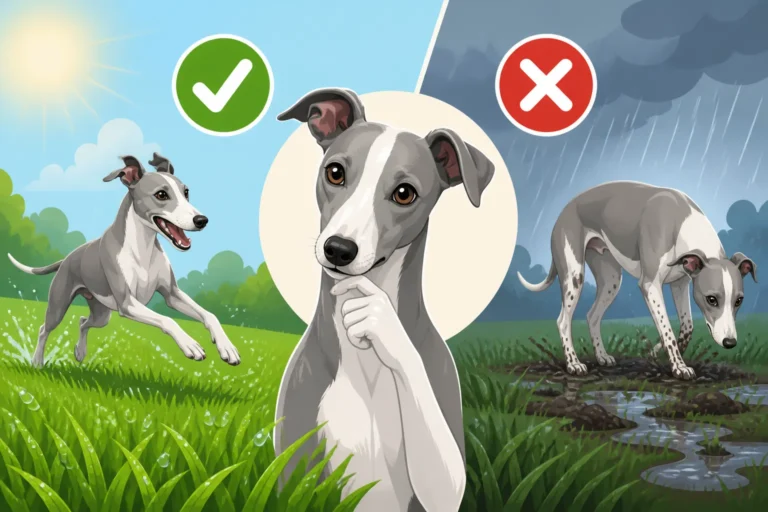
One common frustration for Whippet owners is their puppy’s aversion to rain, snow, or even just wet grass. You might find your little one holds it as long as possible, shivering by the door, only to relieve themselves the moment they step back inside on your warm rug. This is where a designated, perhaps covered, potty area can be a game-changer. Some owners even invest in a large umbrella they can stand under with their puppy during inclement weather. Coats and pajamas also help them tolerate the cold more, which can prevent them from "holding it" for too long.
Accidents will happen, and that's okay. The key is to clean them thoroughly with an enzymatic cleaner to eliminate odors that might encourage them to go in the same spot again. Never scold or punish your Whippet for an accident; this can lead to them hiding their potty habits from you, making the problem even harder to solve. Instead, focus on positive reinforcement for desired behaviors and simply clean up calmly.
Embracing the Crate: A Safe Haven
For many Whippet owners, the crate becomes an indispensable tool, but it needs to be introduced positively. Whether a Whippet Can Be Crate Trained successfully largely depends on making the crate a happy, safe space, not a punishment. Start with short periods, with the door open, allowing them to explore it, placing treats and favorite toys inside. Feed meals in the crate to build positive associations.
As Whippets have very little body fat, a hard crate floor can be uncomfortable. Ensure their crate is outfitted with soft, thick bedding. A memory foam pad or a cozy fleece blanket can make all the difference, making it a desirable den rather than a hard cage. If you make it comfortable and inviting, they will often choose to nap there on their own.
Crate training helps with house training, provides a secure space when you can't supervise directly, and teaches them to settle. However, it's not a place to store your puppy for extended periods. Young puppies have tiny bladders and need frequent breaks. Over-crating can lead to negative associations and anxiety. The goal is for the crate to be a comforting den where they feel secure, not a prison.
Socialization: Building a Confident Companion
Socialization is arguably one of the most critical aspects of a Whippet puppy's first year. A well-socialized Whippet is a confident, happy dog, less prone to shyness or reactivity. Given their sensitive nature, early, positive experiences with a wide variety of people, places, and other animals are incredibly important.
The Critical Window for Socialization
The critical socialization window for puppies typically closes around 16 weeks of age. During this time, every positive new experience helps shape your Whippet's perception of the world. This doesn't mean you should expose them to everything all at once, which can be overwhelming. Instead, aim for controlled, positive interactions. Think of it as building a robust emotional immune system.
Socializing a Whippet Puppy involves much more than just meeting other dogs. It means exposing them to different sights (people in hats, strollers, umbrellas), sounds (traffic, vacuums, children playing), textures (grass, pavement, carpet), and smells (different environments). Always ensure these experiences are positive and not forced. A shy Whippet can easily become fearful if pushed too far too fast. If they show signs of fear, calmly remove them from the situation and try again with less intensity later.
Puppy classes are an excellent way to socialize your Whippet in a safe, structured environment. Not only do they get to interact with other puppies, but you also learn valuable training techniques and get guidance from experienced instructors. Look for classes that emphasize positive reinforcement and focus on building confidence.
Introducing Your Whippet to the World
Whippets can be sensitive and sometimes a little reserved around strangers. Early, positive interactions can help them overcome this. Invite friends over, ensuring they know how to interact gently with a puppy – no overwhelming grabs or loud noises. Have them offer treats and speak in soft, encouraging tones. This teaches your Whippet that new people are sources of good things.
Introducing your Whippet to other vaccinated, friendly dogs is also crucial. Puppy playdates are great for teaching bite inhibition and appropriate doggie manners. However, be selective about the dogs they meet; a negative encounter with an overly boisterous or aggressive dog can leave a lasting impression on a sensitive Whippet. Look for balanced play that isn't too rough.
While Whippets are known for their strong prey drive, careful introductions to other small pets, especially cats, can be successful if done early and under strict supervision. Introducing a Whippet Puppy to a Resident Cat should be a slow process, initially with the cat on one side of a barrier and the puppy on the other, rewarding calm behavior. Never leave a Whippet puppy unsupervised with small, furry animals, even if they seem to get along. Their instincts are powerful and can kick in unexpectedly.
Training Fundamentals: Beyond the Basics
Whippets are smart, eager to please (when it suits them!), and highly food-motivated, making them generally delightful to train. However, their sensitive nature means that harsh methods are completely out of the question. Positive reinforcement, patience, and understanding their unique sighthound brain are your best tools.
Building a Foundation with Positive Reinforcement
How Quickly a Whippet Learns is often surprising to new owners. They pick up on commands very quickly, especially when high-value treats are involved. Focus on positive reinforcement: reward desired behaviors immediately with a tasty treat, a happy voice, and gentle praise. Avoid punishment, which can shut down a Whippet and make them fearful or withdrawn. They respond much better to being encouraged than corrected.
Basic obedience commands like "sit," "stay," "down," and "come" are essential. Practice these in short, fun sessions throughout the day. Whippets can get bored with repetitive drilling, so keep training sessions brief (5-10 minutes) and engaging. Vary your locations to help them generalize the commands – practice in the living room, then the backyard, then a quiet park.
Consider enrolling in a positive-reinforcement puppy class. This not only reinforces good manners but also helps you learn how to effectively communicate with your Whippet. Many online platforms, like BAXTER & Bella, offer fantastic puppy training programs that guide you through these fundamentals from the comfort of your home, which can be great for shy puppies.
The All-Important Recall and Leash Manners
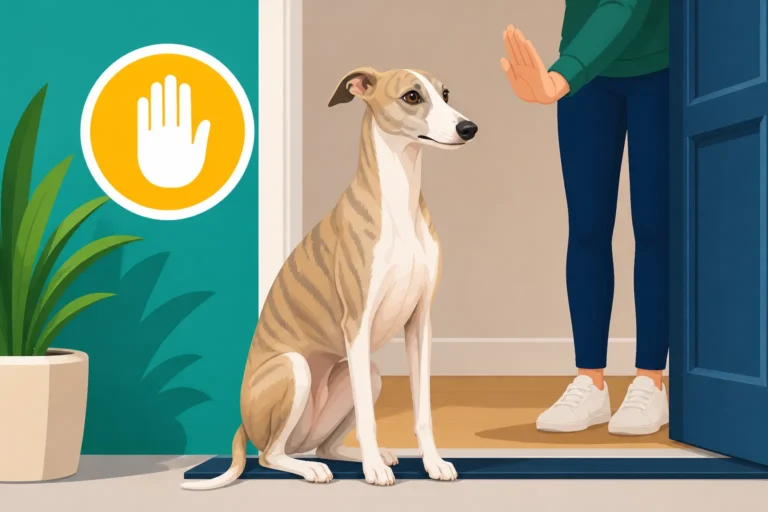
One of the biggest challenges for any Whippet owner is the recall. Why a Whippet Cannot Be Let Off Leash in an Open Field is a crucial lesson to learn early. Their prey drive is incredibly strong, and once they spot something interesting, their ears often turn off to your calls. A Whippet running at full speed is a sight to behold, but also a significant safety risk. Work on a rock-solid recall in a securely fenced area from day one. Use high-value treats and make coming to you the most rewarding thing ever.
Leash manners are also vital. Whippets can be surprisingly strong on a leash, especially when excited. Start leash training early with a soft, lightweight leash and collar. A front-clip harness can be helpful for puppies who pull, as it redirects their momentum without putting pressure on their delicate neck. Practice walking in a quiet area, rewarding loose-leash walking, and changing directions frequently to keep their attention on you.
Given their slender heads, a martingale collar is highly recommended for older puppies and adults. It tightens slightly when pulled, preventing them from slipping out, but without choking them. You can find a good selection of these on Amazon, often in fun colors and patterns that suit your Whippet’s sleek style. Always prioritize their safety and your peace of mind by keeping them leashed in unfenced areas.
Exercise and Play: Channeling that Whippet Energy
Despite their reputation as "40-mph couch potatoes," Whippet puppies do need appropriate exercise to grow strong and healthy, and to burn off puppy energy. However, it's a delicate balance; too much strenuous activity too soon can be detrimental to their developing joints.
Balancing Playtime and Puppy Development
It's a common misconception that highly energetic puppies need endless, intense exercise. For a Whippet puppy, gentle, controlled play is much more beneficial than forced, long runs. Raising a Whippet Puppy Without Wrecking Its Joints means being mindful of their growth plates, which aren't fully closed until they're often over a year old. High-impact activities like jumping off furniture, long-distance running on hard surfaces, or prolonged, strenuous play with larger, heavier dogs should be avoided.
Instead, focus on multiple short play sessions throughout the day. Free play in a securely fenced yard, where they can sprint and play at their own pace, is ideal. Interactive toys, gentle tug games (be careful not to pull too hard on their developing teeth and jaws), and short games of fetch are excellent for burning energy and building your bond. Remember, a tired puppy is often a well-behaved puppy, but appropriately tired.
As they get older, around 6-12 months, you can gradually increase the duration and intensity of exercise, but always listen to your puppy. If they're lagging behind or looking tired, it's time to rest. Whether a Whippet Puppy Should Sprint is something they will do naturally, but don't encourage prolonged, forced sprinting until their growth plates are closed.
Safe Spaces for Zoomies
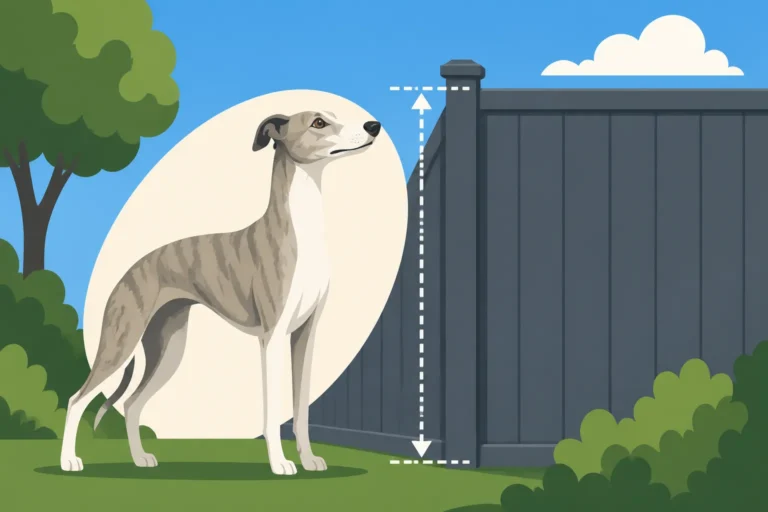
Whippets were bred to run, and they absolutely need opportunities to stretch their legs and hit top speeds. This is where a securely fenced yard or a dedicated, safe off-leash area becomes invaluable. A fence needs to be solid and at least 5-6 feet high, as a determined Whippet can surprise you with their jumping ability. Check for gaps or weak spots, especially along the bottom where they might try to dig out.
Dog parks can be a mixed bag for Whippets. While some enjoy the social interaction, the rough-and-tumble play of larger, heavier breeds can easily injure a delicate Whippet. Their thin skin is prone to tears, and their lean bodies offer little protection against accidental bumps and collisions. If you do visit a dog park, choose off-peak hours when fewer dogs are present, and supervise closely. Prioritize parks with separate areas for small and large dogs.
Consider activities like lure coursing or Fast CAT once your Whippet is old enough and physically mature. These sports allow them to indulge their natural chase instinct in a controlled, safe environment, chasing a mechanical lure rather than live prey. It's a fantastic way to satisfy their need for speed without the risks associated with off-leash running in open, unfenced spaces.
Nutrition and Health: Laying a Strong Foundation
The first year of a Whippet's life is a period of rapid growth and development. Proper nutrition and proactive healthcare are essential to ensure they grow into strong, healthy adults. Whippets have some specific health considerations due to their lean build and sighthound physiology, so being informed is crucial.
Fueling Growth: Puppy Nutrition
Choosing the right food for your Whippet puppy is important. Look for a high-quality puppy food specifically formulated for medium-sized breeds, or even all life stages, that meets the nutritional requirements set by AAFCO. What a Whippet Puppy Eats at Four Months will be a specific amount, and it’s critical to follow the feeding guidelines on your chosen food, adjusting for your puppy’s individual metabolism and activity level. You should be able to feel their ribs easily, but they shouldn't be poking out sharply.
Whippet puppies are generally not prone to being overweight, but monitoring their body condition is essential. You want them lean, not skinny, with a visible tuck-up and palpable ribs. Avoid overfeeding, as excessive weight gain too quickly can put stress on developing joints. The Meal Schedule a Whippet Puppy Needs typically involves 3-4 meals a day initially, gradually reducing to two meals a day as they mature, usually around 6 months or so. Consistent mealtimes also aid in potty training.
Some Whippets can be finicky eaters. If your puppy is turning their nose up at food, try warming it slightly or adding a small amount of low-sodium broth or a vet-approved topper. Always ensure they have access to fresh, clean water. If your puppy consistently refuses to eat or shows signs of digestive upset, consult your vet immediately.
Essential Veterinary Care and Preventative Measures
Your Whippet puppy will need a series of vaccinations during their first year to protect them from common diseases. Your vet will outline a schedule for distemper, parvovirus, adenovirus, rabies, and possibly others depending on your region and your puppy's lifestyle. Regular deworming and flea/tick prevention are also crucial. Discuss with your vet which products are safe and effective for sighthounds, as some can be sensitive to certain medications. Ivermectin Sensitivity in a Whippet is a real concern.
Spaying or neutering is a common decision for puppy owners. Discuss the optimal timing with your vet. For sighthounds, some research suggests waiting until they are more fully mature can be beneficial for joint development, but this must be balanced against the risks of intact dogs, such as unplanned pregnancies or certain cancers. Make an informed decision based on your individual Whippet and your vet's advice.
Whippets, like all sighthounds, have specific anesthetic considerations. Why a Whippet Needs a Sighthound Anesthesia Protocol is critical knowledge for your vet. Their lean body mass and unique metabolism mean they process certain anesthetic drugs differently and can wake up very slowly. Make sure your veterinarian is aware of these sensitivities or seeks advice from a specialist if they are not familiar. This conversation should happen well before any planned surgical procedures.
Developmental Milestones: What to Expect
The first year with a Whippet puppy is a journey of constant change and growth. Understanding the typical developmental stages can help you anticipate their needs and navigate the inevitable quirks and challenges that arise. It's a fascinating process to watch them transform from a tiny, clumsy pup into a graceful, albeit still goofy, young adult.
From Puppyhood to Adolescence
A Whippet puppy grows incredibly quickly in their first few months. They will gain weight and height rapidly, and their coordination will improve by leaps and bounds. Around 4-6 months, they'll enter adolescence, which can feel a lot like living with a canine teenager. This is when they might push boundaries, "forget" previously learned commands, and test your patience. Persistence and consistent training are key during this phase.
The Age a Whippet Finally Matures varies, but most Whippets don't fully mature mentally until around 18 months to 2 years of age. Physically, they may reach their adult height and weight by 10-12 months, but they will continue to fill out and gain muscle mass for another year or so. Patience is a virtue here; they might look like an adult, but their brain is still very much in development.
During adolescence, you might also notice changes in their behavior towards other dogs or strangers. Some may become more confident, while others might become more reserved or selectively social. Continue with positive exposure and training, reinforcing good manners and ensuring they have plenty of positive experiences to help them navigate these changes smoothly.
Key Milestones and Health Checks
The first year is packed with important developmental milestones. From opening their eyes and taking their first wobbly steps, to losing their puppy teeth and gaining their adult ones, each stage brings new joys and responsibilities. Keep an eye on their dental health as their adult teeth come in; Whippets can be prone to dental issues, so good oral hygiene starts young. Whether a Whippet's Narrow Jaw Crowds Its Teeth can be a factor here.
Regular vet check-ups are essential to monitor their growth and catch any potential health issues early. Your vet will track their weight, assess their overall health, and answer any questions you have about their development. This is also a good time to discuss any behavioral concerns, as early intervention can often prevent problems from becoming ingrained habits.
Consider starting a journal or photo album to document their first year. It’s amazing how quickly they grow and change, and having a record of their milestones, funny antics, and training triumphs will be a cherished memory. Plus, it can help you track their progress and identify any patterns in their behavior or health.
Managing Common Puppy Challenges
Even with the best preparation, living with a Whippet puppy will present its share of challenges. From nipping to nocturnal restlessness, these issues can be frustrating, but understanding the root cause and having effective strategies can help you navigate them with grace.
Dealing with Nipping and Chewing
Whippet puppies, like all puppies, explore the world with their mouths. Nipping and mouthing are normal puppy behaviors, but they need to be taught appropriate bite inhibition. Whether a Whippet Puppy Bites Hard can vary, but even soft puppy nips can be startling. When your puppy nips too hard during play, let out a high-pitched yelp, withdraw attention immediately, and briefly disengage. This mimics how littermates teach each other.
Provide plenty of appropriate chew toys to redirect their chewing urges. Rotate toys to keep them interesting. If they start chewing on furniture or other household items, calmly interrupt them, redirect them to a chew toy, and praise them when they chew the toy. Bitter apple spray can also be a deterrent for inappropriate chewing, applied to items they shouldn’t chew.
Adolescence can sometimes bring a resurgence of chewing as they fully transition to adult teeth and perhaps experience some anxiety. Continue to provide appropriate outlets for chewing and ensure they are getting enough mental and physical stimulation. A bored Whippet is often a destructive Whippet.
Separation Anxiety and Crying
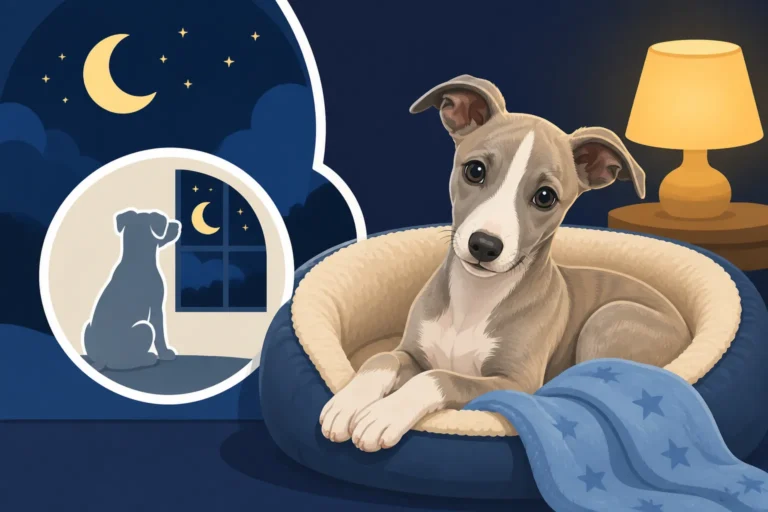
Whippets are incredibly affectionate and bond deeply with their families, which can sometimes lead to separation anxiety. If your puppy cries or whines when left alone, it's heartbreaking, but it's important to address it early. Start by leaving them for very short periods, gradually increasing the duration as they get comfortable. Make departures and arrivals low-key, without a big fuss.
Crate training can be very helpful here, as a den can provide a sense of security. Make sure they have a comfortable bed, a safe chew toy (like a KONG stuffed with frozen peanut butter), and perhaps a radio playing softly to mask outside noises. Never punish them for crying; this only increases their anxiety. The goal is to teach them that being alone is not scary.
If the separation anxiety is severe, or if your puppy is destructive or vocal for extended periods when left alone, seek guidance from a professional dog trainer or a veterinary behaviorist. Early intervention is key to preventing this from becoming a deeply ingrained problem. Understanding How Many Hours a Whippet Can Be Left is important for managing expectations.
The Joy of the First Year: Building Your Bond
Beyond the training and challenges, the first year with a Whippet puppy is ultimately about building an unbreakable bond. It's a time of discovery, laughter, and countless heartwarming moments that will shape your relationship for years to come. Embrace every goofy leap, every deep sigh, and every snuggle.
Creating Lasting Memories
Take the time to simply enjoy your puppy. Engage in gentle play, explore new walking routes together, and allow them to snuggle up beside you on the sofa. Whippets thrive on connection and affection. These quiet moments of companionship are just as important as formal training sessions for building trust and a strong relationship.
Explore different activities together. Whippets can excel at various dog sports beyond racing, such as agility, obedience, or even scent work. Even if you don't compete, taking classes together can be a wonderful way to challenge their minds, burn energy, and strengthen your bond. Whether a Whippet Can Do Agility is often a resounding yes, and they love it!
Remember that this first year is fleeting. Document their growth, their funny habits, and their milestones. Take photos and videos, write down anecdotes. You'll look back on this time with immense fondness, recalling the tiny puppy paws that once pattered through your home and the earnest gaze that first stole your heart.
Reflecting on the Journey
As your Whippet puppy approaches their first birthday, take a moment to reflect on how far you've both come. From those initial uncertain days to the confident, playful companion they've become, it's been a journey of learning, adapting, and growing together. You’ve navigated house training mishaps, celebrated training victories, and probably learned more about Whippets than you ever thought possible.
The foundation you lay in this first year—with consistent training, positive socialization, appropriate exercise, and loving care—will set your Whippet up for a happy, healthy life. They will carry these lessons and experiences with them, shaping the adult dog they become. Celebrate their birthday not just as a milestone, but as a testament to the incredible bond you've forged.
| Age (Approx.) | Key Developmental Milestones | Training/Care Focus | Potential Challenges |
|---|---|---|---|
| 8-12 Weeks | Weaning, exploring, primary socialization window | Potty training, crate training, positive socialization, bite inhibition, short play sessions | Accidents, crying at night, nipping |
| 3-4 Months | Growth spurt, losing puppy teeth, increasing coordination | Basic commands (sit, stay, come), leash manners, continued socialization, chew toy focus | Increased chewing, testing boundaries |
| 5-6 Months | Adolescence begins, sexual maturity (some breeds), adult teeth emerge | Reinforce all training, proofing recall, mental stimulation, increased controlled exercise | Selective hearing, fear periods, stubbornness |
| 7-12 Months | Nearing adult height/weight, full adolescence, growth plates closing | Advanced commands, exploring dog sports, continued socialization, consistent routines | Pushing boundaries, destructive chewing, separation anxiety |
This first year is a gift, a chance to build a relationship that will bring you immense joy and companionship for The Twelve to Fifteen Years a Whippet Lives.
Disclaimer
This article is for general informational purposes only and does not constitute professional advice. Laws, prices and regulations vary by location and change over time. Consult a qualified professional for guidance on your specific situation.