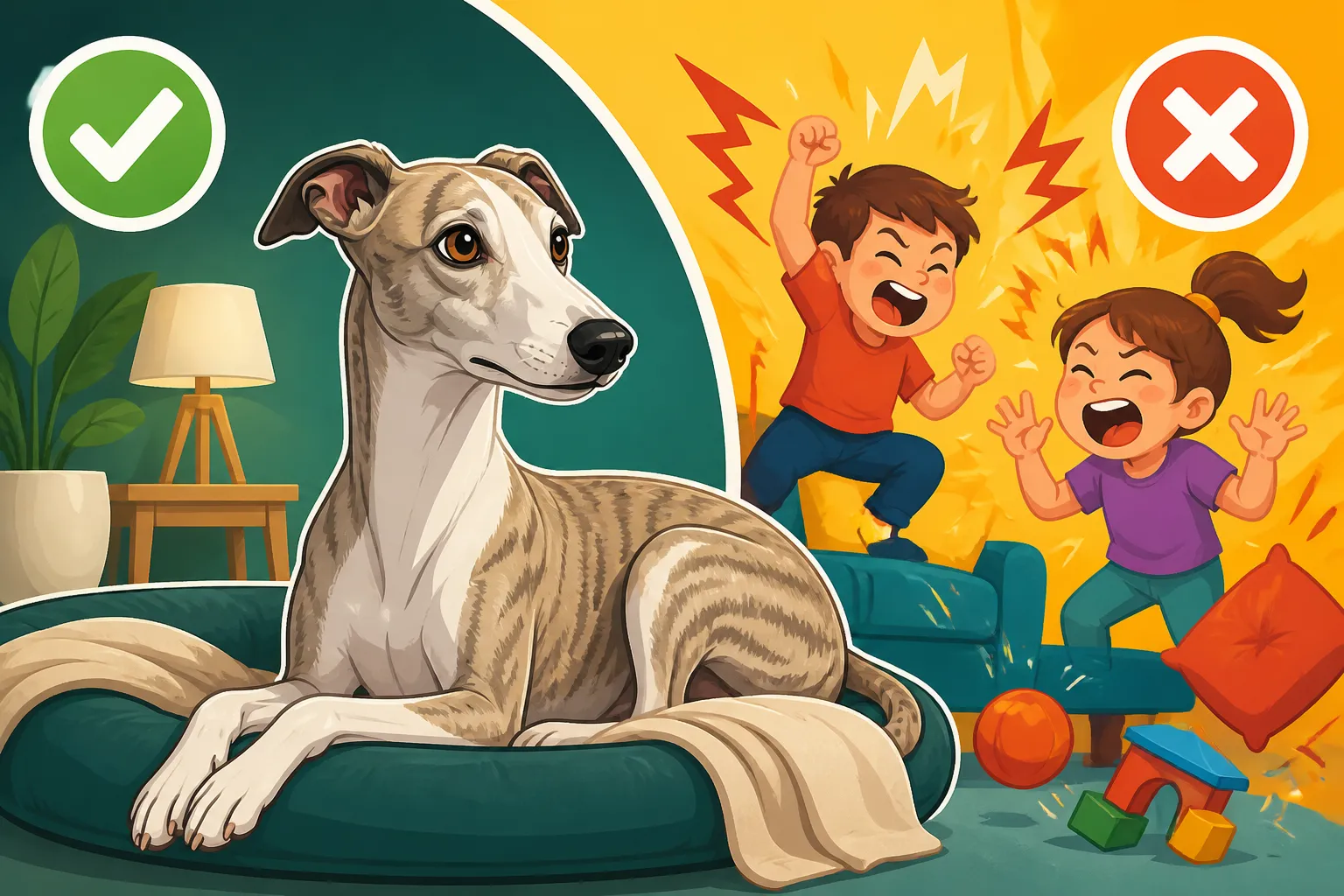
Whether a Whippet Copes With Loud Children
It’s a common and completely valid concern for families contemplating bringing a Whippet into a bustling household, especially one filled with the joyful, yet often chaotic, energy of children. You want to ensure your new companion thrives, and equally important, that your children learn to interact respectfully and safely with a dog. Many people worry that a Whippet's typically gentle, sometimes reserved nature might clash with the unpredictable sounds and movements of kids, but with understanding and proactive management, a harmonious home is absolutely achievable. This guide will walk you through the nuances of a Whippet's temperament, how children's behavior might impact them, and practical strategies to foster a peaceful and happy environment for everyone.
The Delicate Balance: Understanding Your Whippet's Sensitive Nature
Whippets are often described as sensitive souls, and for good reason. They are lean, elegant sighthounds with a deeply ingrained prey drive, yes, but they are also remarkably gentle and often prefer quiet environments. Their physical structure — minimal body fat and thin skin — makes them more susceptible to bumps and scrapes, which can translate into a need for gentle handling. This isn't to say they are fragile or perpetually anxious, but rather that they thrive in an atmosphere of respect and calm.
Why Whippets Are Perceived as Sensitive
Imagine a creature built for explosive speed, yet designed to spend most of its day curled up on a soft surface. Whippets possess a unique combination of athleticism and extreme comfort-seeking. This translates into a dog that can be startled by sudden loud noises or abrupt movements. Their keen senses, honed for spotting and chasing prey, mean they are highly aware of their surroundings. A sudden shriek from a child might register as a high-pitched, alarming sound, not just playful noise. Their delicate bone structure and thin skin also mean they are more prone to injury from rough play or accidental falls, which can understandably make an owner cautious. It's not weakness, but a biological reality that demands thoughtful interaction. How a Whippet Learns When It Bruises From Pressure is a concept that truly highlights their physical vulnerability and how it shapes their learning and interactions.
The Impact of Harshness on a Whippet's Psyche
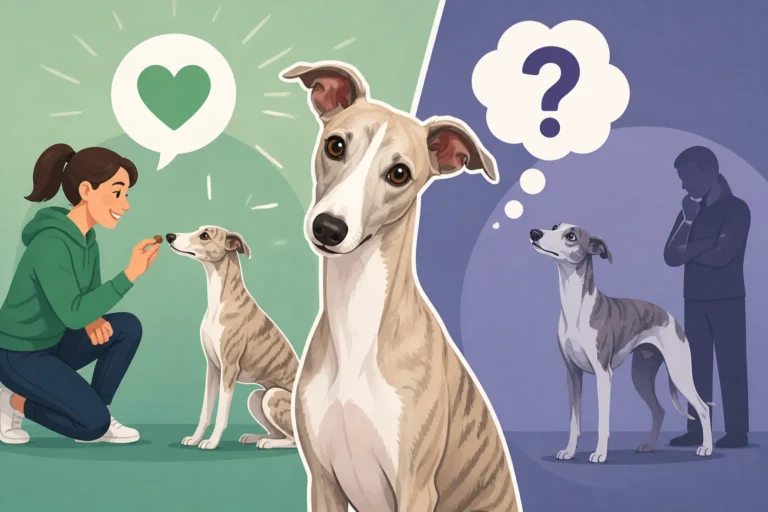
Because of their sensitive nature, Whippets do not respond well to harsh corrections or loud, angry voices. A firm "no" might be understood, but a shouting match can cause them to shut down, retreat, or even become fearful. They are intelligent dogs who learn best through positive reinforcement and consistent, calm guidance. If you've ever had a Whippet give you the "side-eye" and quietly slink away after a sharp word, you know exactly what I mean. They internalize stress quickly, and repeated negative experiences can erode their confidence and trust in their human family members. This is why understanding Why a Whippet Shuts Down When Corrected is so crucial; it’s about building a bond based on mutual respect rather than fear.
Navigating the Rhythms of a Child-Filled Home
Children, particularly young ones, are a whirlwind of unpredictable energy. Their voices can range from soft whispers to piercing screams in an instant. Their movements are often sudden, uncoordinated, and sometimes clumsy. For a sensitive dog, this can be a lot to process, but it doesn't mean it's an impossible situation. It means understanding typical child behavior and proactively managing the environment and interactions.
Understanding the Predictable Unpredictability of Children
Think about a typical afternoon with kids: a sudden burst of laughter followed by a toy crashing, a child running unexpectedly through the living room, or a loud squabble over a game. These are all normal parts of childhood. For us, they're just background noise; for a Whippet, each can be a significant sensory event. Children often lack the impulse control to approach a dog calmly, opting instead for excited rushes or boisterous petting. They might not understand a dog's body language that signals "I need space" or "I'm uncomfortable." It's not malice, it's just being a child. They live in the moment, and their enthusiasm, while endearing, can be overwhelming for a dog unaccustomed to it.
Common Child Behaviors That Can Startle a Whippet
| Child Behavior | Potential Whippet Reaction | Why it Happens |
|---|---|---|
| Sudden loud screams/shouts | Startle, retreat, hide, nervous pacing | High-pitched noises can be alarming, perceived as threats. |
| Running/chasing | May flee, cower, or engage in chase play | Can trigger prey drive, or instill fear if pursued aggressively. |
| Grabbing/pulling fur or tail | Yelp, snap, growl, avoid | Painful, a clear boundary violation. Dog may defend itself. |
| Approaching while dog is sleeping | Startle, jump, growl from surprise | Dogs need undisturbed rest; sudden awakening is jarring. |
| Reaching into food bowl/toy bin | Growl, snap, resource guard | Instinctive protection of valuable items. |
| Direct, intense eye contact | Avert gaze, show stress signals | Can be perceived as a challenge or threat in dog language. |
It's crucial that we, as the adults, act as the intermediaries, teaching both the child and the dog how to interact safely and respectfully. This often involves more management of the child's actions around the dog initially.
Building Bridges: Strategies for a Peaceful Coexistence
The good news is that Whippets are highly adaptable and devoted to their families. With patience, consistent training, and thoughtful management, they can absolutely thrive in a home with children, even loud ones. The key is creating a safe, predictable environment where both the Whippet and the children feel secure. This isn't about changing who your children are, but about teaching them appropriate interactions and giving your Whippet the tools and space to cope.
Creating Safe Spaces and Boundaries
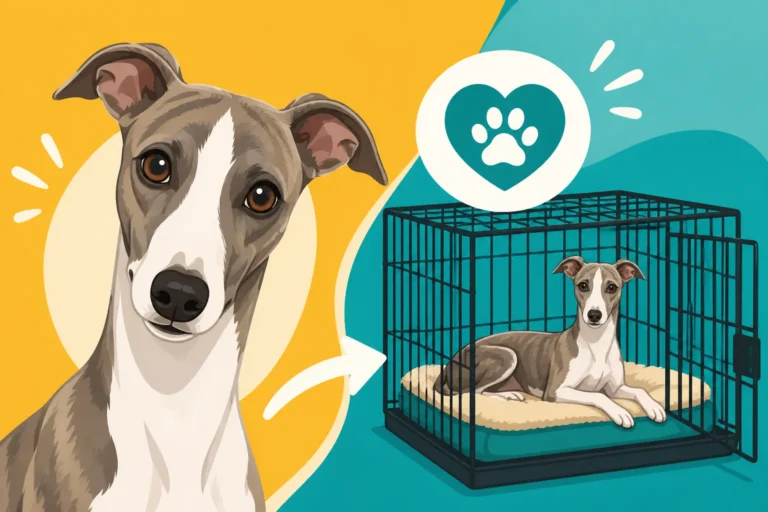
Every Whippet, especially in a busy home, needs a designated "safe space" where they can retreat and be undisturbed. This could be a crate, a soft bed in a quiet room, or even a specific corner of a living area that is off-limits to children unless invited. Teach your children from day one that when the Whippet is in its bed or crate, they are not to bother it. This boundary is non-negotiable and provides your dog with a crucial sense of security. You can find excellent, comfortable crates and beds on Amazon that offer this sanctuary. Investing in a good quality, comfortable dog bed, perhaps a bolstered one, can make this space even more appealing. Whether a Whippet Needs a Padded Crate Mat emphasizes the importance of comfort for these lean dogs.
Another vital tool is the use of baby gates. These aren't just for kids; they are incredibly useful for separating dogs and children when direct supervision isn't possible, or when either party needs a break. Gates allow the Whippet to still be part of the family action without being overwhelmed.
Teaching Children Appropriate Interaction
This is perhaps the most important piece of the puzzle. Children need explicit lessons on how to behave around a dog. This includes:
- Gentle hands: Teaching them to pet softly, not to grab, hit, or pull. "Pet the doggie like this," showing them a soft stroke on the side or chest.
- Calm voices: Explaining that loud noises can scare the dog.
- Respecting space: Emphasizing that the dog's bed is its private area.
- "Ask first": Teaching them to always ask an adult before approaching or petting any dog, including their own.
- "Be a tree": If a dog jumps on them, they should stand still and quiet like a tree, rather than running or screaming, which can excite the dog more.
For older children, involve them in the Whippet's care and training. This builds responsibility and a stronger bond. Whether a Whippet Suits a Family With a Toddler delves deeper into these dynamics, offering more tailored advice for very young children.
Positive Reinforcement and Training for Your Whippet
Training is key to helping your Whippet feel confident and understand expectations. Focus on positive reinforcement methods, rewarding desired behaviors with treats, praise, or gentle petting. If your Whippet stays calm when a child is noisy, quietly reward them. If they retreat to their safe space, let them, and perhaps offer a high-value chew there. Programs like BAXTER & Bella offer fantastic online resources for positive reinforcement training that can be done at home, guiding you through building a well-mannered dog that understands boundaries and feels secure in its environment.
Practice calming exercises, like teaching your Whippet to settle on a mat on command, even amidst some background activity. This gives them a coping mechanism and a job to do. Socializing your Whippet puppy early and positively to a variety of sounds, people, and experiences can also make a huge difference in their resilience. Socializing a Whippet Puppy offers more insights into this crucial early development.
Reading the Signs: When Your Whippet Needs a Break
Even with the best intentions and strategies, there will be times when your Whippet is simply overwhelmed. It’s vital for every family member to learn to recognize the subtle (and sometimes not-so-subtle) signs that your Whippet is stressed or uncomfortable and needs a break. Ignoring these signals can lead to escalation, fear, or even a reactive snap.
Subtle Cues of Discomfort
Whippets, like most dogs, communicate their feelings through body language. Learning to read these signals is essential for a peaceful home. Subtle signs of stress include:
- Lip licking: Not after food, but seemingly out of nowhere.
- Yawning: Also not due to tiredness, but as a calming signal.
- Averting gaze: Looking away from a child or situation.
- Flattened ears: Ears pinned back against the head.
- Lowered head or tail: Body posture appearing smaller or less confident.
- Freezing: Becoming stiff and still.
- Showing the whites of their eyes (whale eye): A clear sign of anxiety.
- Excessive shedding or panting: Even when not hot or exercising.
If you observe these signs, intervene immediately. Separate the child and the dog, or calmly lead your Whippet to its safe space.
More Obvious Indicators and What to Do
More overt signs that your Whippet is struggling include:
- Growling or snapping: These are serious warnings that must be respected. Never punish a growl, as it's the dog's way of saying "I'm uncomfortable, please stop." Instead, remove the stressor immediately.
- Hiding or prolonged retreat: If your Whippet consistently seeks refuge under furniture or in another room for extended periods, it indicates ongoing stress.
- Changes in appetite or bathroom habits: Stress can manifest physically.
- Excessive whining or barking: Unusual vocalizations can be a cry for help.
If you notice persistent signs of stress, it's time to reassess your management strategies. This might involve increasing the physical barriers between kids and the dog, ensuring more supervised interactions, or consulting with a professional positive reinforcement dog trainer. They can help you further refine your approach and ensure your Whippet feels secure in its home. A well-adjusted Whippet will form a deep bond with its family, becoming a beloved and cherished member of the household. It’s also worth considering How a Whippet Bonds to One Person which can sometimes lead to a dog seeking comfort primarily from one individual, but with careful integration, they can bond with the entire family.
Ultimately, a Whippet can absolutely cope with loud children, but it requires a commitment from the adults in the home to advocate for their dog, educate their children, and create an environment of understanding and respect. It's about proactive management, consistent positive reinforcement, and a deep understanding of your Whippet’s unique needs.
Disclaimer
This article is for general informational purposes only and does not constitute professional advice. Laws, prices and regulations vary by location and change over time. Consult a qualified professional for guidance on your specific situation.