How Hard a Whippet Is to House Train
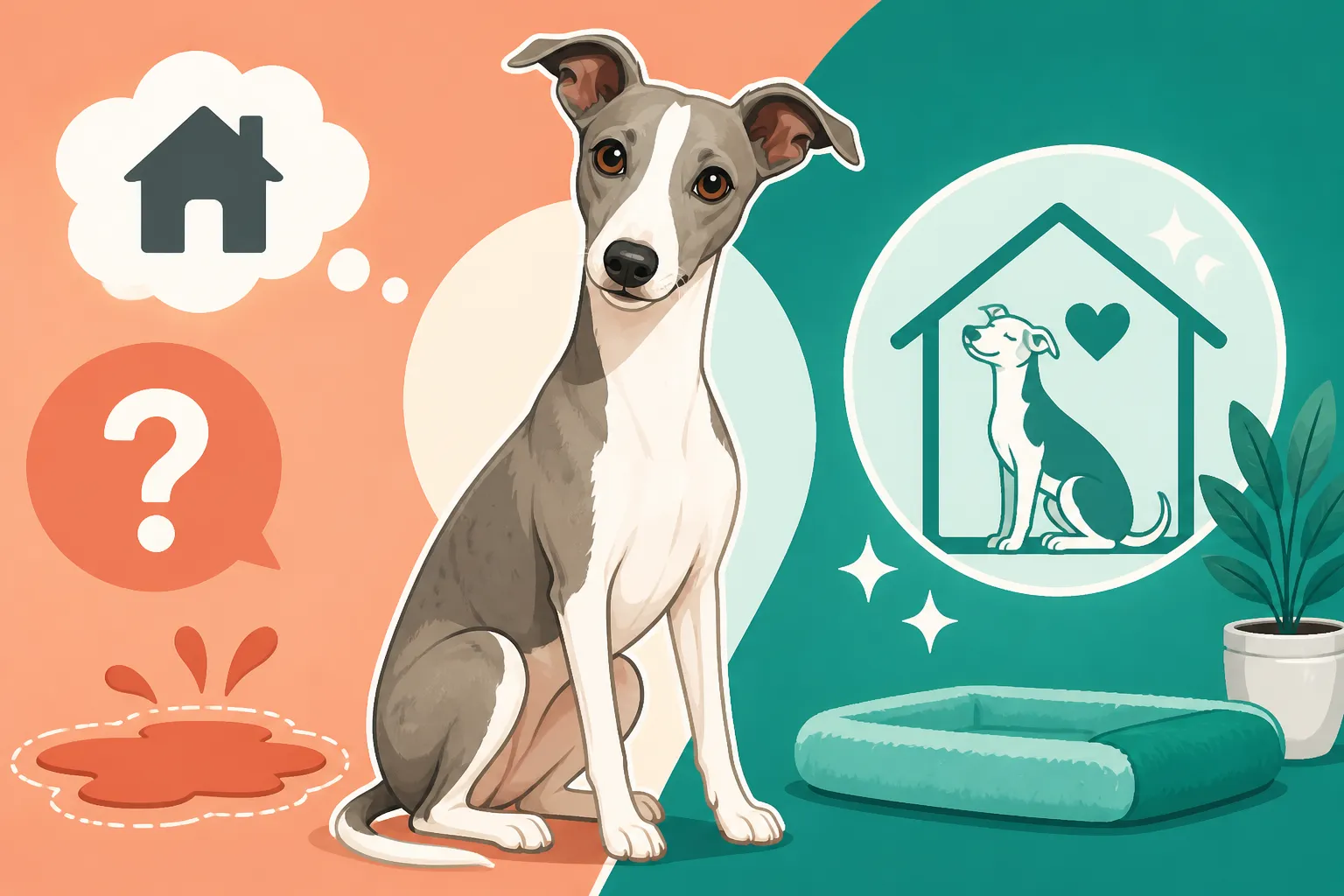
The journey of house training a Whippet can often feel like navigating a minefield, especially when you’re dealing with a breed renowned for both their intelligence and their unique sensibilities. Many new Whippet owners quickly discover that what worked for previous dogs might not quite click with their delicate, often weather-averse sighthound. This guide is here to walk you through the nuances of house training your Whippet, addressing common frustrations and offering realistic, empathetic solutions to help you and your furry friend achieve potty-training success.
Understanding the Whippet's Unique House Training Landscape
Before diving into specific techniques, it's crucial to understand why house training a Whippet might present different challenges than with other breeds. Their physical and temperamental traits play a huge role in how they perceive and react to going potty outside, especially in less-than-ideal conditions.
The Whippet's Sensitive Nature
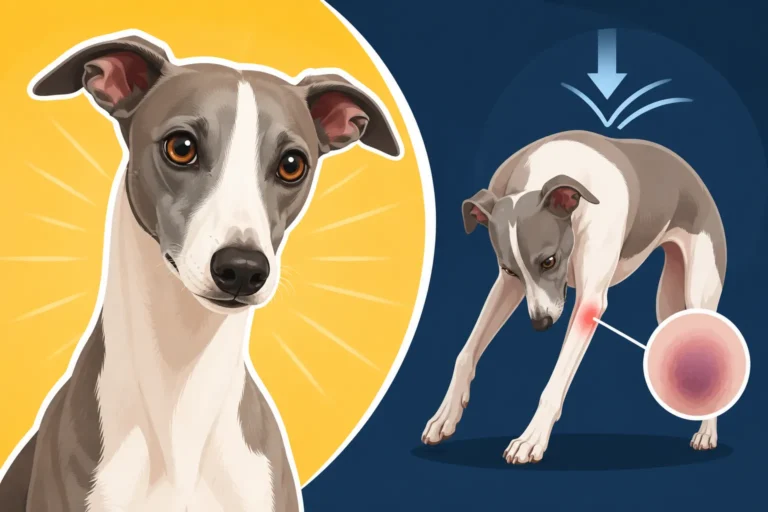
Whippets are incredibly sensitive dogs, both physically and emotionally. They have very thin skin, not a lot of body fat, and a fine coat, which makes them highly susceptible to cold and wet weather. Imagine being asked to go perform a necessary bodily function outside when every step sends a chill through your bones or a cold rain is pelting down on your exposed skin – it's not a pleasant thought, is it? For a Whippet, this discomfort isn't just a minor annoyance; it can be genuinely unpleasant, leading to a strong reluctance to venture out. This isn't stubbornness; it's a genuine physiological response to their environment.
This sensitivity extends to their emotional state as well. Harsh corrections or loud voices can easily shut down a Whippet, making them fearful and less likely to learn. They thrive on positive reinforcement and gentle guidance. If they associate going outside with a negative experience (like being dragged out in the rain or scolded for an accident), they might even develop an aversion to outdoor potty breaks, which only compounds the problem. We want to build confidence and positive associations, not create anxiety.
Weather Woes and the Whippet's Aversion to Cold and Wet
It's almost a running joke among Whippet owners, but it's rooted in truth: many Whippets absolutely despise going out in the rain or cold. Their sleek, uninsulated bodies are not built for harsh weather, a stark contrast to many other dog breeds. You'll often hear stories, or experience it firsthand, of a Whippet doing a lightning-fast dash outside, relieving themselves in record time, and then immediately making a beeline back for the warmth and comfort of indoors. Some will even hold it for an impressive, and sometimes frustrating, amount of time rather than face the elements.
This weather aversion is a significant hurdle in house training, especially if you live in a climate with frequent cold spells or rain. You might find your otherwise well-trained Whippet having "accidents" indoors, not because they don't know better, but because the alternative is simply too uncomfortable. It's a common frustration, and one that often leads owners to wonder Why a Whippet Refuses to Go Out in the Rain. Understanding this isn't an excuse for poor training, but rather a crucial insight into tailoring your approach.
Laying the Foundation: Puppy Potty Training with a Whippet
Starting strong with your Whippet puppy is key. Their early experiences will shape their habits, and a consistent, patient approach from day one will save you a lot of headaches down the line. Remember, every success is a step in the right direction!
Establishing a Predictable Schedule
Puppies thrive on routine, and Whippet puppies are no exception. The more predictable you make their day, the faster they'll learn when and where to do their business. This means scheduled potty breaks first thing in the morning, after every meal, after waking from naps, before bedtime, and after any exciting play sessions. Think of it as creating a mental roadmap for them: "When this happens, we go outside." This is especially vital in the early weeks when their bladder and bowel control are still developing.
Beyond potty breaks, aim for consistent feeding times. This helps regulate their digestive system, making their poops more predictable. Keep water available throughout the day but consider removing it an hour or two before bedtime to minimize overnight accidents. A structured routine reduces confusion and anxiety, allowing your Whippet to focus on the task at hand. Consistency isn't just about repetition; it's about building trust and clarity in their world.
Positive Reinforcement and Rewards
Given a Whippet's sensitive nature, positive reinforcement is not just the best method; it's often the only effective method. Every time your Whippet eliminates in the correct spot outside, it should be a party! Offer high-value treats (tiny pieces of cooked chicken or cheese work wonders), lavish praise, and perhaps a quick game of fetch if they're up for it. The goal is to make going potty outside the most rewarding activity they can possibly engage in. This strong positive association helps them understand that great things happen when they go in the right place.
Conversely, avoid any punishment for accidents indoors. If you find a mess, clean it up without scolding or showing anger. Your Whippet won't connect your anger to a past accident; they'll only learn to fear you or to hide their elimination. Instead, if you catch them in the act, calmly interrupt them (a quick clap, a gentle "ah-ah"), pick them up, and immediately take them outside to their designated potty spot. Reward profusely if they finish outside. This helps redirect their behavior without instilling fear. For more on their learning style, you might find How a Whippet Learns When It Bruises From Pressure insightful.
Crate Training as a House Training Aid
Many Whippet owners find crate training to be an invaluable tool for house training. Dogs naturally prefer not to soil their sleeping areas, and a properly sized crate leverages this instinct. It should be just large enough for your Whippet to stand up, turn around, and lie down comfortably, but not so large that they can designate a sleeping area and a separate potty area. This encourages them to "hold it" until they can be let out.
Introduce the crate gradually and make it a positive, comfortable space. Never use the crate for punishment. Feed meals in it, toss treats inside, and provide cozy bedding. You can find excellent quality memory foam beds on Amazon that provide much-needed padding for their bony bodies. As your Whippet gets comfortable, gradually increase the time they spend in the crate. This teaches them bladder control and gives you peace of mind when you can't actively supervise them. For a deeper dive, consider reading Whether a Whippet Puppy Should Be Crated.
Common House Training Challenges and How to Overcome Them
Even with the best intentions and a solid plan, house training can have its bumps. It's easy to get frustrated, but understanding these common hurdles specific to Whippets can help you navigate them with greater success and empathy.
The "I Hate the Rain" Standoff
Ah, the classic Whippet rain refusal. You open the door, your Whippet takes one look at the drizzle (or downpour!), shivers dramatically, and backs away as if you've suggested they swim in an ice bath. This isn't an act; their lack of insulating fat and thin skin genuinely make cold and wet weather uncomfortable. This often leads to The Whippet That Will Not Toilet in the Rain.
The solution often involves making the outdoor experience as tolerable as possible. Invest in a good quality, waterproof coat that covers their back and belly. Many brands offer sighthound-specific designs that fit their unique physique better. Some Whippet owners even create a sheltered potty area in their yard with a tarp or an umbrella. The moment they go, celebrate like they've won the lottery, offering high-value treats and immediate retreat indoors to warmth. Consistency, even in bad weather, is crucial. If you give in once and let them potty inside, you’ve reinforced the wrong behavior.
Submissive or Excitement Urination
Some Whippets, particularly puppies or those with a more timid disposition, may exhibit submissive or excitement urination. This typically happens when they're overwhelmed, startled, or overly excited – for example, when you come home, or a new person greets them. It’s not an intentional act of defiance, but an involuntary response that can be incredibly messy and frustrating for owners.
To manage this, try to keep greetings low-key. Avoid making a big fuss when you arrive home; ignore your Whippet for a few minutes until they calm down, then offer a calm, quiet greeting. For visitors, ask them to do the same. Take your Whippet outside for a potty break before any potentially exciting interactions. If it's a submissive response, avoid looming over them or using loud voices. Get down to their level, speak softly, and build their confidence through positive experiences. This issue often resolves as they mature and gain confidence, especially with consistent positive interactions.
Regression in Older Puppies or Adolescent Whippets
Just when you think you’ve cracked the code, your Whippet, now older and seemingly well-trained, starts having accidents again. This regression is incredibly common in adolescent dogs, often between 6 months and 1.5 years of age. It can feel like they've forgotten everything you taught them, which is incredibly frustrating. This period is often marked by a surge of independence and testing boundaries, coupled with a slight decline in attention span as they become more interested in the world around them.
Don't despair! This isn't a sign of failure. Treat regression as if you're house training a brand-new puppy again. Re-establish strict schedules, increase supervision, go back to using the crate, and ramp up your positive reinforcement for outdoor successes. It's a temporary phase that requires a patient return to basics. Ensure there isn't an underlying medical cause by checking with your vet, but more often than not, it's a behavioral blip that resolves with renewed consistency. Remembering that The Age a Whippet Finally Matures can help you set realistic expectations for their learning journey.
Advanced Strategies and Troubleshooting
Sometimes, the basic methods just aren't enough, or you're dealing with a particularly tricky situation. These advanced strategies can provide extra layers of support and problem-solving.
Managing Accidents and Odor Control
Accidents are going to happen, especially with a puppy or a dog prone to weather aversion. The crucial step after an accident is proper cleanup. Dogs are drawn back to areas where they've previously eliminated by the scent. If you don't thoroughly remove the odor, your Whippet might continue to see that spot as an acceptable potty area. Standard household cleaners often aren't enough because they don't break down the enzymes in dog urine, leaving a lingering scent detectable to your dog, even if you can't smell it.
Invest in a high-quality enzymatic cleaner, readily available on Amazon. These cleaners break down the urine at a molecular level, eliminating the scent completely. Blot up as much urine as possible with paper towels first, then liberally apply the enzymatic cleaner, letting it soak according to the product's instructions. You might even consider using a black light to find hidden urine spots, especially on carpets, as urine glows under UV light. Thorough cleanup is a non-negotiable step in breaking the cycle of indoor accidents.
Using Potty Bells or Communication Cues
Many dogs can learn to communicate their need to go outside, and Whippets, with their intelligence, are often quick to pick up on these cues. Potty bells are a popular tool: you hang a set of bells by the door, and every time you take your Whippet out, you gently tap their paw against the bells or encourage them to nose the bells before opening the door. When they go potty outside, reward them enthusiastically. Soon, they'll associate ringing the bells with getting outside to relieve themselves.
This empowers your Whippet to tell you when they need to go, reducing accidents caused by you not noticing their subtle signals. Be consistent, and make sure everyone in the household uses the bells. It's a fantastic way to give your Whippet a "voice" in their house training journey.
Harnessing Professional Guidance and Online Resources
If you're feeling truly stuck, don't hesitate to seek professional help. A certified professional dog trainer or a veterinary behaviorist can offer tailored advice and help identify any underlying issues. Sometimes, a fresh pair of eyes can spot something you've missed. They can also rule out medical problems that might be contributing to accidents.
Online resources can also be a goldmine. Programs like BAXTER & Bella's online puppy training course can provide structured lessons, video tutorials, and support that covers everything from house training to basic obedience. These comprehensive programs can be a fantastic supplement to your efforts, especially if you're a first-time dog owner or need a refresher on modern, positive reinforcement techniques. The First Year With a Whippet Puppy can be a challenging one, and having resources like these can make a huge difference.
The Importance of Consistency and Patience
Ultimately, successful house training boils down to two key ingredients: unwavering consistency and boundless patience. It's a journey, not a sprint, and every dog learns at their own pace.
Setting Realistic Expectations
It’s easy to look at other dogs or hear stories and think your Whippet should be house trained in a week. The reality is often much different. While some Whippets pick it up quickly, others might take months, especially if dealing with weather sensitivity or an anxious temperament. Expect setbacks, especially during growth spurts or adolescent phases. A puppy simply doesn't have the bladder control of an adult dog.
Remember that How Long a Whippet Puppy Takes to House Train can vary widely. Set yourself up for success by assuming it will take longer than you hope, and celebrate every small victory. The goal is a reliably house-trained adult dog, and that might mean navigating a few puddles and piles along the way. Your patience and understanding will build a stronger bond with your Whippet, far more than frustration ever could.
Consistency Across the Household
For house training to be truly effective, every member of your household needs to be on the same page. This means everyone uses the same cues, follows the same schedule, and reacts to accidents (or successes) in the same positive, calm manner. Inconsistency sends mixed signals to your Whippet, making the learning process longer and more confusing for them.
Hold a family meeting to discuss the house training plan, designate who is responsible for specific potty breaks, and review the rules for handling accidents. If children are involved, ensure they understand how to interact appropriately with the Whippet during this sensitive learning period. A united front will accelerate your Whippet's understanding and mastery of house training.
When to Seek Veterinary Advice
While most house training challenges are behavioral, sometimes frequent accidents or a sudden change in potty habits can signal an underlying health issue. Urinary tract infections (UTIs) are a common culprit, as are certain metabolic diseases or even just simple incontinence in older dogs. If your Whippet, especially an adult one who was previously reliably house trained, suddenly starts having frequent accidents, it's always best to consult your veterinarian.
They can perform a physical exam and run diagnostic tests (like a urinalysis) to rule out any medical causes. Addressing these issues promptly is not only crucial for your Whippet's health but also for resolving the house training problem. Never assume it's "just behavioral" without first consulting a vet, especially if the change is abrupt or accompanied by other symptoms like increased thirst, straining, or lethargy.
Here's a quick overview of common house training strategies and their effectiveness for Whippets:
| Strategy | Description | Whippet Suitability & Notes |
|---|---|---|
| Strict Schedule | Regular, timed trips outdoors (morning, after meals, after naps). | Excellent: Whippets thrive on routine. Helps build predictability and bladder control. |
| Positive Reinforcement | Lavish praise, high-value treats for outdoor success. | Essential: Whippets are highly sensitive; harsh methods are counterproductive. Builds strong positive associations. |
| Crate Training | Using a properly sized crate to leverage natural den instincts. | Very Good: Prevents accidents, aids bladder control. Ensure crate is comfortable and not used for punishment. |
| Potty Bells/Cues | Teaching the dog to signal when they need to go out. | Good: Empowers Whippets to communicate. Especially helpful for silent signalers. Requires consistent teaching. |
| Enzymatic Cleaners | Special cleaners that neutralize urine odors. | Crucial: Prevents relapse by eliminating residual scents that attract dogs to old accident spots. Available on Amazon. |
| Weather Gear | Coats, sheltered potty areas for cold/rainy weather. | Highly Recommended: Directly addresses a major Whippet challenge (aversion to cold/wet). Increases willingness to go outside. |
| Professional Guidance | Consulting trainers or behaviorists for specific issues. | Recommended for Stubborn Cases: Can provide tailored strategies and identify underlying issues. (e.g., BAXTER & Bella courses) |
| Punishment | Scolding, rubbing nose in accidents, physical corrections. | Avoid Completely: Detrimental to sensitive Whippets. Causes fear, anxiety, and hiding behaviors, hindering training. |
House training a Whippet can certainly test your patience, but with a deep understanding of their unique traits, a consistent positive approach, and a few tailored strategies, you absolutely can achieve a reliably house-trained companion. Remember to celebrate every success, no matter how small, and approach setbacks with renewed determination rather than frustration. Your Whippet will thank you for your patience and understanding with years of loving companionship.
Disclaimer
This article is for general informational purposes only and does not constitute professional advice. Laws, prices and regulations vary by location and change over time. Consult a qualified professional for guidance on your specific situation.