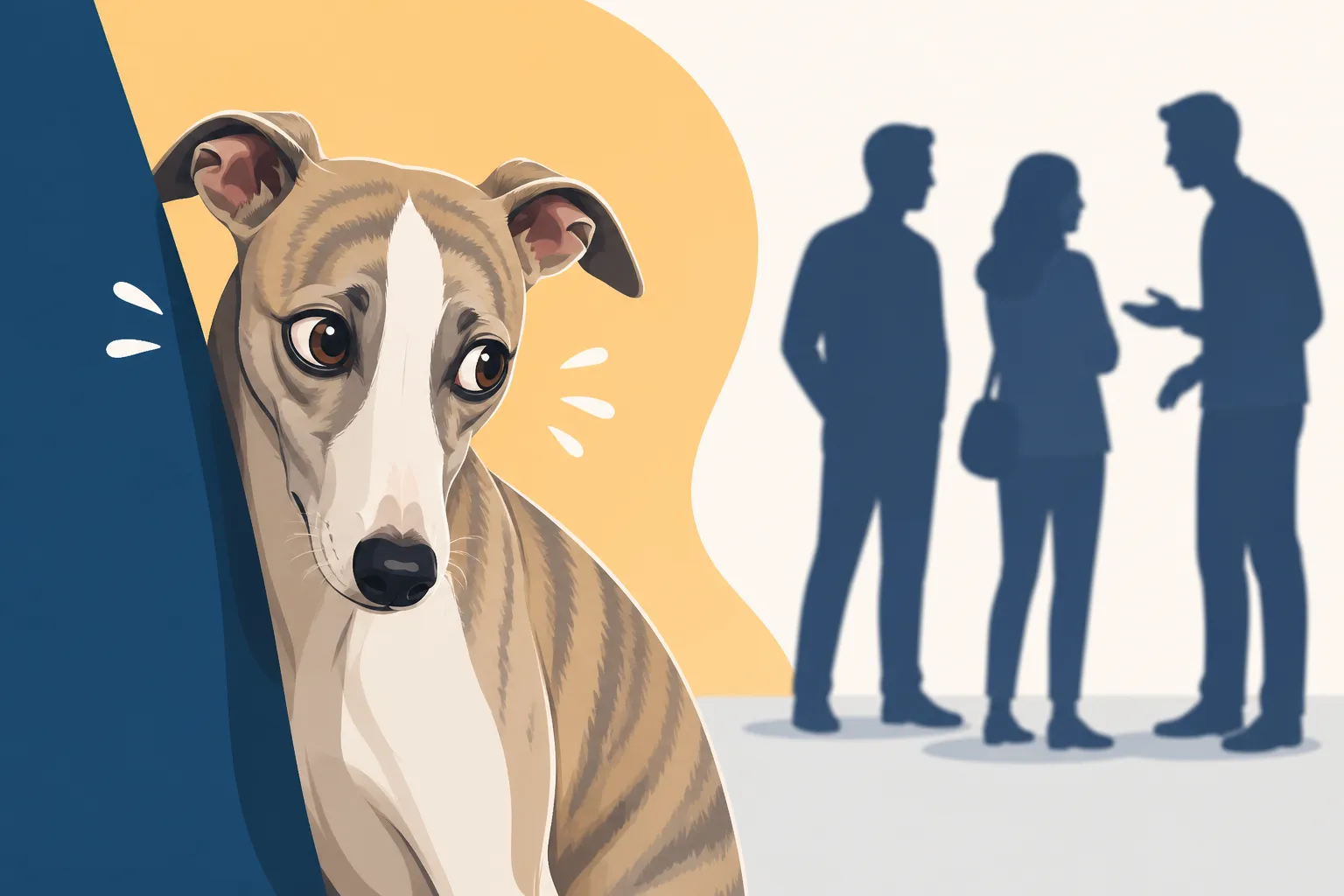
Why a Whippet Is Shy With Strangers
It can be truly puzzling and sometimes a little heartbreaking when your elegant, seemingly confident Whippet retreats or acts wary around new people. You might have envisioned a friendly, outgoing companion, but instead, you find yourself explaining to well-meaning friends and family that, no, Fido isn't being rude, he's just shy. This guide is here to unravel the layers behind why many Whippets exhibit shyness with strangers and offer practical, empathetic strategies to help your sensitive sighthound navigate a world that doesn't always understand their delicate nature.
Understanding the Whippet's Sensitive Nature
Whippets, despite their athletic prowess and sleek appearance, are often incredibly sensitive souls. They aren't generally built with the robust, gregarious personality of a Labrador or the bold, in-your-face confidence of many terriers. Their history and inherent traits contribute significantly to their often reserved demeanor, especially around those they don't know. It’s not a flaw; it’s just part of being a Whippet.
Sighthound Sensitivities
One of the most defining characteristics of sighthounds, and Whippets in particular, is their acute sensitivity to their environment. They perceive the world through heightened senses, relying heavily on sight, but also picking up on subtle changes in sound and energy. A sudden movement, a loud voice, or even an unfamiliar scent can be much more impactful for a Whippet than for a less sensitive breed. This hyper-awareness often translates into a cautious approach to novelty, including new people. They process stimuli intensely, and what might seem like a minor occurrence to us can be a significant event for them, triggering their innate caution.
Think about how a wild deer might react to a human entering its space – a Whippet, in many ways, carries some of that primal awareness. They are quick to observe, quick to assess, and quick to decide if a situation or individual warrants a polite retreat. Their long lines and elegant gait allow for swift evasion, which, in a domestic setting, manifests as sidestepping, ducking away, or finding a safe corner. This isn't rudeness; it's a deeply ingrained protective mechanism at play.
The Prey Drive Versus Social Drive
While Whippets certainly love their human families and often form incredibly strong bonds, their primary instinctual drives are rooted in their heritage as hunters. Their incredible speed and keen eyesight were honed for spotting and chasing small game. This intense prey drive often takes precedence over a strong social drive when it comes to meeting unfamiliar individuals or dogs outside their trusted circle. Their world revolves around movement and visual cues, which can make the unpredictable nature of new human interactions a source of anxiety.
When a stranger approaches, especially one making direct eye contact or moving quickly, a Whippet's instinct might not be to greet them with wagging tail and licks. Instead, they might perceive the approach as potentially threatening or, at the very least, an unknown variable that needs careful management. This isn't to say they don't have a social drive; they absolutely do, but it's often reserved for their inner circle. The social energy they expend is usually directed towards those they feel completely safe and comfortable with, making them seem aloof or shy to outsiders. Whether a Whippet Is Nervous of Strangers delves deeper into these specific behaviors.
Genetic Predisposition to Caution
Just like physical traits, temperament traits can be inherited. While responsible breeding aims for stable, confident dogs, a natural inclination towards caution can still be present in a breed like the Whippet. This isn't necessarily a fault, but rather a characteristic that needs to be understood and managed. Some lines might be more reserved than others, and even within the same litter, you can see varying degrees of shyness. It's not something you can train out entirely, but rather something you learn to work with.
If a Whippet's ancestors were primarily working dogs who needed to be alert and wary of strangers to protect themselves or their quarry, some of that genetic blueprint might still be present. It's a subtle influence, but it contributes to the overall personality profile of the breed. This genetic predisposition doesn't doom a Whippet to a life of fear, but it does mean that a proactive and thoughtful approach to socialization and confidence-building is paramount from a young age.
The Impact of Early Socialization
Early life experiences play a monumental role in shaping a Whippet's temperament and how they view the world, especially when it comes to meeting new people. A robust and positive socialization period can lay a foundation for confidence, while a lacking one can exacerbate any natural tendencies towards shyness.
Critical Socialization Window
The period between approximately 3 and 16 weeks of age is often referred to as the "critical socialization window" for puppies. During this time, a puppy's brain is like a sponge, rapidly absorbing information about what is normal and safe in their world. Positive exposure to a wide variety of sights, sounds, smells, people, and other friendly, vaccinated dogs is crucial. For a Whippet, who might already lean towards caution, this window is especially vital. Every positive interaction with a gentle stranger, every new sound they hear without fear, helps build a mental library of "safe" experiences.
If a Whippet puppy misses out on these experiences, or if their experiences during this time are negative or overwhelming, it can be incredibly difficult to make up for later. They might develop a lasting impression that new things, and new people, are to be feared rather than explored. It’s not about forcing interactions but about creating controlled, positive associations that build resilience and confidence. This is where a good breeder starts, by ensuring their puppies have positive, gentle exposures before they even leave for their new homes.
Consequences of Poor Socialization
When a Whippet hasn't had adequate positive socialization during their formative weeks, the consequences can range from mild shyness to extreme fear or even fear-aggression. A poorly socialized Whippet might:
- Hide from guests: Retreating to another room or burrowing under blankets at the first sign of visitors.
- Shake or cower: Showing overt signs of fear when approached by strangers.
- Bark or lunge defensively: While not typical for Whippets, extreme fear can lead to defensive reactions if they feel cornered or threatened.
- Avoid eye contact: Looking away, turning their head, or trying to move away when a stranger attempts to interact.
- Refuse treats: Even high-value treats might be ignored if the Whippet is too stressed by the presence of an unfamiliar person.
These behaviors aren't choices; they are stress responses. A Whippet displaying these signs is not being "stubborn" or "difficult"; they are genuinely overwhelmed and trying to cope with an uncomfortable situation. Understanding these signals is the first step in helping them. Whether an Undersocialized Whippet Recovers discusses the long-term impacts and recovery process.
The Role of the Breeder
A responsible Whippet breeder plays a significant, foundational role in a puppy's early socialization. They should not only focus on health and conformation but also on temperament. Puppies raised in a stimulating, yet safe, home environment, exposed to household noises, various surfaces, and gentle human handling from different individuals (not just the breeder) will have a head start. A good breeder will typically start exposing puppies to different people, sounds, and textures even before they go to their forever homes.
When choosing a Whippet puppy, inquire about the breeder's socialization practices. Do they have visitors? Are the puppies handled regularly by different people of various ages and genders? Are they accustomed to everyday household sounds? A breeder who prioritizes early, positive exposure can make an enormous difference in how well your Whippet adjusts to life and strangers. They lay the groundwork; you continue the building.
Reading Your Whippet's Body Language
Whippets communicate their discomfort and shyness through a nuanced language of body signals. Because they are often quiet and don't typically resort to overt aggression, their signals can be subtle and easily missed if you don't know what to look for. Learning to read your Whippet's cues is crucial for advocating for them and preventing situations from escalating.
Subtle Cues of Discomfort
Before a Whippet resorts to full-blown hiding or panicking, they'll often give a series of subtle "calming signals" or signs of stress. These might include:
- Lip licking: A quick flick of the tongue over the lips, especially when no food is present.
- Yawning: Not from tiredness, but a sign of stress or discomfort.
- Turning head or body away: Avoiding direct eye contact or presenting their side rather than facing a person head-on.
- Tight mouth or tense facial muscles: The relaxed, soft expression disappears, replaced by a more rigid look.
- Whale eye: Showing the whites of their eyes when looking at something.
- Ears flattened or tucked back: Indicates apprehension or fear.
- Tail low or tucked: A classic sign of fear or submission.
- Moving slowly or freezing: Hesitating to move forward or becoming stiff.
- Shaking off: A full-body shake, similar to what they do when wet, but used to relieve tension.
Recognizing these early signs means you can intervene before your Whippet becomes truly overwhelmed. It's an invitation for you to create distance or change the situation.
Escalation of Stress Signals
If the subtle cues are missed, or if the perceived threat doesn't go away, a Whippet's stress signals will escalate. While Whippets are generally not prone to aggression, any dog can snap if pushed too far. For a shy Whippet, this escalation is usually about trying to make the "scary thing" go away.
Escalated signals might include:
- Intense panting (when not hot or exercising): A physiological response to stress.
- Excessive drooling: Another stress response.
- Trying to hide: Actively seeking cover behind you, furniture, or in another room.
- Cowering or becoming very small: Trying to make themselves less noticeable.
- Low growl or soft bark (rare): A last-ditch effort to create distance if they feel trapped.
- Trembling or shaking: Overt signs of fear.
At this point, your Whippet is in distress. It’s imperative to remove them from the situation calmly and without punishment. Never scold a Whippet for showing fear; this only teaches them to hide their signals, making future interactions even more unpredictable. How a Whippet Reacts to a Raised Voice highlights why a gentle approach is always best with this sensitive breed.
Misinterpreting Shyness as Aloofness
Because Whippets are often quiet and reserved, their shyness can easily be mistaken for aloofness or indifference by strangers. People might assume the dog just isn't interested in them, or worse, that they are "snobby." This misunderstanding can lead to people pushing for interaction, which only heightens the Whippet's anxiety.
It’s important for Whippet owners to understand this distinction and be ready to advocate for their dogs. Explaining calmly that your Whippet is "a little shy" or "needs time to warm up" can often prevent well-meaning but misguided attempts at petting. An aloof dog might simply ignore you, but a shy dog is actively uncomfortable and trying to communicate that. Learning Telling a Stubborn Whippet From a Sensitive One can help you differentiate between these behaviors in your own dog.
Strategies for Managing Shyness
Managing a Whippet's shyness with strangers is less about "fixing" them and more about teaching them coping mechanisms and building their confidence in a world that can feel overwhelming. It requires patience, consistency, and a commitment to positive reinforcement.
Controlled Introductions
The key to helping a shy Whippet is to manage their interactions so they are positive and never overwhelming. Think quality over quantity.
- Start from a distance: When new people are present, allow your Whippet to observe from a safe distance where they feel comfortable. This might be across the room, or even in a different room with the door slightly ajar. Reward them for calm behavior.
- No direct eye contact initially: Ask strangers to avoid staring directly at your Whippet, as this can be perceived as threatening. They should also avoid bending over the dog or reaching out quickly.
- Offer a treat lure: Have visitors toss high-value treats away from the Whippet, not directly to them. This allows the Whippet to approach the treat on their own terms, without feeling pressured by the person. Think small, soft, incredibly delicious treats. If your Whippet is too shy to take treats, the person is too close.
- Let the Whippet initiate: Allow your Whippet to approach the stranger at their own pace. Encourage visitors to ignore the dog initially, letting the Whippet choose when and if to make contact. A slight crouch (not directly facing the dog) can make a person seem less intimidating.
- Keep it short and sweet: Brief, positive interactions are far more effective than long, stressful ones. End the interaction on a high note before your Whippet shows signs of discomfort.
Consistency in these controlled introductions will gradually build positive associations.
Positive Reinforcement Techniques
Positive reinforcement is the cornerstone of training a sensitive Whippet. It’s about rewarding desired behaviors and creating positive emotional responses, rather than punishing unwanted ones. For a shy Whippet, every positive interaction with a stranger, however small, should be followed by something wonderful.
- Treats, treats, treats: Use very high-value treats when strangers are around. Every time your Whippet glances at a stranger calmly, or takes a step closer, or even just doesn't react negatively, reward them. The stranger can also be the source of these treats, gently tossed.
- Verbal praise and gentle petting (if desired): For some Whippets, a soft "good dog" or a gentle scratch on their chest (if they offer it) can be a reward. Just be mindful not to overdo it or touch areas they don't like.
- Engage in play: If your Whippet loves a particular toy, a stranger might gently toss it or hold it out, allowing the Whippet to retrieve it. This associates strangers with fun activities.
- Training classes: Enrolling in a positive reinforcement-based obedience or confidence-building class can be incredibly helpful. Companies like BAXTER & Bella offer online puppy and dog training programs that emphasize positive methods, which can be invaluable for shy dogs, as they allow you to work at your Whippet's pace from the comfort of home, then slowly introduce new elements. This approach helps your Whippet learn that new situations and people can be rewarding.
Remember, the goal isn't to force your Whippet to love everyone, but to teach them that strangers are not a threat and can sometimes even be a source of good things. Whether Positive Training Alone Works on a Whippet explores the efficacy of this method. You can find a wide range of training treats and engagement toys on platforms like Amazon to aid in these positive reinforcement efforts.
Building Confidence Gradually
Building confidence is an ongoing process. It's about gradually expanding your Whippet's comfort zone, one tiny step at a time, ensuring each step is positive.
- "Look at that" game: This involves clicking and treating every time your Whippet looks at a trigger (like a stranger) without reacting fearfully. This changes their emotional response from "stranger = scary" to "stranger = treat!"
- Exposure to novelty from a distance: Take your Whippet to quiet parks or public spaces where they can observe people and activity from a distance where they feel safe. Reward them for calm observation. Gradually, over weeks or months, you might decrease the distance as their comfort grows.
- "Buddy" system: If your Whippet has a confident dog friend, sometimes seeing their friend interact positively with a new person can help them feel more at ease. Just ensure the dog friend isn't overly boisterous.
- Consistency from all family members: Everyone in the household needs to be on the same page regarding managing interactions with strangers. Inconsistent rules or approaches can confuse a sensitive Whippet and undo progress.
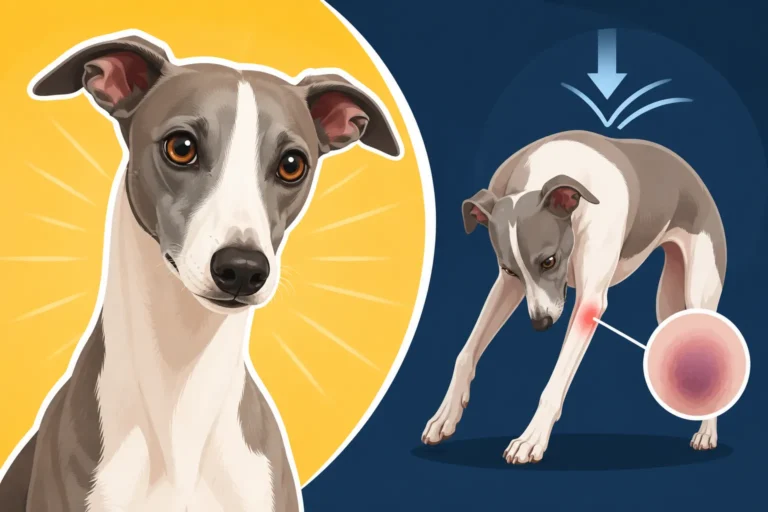
- Respect their personal space: Always respect your Whippet's need for space. If they retreat, let them. Forcing interaction will only set back your progress. This concept is crucial for sensitive dogs who learn How a Whippet Learns When It Bruises From Pressure from harsh handling.
| Whippet Body Language Cue | What It Might Indicate | Suggested Owner Action |
|---|---|---|
| Lip licking / Yawning | Mild stress, discomfort | Create distance, offer calm reassurance, check environment for triggers. |
| Turning head/body away | Avoidance, wanting space | Do not approach, ask others to give space, don't force interaction. |
| Ears flattened/tucked | Apprehension, fear | Identify stressor and remove if possible, provide a safe retreat. |
| Tail low/tucked | Fear, submission | Reassure calmly, remove from situation, avoid punishment. |
| Trembling/Hiding | Significant fear, distress | Immediately remove from situation, ensure safe quiet space, do not interact further. |
| Refusing treats | Too stressed to eat | The current situation is too much for them; increase distance from trigger. |
When to Seek Professional Help
Sometimes, a Whippet's shyness can be so profound that it impacts their quality of life, or it may even tip into fear-based aggression. In these cases, it's not only advisable but often necessary to enlist the help of a qualified professional.
Recognizing Extreme Shyness or Fear Aggression
While some shyness is typical for a Whippet, there's a spectrum of severity. You should consider professional help if your Whippet exhibits:
- Constant, debilitating fear: If your Whippet is perpetually anxious, even in their own home, or if fear prevents them from enjoying walks or basic interactions.
- Panic attacks: Intense trembling, uncontrolled urination/defecation, or frantic attempts to escape when a stranger is present.
- Growling, snapping, or lunging: Even if rare, any form of aggression, even if fear-based, warrants immediate professional intervention. A Whippet who feels cornered might resort to these behaviors, which can be dangerous for both the dog and the people involved.
- Regression: If your Whippet was once more confident but has suddenly become very shy or fearful without an obvious cause.
- Inability to take treats: If your dog is so stressed by strangers that they won't even take high-value treats, it indicates they are past their coping threshold.
These are not behaviors you should try to manage solely on your own, as you could inadvertently make them worse.
Consulting a Certified Professional
When dealing with significant fear or shyness, it's crucial to seek guidance from the right kind of professional. Look for:
- Certified Professional Dog Trainer (CPDT-KA): These trainers have passed an exam and have demonstrated knowledge in force-free training methods. They can help you implement positive reinforcement techniques effectively.
- Certified Dog Behavior Consultant (CDBC): These individuals have more extensive education and experience in addressing complex behavioral issues like severe fear and aggression.
- Veterinary Behaviorist (Dip ACVB): This is a veterinarian who has completed additional training and certification in animal behavior. They are qualified to diagnose behavioral disorders and prescribe medication if necessary, alongside behavior modification plans.
Avoid trainers who advocate for punitive methods, correction collars (like prong or choke chains), or dominance theory. These methods can be incredibly damaging to a sensitive Whippet and will almost certainly exacerbate fear-based behaviors. Always ask about their methodologies and ensure they align with positive, force-free approaches. They can provide tailored advice for Socializing a Whippet Puppy or an adult dog, or even help with general manners like Sighthound Manners: A Whippet Meeting Other Dogs.
Medication as a Last Resort
For some Whippets with severe anxiety or phobias, behavior modification alone may not be enough. In these cases, a veterinary behaviorist or your regular veterinarian (who is knowledgeable about behavior) might suggest anti-anxiety medication.
Medication is never a "cure-all" and should always be used in conjunction with a comprehensive behavior modification plan. Its purpose is to help reduce your Whippet's overall anxiety levels, making them more receptive to learning and less reactive to triggers. It can essentially lower their emotional threshold, allowing the training and confidence-building exercises to be more effective. The decision to use medication is a serious one, but for a dog suffering from extreme fear, it can dramatically improve their quality of life, enabling them to engage in the world more comfortably.
Helping a shy Whippet is a journey, not a sprint. With understanding, patience, and the right approach, you can help your sensitive companion build confidence and navigate the world of strangers with greater ease, allowing their true, loving personality to shine through.
Disclaimer
This article is for general informational purposes only and does not constitute professional advice. Laws, prices and regulations vary by location and change over time. Consult a qualified professional for guidance on your specific situation.