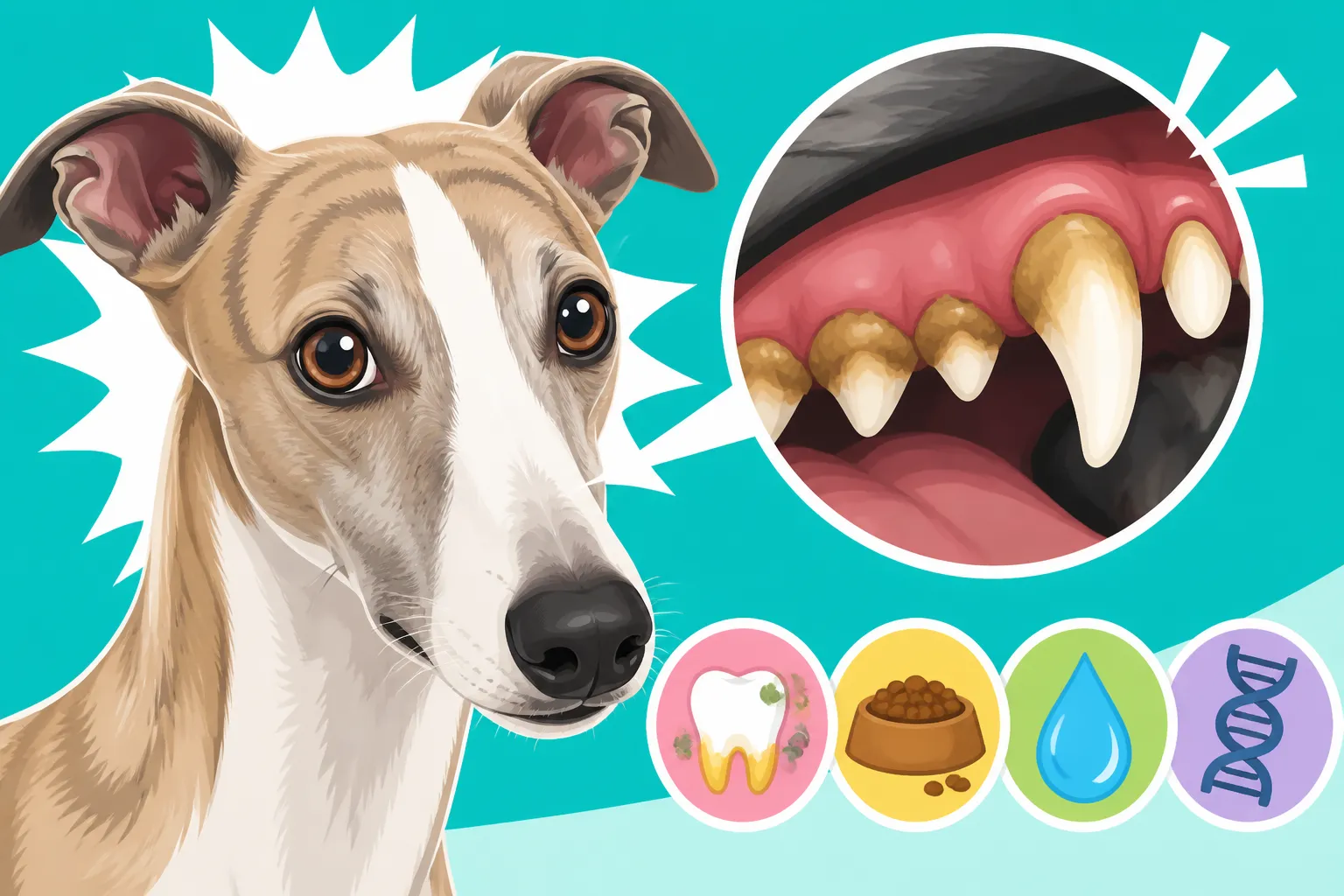
Why a Whippet Builds Tartar Fast
It’s a frustrating scenario many Whippet owners know all too well: you brush your dog’s teeth diligently, you offer dental chews, and yet, when your Whippet yawns, you see that tell-tale yellowish-brown film creeping up their pearly whites. It feels like no matter what you do, tartar builds up faster on their teeth than on a well-loved teapot. This guide is here to shed some light on why Whippets seem to build tartar so quickly and, more importantly, what actionable steps you can take to keep their smiles healthy and prevent serious dental problems down the road.
Understanding Tartar Buildup in Dogs
Before we dive into the specifics of why our sleek sighthounds are so susceptible, let's get a general understanding of what tartar actually is and why it's such a persistent problem for dogs in general. It's not just a cosmetic issue; it's a gateway to far more significant health concerns.
What is Tartar and How Does it Form?
Think about your own teeth. After you eat, a sticky, colorless film called plaque starts to form. This plaque is a combination of food particles, saliva, and bacteria. If you don't brush, that plaque hardens into tartar (or calculus) within 24 to 48 hours. For dogs, it's pretty much the same story, but often on fast-forward.
When your Whippet eats, microscopic food particles get caught on their teeth and gums. Saliva, which is full of minerals, then mixes with these particles and the ever-present bacteria in the mouth. This creates a soft, sticky layer of plaque. This plaque clings to the tooth surface, especially along the gumline. If this plaque isn't removed regularly through mechanical action—like brushing or chewing on appropriate items—the minerals in the saliva cause it to calcify and harden into tartar. Once tartar forms, it's incredibly difficult to remove with a toothbrush alone. It creates a rough surface that attracts even more plaque, accelerating the cycle and making the problem worse over time. You might notice it first as a yellowish stain, which then deepens to a dark brown, particularly on the back molars and the canine teeth.
The Health Risks of Neglected Tartar
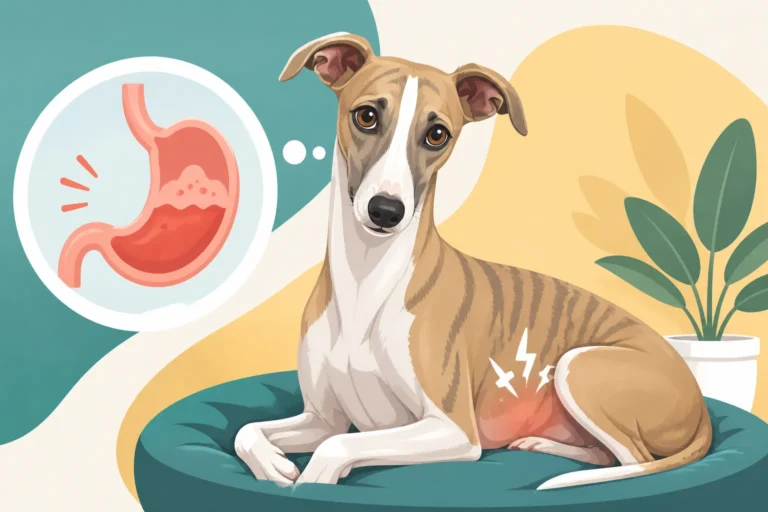
It's easy to dismiss a bit of yellowing on your dog's teeth as "just part of getting older," but ignoring tartar buildup is akin to ignoring a slow leak in your roof. Eventually, it leads to a much bigger, more expensive, and painful problem. Tartar isn't just unsightly; it's a breeding ground for bacteria right at the gumline. This constant bacterial irritation leads to gingivitis, which is inflammation of the gums. You might notice your Whippet's gums looking red, swollen, or even bleeding a little when they chew or you try to brush.
If gingivitis is left untreated, it progresses to periodontal disease, a much more serious condition. Periodontal disease attacks the supporting structures of the teeth, including the gums, ligaments, and bone. Teeth can become loose, painful, and eventually fall out. But the problems don't stop in the mouth. The bacteria from severe periodontal disease can enter your Whippet's bloodstream and travel to other organs, including the heart, kidneys, and liver, potentially causing serious systemic infections and long-term damage. This is why issues like Mitral Valve Disease Is What Ends Most Old Whippets can sometimes have roots in chronic dental infections. It's a silent threat that can significantly impact your Whippet's overall health and lifespan, making proper dental care not just about fresh breath, but about total well-being.
Why Whippets Are Prone to Tartar – The Breed Specific Factors
So, now that we understand tartar generally, why do our elegant Whippets seem to be tartar magnets? It’s not just bad luck; there are several breed-specific traits that unfortunately predispose them to rapid dental deterioration.
Genetics and Jaw Structure: A Whippet's Unique Challenge
One of the primary culprits lies right in their head – specifically, their jaw and teeth structure. Whippets, like many sighthounds, possess long, narrow muzzles. While this elegant conformation is part of their charm and efficiency as sprinters, it often means their teeth can be crowded. Imagine trying to fit a full set of adult teeth into a slightly smaller space than they really need. When teeth are crowded or rotated, they create tiny crevices and overlaps that are incredibly difficult for a toothbrush (or even natural chewing) to reach effectively. These tight spaces become perfect hiding spots for plaque and food debris, which then quickly harden into tartar.
Furthermore, the specific angle and alignment of their bite can also play a role. Some Whippets might have a slight overbite or underbite, or just an unconventional occlusion that makes natural abrasive cleaning less effective. This genetic predisposition means that even with diligent home care, some Whippets are fighting an uphill battle compared to breeds with broader muzzles and more widely spaced teeth. It’s not a flaw in their breeding, but rather an anatomical quirk we need to be aware of and proactively manage. This is a common issue for many sighthound breeds, and it's something responsible breeders and owners alike need to consider from puppyhood.
Diet and Chewing Habits
What your Whippet eats and how they chew are huge factors in tartar accumulation. Many commercial dog foods, especially kibble, are touted as "dental friendly," but the reality is often different. While some specifically designed dental kibbles can help mechanically scrape teeth, most regular kibble shatters upon impact and offers minimal abrasive action on the tooth surface, particularly along the gumline where tartar starts. A soft, wet food diet, while appealing to some picky eaters, provides almost no mechanical cleaning and can actually encourage plaque buildup by leaving more residue on the teeth.
Beyond food, a Whippet's chewing habits can either help or hinder. Our Whippets are often described as The Whippet Is a Forty Mile an Hour Couch Potato, and while they have bursts of energy, they can be surprisingly delicate chewers compared to power breeds. Some might not be enthusiastic about gnawing on hard dental chews or bones for extended periods. Others might be "gulpers" who swallow chews too quickly, negating any potential cleaning benefit. If your Whippet isn't actively scraping their teeth with appropriate, safe chew items, then the natural cleaning process is significantly reduced, allowing plaque to solidify into tartar unchecked. It’s about finding what your individual Whippet will consistently chew on.
Lifestyle and Saliva Composition
Believe it or not, even something as subtle as your Whippet's saliva can influence tartar development. The pH and mineral content of a dog's saliva play a role in how quickly plaque mineralizes into tartar. Some dogs naturally have saliva that is more prone to rapid mineralization. While this isn't something you can easily measure or change, it's another piece of the puzzle.
Furthermore, a Whippet's generally calm indoor lifestyle, while wonderful for their comfort, doesn't always lend itself to incidental dental cleaning. Unlike wild canids who constantly gnaw on carcasses or branches, our domesticated companions rely heavily on us for their oral hygiene. If a Whippet isn't regularly given things to chew on or isn't having their teeth brushed, their mouth environment can quickly become a prime location for tartar. A consistent routine of dental care, rather than relying on natural abrasion, becomes critical for these sensitive mouths.
Recognizing the Signs of Tartar and Dental Disease
Sometimes, the signs of dental issues in our Whippets can be subtle, masked by their generally stoic nature. However, knowing what to look for can help you catch problems early, before they escalate into painful and costly conditions. Teeth Are the Whippet Problem That Sneaks Up on owners, so vigilance is key.
Visual Cues and Bad Breath
The most obvious sign of tartar buildup is, of course, seeing it. Take a moment to gently lift your Whippet’s lips and inspect their teeth, especially the outer surfaces of the upper canines and molars. Look for:
- Yellowish or brownish discoloration: This is plaque that has started to calcify. It will be most prominent near the gumline.
- Rough, bumpy deposits: As tartar builds, it forms a crusty layer that feels rough to the touch. It might look like little yellowish-brown rocks stuck to the teeth.
- Red, swollen, or bleeding gums: This indicates gingivitis. Healthy gums should be a pale pink and lie tightly against the teeth. If they're inflamed, they might appear bright red, puffy, and bleed easily when touched or when your dog chews. You might even see a faint line of blood on a chew toy.
- Receding gums: In more advanced stages, the gums start to pull away from the teeth, exposing the roots. This looks like the tooth appearing longer than usual.
- Missing or loose teeth: This is a late-stage sign of periodontal disease, indicating severe damage to the tooth's supporting structures.
And then there's the smell. "Dog breath" is often dismissed as normal, but truly offensive bad breath (halitosis) is not normal. It's almost always a sign of bacterial overgrowth in the mouth due to plaque and tartar. If your Whippet's breath could knock a buzzard off a gut wagon, it's time for a dental check-up. That smell is from volatile sulfur compounds produced by bacteria feasting on food particles and decaying tissue in their mouth.
Behavioral Changes and Pain Indicators
Because dogs are experts at hiding pain, behavioral changes can be incredibly subtle indicators of dental discomfort. You have to be a keen observer to pick up on these cues. Your Whippet might not cry out, but they might show:
- Reluctance to chew on hard toys or food: If they suddenly turn their nose up at their favorite dental bone or struggle with kibble, it could be painful teeth. They might also chew on one side of their mouth predominantly.
- Dropping food: They might pick up food, then drop it, or shy away from the food bowl altogether, even if they're hungry.
- Increased drooling: Excessive drooling, especially if it's thicker or tinged with blood, can signal oral pain or infection.
- Paw at mouth or rub face: They might try to relieve discomfort by rubbing their face on furniture or pawing at their muzzle more than usual.
- Changes in mood or energy: Chronic pain can make any dog grumpy or withdrawn. If your normally playful Whippet seems a bit subdued or less interactive, consider dental pain as a possibility.
- Weight loss: If chewing is too painful, they might not eat enough, leading to unintentional weight loss.
- Sneezing or nasal discharge: In severe cases, infection from an upper tooth root can erode into the nasal cavity, causing nasal discharge or sneezing.
Any of these signs warrant a call to your veterinarian. Early intervention can prevent a lot of pain and expense down the line for your Whippet.
Proactive Dental Care Strategies for Your Whippet
Given your Whippet’s predisposition to tartar, being proactive isn't just a good idea—it's essential. Waiting until you see significant tartar means the problem is already well underway. Think of it as preventative maintenance for their adorable smiles!
Daily Brushing: The Gold Standard
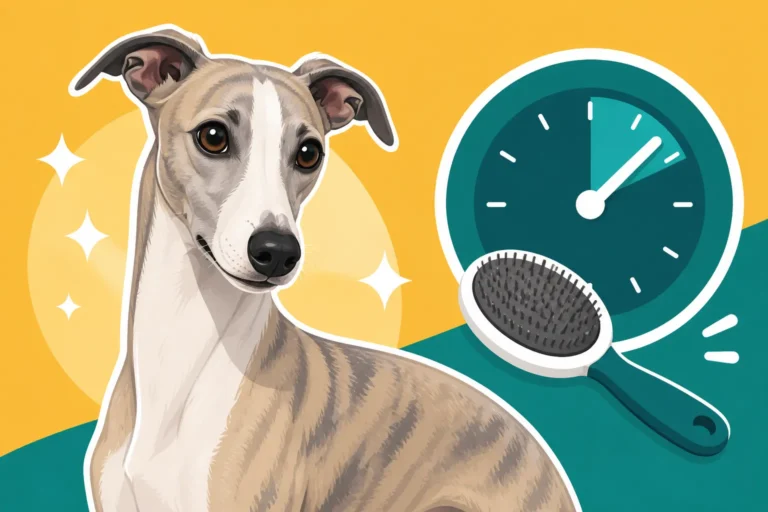
Hands down, daily tooth brushing is the single most effective way to prevent plaque from hardening into tartar. Yes, daily! Just like with humans, consistency is key. If brushing isn't done at least every 24-48 hours, plaque will start to mineralize. We often talk about How Often a Whippet's Teeth Need Brushing and the answer is truly, "as often as possible, ideally daily."
Start young if you can. Gently introduce a dog-specific toothbrush (finger brushes work well for many Whippets due to their narrow jaws) and enzymatic dog toothpaste (never human toothpaste, as it contains xylitol which is toxic to dogs). Make it a positive experience with lots of praise and tasty rewards. Focus on the outside surfaces of the teeth, especially along the gumline, as this is where plaque accumulates most. Don't worry too much about the inside surfaces; your dog's tongue usually keeps those relatively cleaner. Even if you can only manage 30 seconds a day, it makes a significant difference. If your Whippet is resistant, start with just letting them lick toothpaste off the brush, then move to touching their teeth, and slowly build up to a full brush. Patience is paramount.
Dental Chews and Appropriate Toys
While not a substitute for brushing, dental chews and specific toys can be excellent adjuncts to your Whippet's oral care routine. Look for products designed to mechanically abrade plaque from the tooth surface. Different brands offer various shapes and textures. Some popular choices include products from major pet retailers like Chewy or Amazon.
Here's what to look for:
- Size-appropriate: The chew should be large enough that your Whippet can't swallow it whole, but not so large they can't effectively chew it.
- Texture: It should be firm enough to provide abrasive action but not so hard that it risks breaking teeth. Avoid things like antlers or bones that are harder than your dog's teeth.
- Veterinary Oral Health Council (VOHC) seal: Products with this seal have met specific standards for reducing plaque and/or tartar. This is a good indicator of effectiveness.
- Supervised chewing: Always supervise your Whippet with any chew to ensure they are chewing safely and not breaking off large pieces.
Remember, even the best dental chew only cleans the surfaces it comes into contact with. It won't reach those tight spots between crowded teeth or deep under the gumline. Think of them as a helpful supplement, not a stand-alone solution.
Professional Cleanings and Vet Oversight
Despite your best efforts at home, professional dental cleanings under anesthesia will likely be necessary at some point in your Whippet's life. This is where the veterinarian can thoroughly clean above and below the gumline, polish the teeth to smooth out microscopic scratches (which attract more plaque), and perform a full oral exam. Whether a Whippet Needs Yearly Dental Cleaning is a common question, and for many Whippets, especially those prone to tartar, a yearly check-up, and potentially cleaning, is indeed recommended.
Here’s a breakdown of methods to consider:
| Dental Care Method | Effectiveness Against Plaque/Tartar | Pros | Cons |
|---|---|---|---|
| Daily Brushing | High | Most effective for preventing buildup, good for gum health. | Requires daily commitment, dog cooperation, can miss crowded areas. |
| VOHC Dental Chews | Moderate to High | Helps with mechanical abrasion, enjoyable for dogs, easy to give. | Not a substitute for brushing, may not reach all teeth, choking hazard. |
| Water Additives/Gels | Low to Moderate | Easy to use, can help freshen breath and slow plaque. | Limited direct cleaning, effectiveness varies widely. |
| Dental Diets | Moderate | Kibble designed to scrape teeth, provides some abrasion. | Only works while eating, may not be suitable for all Whippets. |
| Professional Cleaning | Very High | Thorough cleaning, addresses issues below gumline, comprehensive exam. | Requires anesthesia, associated costs, not a preventative solution alone. |
Your veterinarian is your best partner in determining the optimal dental care plan for your individual Whippet. They can assess the current state of their teeth, recommend frequency of professional cleanings, and advise on the best home care products tailored to your Whippet's specific needs.
Nutritional Approaches to Support Dental Health
Beyond mechanical cleaning, what you feed your Whippet can play a supportive role in their overall oral health. While food alone can't cure or prevent all dental issues, certain choices can certainly help.
Choosing the Right Food
When it comes to kibble, the debate about its dental benefits often overlooks a key point: how it's designed. Some kibbles are specifically formulated with larger, more fibrous pieces that are meant to encourage chewing and provide a mild scraping action on the tooth surface. Look for dental diets that have the VOHC seal for plaque and tartar reduction. These are usually prescription diets or premium foods found at pet supply stores or online through retailers like Chewy.
For those interested in fresh food or raw diets, it’s important to understand that while these might have other health benefits, they don't inherently prevent tartar. In fact, many fresh food diets, being softer, can leave more residue if not balanced with appropriate chewing. If you feed a fresh food diet from a company like Ollie, you'll still need to be extra diligent with brushing and providing safe, abrasive chews. The key is to ensure any diet is balanced and provides the right nutrients for overall health, including strong teeth and gums. Whether a Whippet Needs Grain Free Food is a common nutritional question, but the type of grain typically has less impact on dental health than the physical structure and chew-ability of the food itself.
Supplements for Oral Health
The market is flooded with various oral health supplements, ranging from water additives to gels and powders that you sprinkle on food. While none of these are magic bullets, some can offer supplementary benefits by helping to reduce bacteria, alter the pH of saliva, or break down existing plaque.
- Water additives: These are often enzymatic or contain ingredients like zinc that can help reduce bacteria in the water bowl, which then comes into contact with the teeth and gums.
- Dental gels/sprays: Applied directly to the teeth and gums, these often contain enzymes or antibacterial agents that can help break down plaque.
- Seaweed-based supplements: Products containing specific types of seaweed (like Ascophyllum nodosum) are believed by some to alter saliva composition, making it harder for plaque to stick and calcify. These can be found at various pet stores and on Amazon.
Always talk to your vet before introducing any new supplement to your Whippet's diet, especially if they have existing health conditions. While these supplements can be helpful, they should always be seen as an addition to a good brushing routine and not a replacement.
What to Expect During a Professional Dental Cleaning
When home care isn't enough, or if your Whippet already has significant tartar and signs of gum disease, a professional dental cleaning is the next step. It's perfectly normal to feel a little nervous about your Whippet going under anesthesia, but understanding the process can ease your mind. For sighthounds like Whippets, there are particular considerations to discuss with your vet.
The Importance of Sighthound Anesthesia Protocols
This is perhaps the most crucial aspect of a professional dental cleaning for a Whippet. Sighthounds are known to metabolize certain anesthetic drugs differently and more slowly than other breeds. This means they can be more sensitive to certain sedatives and anesthetics, leading to prolonged recovery times and a higher risk of complications if standard protocols are used. It's why there's a specific field of knowledge around Why a Whippet Needs a Sighthound Anesthesia Protocol.
Before any procedure, your vet should conduct thorough pre-anesthetic bloodwork to ensure your Whippet's organs are functioning properly. You can learn more about The Bloodwork Numbers That Look Wrong on a Healthy Whippet to understand what your vet is looking for. They should specifically use drugs that are known to be safer for sighthounds, such as propofol for induction and isoflurane or sevoflurane for maintenance, while avoiding drugs like thiobarbiturates or acepromazine, which can cause prolonged sedation or severe drops in blood pressure in these breeds. Monitoring throughout the procedure is also critical, including heart rate, respiration, blood pressure, and body temperature. Whippets, with their minimal body fat, are also prone to becoming hypothermic under anesthesia, so active warming measures are essential. Don't hesitate to ask your vet about their specific sighthound anesthesia protocol and their experience with the breed. Whether a Whippet's Dental Needs Sighthound Anesthesia is not a question, it's a requirement for their safety.
The Dental Cleaning Process
Once safely under anesthesia, the real work begins. The vet or a trained technician will perform a full oral examination, often probing the gum pockets around each tooth to check for disease below the gumline. They will then use an ultrasonic scaler to remove plaque and tartar from above and below the gumline. This is similar to what your own hygienist uses, but adapted for veterinary use. Any areas of significant gingivitis or periodontal disease will be noted.
After scaling, the teeth are polished with a prophylactic paste. This smooths out any microscopic scratches created during the scaling process, making it harder for plaque to adhere in the future. Finally, a fluoride treatment may be applied to strengthen the enamel. If any teeth are severely diseased, mobile, or fractured, the vet will discuss extractions with you. This can sometimes be an unexpected part of the cost, as What a Whippet's Dental Cleaning Costs can increase significantly if extractions are needed. Recovery will involve careful monitoring as your Whippet slowly wakes up from the anesthesia. They might be a bit groggy or disoriented for the rest of the day, which is normal.
Post-Cleaning Care and Long-Term Maintenance
After a professional cleaning, it's like hitting the reset button on your Whippet's oral health. Their teeth will be sparkling clean, and their gums will have a chance to heal. However, the cleaning is not a permanent fix; it's the beginning of a renewed commitment to home care.
The period immediately after a cleaning is the perfect time to start (or restart) a consistent daily brushing routine. With all the plaque and tartar gone, you have a clean slate to work with. Your vet might also recommend specific post-operative care, such as a course of antibiotics if there were significant infections, or a specialized dental rinse. They'll also advise you on how frequently your Whippet might need future cleanings, which will depend on their individual rate of tartar buildup. By maintaining a diligent home care routine, you can extend the time between professional cleanings and keep your Whippet's mouth healthy for years to come, contributing positively to their The Twelve to Fifteen Years a Whippet Lives.
This proactive, multi-pronged approach to dental care—combining daily brushing, appropriate dental chews, supportive nutrition, and regular professional cleanings with sighthound-savvy anesthesia—is the best way to combat the challenges of rapid tartar buildup in your beloved Whippet.
Disclaimer
This article is for general informational purposes only and does not constitute professional advice. Laws, prices and regulations vary by location and change over time. Consult a qualified professional for guidance on your specific situation.