How Many Ribs Should Show on a Whippet
It's incredibly common for new Whippet owners, and even seasoned ones, to worry about their dog's weight. These elegant sighthounds carry so little body fat, and their fine bone structure often means that what looks "normal" for a Whippet might look alarmingly thin on a Labrador or a Golden Retriever. This guide will help you understand what a healthy Whippet's body condition truly looks like, how many ribs you should typically see, and when it’s time to consult your vet.
Understanding the Whippet's Unique Physique: Why They Look So Lean
Whippets are built for speed and agility, not for carrying extra insulation or bulk. Their entire physiology is geared towards being lightweight and aerodynamic, allowing them to sprint with incredible power and grace. This often means their appearance can be quite striking, especially to those unfamiliar with sighthound breeds.
The Sighthound Build: Designed for Speed, Not Bulk
Think of a champion sprinter or a finely tuned race car – every element is about efficiency and performance. Whippets are the canine equivalent. Their deep chests house powerful lungs and a large heart, while their lean, muscular legs provide the propulsion. They don't have layers of fat or thick coats to disguise their underlying structure. This evolutionary design allows them to accelerate rapidly and chase prey over short distances, a skill that was historically vital for their ancestors. It's a marvel of natural engineering, but it also means they will always appear slender compared to other dog breeds. This isn't a flaw; it's a feature.
When you look at a Whippet, you're not seeing a dog that needs to endure harsh winters foraging for food, or one bred for strength in pulling carts. You're seeing a creature perfectly adapted for explosive bursts of speed. This fundamental difference in purpose is why their body type is so distinct and why they naturally carry Why a Whippet Has So Little Body Fat.
Visible Ribs and Hip Bones: A Hallmark of the Breed
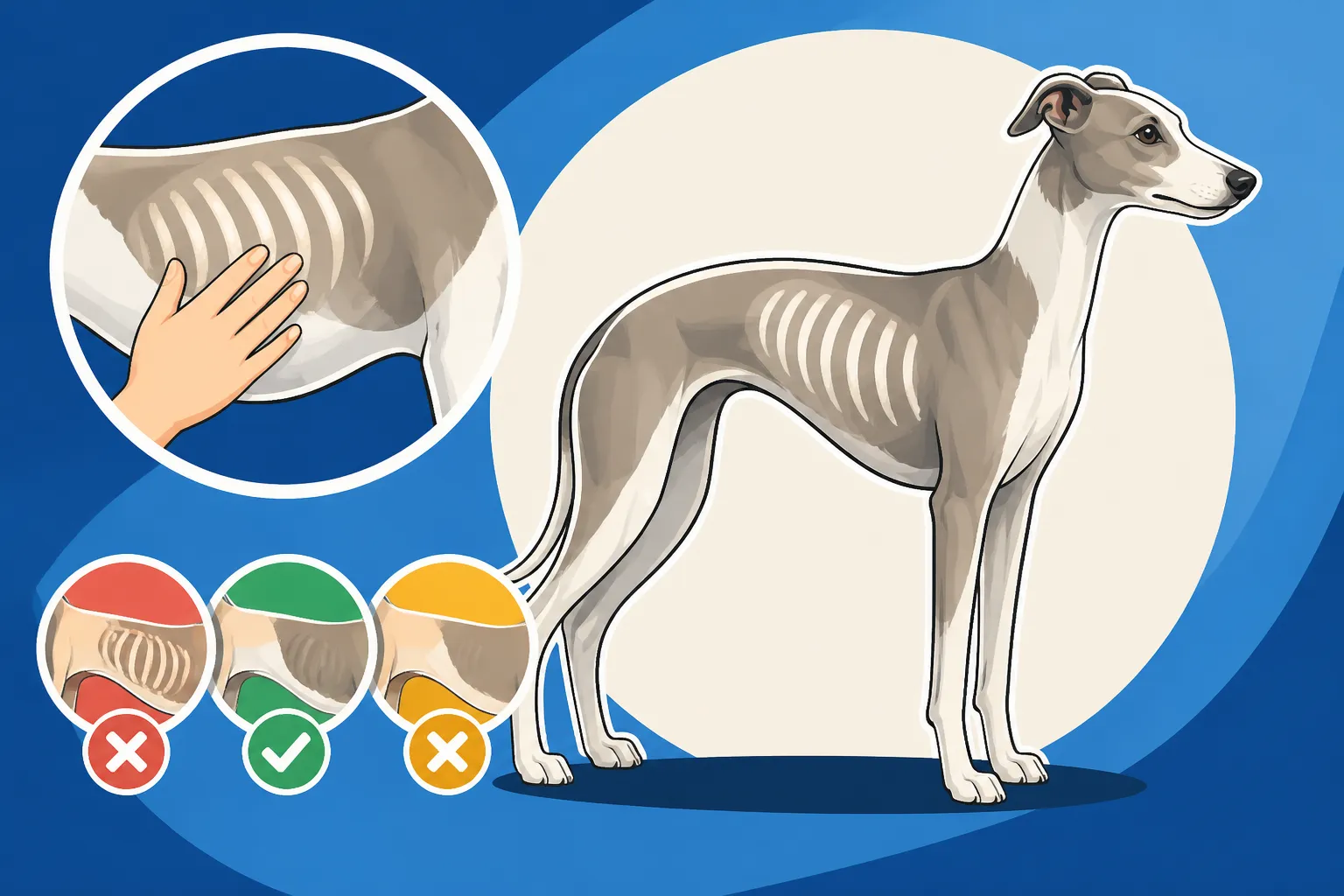
For many Whippet owners, one of the most frequent comments they hear from well-meaning strangers is, "Your dog looks so skinny! Are you feeding him enough?" It’s a natural reaction if you're used to seeing breeds with more substantial frames. However, for a Whippet, having gently visible ribs and prominent hip bones is not just normal, it's often a sign of optimal health and athleticism. You should generally be able to see the last two or three ribs, and their hip bones, known as the tuber coxae, should also be noticeable, especially when they move.
Their topline should feature a graceful arch over the loin, which leads to a distinct tuck-up at the waist. This isn't an indication of malnourishment; it's part of their characteristic profile, essential for the powerful rear-end drive they use when running. Feeling their spine, you should easily be able to detect the individual vertebrae, but they shouldn't feel sharp or painful. This lean musculature, combined with a very thin skin, contributes to their streamlined appearance.
The Perception Gap: Why People Worry About a Lean Whippet
The public perception of what a "healthy" dog looks like has been heavily influenced by breeds prone to carrying more weight. Many popular breeds, from retrievers to bulldogs, have a much heavier build and more body fat. When someone accustomed to these breeds sees a Whippet, their immediate assumption is often that the dog is underweight or unwell. This perception gap can lead to awkward conversations at the dog park or even unsolicited advice, which can be frustrating for responsible Whippet owners.
It’s important to remember that you know your dog best, and you understand the nuances of the breed's ideal body condition. The key is to educate yourself and trust your judgment, backed by veterinary advice. Your Whippet isn't meant to be plump or even moderately padded. They are meant to be sleek, agile, and light. Understanding this helps you confidently assess your dog's health and gently correct misconceptions from others.
How Many Ribs Should You See on a Healthy Whippet?
This is the million-dollar question for many new Whippet guardians! It’s a fine line between a healthy lean physique and being genuinely underweight. The goal is a dog that is fit and agile, not emaciated or carrying excess pounds.
The Gold Standard: Gently Visible Ribs
The generally accepted "gold standard" for a healthy Whippet is to have the last two to three ribs visible without straining, especially when the dog is standing or moving. These ribs should not appear sunken or overly defined, but rather offer a subtle ripple under the skin. Think of it less as seeing every single rib bone sharply outlined, and more as a gentle undulation where the ribs lie. When they are lying down, you might see more, or fewer depending on their position.
Beyond the ribs, you should observe a pronounced waist (the tuck-up) and visible hip bones. Their spine should be easily palpable but not sharply protruding, and the muscles along their back and hindquarters should feel firm and well-developed, not wasted. This visual assessment is your first line of defense in monitoring their health. It's all about balanced lean muscle, not just skin and bones. This optimal condition is what allows them to perform at their best, whether that’s a competitive lure coursing event or a joyous zoomie session in the backyard.
Feeling for the Right Amount of Cover
Visual cues are important, but touch tells you even more. You should be able to Feeling a Whippet's Ribs and Hip Bones without pressing hard. When you gently run your hands along their sides, you should feel the ribs distinctly, with just a thin layer of muscle and skin over them. It should feel like a book covered in a thin fabric – you know the book is there, but it's not sharp or uncomfortable. If you can't easily feel the ribs, your Whippet might be carrying too much weight. Conversely, if the ribs feel like sharp ridges with no give, it's a red flag that they might be too thin.
Similarly, gently feel along their spine and hip bones. You should feel the individual vertebrae and hip bones under a thin layer of skin and muscle, but they should not feel jagged or appear overly sunken. A healthy Whippet's muscles should feel taut and strong, especially over the loin and hindquarters, reflecting their athletic build. Regularly performing this hands-on check helps you become familiar with your individual dog's ideal condition and notice any subtle changes quickly.
The Role of the Body Condition Score (BCS)
Veterinarians use a standardized tool called the Body Condition Score (BCS) to assess a dog's weight and overall condition. This scale typically ranges from 1 (severely underweight) to 9 (severely obese), with 4-5 being the ideal for most breeds. For sighthounds like Whippets, the ideal range might lean slightly lower, perhaps a 3-4, or sometimes even a healthy 5, depending on their individual build and muscle mass. The goal is a balance that keeps them athletic and healthy.
A BCS of 4-5 usually means:
- Ribs: Easily palpable, with minimal fat cover. May be visible with no fat over them.
- Waist: Clearly evident when viewed from above.
- Abdominal Tuck: Obvious when viewed from the side.
- Hip Bones: Easily palpable, possibly with a thin fat layer.
It’s always a good idea to discuss your Whippet's BCS with your vet at their annual check-up. They can provide an objective assessment and guide you on whether your dog's current condition is ideal or if adjustments are needed. Don't be shy about asking What a Vet Says About a Whippet's Weight and What Body Condition Score a Whippet Should Be for your specific dog.
Distinguishing Between Healthy Leanness and Being Underweight
This is where the nuances of Whippet ownership truly come into play. It's easy for an untrained eye to mistake a fit Whippet for one that needs more food. However, there are clear distinctions that every owner should learn.
Signs Your Whippet is Too Thin
While some visible ribs are normal, too many, or ribs that protrude sharply, are a sign of concern. If you see all of your Whippet's ribs clearly outlined, almost as if shrink-wrapped, or if their spine and hip bones are extremely prominent and feel sharp without any muscle or fat cover, your dog may be underweight. Other signs include:
- Loss of muscle mass: Beyond just being lean, their muscles might appear sunken or wasted, particularly over the hindquarters and along the spine.
- Lack of energy: While Whippets are renowned for being The Whippet Is a Forty Mile an Hour Couch Potato indoors, they should still have bursts of energy when outside. Persistent lethargy or reluctance to play could be a sign of insufficient nutrition.
- Poor coat condition: A dull, dry, or sparse coat, sometimes with excessive shedding, can indicate nutritional deficiencies.
- Easily chilled: While Whippets inherently feel the cold more due to their lack of body fat, an underweight Whippet will be even more susceptible to cold temperatures.
- Frequent illness or slow recovery: A compromised immune system due to poor nutrition can lead to more frequent infections or a longer recovery time from minor ailments.
If you observe these signs, it's crucial to consult your veterinarian promptly to rule out underlying health issues and adjust their diet.
Signs Your Whippet is at a Healthy Weight
A healthy Whippet will exhibit that beautiful balance of athleticism and elegance. Here's what to look for:
- Visible ribs (last 2-3) and hip bones: As discussed, these should be gently visible, not sharply protruding.
- Defined waist and strong tuck-up: Their body should narrow significantly behind the rib cage, and their belly should rise steeply towards their hind legs.
- Palpable but not sharp bones: You should easily feel their ribs, spine, and hip bones under a thin layer of muscle and skin, but they shouldn't feel like sharp points.
- Good muscle tone: Their muscles, especially over the thighs and shoulders, should feel firm and well-developed. When they run, you should see the muscles working under their skin.
- Bright eyes and glossy coat: These are general indicators of good health and nutrition.
- Appropriate energy levels: They should be eager for their walks and playtime, even if they spend a good portion of their day napping on the sofa.
- Consistent appetite: They might be picky sometimes, but generally, they should eat their meals with enthusiasm.
Maintaining this ideal body condition is vital for their joint health, longevity, and overall well-being. It’s also important to remember that What an Adult Male Whippet Weighs and What an Adult Female Whippet Weighs can vary, so focus on the visual and tactile cues rather than just a number on the scale.
Common Misconceptions About Whippet Weight
It's astonishing how many well-meaning people comment on a Whippet's "thinness." Let's clear up some of the most common myths:
- "They need more food!": Often, a healthy Whippet is already eating a perfectly adequate diet. Overfeeding them in an attempt to "fatten them up" can lead to health problems like joint strain, especially on their delicate frames, and heart issues later in life. It's better to focus on quality nutrition and muscle development than simply adding fat.
- "Their spine shouldn't show.": For many breeds, a visible spine is a sign of being underweight. For Whippets, it's perfectly normal to be able to feel and sometimes see the individual vertebrae, particularly when they stretch or arch their back. The concern is if the spine feels sharp and painful to the touch, with no discernible muscle cover.
- "They must be a picky eater because they're so thin.": While some Whippets can indeed be picky, their lean build isn't directly a result of pickiness. It's their natural body type. Even if they clear their bowl every time, they will likely remain lean. If your Whippet is genuinely struggling to eat enough to maintain a healthy weight, that's when you consult a vet.
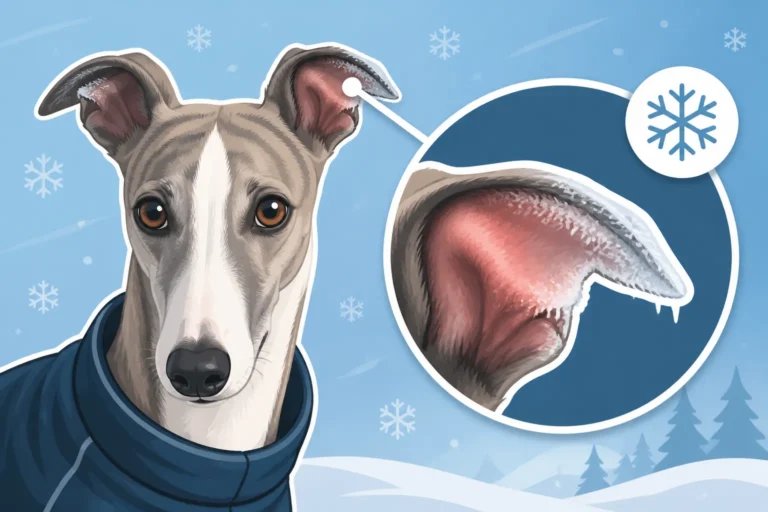
- "They're always cold because they're underweight.": Whippets are naturally sensitive to cold temperatures because they have very little body fat and thin skin, regardless of whether they are at an ideal weight. While an underweight Whippet will feel the cold even more acutely, a healthy Whippet still needs The Wardrobe a Whippet Needs Because It Has No Body Fat when temperatures drop.
Understanding these points helps you advocate for your Whippet and maintain their health confidently.
Factors That Influence a Whippet's Body Condition
Several elements contribute to your Whippet's body condition. It's a dynamic balance that requires attention to diet, exercise, and overall health.
Diet and Nutrition: Fueling a High-Energy Breed
Even though Whippets are famously lean, they don't necessarily need an exorbitant amount of food. Their metabolism is incredibly efficient, and they spend a lot of time napping. However, when they do exercise, it's intense. This means their diet needs to be high-quality and nutrient-dense, providing the right balance of protein, fats, and carbohydrates to support their active lifestyle and maintain muscle mass. Look for foods with good quality animal protein as the primary ingredient.
The specific amount will depend on your individual dog's age, activity level, and metabolism. A young, active Whippet training for lure coursing will naturally need more calories than a senior Whippet who prefers short strolls. Always follow feeding guidelines on pet food packaging, but also observe your dog's condition and adjust as needed. You might find great options for a quality diet from reputable pet supply retailers like Chewy or specialty pet food providers like Ollie. Sometimes, adding a quality topper like cooked lean meat or a little plain pumpkin can entice a picky eater and provide extra nutrients without excessive calories.
Exercise Levels and Muscle Mass
A Whippet that regularly sprints and plays will naturally be more muscular and lean than one who leads a sedentary life. Regular, appropriate exercise is crucial for building and maintaining healthy muscle mass. This is the "lean" part of "lean and muscular." Without it, even if they are fed correctly, they might appear thin but lack the firm musculature that defines a healthy Whippet.
Aim for daily opportunities for your Whippet to stretch their legs and run, ideally in a safe, fenced area. This doesn't mean hours of intense activity every day; often, a good 15-20 minute sprint session is enough to satisfy their need for speed, followed by plenty of lounging. Remember, Whippets are sprinters, not endurance runners, so quality of exercise often trumps quantity. However, avoid over-exercising young puppies, as this can harm their developing joints. Raising a Whippet Puppy Without Wrecking Its Joints is important.
Age, Genetics, and Health Conditions
Just like humans, a Whippet's body condition can change with age. Younger Whippets, especially during their growth spurts, might look lanky, while senior Whippets might lose some muscle mass naturally as they age, making them appear thinner. Caring for an Old Whippet That Feels the Cold becomes even more crucial. Genetics also play a role; some Whippet lines are naturally finer-boned and leaner than others.
Underlying health conditions can also significantly impact a Whippet's weight. Conditions like dental disease (making eating painful), parasites, thyroid issues, or more serious illnesses can all lead to unintentional weight loss. If your Whippet experiences sudden, unexplained weight changes despite no alteration in diet or exercise, or if they seem unwell in any other way, a veterinary check-up is paramount. Sometimes a sensitive stomach might mean specific dietary needs, but always rule out medical issues first.
Practical Tips for Maintaining Your Whippet's Ideal Weight
Once you understand what a healthy Whippet looks like, the next step is implementing practical strategies to maintain that ideal condition throughout their life.
Choosing the Right Food and Feeding Schedule
Selecting a high-quality dog food is foundational. Look for brands that prioritize whole meat proteins, healthy fats, and digestible carbohydrates. Avoid foods with excessive fillers or artificial ingredients. Some owners find that a raw diet or fresh-cooked food suits their Whippets well, but commercial kibble or wet food can be perfectly adequate if chosen wisely. When you're looking for quality food or supplements, online retailers like Chewy and Amazon offer a wide array of options and customer reviews that can help guide your choice. Another option to explore for balanced, fresh meals could be Ollie, if you're looking into pre-portioned, human-grade options.
Most adult Whippets do well on two meals a day. This helps stabilize blood sugar levels and prevents them from getting too hungry, which can sometimes lead to gulping food too quickly. Monitor their weight and condition regularly and adjust the amount of food as needed. If you notice they are starting to look a little too thin, you might slightly increase their portion size or add a healthy calorie booster like a spoonful of unsweetened canned pumpkin or plain yogurt to their meals. Conversely, if their ribs become harder to feel, a slight reduction might be in order. Keeping Weight On a Whippet Without Making It Fat is a constant, gentle balancing act.
Providing Adequate, Safe Exercise
Consistent, appropriate exercise is key to maintaining muscle tone. Daily walks are great for general fitness and mental stimulation, but Whippets also need opportunities to gallop. This means securing a safe, fenced area where they can run freely without the risk of darting into traffic or disappearing after a squirrel. Dog parks can be an option, but ensure it's a safe environment where your Whippet won't be injured by larger, boisterous dogs.
Activities like lure coursing or Fast CAT are excellent ways to tap into their natural prey drive and give them an intense, safe workout. These sports are designed for sighthounds and allow them to run at full speed without chasing live animals. Even in your backyard, a good game of fetch with a soft toy can provide a burst of activity. Remember to always warm up your Whippet with a brisk walk before intense exercise and cool them down afterward to prevent muscle strains. Feeding a Whippet That Sprints and Then Sleeps requires understanding their energy demands.
Regular Health Checks and Monitoring
Routine veterinary check-ups are essential. Your vet can provide an objective assessment of your Whippet's body condition, discuss their diet, and address any concerns you might have. They can also perform preventative care, such as dental cleanings, which are important for overall health and can impact appetite. Teeth Are the Whippet Problem That Sneaks Up so early attention is crucial.
Beyond vet visits, you should perform regular at-home checks. This means visually assessing their body condition weekly and running your hands over their ribs, spine, and hip bones. Also, pay attention to their energy levels, appetite, coat condition, and stool quality. Any significant changes in these areas warrant a closer look and potentially a vet visit. Early detection of any issues, whether nutritional or health-related, can make a significant difference in your Whippet's long-term well-being and help ensure they live out The Twelve to Fifteen Years a Whippet Lives.
When to Consult Your Veterinarian About Your Whippet's Weight
While a lean physique is normal for a Whippet, there are definitely times when a call to the vet is in order. Don't hesitate to seek professional advice if you have any concerns.
Sudden Weight Loss or Gain
If your Whippet experiences a sudden and unexplained change in weight – either losing too much weight too quickly or gaining an unexpected amount – it's a clear signal to consult your veterinarian. Rapid weight loss can be a symptom of various underlying health issues, from parasites and dental pain to more serious conditions like organ disease or cancer. It’s not something to ignore or try to fix with extra food at home.
Conversely, sudden weight gain, especially if your dog's diet and exercise haven't changed, could indicate a metabolic issue, fluid retention, or even a different kind of health concern. While it might seem less alarming than weight loss, it still merits a professional evaluation to ensure your Whippet's health isn't at risk from excess weight or an underlying condition.
Persistent Pickiness or Ravenous Appetite
While some Whippets can be a bit discerning about their food, persistent or extreme pickiness that leads to weight loss is a concern. If your Whippet is consistently refusing meals, turning their nose up at previously loved foods, or showing a general lack of interest in eating, it could point to dental pain, nausea, or another health problem. A trip to the vet can identify the root cause and ensure they receive the nutrition they need.
On the other end of the spectrum, if your Whippet suddenly becomes ravenously hungry, always searching for food, or eating much more than usual without gaining weight, this could also be a sign of an underlying medical condition, such as hyperthyroidism or malabsorption issues. Even if they appear to be at a healthy weight, a drastic change in appetite warrants investigation. Your vet can run diagnostic tests to get to the bottom of these changes.
Other Accompanying Health Concerns
Weight changes often don't occur in isolation. If your Whippet is experiencing other symptoms alongside a change in body condition, it amplifies the need for veterinary attention. These accompanying signs might include:
- Lethargy or decreased energy levels
- Changes in thirst or urination frequency
- Vomiting or diarrhea
- Changes in coat quality or skin issues
- Coughing, sneezing, or difficulty breathing
- Any signs of pain or discomfort
- Behavioral changes, such as increased irritability or withdrawal
Even subtle shifts in behavior or physical well-being, when combined with weight concerns, should prompt a veterinary visit. As a responsible Whippet owner, paying close attention to these signals is key to catching potential health problems early and ensuring your beloved companion receives the care they need.
| Body Condition Indicator | Healthy Whippet | Underweight Whippet | Overweight Whippet |
|---|---|---|---|
| Ribs (Visual) | Last 2-3 visible, gentle ripples | All ribs sharply visible, sunken | Ribs difficult to see, hidden by fat |
| Ribs (Palpable) | Easily felt with thin cover | Easily felt, sharp with no cover | Difficult to feel, requires pressure |
| Waist (Top View) | Clearly evident, distinct hourglass shape | Extremely narrow, almost hollow | Little to no waist, broad or barrel-shaped |
| Abdominal Tuck (Side) | Pronounced, deep tuck-up | Extreme tuck-up, gaunt | Minimal or no tuck, belly hangs |
| Hip Bones | Visible, palpable but not sharp | Very prominent, sharp, no cover | Covered by fat, difficult to feel |
| Muscle Mass | Firm, well-developed | Wasted, sunken, no tone | Covered by fat, soft, less defined |
| Overall Energy | Good energy for bursts, then rests | Lethargic, tires easily | Labored movement, reluctance to exercise |
| Coat/Skin | Bright, glossy coat; healthy skin | Dull, dry, possibly sparse coat; flaky skin | Normal to slightly oily coat; possible skin folds |
Disclaimer
This article is for general informational purposes only and does not constitute professional advice. Laws, prices and regulations vary by location and change over time. Consult a qualified professional for guidance on your specific situation.