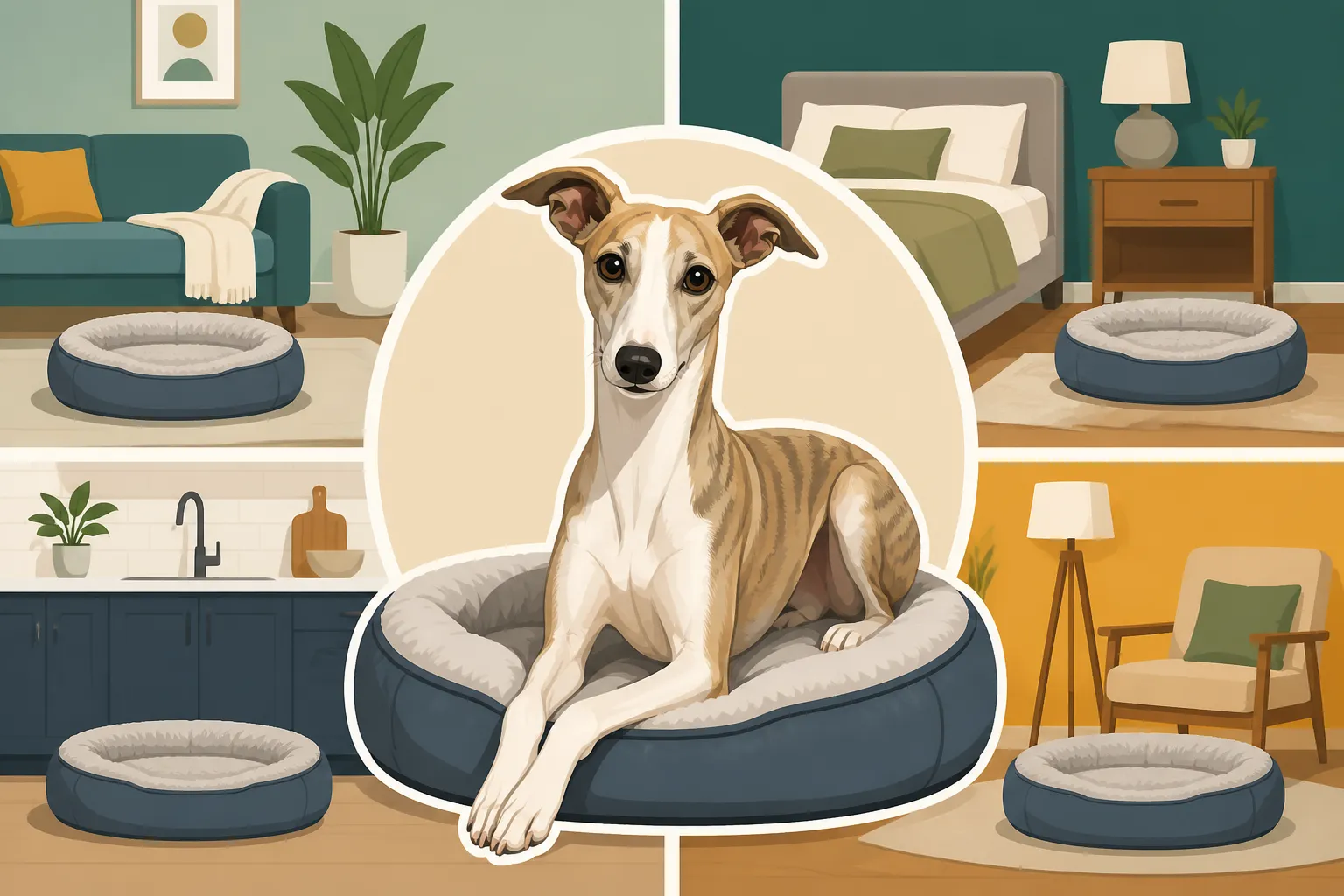
Whether a Whippet Needs a Bed in Every Room
If you live with a Whippet, you've undoubtedly noticed their uncanny ability to find the absolute coziest spot in any room, whether it's a sunbeam on a rug or tucked deep under a blanket on the sofa. This isn't just a quirk; it’s a fundamental need for comfort and warmth, and it often leads owners to wonder if their lean, sensitive companion truly needs a designated bed in every single room of the house.
The Whippet's Innate Need for Softness and Warmth
There’s a reason your Whippet seems to be constantly re-evaluating their resting arrangements, shifting from one soft spot to another, or burrowing under anything that offers warmth. It all comes down to their unique physiology and an inherent drive for comfort that often goes misunderstood by those unfamiliar with the breed.
Understanding Their Unique Anatomy
Whippets are magnificent creatures, built for speed and elegance, but their physical structure also makes them particularly vulnerable to discomfort on hard surfaces. Unlike many other breeds, Whippets possess incredibly minimal body fat. They just don't have that natural insulating layer or padding that would allow them to comfortably flop down on a hardwood floor or tile without a second thought. This lack of cushioning means that their prominent bones – their hips, elbows, hocks, and spine – are directly exposed to pressure when they lie down.
Think about lying on a hard floor yourself for an extended period. You'd quickly start to feel the pressure points, wouldn't you? For a Whippet, this sensation is amplified. Over time, prolonged pressure on these bony areas can lead to unsightly, and often painful, pressure sores or calluses. It's not just about aesthetics; these can become irritated, crack, or even get infected. This is precisely why articles like A Whippet Has No Insulation and No Padding and The Pressure Sores a Whippet Gets From Sleeping on the Floor delve into this crucial aspect of Whippet care. They're not being picky; they're genuinely seeking relief and protection for their delicate frames.
The Pursuit of Warmth
Beyond the need for softness, there's the undeniable fact that Whippets get cold, very cold, and very easily. Their short, fine coats offer little protection against chilly temperatures, even indoors. You'll often see them shivering, even when you feel perfectly comfortable. This isn't just them being dramatic; their low body fat means they struggle to regulate their body temperature effectively, especially when at rest.
Because of this, your Whippet will be constantly on the hunt for warmth. This might manifest as them seeking out sunbeams that stream through a window, curling up right next to a warm radiator, or, most commonly, diving under any available blanket, cushion, or even a pile of laundry. It’s an instinctive drive for self-preservation. Even a slight draft from a window or a cooler spot on the floor can send them scurrying for a warmer haven. Providing ample soft and warm bedding throughout your home directly addresses this fundamental physiological need, ensuring they can always find a cozy retreat away from the chill, which becomes even more critical as they age, as discussed in Whether an Old Whippet Feels the Cold More.
Is a Bed in Every Room a Luxury or a Necessity?
The idea of placing a bed in every room might seem excessive to some, a luxury reserved for pampered pets. However, when you understand the Whippet's needs and behavioral patterns, it quickly shifts from indulgence to a thoughtful, practical necessity for their well-being and your household harmony.
The Reality of Whippet Movement Patterns
Whippets are renowned for being "40-mph couch potatoes." They are capable of breathtaking bursts of speed and exhilarating sprints outdoors, but once they've burned off that energy, they transform into champion nappers. They truly love to be near their people. It's part of their sighthound nature; they bond deeply with their families and often act like furry shadows, following you from room to room as you go about your day.
If you move from the living room to your home office, your Whippet is highly likely to follow. If you then head to the kitchen for a snack, guess who's trailing behind? This constant desire to be in the same space as you means that if there isn't a comfortable, designated spot for them in each room you frequent, they'll make do with the next best thing – often a hard floor, a thin rug, or perhaps even trying to squeeze onto your spot on the sofa. By strategically placing comfortable spots, you're not just providing a bed; you're acknowledging their need for proximity and comfort simultaneously. This proactive approach ensures they can always settle down comfortably wherever you are, rather than pacing or trying to get your attention to find a better spot.
Preventing Joint and Bone Issues
While Whippets are generally a healthy breed, often living The Twelve to Fifteen Years a Whippet Lives, the long-term impact of sleeping on hard surfaces cannot be ignored. While they might not be predisposed to severe orthopedic issues like hip dysplasia in the same way some giant breeds are, constant, repetitive pressure on their delicate joints and bony areas can certainly contribute to discomfort and even accelerate the onset of age-related issues like arthritis.
Imagine years of their elbows and hips grinding against a hard floor every time they lie down. This can lead to chronic inflammation, joint pain, and stiffness, especially as they get older. Providing soft, supportive bedding throughout their lives can significantly mitigate these risks, offering crucial cushioning and support that protects their joints. For senior Whippets, in particular, proper bedding becomes even more critical. Older dogs often suffer from arthritis, and lying on hard surfaces can exacerbate their pain, making it difficult for them to get up and move around. Investing in good quality, supportive beds in various locations is an investment in their long-term health and comfort, making their golden years much more pleasant. This preventative care is touched upon in articles discussing Caring for an Old Whippet That Feels the Cold and Beds That Suit an Arthritic Whippet, emphasizing the importance of soft surfaces for their aging bodies.
Practical Strategies for Providing Ubiquitous Comfort
So, you're convinced your Whippet deserves comfort wherever they roam. But what does "a bed in every room" actually look like in practice? It doesn't necessarily mean buying a dozen expensive orthopedic beds. There are smart, practical, and even budget-friendly ways to ensure your Whippet always has a soft landing.
Different Types of "Beds" for Different Spaces
The key is variety and suitability for the specific room and its usage. A "bed" can take many forms beyond a traditional dog bed.
- Main Living Areas (Living Room, Family Room): These are often the hubs of activity, where you and your Whippet spend a good portion of your downtime. Here, a substantial, high-quality orthopedic dog bed is a fantastic investment. Look for one with memory foam or dense, supportive fill. Brands like those found on Chewy often offer a wide selection, allowing you to choose one that fits your decor and provides excellent support. A large dog pillow or even a specially designed sighthound bed with bolsters can also work wonders, offering a sense of security and a place to rest their head.
- Bedrooms: Whether your Whippet sleeps in your bed or has their own, a cozy spot in the bedroom is non-negotiable. If they join you on the bed, ensure there are plenty of blankets for them to burrow under – it's a quintessential Whippet trait, as highlighted in Why a Whippet Burrows Under the Covers. If they have their own bed, a plush, comfortable option is ideal. Consider a heated pad for extra warmth, especially if your bedroom tends to get chilly at night, as explored in Whether a Whippet Needs a Heated Pad.
- Office/Den: For rooms where you might spend a few hours working or reading, a less bulky option often makes sense. A thick, washable fleece mat or a soft sheepskin rug can be perfect. These are easily moved if you need to reconfigure the space and provide ample cushioning without being obtrusive. You might even find some great options for portable, roll-up mats on Amazon.
- Kitchen/Utility Areas: These areas might get more foot traffic or be prone to spills. A durable, washable mat (like a memory foam kitchen mat repurposed for your dog) can be a great choice. If your Whippet spends time in a crate, a deeply padded crate mat is essential. Remember, Why a Whippet Cannot Sleep on a Hard Floor applies just as much to the kitchen as it does to the living room.
- Travel/Crate: For car trips or vet visits, a portable, padded mat or a thick blanket is a must. This ensures their comfort and security in unfamiliar environments.
Creative, Cost-Effective Comfort Solutions
You don't need to break the bank to provide ubiquitous comfort. Sometimes, the simplest solutions are the best, especially for less-frequented rooms or as temporary additions.
- Layering with Old Duvets and Blankets: An old duvet, folded a few times, can create a surprisingly luxurious and supportive base. Cover it with a soft, washable blanket, and you have an instant, comfortable bed. Thrift stores are fantastic places to find affordable, clean blankets that can be layered for extra plushness. The beauty of this is that you can easily swap out the top layer for washing.
- Memory Foam Toppers: If you have an existing dog bed that's lost some of its loft, or even a designated spot on the floor you want to upgrade, a human-sized memory foam mattress topper (cut to size) can provide incredible support and cushioning at a fraction of the cost of a new orthopedic dog bed. Just be sure to cover it with a durable, washable fabric.
- Large Bath Mats or Laundry Mats: For quick stops or less intensive lounging, a thick, plush bath mat or a soft laundry mat can offer a decent amount of cushioning. These are usually machine washable, making them easy to keep clean.
The goal isn't just about having a bed; it's about having enough soft surfaces to accommodate your Whippet's natural inclination to follow you and find comfort wherever they are. This flexible approach ensures that whether you're relaxing on the sofa, cooking dinner, or working at your desk, your Whippet can be right there with you, enjoying their own personal cloud of comfort. For more ideas on outfitting your home, consider checking out How Many Beds a Whippet Needs in a House.
Here's a quick comparison of popular comfort solutions for your Whippet:
| Comfort Solution | Best For | Pros | Cons |
|---|---|---|---|
| Orthopedic Dog Bed | Main living areas, bedrooms | Excellent support, durable, stylish, many size options | Can be bulky, more expensive, harder to move |
| Large Dog Pillow | Living rooms, open spaces | Soft, cushioning, often washable | Can flatten over time, might lack deep orthopedic support |
| Washable Fleece Mat | Office, kitchen, travel, crate | Portable, easy to clean, versatile, affordable | Less padding, may shift on smooth floors |
| Stack of Old Blankets | Any room | Very soft, customizable, cheap, easy to replace | Can look messy, requires frequent washing, not structured |
| Memory Foam Topper | Existing dog bed or floor | Adds significant comfort and support, affordable upgrade | Not a standalone solution, can be warm |
The Benefits Beyond Just Physical Comfort
While the physical comfort and protection of their delicate bodies are paramount, providing a bed in every room offers a wealth of additional benefits that contribute to your Whippet's overall emotional well-being and seamlessly integrate them into your household. It’s about nurturing their sensitive nature and fostering a sense of belonging.
Enhancing Emotional Well-being and Security
Whippets are incredibly sensitive and often quite bonded to their primary caregivers. They thrive on proximity and a sense of security. Having a designated, comfortable spot in each room provides them with a feeling of safety and permanence, no matter where you are in the house. It's their space, a familiar scent and texture that they can retreat to. This sense of ownership and familiarity can significantly reduce anxiety, especially if your household is busy, has multiple pets, or if your Whippet is prone to being a bit nervous.
Imagine walking into a room and instantly knowing you have a safe, cozy place to relax. That's what you're providing for your Whippet. It allows them to feel settled and relaxed, rather than constantly searching for an acceptable spot or trying to squeeze into an uncomfortable corner just to be near you. Their quiet presence on their bed, eyes half-closed but still aware of your movements, speaks volumes about their contentment. This security contributes greatly to their overall happiness and emotional stability.
Managing Household Dynamics
Strategically placed beds can also be an excellent tool for managing household dynamics in a kind and gentle way. If you find your Whippet constantly trying to claim your favorite armchair, nudging you off the sofa, or making themselves comfortable on forbidden furniture, providing an equally, if not more, appealing alternative can work wonders.
Instead of constantly redirecting or correcting them, you're offering an attractive "yes" option. "Yes, you can be here with me in the living room, and here is your super cozy, warm, and supportive spot right next to me." This approach fosters cooperation rather than confrontation. It helps delineate boundaries without creating stress or confusion for your sensitive Whippet. They learn that they can be close to you and still respect the household rules regarding furniture. It creates a harmonious environment where everyone, human and canine, has their comfortable place, making daily life smoother and more enjoyable for the entire family. In essence, it's not about spoiling them; it's about understanding and meeting their unique needs, ensuring they are comfortable, secure, and a cherished part of your home.
Disclaimer
This article is for general informational purposes only and does not constitute professional advice. Laws, prices and regulations vary by location and change over time. Consult a qualified professional for guidance on your specific situation.