Whether a Whippet Needs a Life Vest
Many Whippet owners find themselves looking at a shimmering lake or a inviting pool, wondering if their sleek, athletic companion will revel in the water like other breeds. The truth is, while some Whippets might surprise you with their aquatic enthusiasm, many are far from natural swimmers, and worrying about their safety around water is a completely valid concern. This guide is here to help you understand your Whippet's relationship with water and whether a life vest is a smart addition to your doggy gear for peace of mind.
Why Whippets and Water Can Be a Tricky Mix
It’s easy to assume that any dog can swim, or that if they have long legs and are athletic on land, they'll be graceful in the water. But for Whippets, their unique physical characteristics and evolutionary history mean that water isn't always their friend. Understanding these factors is key to knowing how to best protect your lean, lovely companion.
Their Unique Body Structure and Buoyancy Challenges
Whippets are built for speed on land, not for buoyancy in water. They have a very distinct sighthound physique: deep chests, long slender legs, and incredibly little body fat. Unlike breeds with thick, insulating coats or stockier builds, a Whippet simply doesn't have the natural flotation devices other dogs possess. Think about it – a thick layer of fur or a more rotund frame helps some breeds stay afloat with less effort. Your Whippet, however, is designed to be lightweight and streamlined.
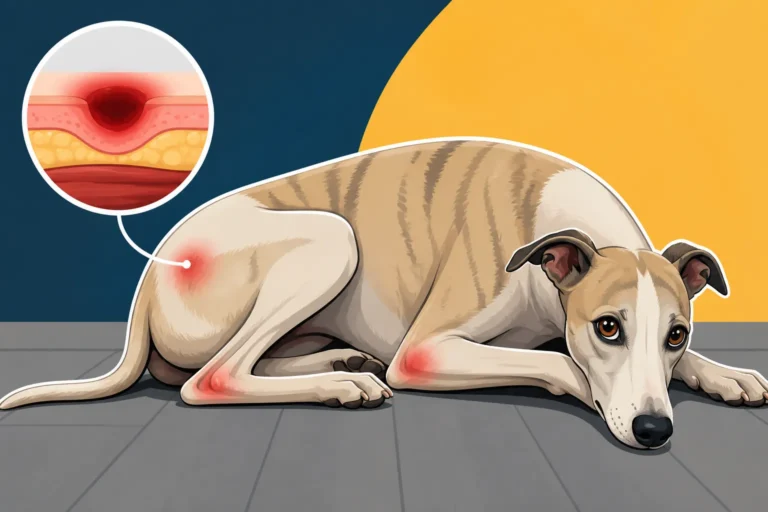
This lack of natural insulation and padding means they can struggle to stay buoyant, especially in deeper water. A Whippet Has No Insulation and No Padding, which impacts their ability to float without expending immense energy. They can become exhausted surprisingly quickly, even in calm water, because they're fighting to keep their body upright and their head above the surface. It's not that they can't paddle; it's that their body shape makes it an uphill battle, literally.
Aversion to Cold and Wet Conditions
Beyond the physical challenge, many Whippets just plain dislike being cold or wet. These are dogs who famously seek out sunbeams, burrow under blankets, and shiver at the mere hint of a chill. Their thin skin and minimal fat mean they feel the cold much more intensely than most dogs. Whether an Old Whippet Feels the Cold More becomes even more pertinent, as older Whippets can be even more sensitive.
Imagine dipping into chilly water when you're already predisposed to feeling cold – it's hardly appealing, is it? This inherent aversion can make them hesitant to enter water, and if they do, they might be more focused on getting out quickly than enjoying themselves. Raincoats and sweaters are staple items in a Whippet owner's closet for a reason, as The Wardrobe a Whippet Needs Because It Has No Body Fat makes clear. This same sensitivity applies to water activities. They might not enjoy the sensation of being wet and could shiver excessively, even if the water isn't freezing. This discomfort can lead to anxiety, making any water experience less safe and certainly less fun.
Risk of Injury and Panic
Whippets, despite their athletic prowess, have surprisingly delicate skin. The Thin Skin That Sends a Whippet to the Vet for Stitches is a real concern, and it's not just from running through brush. A frantic struggle in the water, trying to climb out of a pool or off a boat, could lead to skin tears or other injuries on unexpected surfaces.
Panic is another serious consideration. If a Whippet falls into water unexpectedly or is pushed into a situation they're uncomfortable with, their natural fight-or-flight instinct can kick in. This isn't just about their inability to swim well; it's about the potential for them to thrash uncontrollably, making it difficult for them or anyone trying to help them. A panicked dog can accidentally scratch or bite, and their struggle can quickly exhaust them further, increasing the risk of drowning. Even in a shallow pool, a moment of panic could lead to them ingesting too much water or struggling to find their footing. It's a distressing scenario that's best avoided by being prepared.
Assessing Your Whippet's Swimming Ability and Comfort
Not all Whippets are alike when it comes to water. While the general consensus is that they're not natural water dogs, individual personalities and early experiences play a huge role. Before you even think about a life vest, it's vital to truly understand your own dog's feelings about water.
Observing Their Natural Inclinations Around Water
Does your Whippet eye puddles with suspicion or playfully splash in them? Do they shy away from the hose or try to "catch" the stream? These small observations can give you big clues. Some Whippets might gingerly dip a paw in, curious but cautious. Others might turn tail and run at the sight of anything more than a drinking bowl.
If your Whippet shows genuine curiosity and seems interested in wading, start slow. Introduce them to very shallow water, perhaps a kiddie pool, or the edge of a calm lake where their feet can touch the bottom easily. Never force them. A negative first experience can cement a lifelong aversion to water. Look for relaxed body language – a wagging tail, loose ears, and confident steps. If they seem stiff, anxious, or try to escape, respect that. Not every dog needs to love swimming, and forcing it can erode trust. Pay attention to how quickly they settle back into their comfort zone after a water encounter, as How Quickly a Whippet Settles Indoors speaks to their general adaptability but also their potential for stress.
The Myth of "All Dogs Can Swim"
It's a common misconception that all dogs are instinctively good swimmers. While most dogs will naturally paddle when in water, "paddling" doesn't always equate to "swimming effectively and safely." For Whippets, as we've discussed, their unique build makes genuine, sustainable swimming difficult. They often struggle with maintaining proper body position in the water, tending to swim vertically rather than horizontally, which makes their efforts inefficient and tiring.
Why a Whippet Sinks is a topic many sighthound owners understand intimately. Their heavy musculature combined with low body fat can literally pull them downwards. They might paddle furiously, but without much forward momentum, and their hindquarters might sink, making them less efficient and more prone to tiring out quickly. It's a crucial distinction between a dog that can stay above water for a moment and one that can actually navigate and enjoy an aquatic environment safely. Relying solely on the "all dogs can swim" myth can put your Whippet in a dangerous situation.
When to Consider a Life Vest Essential
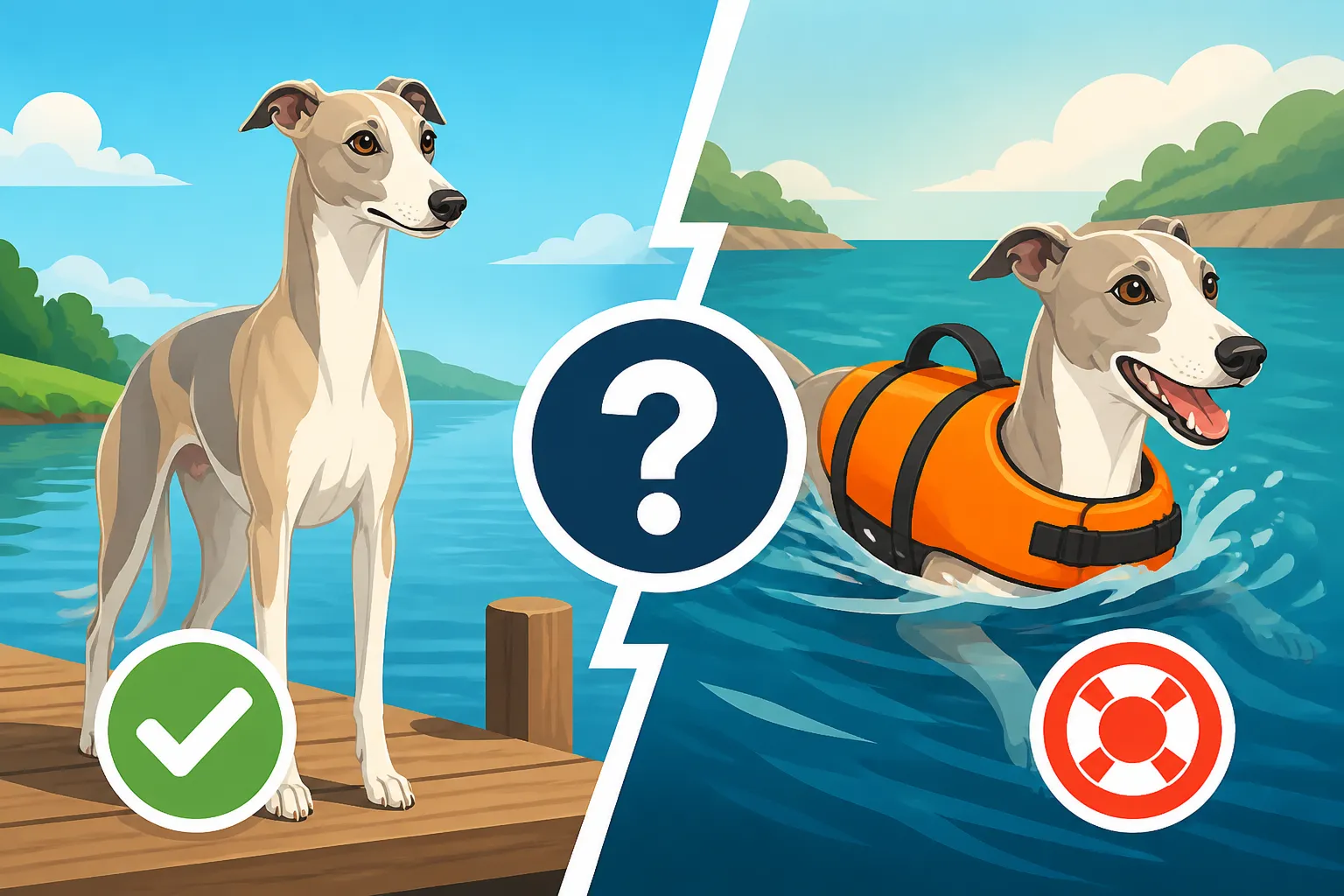
If your Whippet shows any inclination towards water, or if you plan to be near water at all, a life vest quickly moves from an option to an essential piece of equipment. This is especially true if you enjoy activities like boating, paddleboarding, or even just walks near rivers or lakes where an accidental fall could occur. Even if your Whippet seems like a decent paddler, fatigue can set in rapidly, or an unexpected current or wave could overwhelm them.
For older Whippets, whose strength and coordination might not be what they once were, a life vest provides crucial support. Caring for an Old Whippet That Feels the Cold often involves thinking about their physical comfort and safety, and buoyancy support is a big part of that. A life vest can also be a game-changer for a Whippet who wants to enjoy the water but struggles physically. It allows them to experience the joy of splashing and playing without the constant exertion of fighting to stay afloat, turning a potentially stressful experience into a fun one. Think of it as a confidence booster and a safety net rolled into one.
The Benefits of a Life Vest for Your Whippet
A life vest isn't just a piece of safety equipment; it's an enabler. For a breed like the Whippet, it can transform a potentially risky or unpleasant encounter with water into a safe and even enjoyable one. It brings peace of mind for you and enhanced freedom for your dog.
Enhanced Buoyancy and Reduced Fatigue
The primary and most obvious benefit of a life vest is the incredible boost in buoyancy it provides. By keeping your Whippet's body properly aligned in the water – specifically, preventing their hindquarters from sinking – it allows them to paddle more efficiently. This dramatically reduces the amount of effort they need to expend just to stay afloat.
When your Whippet doesn't have to fight gravity in the water, they can swim longer without becoming exhausted. This means safer play in the lake, more relaxed sessions in the pool, or simply more security if they accidentally fall overboard during a boat trip. For Whippets who have Why a Whippet Sinks due to their build, a vest directly addresses this challenge. It allows them to truly swim, propelling themselves forward, rather than just struggling to tread water. This can lead to a much more positive association with water, transforming a fearful or exhausting experience into a pleasurable one.
Increased Visibility and Easy Retrieval
Most quality dog life vests come in bright, high-visibility colors like neon orange, yellow, or pink, often with reflective strips. This isn't just a fashion statement; it's a critical safety feature. If your Whippet is in the water, especially in open, moving water or low light conditions, being able to spot them quickly can be the difference between a minor scare and a serious emergency. Imagine them drifting away from a boat or getting caught in a current – those bright colors make them far easier to locate.
Beyond visibility, nearly all dog life vests feature a sturdy grab handle on the back. This handle is an absolute lifesaver. If your Whippet needs assistance getting out of the water, whether it's pulling them back onto a boat, helping them out of a steep-sided pool, or guiding them ashore, that handle provides a safe and secure way to lift or direct them. Trying to grab a slippery, potentially panicking dog without a handle can be difficult and even dangerous for both of you. This retrieval feature alone makes a life vest an invaluable piece of gear.
Building Confidence and Positive Water Experiences
For a Whippet who is hesitant or even fearful of water, a life vest can be a fantastic tool for building confidence. When they realize they can enter the water and stay afloat with minimal effort, their anxiety can significantly decrease. This newfound sense of security can encourage them to explore and enjoy water activities they might have previously shunned.
A positive experience in the water, supported by a vest, can start to change their perception. Instead of associating water with struggle and cold, they might begin to associate it with fun and play. This is especially important for puppies or young Whippets during their socialization period. Early positive experiences, even with a vest, can prevent a lifelong aversion. Socializing a Whippet Puppy should include safe and positive introductions to various environments, and water, with a life vest, can be one of them. It's about letting them explore safely, not about turning every Whippet into a water dog, but giving those who want to dabble the ability to do so without undue risk.
Choosing the Right Life Vest for Your Whippet
Selecting the perfect life vest isn't just about picking the prettiest color; it's about ensuring a secure fit, ample buoyancy, and features that enhance safety and comfort specifically for your Whippet's unique physique.
Importance of Proper Fit and Sizing
A life vest is only effective if it fits correctly. A vest that's too loose can slip, ride up, or even come off in the water, defeating its purpose entirely. One that's too tight can chafe, restrict movement, and cause discomfort, making your Whippet even more reluctant to wear it. Given a Whippet's deep chest and narrow waist, finding the right fit can sometimes be a challenge.
When trying on a vest, pay close attention to the following:
- Neck Opening: It should be snug enough not to allow your Whippet to slip out but loose enough for comfortable breathing.
- Chest Strap: This is crucial. It should fit snugly around the deepest part of their chest. Many brands offer adjustable straps here, which is ideal for a Whippet's unique build.
- Belly Straps: Often, these go around the narrower part of their abdomen. Ensure these are secure, preventing the vest from rotating or riding up.
- Length: The vest should cover most of their back without extending so far back that it interferes with their hind leg movement.
Always measure your Whippet before buying. Most manufacturers provide sizing charts based on chest girth, neck circumference, and sometimes weight. Don't just guess! A well-fitting vest will stay in place, provide maximum buoyancy, and allow your Whippet to move freely. Online retailers like Chewy and Amazon typically have detailed sizing guides and customer reviews that can help you select the right size.
Key Features to Look For
Beyond fit, several features can enhance the utility and safety of a Whippet life vest:
- Buoyancy Material: Look for vests with ample flotation foam, distributed evenly. Some vests might have more flotation around the neck to help keep their head above water, which can be particularly beneficial for a Whippet.
- Grab Handle: As mentioned, a sturdy handle on the back is non-negotiable for easy retrieval. Make sure it feels strong and is well-stitched.
- High-Visibility Colors & Reflective Strips: Bright colors like neon yellow, orange, or pink, combined with reflective accents, significantly increase your dog's visibility in and around water, especially in low light or choppy conditions.
- D-Ring for Leash Attachment: While not all vests have this, it can be a convenient feature for securing your Whippet immediately after exiting the water or for keeping them on a long line in supervised shallow areas.
- Adjustability: Multiple adjustable straps with durable buckles are essential for getting that perfect, secure fit for a Whippet's unique build.
- Durable Materials: Choose vests made from strong, quick-drying materials that can withstand water exposure and potential abrasion.
Popular Brands and Where to Buy
Many reputable pet brands offer excellent life vests designed with dog anatomy in mind. While I can't recommend specific models or price points, I can tell you that brands often found on platforms like Chewy and Amazon are known for their range and quality. You'll find options from general pet supply brands to those specializing in outdoor gear.
When you're browsing, read customer reviews, especially those from owners of deep-chested or lean breeds if available. They often provide valuable insights into how the vest fits different body types. Buying from major retailers like Chewy or Amazon also typically provides easier returns if the fit isn't quite right. While Ollie is known for fresh dog food, you might find accessories there or through similar specialty pet boutiques that curate high-quality outdoor gear. Investing in a good quality life vest is truly an investment in your Whippet's safety and your peace of mind.
| Feature | Benefit for Whippets | Why It Matters |
|---|---|---|
| Ample Buoyancy | Counteracts their tendency to sink, reducing fatigue. | Their low body fat and heavy muscles make them less naturally buoyant. |
| Deep Chest Design | Accommodates their prominent chest without restricting movement. | Standard vests can be too shallow or tight across a Whippet's deep chest. |
| Adjustable Straps | Ensures a snug fit around chest and slender waist. | Prevents slipping or chafing on their unique body shape. |
| Grab Handle | Allows for easy, safe retrieval from water. | Essential for assisting a struggling or tired Whippet back to safety. |
| High-Visibility Color | Makes them easy to spot in water or from a distance. | Critical for safety, especially in open water or emergency situations. |
| Soft, Non-Chafing Material | Protects their thin, delicate skin from irritation. | Whippets have sensitive skin that can easily be rubbed raw by harsh materials. |
Maintaining Your Whippet's Life Vest
Just like any piece of essential gear, a life vest needs a little care to ensure it remains effective and lasts for many adventures. Proper maintenance ensures the vest is always ready when you need it most.
Cleaning and Storage Best Practices
After every use, especially in saltwater or chlorinated pools, it’s important to rinse the life vest thoroughly with fresh water. This helps remove salt, chlorine, dirt, and any debris that could degrade the fabric or buckles over time. Pay special attention to the straps and buckles, ensuring no grit is lodged within the mechanisms.
Once rinsed, hang the vest to air dry completely in a well-ventilated area, away from direct sunlight. Direct sunlight can weaken materials and fade colors over time. Never put it in a dryer, as high heat can damage the flotation foam and fabric. Once dry, store the vest in a clean, dry place. Avoid cramming it into a tight space, as this can compress the foam and reduce its buoyancy over time. Proper cleaning and storage will extend the life of the vest and keep it hygienic for your Whippet.
Checking for Wear and Tear
Before each use, quickly inspect the life vest for any signs of wear and tear. This includes:
- Fabric Integrity: Look for rips, tears, fraying, or thinning patches. Any compromised fabric could reduce buoyancy or lead to the vest failing.
- Stitching: Check all seams and points where straps attach to the vest. Loose or broken stitching can indicate a weak point.
- Buckles and Clasps: Ensure all buckles snap securely into place and are not cracked, bent, or stiff. Test the adjusters to make sure they hold the straps firmly.
- Flotation Material: Gently squeeze the foam sections. They should feel firm and resilient. If they feel lumpy, compressed, or waterlogged, the buoyancy might be compromised.
- Grab Handle: Give the grab handle a tug to ensure it’s securely attached and not showing signs of fraying or weakness.
Regular checks are vital. Even a small tear or a faulty buckle could render the vest ineffective in an emergency. If you notice significant wear, it's time to consider replacing the vest. Your Whippet's safety isn't something to compromise on.
Disclaimer
This article is for general informational purposes only and does not constitute professional advice. Laws, prices and regulations vary by location and change over time. Consult a qualified professional for guidance on your specific situation.