A Whippet Has No Insulation and No Padding
Many new Whippet owners quickly realize their elegant companions aren't quite like other dogs. With their incredibly fine coats and almost non-existent body fat, Whippets lack the natural insulation and padding most breeds enjoy, leading to a host of unique challenges. This guide will dive deep into understanding your Whippet's delicate physique and provide practical strategies for keeping them comfortable, warm, and safe from common issues that arise from their unique anatomy.
Understanding the Whippet's Unique Physique
It’s easy to look at a Whippet and marvel at their sleek lines, their incredible musculature visible beneath a coat that seems barely there. But for those of us who share our homes with these magnificent sighthounds, this physical marvel comes with a set of distinct care requirements. Unlike many other breeds with thick double coats or ample subcutaneous fat, Whippets are built for speed and agility, not insulation. This means they experience the world, and especially temperature, very differently.
The Purpose Behind Their Lean Build
The Whippet’s streamlined physique is a testament to centuries of selective breeding for speed. They were developed to be "the poor man's racehorse," agile enough to chase game or compete in rag racing. Every aspect of their body, from their deep chest to their powerful hindquarters, is optimized for bursts of incredible velocity. This includes their minimal body fat and very short, fine single coat. Think of them as high-performance athletes; unnecessary weight or bulk would hinder their ability to reach top speeds and make quick turns. Their metabolism is also geared towards short, intense activity followed by deep rest, which doesn't lend itself to storing significant fat reserves.
This lean structure isn't a design flaw; it's a feature. However, it’s a feature that demands a bit more thoughtful care from their human companions. What makes them magnificent on the track or in the field means they aren't equipped to handle cold weather, hard surfaces, or even minor bumps and scrapes with the same resilience as, say, a Labrador or a Great Pyrenees. We have to compensate for what nature (or rather, selective breeding) omitted in their thermal and physical protection.
How Genetics Contribute to Their Lack of Fat
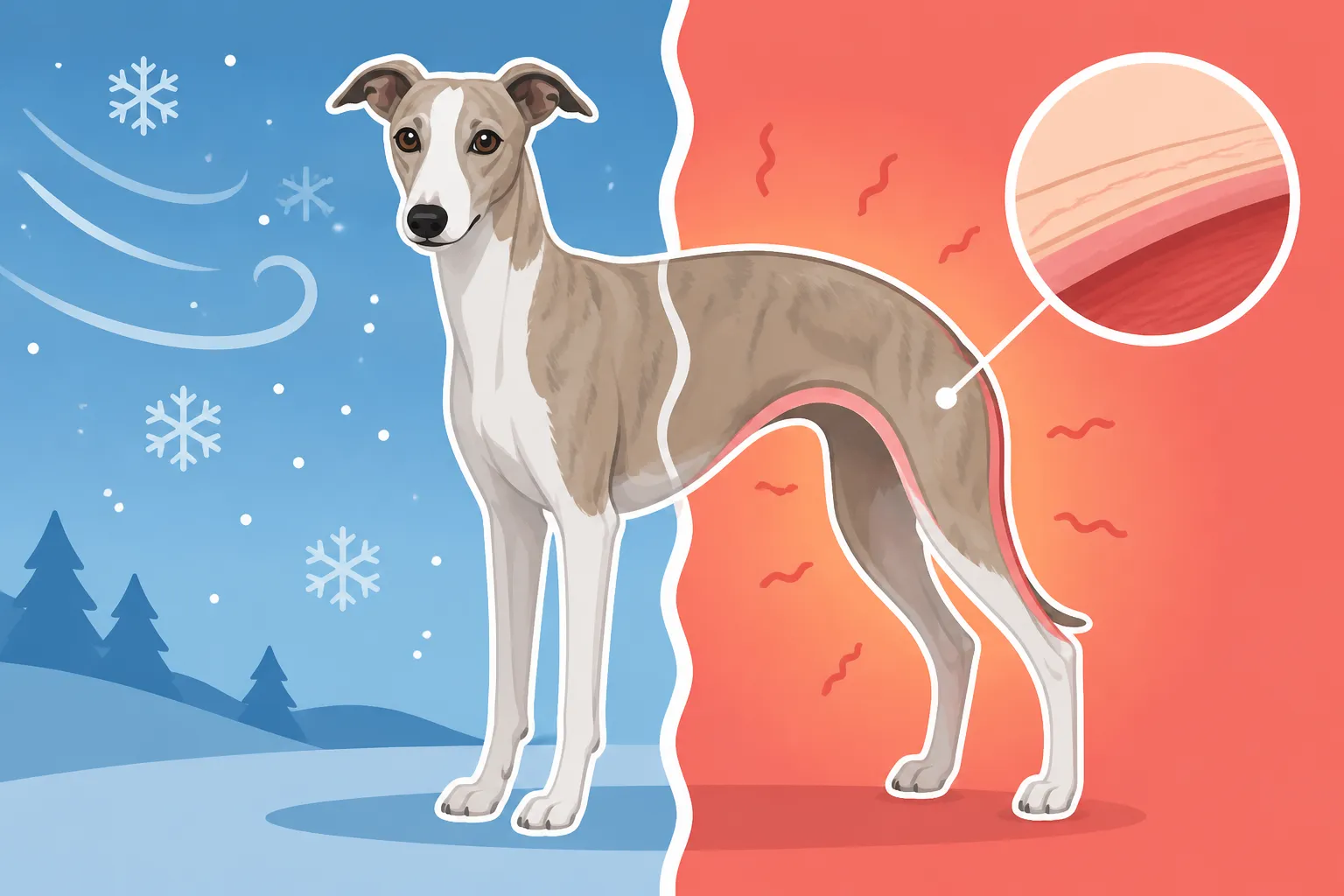
The very genetics that give a Whippet its distinctive sighthound shape also contribute to their lack of body fat. Why a Whippet Has So Little Body Fat isn't just about their diet or exercise; it's fundamental to their breed. While many dogs carry a layer of insulating fat under their skin, Whippets simply don't have that biological predisposition. Their skin often lies very close to their muscle, with minimal adipose tissue in between. This is why you can often see the ripple of their muscles and the clear outline of their ribs, even when they are at a perfectly healthy weight.
It’s not just about fat, either. Their single coat, which is incredibly short and fine, offers almost no thermal protection. It’s effective in shedding dirt and drying quickly, which is great for hygiene, but it's a far cry from the insulating layers found on Nordic breeds or even many common household pets. This genetic makeup means we, as owners, need to be hyper-aware of their environmental needs, understanding that a breezy day for us might feel like a biting wind to them.
A Comparison: Whippets vs. Other Breeds
To truly appreciate a Whippet's unique challenges, it helps to consider them in contrast to other common dog breeds. Imagine a Husky, built for Siberian winters with a dense double coat and a layer of fat, or a Bulldog with its stocky build and thick skin. These breeds have natural defenses against the elements and physical impacts. A Whippet, on the other hand, is closer in build to a deer or a gazelle – sleek, delicate, and built purely for speed.
This comparison isn't meant to diminish other breeds, but to highlight the Whippet's specific needs. When you see a Whippet shivering indoors on a chilly evening, it's not simply being "dramatic" or "needy"; it's genuinely cold because its body isn't designed to retain heat effectively. Their low body fat means less internal insulation, and their fine coat allows heat to escape rapidly. This intrinsic difference means that our approach to their care, from bedding to clothing to injury prevention, must be tailored specifically to their sighthound physiology.
The Everyday Realities of Minimal Insulation
Living with a Whippet means consistently factoring in their delicate nature. Their lack of insulation isn't just a fun fact; it dictates much of their daily comfort and our routine as owners. From bracing against a cool breeze on a walk to finding the perfect spot on the sofa, their body temperature and physical comfort are constant considerations.
Battling the Cold: Indoors and Out
It's a common sight for Whippet owners: a seemingly mild day can have your dog shivering uncontrollably, ears tucked, and tail clamped. Outdoors, this is immediately apparent. Even temperatures that feel pleasant to us, say in the low 60s Fahrenheit (around 15-18 Celsius), can necessitate a coat for a Whippet, especially if they aren't actively running. Once the mercury dips lower, a robust, insulating jacket becomes absolutely essential. The Temperature at Which a Whippet Needs a Coat is often much higher than you'd expect for most dogs.
But the battle against cold isn't limited to outdoor excursions. Many Whippets feel the chill inside the house, even with the thermostat set to a comfortable human temperature. Drafts from windows, cold floors, or simply sitting still can lead to shivering. This is why you'll often find them burrowing under blankets, snuggling deep into duvets, or seeking out sunbeams. Providing a warm, cozy environment indoors isn't a luxury for a Whippet; it's a necessity for their well-being. Failing to keep them warm can lead to discomfort, restlessness, and a general lack of enjoyment in their everyday life.
The Vulnerability of Their Delicate Skin
Beyond temperature regulation, the Whippet's thin skin and lack of underlying fat make them surprisingly delicate. Their skin is finely textured and often quite translucent, especially on their bellies and inner legs, allowing you to see veins beneath. While beautiful, this also means it's incredibly prone to injury. A simple brush against a thorny bush, a playful nudge against a sharp corner of furniture, or even a minor scratch can result in a deep laceration that would barely bother a thicker-skinned dog.
The phrase The Thin Skin That Sends a Whippet to the Vet for Stitches is a stark reality for many Whippet owners. What might be a superficial scrape for another breed can be a trip to the emergency vet for a Whippet, potentially requiring significant veterinary attention and cost. This vulnerability means constant vigilance is needed. We learn to scan our yards for potential hazards, choose walking paths carefully, and even pad sharp edges in our homes. It's a frustration many new owners aren't prepared for, realizing their graceful athlete is also unexpectedly fragile in daily encounters.
Prone to Pressure Sores and Bumps
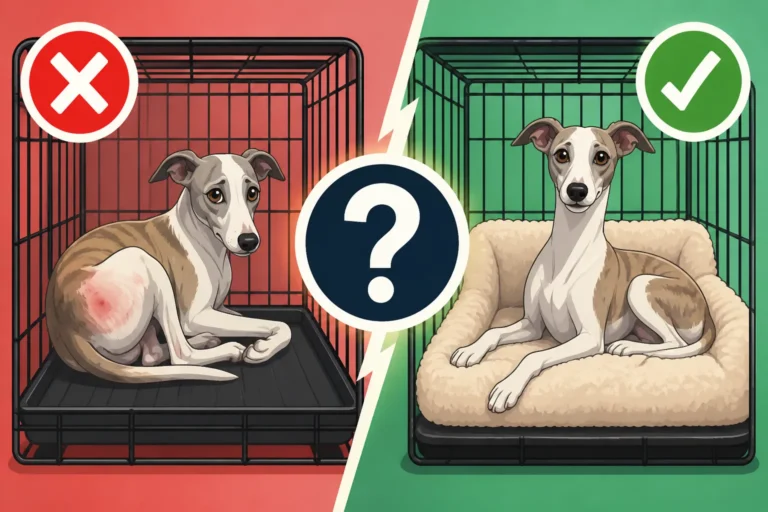
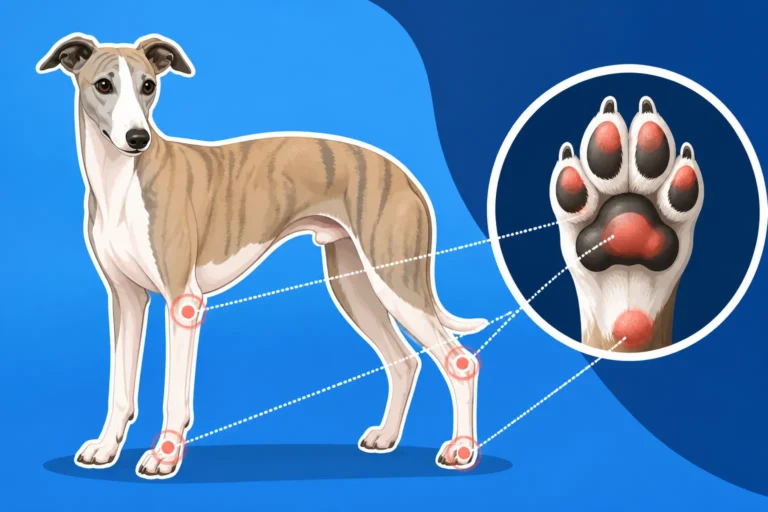
Another significant issue stemming from their lack of padding is the propensity for pressure sores and calluses. Imagine lying on a hard floor without any cushion – our bones would start to ache. For a Whippet, with their prominent joints and minimal flesh covering them, this is an even greater concern. The Pressure Sores a Whippet Gets From Sleeping on the Floor are a common problem if adequate soft bedding isn't provided. Their elbows, hocks, and hips are particularly susceptible.
These areas can develop thick, unsightly calluses as the skin tries to protect itself from constant friction and pressure. In more severe cases, the skin can break down, leading to painful sores and even infections. This isn't just about comfort; it's about preventing chronic skin problems. It's why many Whippet owners become connoisseurs of dog beds, blankets, and plush surfaces, turning their homes into soft obstacle courses designed for canine comfort. Even minor bumps against walls or furniture can leave surprisingly visible bruises or temporary tender spots on their thinly padded bodies.
Essential Wardrobe: More Than Just Fashion
If you own a Whippet, you'll soon discover their closet often rivals, or even surpasses, your own. What might seem like an indulgence to an outsider is, for a Whippet owner, an absolute necessity. Their lack of natural insulation means that a carefully curated wardrobe isn't just about looking cute; it's fundamental to their health and comfort.
Choosing the Right Coats for Different Conditions
Just like us, a Whippet needs different layers for different weather conditions. A lightweight fleece might be perfect for a brisk autumn walk, providing just enough warmth without overheating. But once winter truly bites, a heavier, waterproof, and insulated coat becomes indispensable. Look for coats specifically designed for sighthound breeds, as their deep chests and narrow waists make fitting off-the-rack coats a challenge. A well-fitting coat should cover their back from neck to tail base and ideally provide some coverage for their belly and chest.
Many reputable brands offer excellent options, and online retailers like Chewy and Amazon have a wide selection of coats to explore. I've found that having a selection, from lighter raincoats to heavy winter parkas, allows for optimal comfort no matter what the weather throws at us. Don't forget reflective elements for evening walks, as their dark colors can blend into the night. Ultimately, The Wardrobe a Whippet Needs Because It Has No Body Fat is a practical investment in their well-being, keeping them happy and healthy on their outdoor adventures.
Indoor Attire for Comfort and Warmth
The need for warmth doesn't disappear once you step indoors. Many Whippets genuinely appreciate a light sweater or a pair of pajamas inside the house, especially during cooler months or if your home tends to be on the cooler side. You'll often see them gravitate towards these garments, visibly relaxing once they're snuggled up. This is particularly true for older or less active Whippets who generate less body heat.
Soft, breathable fabrics like fleece or cotton blends are ideal for indoor wear. They provide a gentle layer of warmth without causing overheating, which can be just as uncomfortable as being too cold. A light fleece 'onesie' can also protect their delicate skin from minor scrapes if they love zooming around the house. It's all about providing that extra layer of comfort that their body simply can't produce on its own. Observing your Whippet's behavior will tell you everything; if they're shivering, seeking blankets, or curling up tightly, they're likely telling you they could use an extra layer.
The Importance of Snoods and Foot Protection
While coats cover the body, other areas are often overlooked. Whippets have relatively thin ears that can get surprisingly cold in chilly or windy weather. A snood – essentially a fabric tube that covers their head and neck – can make a world of difference, especially for those with longer ears that are more exposed. They're particularly useful for preventing cold ears during winter walks or even just for an extra layer of coziness during naps.
Their paw pads, while tough, can also be vulnerable to extreme temperatures. Hot pavement in summer can burn them, and icy ground or road salt in winter can cause cracks and irritation. While not all Whippets tolerate boots, some owners find them invaluable for protecting paws in harsh conditions. Even if boots aren't an option, a good paw balm can help moisturize and protect their pads. Just remember to introduce any new apparel gradually and with plenty of positive reinforcement, as some Whippets can be sensitive to things on their feet.
Creating a Haven: Beds, Blankets, and Comfort
If you’ve ever walked into a Whippet owner’s home, you’ll likely notice a recurring theme: soft places. Lots of them. From beds in every room to piles of blankets on the sofa, creating a comfortable, padded environment is paramount for these lean, bony dogs. It's not just about spoiling them; it's about protecting their joints and delicate skin.
Why Soft Bedding is Non-Negotiable
For a Whippet, a hard floor is simply not an option for extended rest. Their minimal body fat and prominent bones mean that lying on an unpadded surface quickly becomes uncomfortable and can lead to long-term issues. Imagine trying to sleep on a concrete slab; that's roughly what it feels like for a Whippet on a bare floor. This is why Why a Whippet Cannot Sleep on a Hard Floor is such a critical piece of advice for new owners. They need deep, plush cushioning that conforms to their body and distributes their weight evenly.
Investing in high-quality dog beds is not an extravagance; it's a health necessity. Orthopedic beds with memory foam or thick, supportive fill are excellent choices. They provide the cushioning needed to protect their joints and prevent the development of pressure sores. Place beds in all their favorite resting spots – by the window, in a quiet corner, near your desk. Providing multiple options ensures they always have a comfortable retreat, no matter where they decide to settle down.
Preventing Pressure Calluses and Sore Spots
Without adequate padding, a Whippet's elbows, hocks, and hips are particularly vulnerable to developing unsightly and potentially painful calluses. These are essentially thickened areas of skin that form in response to repeated pressure and friction. While they start as a cosmetic issue, they can crack, bleed, and even become infected if not managed. This is where those soft beds come in.
Beyond beds, consider soft throws on sofas and chairs, and thick mats in crates or travel carriers. Anywhere your Whippet habitually rests needs some form of cushioning. Regular checks of their prominent joints can help you spot the early signs of callus formation. If you notice any redness, dryness, or hardening of the skin, increase the padding in that area and consult your vet for advice on moisturizing treatments. Prevention is key here, and a consistently soft environment is your best defense.
The Joy of Burrowing: Blankets Galore
Whippets are notorious burrowers. It’s not just a cute quirk; it’s an instinct driven by their need for warmth and security. A pile of soft blankets is like a luxury spa for a Whippet. They will knead, dig, and ultimately disappear into the folds, creating a warm, cozy den where they feel safe and insulated. Providing a generous supply of blankets—think fleece throws, old duvets, or even specialized dog blankets available from places like Amazon or Chewy—will be greatly appreciated.
This instinct to burrow serves multiple purposes. It helps them regulate their body temperature, especially when feeling chilly. It also provides a sense of security, mimicking the feeling of being in a den. Don't be surprised to find your Whippet completely hidden under a mountain of fabric, only to emerge, warm and sleepy, a while later. Embrace the blanket obsession; it's a simple yet effective way to cater to their natural needs and ensure their ultimate comfort.
Fueling the Sighthound: Nutrition for a Lean Machine
Feeding a Whippet isn't just about throwing kibble in a bowl; it's about understanding their unique metabolic needs. Their lean musculature and high activity levels, despite their "40-mile-an-hour couch potato" reputation, mean their diet plays a crucial role in maintaining their ideal weight, healthy skin, and overall vitality.
Maintaining a Healthy Weight Without Overfeeding
The biggest challenge with a Whippet's diet is often finding that sweet spot between too thin and overweight. Because their ribs are naturally visible, many well-meaning strangers might comment that your Whippet looks underweight. However, How Thin a Whippet Should Look is often leaner than what's considered "normal" for other breeds. You should typically be able to see the last two or three ribs, and their hip bones might be subtly visible, but they shouldn't be protruding sharply. Feeling their ribs should be easy, like running your hand over knuckles, rather than feeling a thick layer of fat.
Overfeeding, even slightly, can quickly lead to an overweight Whippet, which puts unnecessary strain on their delicate joints and can impact their speed and athleticism. Conversely, underfeeding leaves them vulnerable to cold and lacking energy. A high-quality kibble with moderate protein and fat is usually appropriate. Brands like Ollie, which offer fresh, human-grade food, can be an excellent option for palatable and nutrient-dense meals if your Whippet is a picky eater or struggles to maintain weight. Always follow feeding guidelines on your chosen food and adjust based on your dog's individual activity level, checking their body condition regularly.
The Role of Diet in Skin and Coat Health
A Whippet's diet plays a vital role in the health of their fine, delicate skin and sleek coat. Because their skin is so exposed, any nutritional deficiencies or imbalances can manifest quickly as dryness, flakiness, or dullness. Essential fatty acids, particularly Omega-3s and Omega-6s, are crucial for maintaining skin elasticity and a healthy barrier function. Look for dog foods that include sources like fish oil, flaxseed, or sunflower oil.
Some owners also choose to supplement with a little extra fish oil, which can contribute to a lustrous coat and supple skin, potentially making it a bit more resilient. However, always discuss supplements with your vet to ensure appropriate dosing and to avoid any adverse interactions. A healthy gut also contributes to overall skin health, so a diet that supports good digestion is beneficial. Good nutrition provides the building blocks for healthy cells, helping to minimize issues with their already delicate skin.
Hydration and Warmth: A Critical Connection
While perhaps not immediately obvious, proper hydration is also intertwined with their ability to regulate temperature and maintain skin health. A well-hydrated dog is better equipped to handle both heat and cold. Ensuring your Whippet always has access to fresh, clean water is fundamental. This becomes even more important if they are active or if you live in a drier climate.
When they are cold, their body attempts to conserve heat, and dehydration can hinder this process. Similarly, if they are wearing coats, it's essential they don't overheat, and good hydration helps their body manage internal temperatures. For those finicky drinkers, sometimes adding a little water or broth to their food, or offering a water fountain, can encourage increased intake. A healthy, hydrated Whippet will have better skin elasticity and overall better resilience to the environmental factors that challenge their delicate physique.
Common Misconceptions and What "Thin" Really Means
One of the most frustrating aspects of owning a Whippet is the constant barrage of comments from well-meaning, yet misinformed, strangers about their weight. It's tough to hear "Is that dog eating enough?" or "That poor thing looks starved!" when you know you're providing excellent care and your Whippet is at a perfectly healthy weight for its breed.
Educating Others About Your Whippet's Ideal Weight
This is where you become an advocate for your breed. Most people are accustomed to seeing dogs with more body fat and thicker coats. They expect to see no ribs at all, and a full, rounded appearance. Feeling a Whippet's Ribs and Hip Bones should confirm that a certain degree of leanness is normal. A healthy Whippet will have its last two to four ribs visible, and its waist should tuck up significantly. The hip bones might be slightly visible, but not sharply protruding. Their spine should be palpable but not prominent and bony.
When confronted with comments, a polite and informative response is often best. Explain that Whippets are sighthounds, bred for speed, and naturally very lean. You can mention that their ideal body condition is intentionally different from many other breeds. Sometimes, a quick explanation about their athletic build and the importance of a trim physique for their health can turn a critical comment into an educational moment. Most people genuinely don't understand and are simply reacting to what they perceive as unusual.
When Thin Becomes Too Thin: Recognizing the Signs
While lean is good, genuinely too thin is a problem. It’s a fine line, and knowing the difference is crucial. A Whippet that is truly underweight will have all its ribs, spine, and hip bones starkly visible, often with hollows around the temples and visible pelvic bones. Their muscles might appear wasted, and they might lack energy. When a Whippet Is Genuinely Too Thin will be evident not just in their appearance but in their overall demeanor.
If your Whippet is genuinely too thin, it's essential to consult your veterinarian. There could be underlying health issues, such as parasites, dental problems, malabsorption, or other medical conditions, contributing to weight loss. Your vet can rule out medical causes, advise on dietary adjustments, and help you formulate a plan to safely put weight on your dog. It's never just about quantity of food; it's about the right quality and addressing any health concerns.
Addressing the "Are You Feeding Your Dog?" Question
It’s an annoying question, often delivered with a judgmental tone, and it can really grate on your nerves. However, it's a very common experience for Whippet owners. This question stems directly from the visual shock of their leanness compared to the average pet dog. It's a prime example of the societal expectation that a healthy dog should have some "meat on its bones."
The best approach is usually a calm and confident one. A simple, "Yes, thank you for your concern. Whippets are sighthounds, and this is a healthy weight for their breed, built for running," is often sufficient. You don't need to justify your care; you just need to educate. Over time, you'll develop a thick skin (unlike your Whippet!) to these comments, realizing they usually come from a place of ignorance rather than malice. It's a small price to pay for the joy of sharing your life with such a magnificent and unique companion.
Here's a quick reference for body condition:
| Feature | Too Thin | Ideal Whippet Condition | Overweight |
|---|---|---|---|
| Ribs | All easily visible, no fat cover | Last 2-4 ribs visible, easily felt | Not visible, hard to feel |
| Spine | Prominent, bony, no muscle mass | Palpable, not prominent, some muscle cover | Covered by fat, difficult to feel |
| Hip Bones | Very prominent, sharp | Slightly visible or easily felt | Covered by fat |
| Waist | Extreme tuck, hollow flanks | Distinct, deep tuck | Minimal or no tuck, barrel-shaped |
| Overall Look | Emaciated, muscle wasting | Lean, athletic, graceful | Rounded, heavy, lack of definition |
Special Care for Aging Whippets
As our beloved Whippets transition into their senior years, their lack of natural insulation and padding becomes an even more pressing concern. The changes that come with age, such as decreased muscle mass and slower metabolism, exacerbate their inherent sensitivities, requiring us to adjust our care routines. The Age a Whippet Counts as a Senior usually starts around 8-9 years old, and that's when you might start noticing these changes.
Increased Sensitivity to Cold in Senior Years
Older Whippets often feel the cold more acutely than their younger counterparts. Their metabolism naturally slows down, meaning they generate less internal body heat. Muscle mass, which provides some insulation, can also diminish with age, leaving their bones even more exposed. This translates to an even greater need for warmth, both indoors and out. You might find your senior Whippet seeking out warm spots more frequently, shivering at temperatures they used to tolerate, or becoming less willing to venture out for walks on cooler days.
This increased sensitivity means stepping up their wardrobe game. They might need an extra layer even inside the house, perhaps a thicker blanket for naps, or even a heated bed for those particularly chilly nights. Caring for an Old Whippet That Feels the Cold involves being extra vigilant about drafts, ensuring their sleeping areas are consistently warm, and making sure their outdoor coats are up to the task of providing maximum insulation. Prioritizing their warmth contributes significantly to their comfort and quality of life in their golden years.
Managing Joint Discomfort with Extra Padding
With age, many dogs, including Whippets, develop some degree of arthritis or general joint stiffness. While Whippets are generally a robust breed, their lack of natural cushioning means their joints are more exposed to pressure and impact over a lifetime. This can make existing joint discomfort worse. Lying on hard surfaces becomes not just uncomfortable but actively painful.
For senior Whippets, extra soft, orthopedic bedding is absolutely essential. Memory foam beds are particularly beneficial as they mold to the dog’s body, providing superior support and pressure relief for aching joints. You might even consider having multiple orthopedic beds around the house, ensuring they don't have to walk far to find a comfortable resting spot. Raised bowls can also alleviate neck and back strain while eating. While supplements like glucosamine and chondroitin can help support joint health, the physical cushioning of good bedding remains a critical component in managing an aging Whippet’s comfort.
Dental Health: A Hidden Challenge in Lean Breeds
While not directly related to insulation or padding, dental health is another area where a Whippet's delicate nature can present challenges, especially as they age. Whippets, like many sighthounds, are prone to dental disease, often developing tartar quickly. Their narrow jaws can also lead to crowded teeth, creating nooks and crannies where plaque and tartar can accumulate easily. Teeth Are the Whippet Problem That Sneaks Up on many owners.
As they age, dental disease can progress, leading to painful infections, tooth loss, and even systemic health issues. Because anesthesia carries unique considerations for sighthounds (Why a Whippet Needs a Sighthound Anesthesia Protocol), regular preventative dental care, including brushing their teeth daily, is crucial. If a dental cleaning under anesthesia is necessary, discuss appropriate protocols with your vet. Catching and addressing dental issues early can prevent more severe problems down the line, contributing to their overall comfort and health as they age.
First Aid Essentials for the Delicate Whippet
Given their thin skin and lack of protective fat, every Whippet owner quickly becomes intimately familiar with minor injuries. Scrapes, cuts, and torn skin are unfortunately common occurrences. Being prepared with a basic first-aid kit and knowing how to respond can make a big difference in managing these situations effectively and preventing them from becoming more serious.
Preparing for Skin Tears and Lacerations
It cannot be stressed enough: a Whippet's skin is incredibly fragile. A branch, a sharp corner, or even a rough play session can result in a laceration that seems disproportionate to the incident. Treating a Whippet's Skin Tear often requires quick action. It's not a question of if it will happen, but when. Therefore, having a well-stocked first-aid kit specifically for your Whippet is non-negotiable.
Your kit should include:
- Antiseptic wash: Like Vetericyn or a dilute chlorhexidine solution for cleaning wounds.
- Sterile gauze pads and non-stick bandages: To cover wounds and absorb exudate.
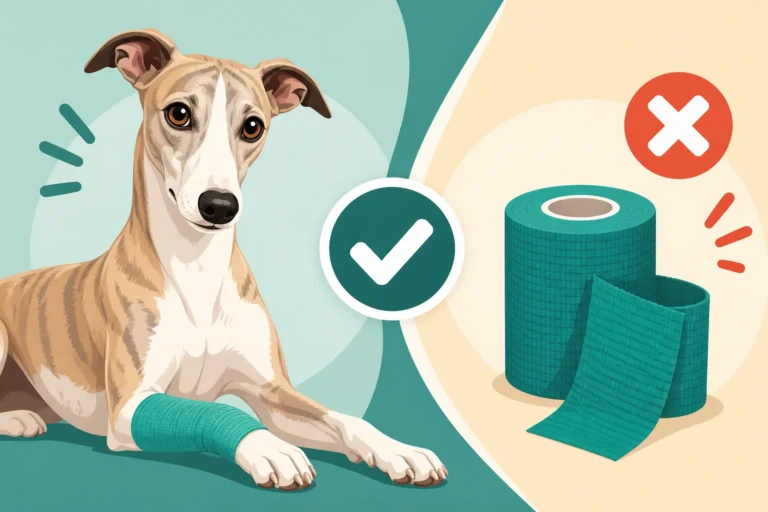
- Vet wrap or self-adhering bandage: Essential for securing dressings, as tape often doesn't stick well to their fine hair and thin skin.
- Medical tape: Hypoallergenic varieties can be useful for securing small dressings.
- Blunt-tipped scissors: For cutting bandages safely.
- Disposable gloves: To maintain hygiene when cleaning wounds.
- Styptic powder: For nail quicking accidents, which can bleed profusely.
Knowing how to gently clean a wound, apply pressure to stop bleeding, and then cover it cleanly can make a huge difference before you get to the vet. Many small tears can be managed at home, but deeper or larger ones will undoubtedly require veterinary attention, often involving stitches or medical glue.
Minor Bumps and Bruises: What to Watch For
Whippets are graceful, but they also have moments of exuberance, sometimes leading to minor bumps and bruises. Because their skin is so thin and close to muscle and bone, bruising can be quite visible, even from a relatively minor impact. Why a Whippet Bruises So Easily is directly related to their delicate structure. You might notice a dark spot or a slightly swollen area where they've knocked themselves.
For minor bumps, cold compresses can help reduce swelling in the first 24 hours. After that, warm compresses might aid circulation. Keep a close eye on the area for any signs of worsening, such as increased pain, limping, significant swelling, or heat, which could indicate a more serious injury or infection. While most minor bruises resolve on their own, anything that causes persistent lameness or severe discomfort should prompt a vet visit. It's a testament to their sensitive bodies that even small incidents can leave a more noticeable mark than on a thicker-skinned breed.
When to Seek Veterinary Attention Immediately
While a good first-aid kit can help with immediate care, knowing when a situation warrants immediate professional veterinary attention is critical for Whippet owners. For any deep laceration that exposes underlying tissue, involves a joint, or continues to bleed profusely despite pressure, do not delay. Similarly, if a wound is located in an area that flexes a lot (like over a joint), it will likely need stitches to heal properly. Emergency Stitches: the Whippet Bill Nobody Budgets For can be a sudden and unexpected cost, but it's often unavoidable to ensure proper healing and prevent infection.
Beyond cuts, if your Whippet sustains any injury that causes significant lameness, extreme pain, or obvious deformity, seek emergency care immediately. This could indicate a fracture, sprain, or other serious musculoskeletal injury. Also, any signs of infection (redness, swelling, pus, fever, lethargy) around a wound or injury should be addressed promptly by a vet. With a Whippet's delicate nature, it's always better to err on the side of caution and get professional advice if you are at all concerned.
Disclaimer
This article is for general informational purposes only and does not constitute professional advice. Laws, prices and regulations vary by location and change over time. Consult a qualified professional for guidance on your specific situation.