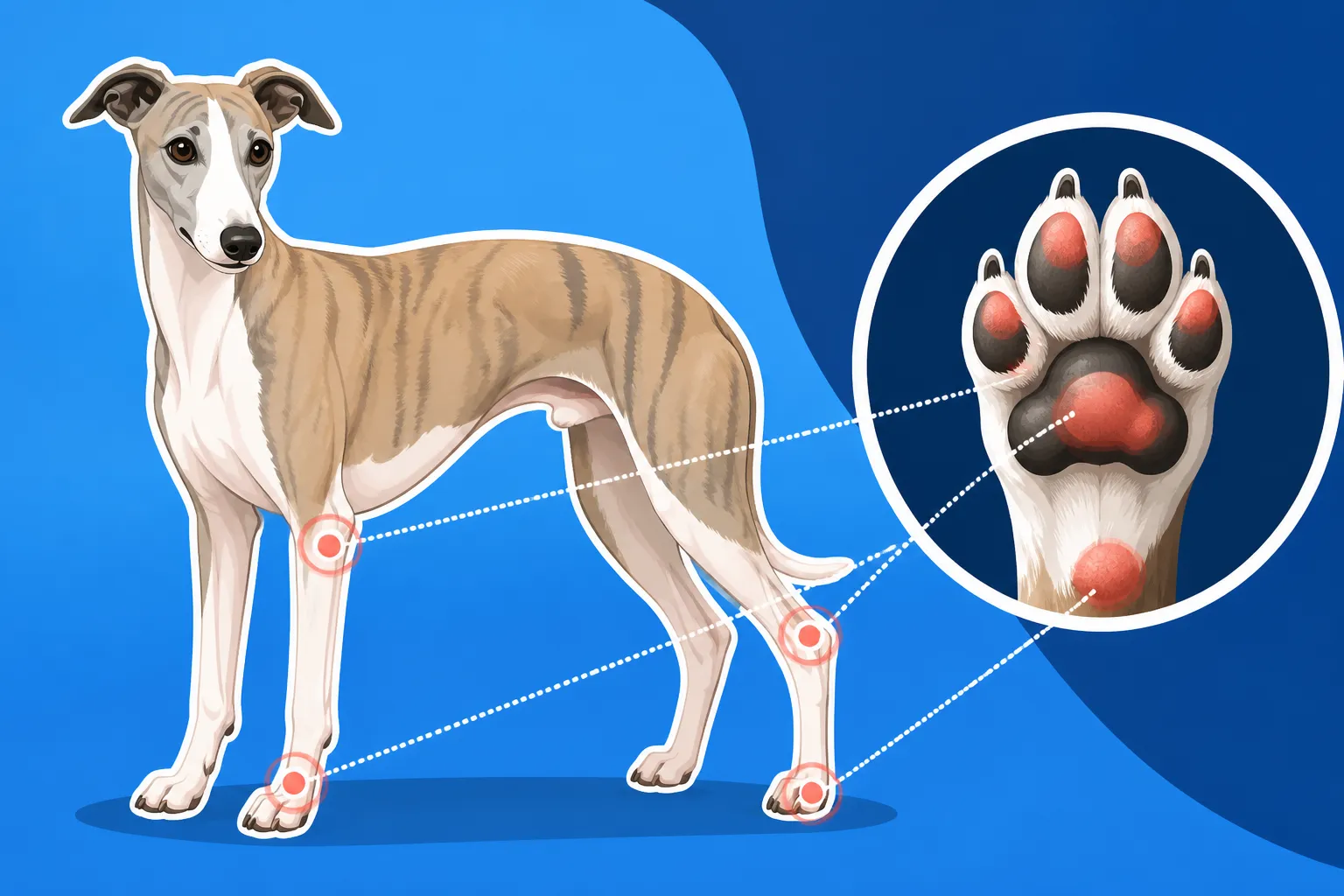
Where a Whippet Develops Pressure Calluses
One of the lesser-known anxieties of owning a Whippet is the constant worry about their delicate skin and lack of natural padding. Many new Whippet parents are shocked to discover how easily these elegant dogs develop pressure calluses, those thick, rough patches of skin that can appear almost overnight, often leading to discomfort or even infection. This guide will walk you through exactly where these calluses are most likely to form, why your Whippet is so prone to them, and what practical steps you can take to keep your beloved sighthound comfortable and healthy.
Understanding Whippet Anatomy and Vulnerability
When you look at a Whippet, their sleek, athletic build is immediately striking. What's not always apparent, however, is just how little natural protection they have compared to many other breeds. This unique physical makeup, while contributing to their incredible speed and grace, also leaves them particularly susceptible to certain issues, pressure calluses being a prime example.
Why Whippets Are Prone to Calluses
Whippets are purpose-bred athletes. Their streamlined bodies are designed for bursts of speed, not for lounging on hard surfaces. Unlike breeds with thick double coats or ample fat reserves, Whippets have extremely short, fine hair and very little subcutaneous fat. This means that their bony prominences – the points where bones are close to the skin surface – are not well-cushioned. Think about your own elbows or hips; now imagine having almost no muscle or fat over those areas and routinely resting all your weight on them. That's essentially what happens with a Whippet.
Every time your Whippet lies down, especially on a hard surface, their body weight is concentrated on these unprotected bony areas. The constant friction and pressure disrupt the blood flow to the skin, and in response, the body tries to protect itself by creating a thickened layer of skin, much like a callus on a human foot. This is a natural protective mechanism, but it can quickly become problematic for our sensitive sighthounds. It’s a bit of a Catch-22: their bodies try to help, but the solution itself can lead to further issues if not managed. This vulnerability is why understanding A Whippet Has No Insulation and No Padding is so crucial for their overall care.
The Importance of Fat and Fur
Most dog breeds have at least a moderate layer of fat and a denser coat that acts as a natural buffer. This isn't just for warmth; it's also a vital shock absorber. Imagine a thick mattress versus a thin yoga mat. Most dogs get the mattress; a Whippet gets the yoga mat. Their short coat offers minimal cushioning, and their very low body fat percentage means there's simply not much biological material between their bones and the floor. This is a key reason why you can often see their ribs and hip bones, even when they're at a healthy weight.
This lack of padding isn't a sign of neglect or poor nutrition in a Whippet; it's a characteristic of the breed. It means that external padding becomes absolutely essential. Without it, the skin over those pressure points is constantly rubbed and compressed, leading to the formation of calluses. These aren't just aesthetic concerns; they can become dry, cracked, and even infected, causing pain and requiring veterinary intervention. Understanding Feeling a Whippet's Ribs and Hip Bones helps owners recognize what is a healthy lean body versus one that is genuinely too thin or lacks proper care.
Everyday Habits That Contribute
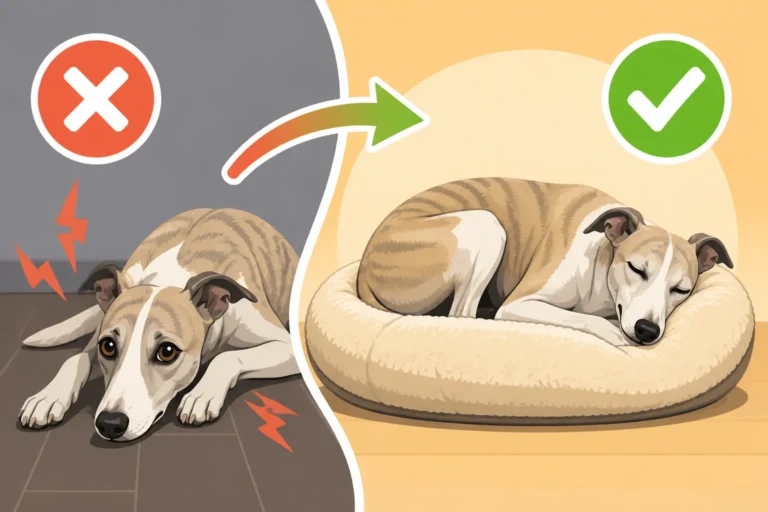
It's not just what your Whippet is, but also how they live their daily lives that contributes to callus formation. Whippets are notorious "couch potatoes" or "floor flops" – they love to stretch out wherever they land, and often that's on the coolest, hardest surface available, especially after a good zoomie session. If your home has a lot of tile, hardwood, or concrete, these surfaces provide little to no cushioning.
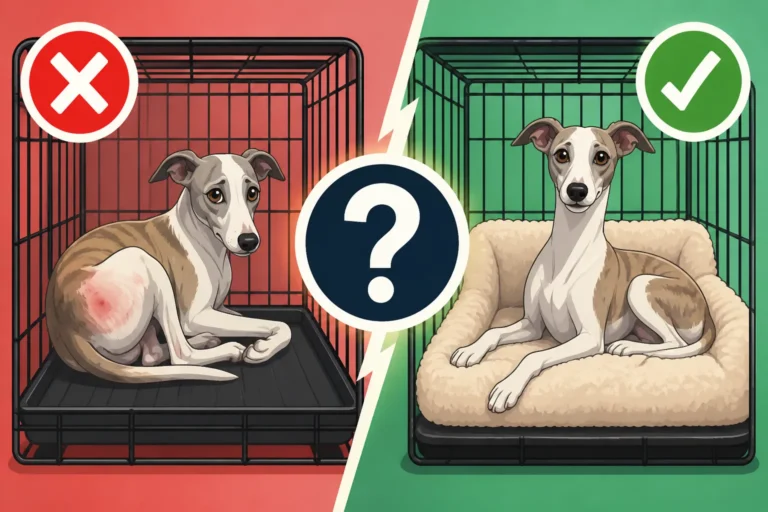
Consider the common scenarios: your Whippet might adore napping on the cool kitchen tiles in summer, or staking out a spot on the entryway slate. Perhaps they prefer the hard bottom of their crate over a plush bed, or they push aside their bedding to sleep directly on the floor. While they might seem comfortable in the moment, these choices can slowly but surely lead to the development of calluses. Even seemingly soft surfaces like worn-out dog beds or thin rugs might not provide enough protection for their delicate joints. It’s about cumulative stress on those bony areas over time. Even if your Whippet loves curling up under a blanket, the surface under the blanket still needs to be soft.
Common Locations for Pressure Calluses on Whippets
While calluses can appear on any bony prominence, Whippets have a few prime locations where they are most commonly found. These are the areas that bear the brunt of their weight when they lie down, stretch out, or simply rest. Recognizing these spots early can help you be proactive in preventing or treating them.
Elbows: The Forefront of Friction
The elbows are arguably the most frequent site for pressure calluses on a Whippet, and for good reason. When a dog lies down, especially on their side or in a "frog-leg" sprawl, the elbows are often the first point of contact with the ground. Their prominent, sharp elbow bones push directly into the surface, creating significant pressure and friction.
You'll typically see these calluses as thick, grayish or brownish patches of skin on the outside of each elbow. Initially, they might just feel a bit rough, but over time, the skin can become severely thickened, dry, and even cracked. Hair loss over these areas is also very common, leaving a bald, discolored patch. It's not unusual for owners to notice that their Whippet’s elbows are completely hairless and have a tough, almost leathery texture. This is a classic sign of a developing callus. These elbow calluses can sometimes be quite deep, even developing into open sores if the pressure isn't alleviated. This is why addressing Whether a Whippet Gets Calluses on Its Elbows is often the first concern for many owners.
Hocks: Often Overlooked Spots
While not as immediately obvious as elbow calluses, the hocks (the joint above the paw on the back leg, equivalent to a human ankle) are another common, and often overlooked, area for Whippets to develop pressure calluses. Many Whippets love to sprawl out on their sides, or even lie in a "sphinx" position with their hocks pressed against the floor. This posture can put continuous pressure on this relatively bony joint.
Hock calluses might appear smaller than elbow calluses, but they can be just as problematic. They're often found on the outer side of the hock joint, presenting as firm, discolored areas of thickened skin. Similar to the elbows, you might notice thinning hair or complete baldness over these spots. Because they're on a joint that sees a lot of movement, hock calluses can be particularly prone to cracking if they become too dry, which can be painful for your Whippet and increase the risk of infection. Keeping an eye on Whether a Whippet Gets Sores on Its Hips also means paying attention to the entire rear assembly, including hocks.
Other Vulnerable Areas: Hips, Chest, and Toes
While elbows and hocks are primary concerns, Whippets can also develop pressure calluses on other bony areas. The bony protrusions of the hips, particularly when they lie on their side for extended periods, can develop similar thickened skin. On the underside of the body, the sternum (breastbone) on their deep chest can also be a site for calluses, especially if your Whippet habitually rests with their chest pressed against a hard floor or the edge of a bed.
Less common, but still possible, are calluses on the toes or pads, especially if your Whippet is constantly dragging their feet or has an unusual gait that puts excessive pressure on certain parts of their paws. For older Whippets, who might spend more time lying down or have less muscle mass, the risk of calluses on these less common areas increases significantly. It's essential to perform a regular "pat-down" of your Whippet, feeling for any rough or bald spots, particularly over any joint or bone that protrudes. Early detection is key for effective management.
Recognizing and Differentiating Calluses
It’s one thing to know where calluses appear, but it’s another to accurately identify them and understand when they’re simply a cosmetic issue versus a significant health concern. As a Whippet owner, you become accustomed to their lean physique, so knowing what’s normal and what’s not is incredibly important.
What a Healthy Callus Looks Like
Let's be realistic: given a Whippet's anatomy and their love for lounging, it's pretty common for them to develop some degree of callus formation, especially on their elbows, over their lifetime. A "healthy" callus, if we can call it that, is typically a small, slightly thickened patch of skin that's maybe a shade darker than the surrounding skin. It feels somewhat rough but isn't dry, cracked, inflamed, or painful to the touch. The hair might be sparse or absent over this small area, but the underlying skin is pliable and intact.
Think of it as the body's minimal response to consistent, low-level pressure. It’s a mild form of protection. If you gently touch it, your Whippet doesn't react with pain or discomfort. It's just there. While these aren't ideal, they often indicate that your dog has some padding, but perhaps not enough, or that they're choosing harder surfaces for some of their rest. Our goal is always to minimize even these mild calluses, but understanding this baseline helps you recognize when things start to escalate.
When a Callus Becomes a Problem
The moment a callus moves beyond a minor patch of thickened skin, it becomes a problem. Red flags include:
- Excessive Thickening and Hardness: The callus feels extremely hard and unyielding, almost like horn.
- Dryness and Cracking: The skin becomes so dry that it cracks, sometimes deeply, exposing raw tissue. This is incredibly painful and a serious entry point for bacteria.
- Inflammation and Redness: The skin around the callus becomes red, warm, or swollen, indicating irritation or infection.
- Pain or Sensitivity: Your Whippet flinches, pulls away, or vocalizes when you touch the area. They might even limp or be reluctant to lie down on that side.
- Bleeding or Discharge: Any signs of blood, pus, or other discharge from the callus or surrounding skin are immediate reasons for concern and a sign of infection.
- Open Sores or Ulcers: This is the most severe stage, where the skin has broken down completely, creating an open wound. This requires urgent veterinary attention.
A problematic callus can severely impact your Whippet's quality of life. It can be chronically painful, lead to recurring infections, and make finding a comfortable resting position difficult. Regularly checking your Whippet for these signs is part of being a responsible owner.
Differentiating Calluses from Other Skin Issues
It’s important to distinguish pressure calluses from other skin conditions that might look similar at first glance. For instance, sometimes a localized patch of hair loss and thickened skin could be a fungal infection (like ringworm), a bacterial skin infection (pyoderma), or even an allergic reaction leading to chronic scratching and skin thickening (lichenification).
- Fungal Infections: Often accompanied by scaling, redness, and itchiness, and can spread.
- Bacterial Infections: Might involve pustules, crusts, and a stronger odor.
- Allergies: Usually manifest with widespread itching, redness, and often affect other areas of the body, not just bony prominences.
- Tumors/Cysts: Sometimes, a lump or growth could be mistaken for a callus, but these tend to be more distinct, often raised, and might change rapidly.
If you're ever unsure, especially if the area is inflamed, itchy, or painful, a trip to the vet is warranted. They can perform diagnostic tests to rule out other conditions and ensure your Whippet gets the correct treatment. Don’t try to diagnose or treat anything beyond a very mild, non-problematic callus at home without professional guidance.
Preventing Pressure Calluses in Whippets
The old adage "an ounce of prevention is worth a pound of cure" couldn't be more true when it comes to Whippet calluses. Since their anatomy makes them so susceptible, creating an environment that minimizes pressure and friction is paramount. This isn't just about comfort; it's about long-term health and preventing painful, expensive veterinary issues down the line.
The Critical Role of Proper Bedding
This is perhaps the single most important factor in preventing pressure calluses. Your Whippet needs soft, supportive bedding everywhere they choose to rest. And I mean everywhere. Don't assume one bed in the living room is enough. Whippets are creatures of comfort, and they will seek out the best spot, or the coolest spot, and if that's a hard floor, they'll use it.
- Memory Foam or Orthopedic Beds: These are golden for Whippets. They conform to the dog's body, distributing weight evenly and relieving pressure on joints and bony areas. Look for beds with a substantial thickness, not just a thin layer of foam. Brands like Chewy often carry a wide selection of orthopedic beds that are perfect for sighthounds. Consider different sizes and shapes too – some Whippets love a bolster bed, while others prefer a flat mat. Why a Whippet Needs Soft Bedding Everywhere is not just a suggestion, it's a fundamental requirement.
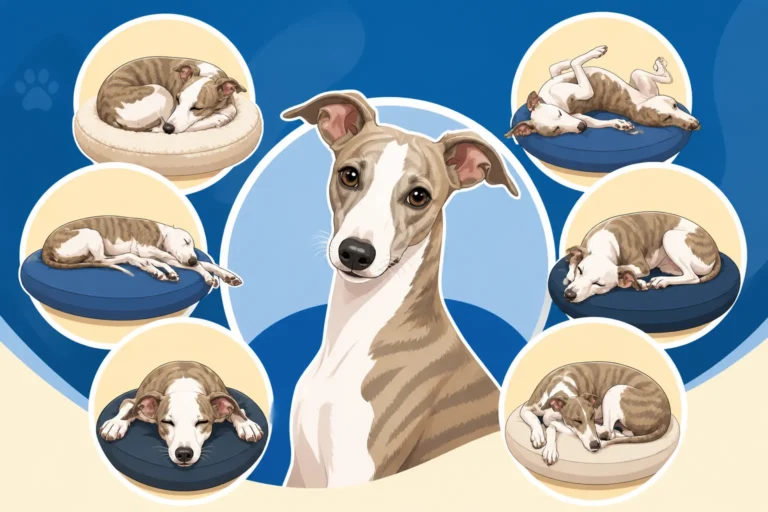
- Multiple Beds: Place beds in every room your Whippet frequents. If they spend time in the kitchen, put a mat there. If they lounge in your office, a bed belongs there too. This ensures that no matter where they decide to flop, there’s a soft landing. Think about how many beds a Whippet actually needs and it might surprise you, but it's often more than you'd expect! How Many Beds a Whippet Needs in a House isn't a frivolous question; it's a practical necessity.
- Crate Padding: If your Whippet is crated, ensure the crate has thick, soft bedding. A thin towel won't cut it. A proper crate pad or even a small orthopedic bed inside the crate is essential to protect their elbows and hocks.
- Regular Bed Maintenance: Beds wear out. Foam compresses, losing its cushioning ability. Washable covers are a must, but periodically check the internal padding. If it feels flat or lumpy, it's time for a replacement. Whether a Whippet Needs Memory Foam isn't just a luxury; it's a health consideration.
Managing Surfaces and Activities
Beyond dedicated beds, think about the overall surfaces in your home. If you have a lot of hard flooring, consider adding strategically placed rugs or runners, especially in high-traffic areas where your Whippet might pause to rest.
- Rug Placement: Place rugs or soft mats in front of windows where they might sunbathe, or near your favorite chair where they love to nap at your feet.
- Outdoor Considerations: While most Whippets are indoor dogs, they will nap outdoors. Provide soft spots in shaded areas of your yard, such as a raised dog bed with a fabric sling, or even a thick blanket on the grass. Avoid leaving them to lie on concrete patios or asphalt for extended periods.
- Supervised Play: While playing, ensure surfaces are safe. Hard, rough concrete can not only scrape delicate skin but also put undue stress on joints that might already be prone to calluses. Encourage play on grass or soft earth when possible.
Nutritional Support for Skin Health
While bedding is key, don't overlook the role of nutrition in supporting healthy skin and coat, which can indirectly help in callus prevention. A healthy skin barrier is more resilient to minor friction.
- Balanced Diet: Ensure your Whippet is on a high-quality, complete, and balanced dog food. A diet rich in essential fatty acids (Omega-3 and Omega-6) is particularly beneficial for skin health.
- Supplements: If your dog food isn't high in omega fatty acids, you might consider supplements like fish oil. Brands like Ollie often focus on fresh, whole ingredients which naturally contribute to overall skin health, but even with high-quality food, some Whippets benefit from an extra boost. Always consult your vet before adding supplements to your dog's diet.
- Hydration: Good hydration is crucial for skin elasticity. Always ensure your Whippet has access to fresh, clean water.
Remember, the goal is to create an environment where your Whippet never has to lie on a hard surface. It’s an ongoing commitment, but one that pays dividends in their comfort and health.
Treating and Managing Existing Calluses
Despite your best efforts, sometimes a callus will still develop, or you might adopt a Whippet who already has them. Don't despair! Many calluses can be managed effectively with a combination of home care and, when necessary, veterinary intervention. The key is consistency and recognizing when professional help is needed.
Home Care and Topical Treatments
For mild to moderate calluses that are not cracked, bleeding, or infected, consistent home care can make a significant difference. The primary goals are to moisturize the thickened skin, make it more pliable, and prevent it from cracking.
- Softening Balms and Ointments: Regular application of a specialized paw balm or a thick, non-toxic moisturizer can help soften the callus. Look for products containing ingredients like shea butter, coconut oil, vitamin E, or lanolin. Apply a generous amount to the callus several times a day, especially before bedtime, and gently massage it in. You might find excellent options on Amazon. The trick is to apply it frequently enough to keep the callus from drying out and hardening further.
- Warm Compresses: A warm, damp compress applied to the callus for 5-10 minutes can help soften the skin before applying balm. This can also increase blood flow to the area.
- Gentle Exfoliation (with Caution!): In some cases, very gentle exfoliation with a soft brush or a mild exfoliating scrub designed for dogs can help remove dead skin cells. However, be extremely careful not to abrade or irritate the skin, as this can make the problem worse and introduce infection. Always consult your vet before attempting any exfoliation.
- Increased Soft Bedding: Revisit your bedding strategy immediately. If a callus has developed, it’s a clear sign your Whippet isn't getting enough soft, supportive surfaces. Double down on orthopedic beds and make sure every resting spot is plush. This is the single most important long-term home care step. You might be surprised to learn that Whether a Whippet's Bald Elbows Grow Hair Back often depends on how well you manage ongoing pressure.
When to Consult Your Veterinarian
There are definite times when home care is not enough, and your Whippet needs professional medical attention. Never hesitate to call your vet if you observe any of the following:
- Cracked or Bleeding Calluses: These are open wounds and are highly susceptible to bacterial infection. Your vet may prescribe antibiotics (oral or topical), pain relief, and special wound dressings.
- Signs of Infection: Redness, swelling, warmth, pain, pus, or a foul odor around the callus are all indicators of infection. A vet can properly clean the wound, culture it to identify the bacteria, and prescribe the appropriate antibiotics.
- Deep or Persistent Ulcers: If the skin has broken down into a deep sore that doesn't heal with basic care, it requires veterinary intervention. These can be difficult to manage and may require more intensive wound care.
- Lameness or Severe Discomfort: If your Whippet is visibly limping, reluctant to move, or showing signs of significant pain because of a callus, a vet visit is essential to address their discomfort and prevent further complications.
- Unusual Growths or Changes: Any rapidly growing or changing lump that appears callus-like should be examined by a vet to rule out more serious underlying conditions, such as tumors.
- Lack of Improvement: If, despite consistent home care, the callus shows no signs of improvement or continues to worsen, it’s time to seek professional advice.
Your vet might also suggest a change in diet, specific supplements, or even refer you to a veterinary dermatologist for stubborn cases. They are your best resource for severe or complicated callus issues.
Long-Term Management and Prevention of Recurrence
Even after a callus has healed or been brought under control, long-term management is crucial to prevent recurrence. This is a chronic issue for many Whippets, and it requires ongoing vigilance.
- Permanent Bedding Upgrade: This cannot be stressed enough. Invest in the highest quality orthopedic beds you can afford and ensure they are strategically placed throughout your home. Think about what a Whippet bed should be made of to provide maximum support and comfort. Regular checks of these beds for flattening are important.
- Routine Skin Checks: Make it a habit to regularly inspect your Whippet's elbows, hocks, hips, and other bony areas. Feel for any new roughness or changes in existing calluses. Early detection allows for immediate intervention.
- Consistent Moisturizing: Even if a callus is well-managed, continue with a moisturizing routine a few times a week to keep the skin supple. This helps maintain elasticity and prevent cracking.
- Weight Management: While Whippets should be lean, being underweight can make bony prominences even more pronounced, increasing callus risk. Ensure your Whippet is at an ideal body condition score, which for a Whippet means you should be able to easily feel their ribs but not see them sharply defined without pressure. What Body Condition Score a Whippet Should Be is a crucial piece of knowledge for any Whippet owner.
- First Aid Readiness: Keep a What Belongs in a Whippet Owner's First Aid Kit on hand, specifically with supplies for skin care, such as gentle antiseptics, wound dressings, and skin balms. Knowing Skin First Aid Every Whippet Owner Should Know can help you respond quickly to minor issues before they escalate.
Caring for a Whippet's delicate skin and preventing pressure calluses is an ongoing commitment, but it's one that ensures your elegant companion remains comfortable, healthy, and happy throughout their life. It's all part of understanding and loving this unique breed.
Disclaimer
This article is for general informational purposes only and does not constitute professional advice. Laws, prices and regulations vary by location and change over time. Consult a qualified professional for guidance on your specific situation.