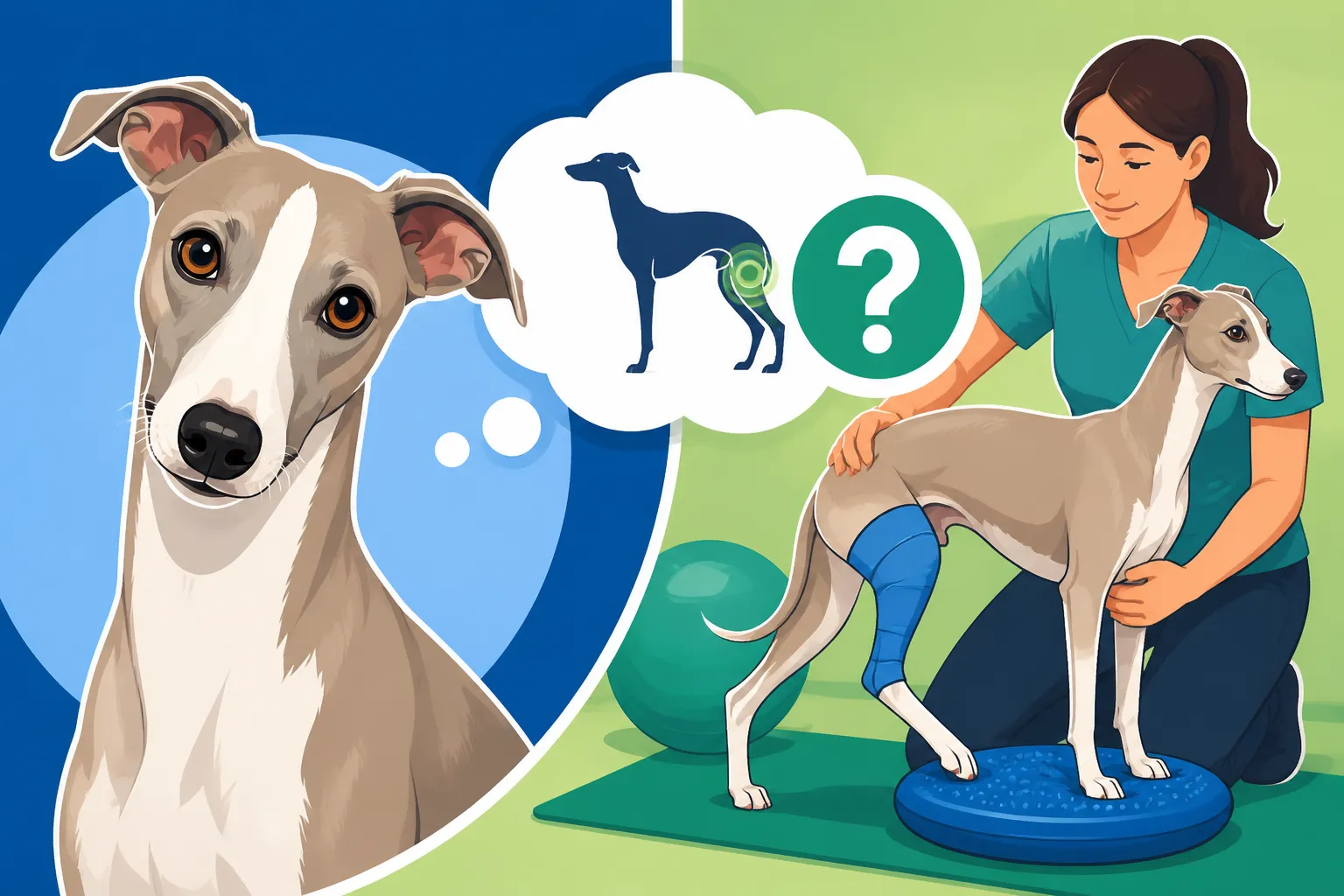
Whether a Whippet Needs Physical Therapy After Injury
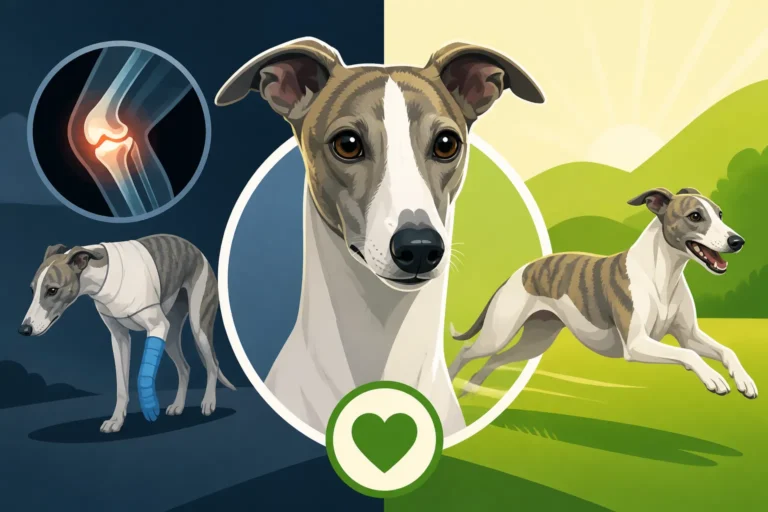
It’s a heartbreaking sight: your agile Whippet, usually a blur of grace and speed, is limping, favoring a leg, or just not quite themselves after what seemed like an innocent romp. Injuries are a part of life for these athletic dogs, and when they happen, the question often shifts from "what happened?" to "how do we get them back to their playful, pain-free selves?" This guide is here to walk you through whether physical therapy is the answer for your injured Whippet, how it can help, and what to expect on the road to recovery.
Understanding Whippet Vulnerabilities to Injury
Whippets, with their unique physiology, are prone to certain types of injuries. Their lean, muscular build and incredible speed, while impressive, also come with specific vulnerabilities. It's not uncommon for owners to face a vet visit for an injury that seems to have come out of nowhere, or from a seemingly minor incident.
The Athletic Nature and Delicate Build of a Whippet
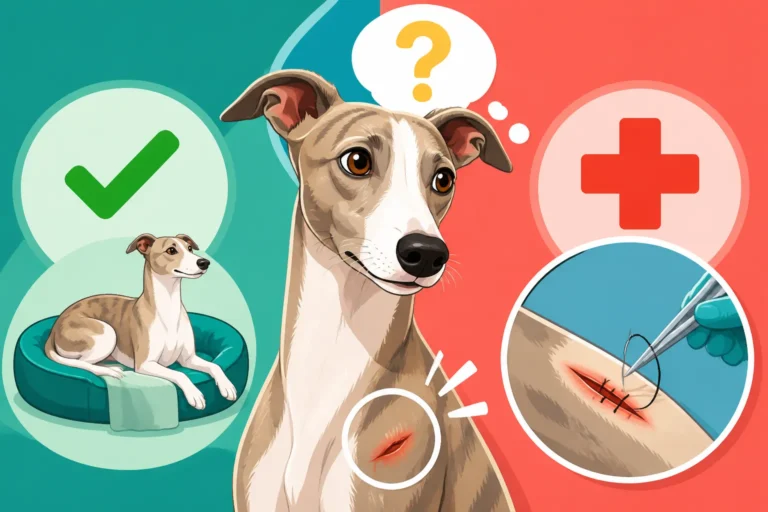
Whippets are built for speed and agility, a marvel of canine engineering. They possess a deep chest, a flexible spine, and powerful hindquarters, allowing them to reach speeds upwards of 35 miles per hour. But this very build, optimized for explosive sprints and quick turns, also leaves them susceptible. Their lean frame means very little body fat, which not only makes them sensitive to cold but also provides minimal padding against bumps and scrapes. Their skin is famously thin, almost like tissue paper, meaning a simple brush against a branch or a minor collision can result in a laceration far deeper than you'd expect. Many of us have experienced a sudden scare that results in The Thin Skin That Sends a Whippet to the Vet for Stitches.
Think about a typical Whippet zoomie session in the park. They launch themselves into full sprint, pivot on a dime, and often slide to a halt. This high-impact, high-speed activity puts immense strain on their muscles, ligaments, and joints. While their bones are generally strong for their size, the sheer forces involved in their movements mean that soft tissue injuries, like strains and sprains, are incredibly common. Even their long, delicate toes, so crucial for gripping the ground during a sprint, can be surprisingly vulnerable to injury. We've certainly seen our share of Whippet's Toe Injuries Are Common from overenthusiastic play or unfortunate encounters with uneven terrain.
Common Whippet Injuries That Might Warrant PT
Given their athletic lifestyle and unique physical characteristics, Whippets are prone to several types of injuries that can significantly benefit from physical therapy. It's not just about mending the initial trauma; it's about restoring full function and preventing secondary issues.
One of the most frequent culprits is the dreaded muscle pull. Your Whippet might be romping one minute, and then suddenly yelp and hold up a leg. These can range from minor strains that resolve with rest to more severe Muscle Pulls in a Whippet that require careful rehabilitation. These happen most often during explosive starts or sudden stops, or even from playing too hard on slippery surfaces. The long, powerful muscles in their hind legs and shoulders are particularly susceptible.
Beyond muscle strains, we also see sprains in joints like ankles, wrists, and even the knee (stifle). While not as common as in some other breeds, Whippets can also experience cruciate ligament tears, which are often debilitating and typically require surgical intervention. If your vet suspects Whether a Whippet Tears a Cruciate Ligament, rehabilitation will be a crucial part of the recovery journey, whether surgical or conservative. Even seemingly superficial skin tears, if deep enough or extensive, can impact underlying muscle tissue and benefit from structured recovery, especially after the initial Treating a Whippet's Skin Tear.
And let's not forget the unexpected. Sometimes, a Whippet might Whether a Whippet Breaks a Leg Running if they hit something at high speed or land awkwardly. While a cast or surgical repair handles the initial bone mending, the muscle atrophy and joint stiffness that occur during immobilization can be profound. This is where physical therapy steps in, helping to rebuild strength, flexibility, and coordination long after the cast comes off. It's important to remember that for many active Whippets, especially those involved in racing or lure coursing, preventing re-injury and ensuring Whether a Whippet's Racing Injuries Heal Fully is paramount.
The Role of Physical Therapy in Whippet Recovery
When your Whippet is injured, traditional veterinary care is the first and most critical step. However, physical therapy, often referred to as canine rehabilitation, acts as the vital bridge from acute injury to full, functional recovery. It's not just about getting them "better," but about getting them back to their best.
What Physical Therapy Involves for a Whippet
Canine physical therapy is a specialized field that employs a variety of techniques to alleviate pain, improve mobility, restore strength, and enhance overall function. It's a far cry from just "walking on a leash." For a Whippet, a typical rehabilitation program is highly individualized, developed by a certified canine rehabilitation therapist (CCRT or CCRP) in consultation with your primary veterinarian.
The modalities used can be quite diverse. Therapeutic exercises are a cornerstone, including gentle passive range of motion (PROM) exercises to maintain joint flexibility, active exercises like controlled leash walking on varied surfaces, balance exercises using wobble boards or physio balls, and targeted strengthening routines. For example, a Whippet recovering from a hamstring strain might start with slow, controlled walks, gradually progressing to gentle uphill climbs or weaving poles to re-engage specific muscle groups.
Hydrotherapy is another fantastic option for Whippets. This typically involves an underwater treadmill or a therapeutic pool. The buoyancy of the water reduces weight-bearing stress on injured joints, allowing your Whippet to exercise muscles and improve gait without putting excessive strain on healing tissues. The warmth of the water also helps relax muscles and reduce pain. Given that most Whippets aren't keen swimmers, the controlled environment of an underwater treadmill is often a perfect fit, building confidence and strength simultaneously.
Other common therapies include manual therapies like massage to reduce muscle tension and improve circulation, therapeutic laser therapy (cold laser) to promote cellular healing and reduce inflammation, and sometimes even acupuncture for pain management. Electrical stimulation (TENS or NMES) might be used to reduce pain or re-educate atrophied muscles. The goal is always to create a tailored program that addresses the specific injury, the Whippet's overall condition, and their unique needs. This isn't a one-size-fits-all approach; it's a careful orchestration of techniques designed to bring your sighthound back to optimal health, often guided by a veterinarian who truly understands Whether a Whippet Needs a Vet Who Knows Sighthounds.
Benefits of Early Intervention and Consistent PT
The advantages of integrating physical therapy into your Whippet's recovery plan, especially with early intervention and consistent application, are numerous and profound. It can make the difference between a dog that merely recovers and one that thrives.
Firstly, early physical therapy can significantly accelerate the healing process. By gently encouraging movement and improving circulation to the injured area, therapists can help reduce swelling, decrease pain, and speed up tissue repair. This doesn't mean pushing too hard too soon, but rather introducing appropriate, controlled activities at the right time. For instance, after a sprain, judicious cold therapy and passive range of motion exercises can start almost immediately, preventing muscle stiffness and scar tissue formation that could impede future movement.
Beyond speed, PT is crucial for improving and maintaining range of motion. When an injury occurs, dogs instinctively guard the affected area, leading to stiffness and reduced flexibility over time. Rehabilitation techniques actively work to prevent this, ensuring that joints regain their full, healthy movement. This is vital for a Whippet, whose athleticism relies heavily on their flexibility and long strides.
Pain management is another huge benefit. Many physical therapy modalities, from laser therapy to manual massage, directly help to alleviate discomfort without always relying solely on medication. This holistic approach can reduce the need for long-term pain medication and improve your Whippet's overall quality of life during recovery.
Perhaps most importantly, physical therapy helps prevent compensatory issues. When a Whippet favors an injured limb, they inevitably put more strain on other parts of their body. This can lead to secondary injuries in previously healthy limbs or cause imbalances in their musculature and gait. A skilled therapist will recognize these patterns and incorporate exercises to strengthen the entire body, ensuring balanced recovery. Without PT, an injury that starts in one leg could eventually lead to issues in the back or the other three legs due to uneven weight distribution and altered movement patterns.
Finally, consistent physical therapy provides a clear, structured roadmap for recovery, which can be incredibly reassuring for owners. It helps manage expectations, provides measurable progress, and empowers you with specific exercises to do at home, making you an active participant in your Whippet's healing journey. It's an investment in their long-term health and ability to enjoy life to the fullest.
Deciding If Your Whippet Needs Physical Therapy
Knowing when to seek out physical therapy for your Whippet can sometimes be tricky. Not every minor bump or scrape will warrant it, but many situations can significantly benefit. The key is to be observant and proactive, always in consultation with your trusted veterinarian.
Signs Your Whippet Could Benefit from PT
Your Whippet is usually a picture of vibrant energy, so any deviation from their normal behavior or movement can be a red flag. Paying close attention to these subtle (or not-so-subtle) signs can help you determine if physical therapy might be beneficial.
The most obvious sign is a persistent limp or lameness that doesn't resolve with a few days of rest. If your Whippet is consistently favoring a leg, even slightly, or if the limp worsens after activity, it's definitely something to investigate. You might notice them "toe-touching" rather than bearing full weight, or shifting their weight unevenly when standing.
Stiffness, especially after rest or in the morning, is another indicator. Perhaps they're reluctant to jump on the sofa for their usual snuggle, or they seem to struggle more when getting up from a lying position. A decreased range of motion in a particular joint, like difficulty extending a leg fully or inability to bend it as much as before, also points towards a need for intervention. You might observe them being unusually clumsy, or showing a lack of coordination during play, which is highly uncharacteristic for such an agile breed.
Watch for changes in their gait. Does their stride seem shorter? Are they dragging a paw? Is their topline appearing different as they move? Even subtle changes in how they walk, run, or climb stairs can signal an underlying issue that physical therapy can address.
Muscle atrophy, where muscles start to waste away, is a clear sign, especially if it's localized to one limb. If you feel one thigh muscle is noticeably smaller than the other, it indicates they haven't been using that leg properly. Pain response, such as yelping when touched in a certain area, or being protective of a limb, is another obvious sign. Lastly, behavioral changes like increased lethargy, reluctance to play, or even irritability, can sometimes stem from chronic pain or discomfort that PT can help alleviate.
Consulting Your Veterinarian and a Certified Canine Rehabilitation Therapist
Once you've noticed signs that your Whippet might be struggling after an injury, the first and most crucial step is always to consult your primary veterinarian. They will diagnose the injury, recommend initial treatments, and determine if physical therapy is an appropriate next step. Never attempt to diagnose or treat a significant injury yourself based on online information.
Your vet might recommend a course of anti-inflammatory medication, pain relief, or simply strict rest initially. If the injury is more severe, such as a fracture or a ligament tear, surgical intervention might be necessary. In any of these scenarios, your vet is the one who will initiate the conversation about rehabilitation. They can provide a referral to a certified canine rehabilitation therapist (CCRT or CCRP). These professionals have specialized training and certification in canine physical therapy, making them uniquely qualified to design and oversee a rehabilitation program.
The expertise of a CCRT/CCRP is invaluable, especially for a breed like the Whippet. They understand the specific biomechanics of sighthounds, their inherent sensitivities, and how to work with their delicate skin and lean musculature. They can distinguish between what is "normal" for a Whippet's athletic frame and what indicates a true issue needing intervention. During the initial consultation, the rehabilitation therapist will conduct a thorough assessment, reviewing your vet's diagnosis, observing your Whippet's gait and posture, checking range of motion, and evaluating muscle condition.
It's common for owners to feel a bit overwhelmed by the idea of specialized rehabilitation, especially concerning the potential costs. After all, you've probably just covered the initial vet bills, and possibly even surgery. However, considering the long-term health and happiness of your Whippet, the investment in expert care often pays dividends by ensuring a more complete and lasting recovery, potentially preventing future complications. This is where having robust pet insurance, like Healthy Paws, can make a significant difference, often covering a portion or even a large percentage of these specialized treatments, making them far more accessible. They understand that comprehensive care includes rehabilitation.
Practical Aspects of Whippet Physical Therapy
Embarking on a physical therapy journey for your Whippet can feel like a significant commitment, but understanding the practicalities involved, from the balance of clinic visits and home care to the financial considerations, can help you navigate it with confidence.
Home Exercises and Professional Sessions
Physical therapy for your Whippet is typically a partnership between professional sessions at a rehabilitation clinic and dedicated home exercises. It's not usually one or the other, but a blend that ensures continuous progress.
Professional sessions are where your Whippet will receive specialized treatments that are difficult or impossible to replicate at home. This includes things like hydrotherapy on an underwater treadmill, therapeutic laser treatments, acupuncture, or advanced manual therapies by the certified therapist. These sessions are also crucial for the therapist to assess your Whippet's progress, adjust the treatment plan, and ensure they are performing exercises correctly and safely. The therapist will use their expert eye to spot subtle improvements or areas needing more attention, something a devoted owner might miss.
However, the real magic often happens at home. The rehabilitation therapist will provide you with a carefully tailored home exercise program (HEP) to perform with your Whippet between clinic visits. These exercises are usually simpler, focusing on passive range of motion, gentle stretches, controlled walks, or simple balance activities using household items. For example, you might be shown how to gently flex and extend your Whippet's hip joint, or guide them through "figure-eights" around your legs to encourage weight bearing.
The key to success with the home program is consistency and patience. Just like humans, dogs benefit from regular, short bursts of activity rather than infrequent, long sessions. Five to ten minutes, two to three times a day, is often more effective than one long, arduous session once a week. It's also vital to follow the therapist's instructions precisely, avoiding any temptation to push your Whippet too hard or too fast. They will instruct you on how to monitor for signs of pain or discomfort, and when to back off. Remember, the goal is gradual improvement, not immediate heroics. This collaborative approach between professional and home care is what truly maximizes your Whippet's recovery potential.
Cost, Time Commitment, and Pet Insurance Coverage
Let's be realistic: an injury, whether it's a What a Whippet Laceration Repair Costs or a serious muscle tear requiring rehabilitation, comes with financial and time commitments. Physical therapy is an investment, but one that can significantly enhance your Whippet's quality of life and long-term well-being.
The cost of canine physical therapy can vary widely depending on your location, the specific clinic, and the types of modalities used. Initial consultations with a certified rehabilitation therapist might range from $100-$250, while individual therapy sessions can be anywhere from $50-$150 each. A full course of treatment, often spanning several weeks to months with weekly or bi-weekly sessions, can quickly add up. This is why many experienced Whippet owners advocate for Setting Money Aside for a Whippet's Vet Bills from the moment they bring their puppy home. Thinking about The Full Cost of Fourteen Years With a Whippet often includes unforeseen medical expenses.
Beyond the financial aspect, there's a significant time commitment involved. You'll need to dedicate time to transport your Whippet to and from the clinic for professional sessions. More importantly, you'll need to commit daily to the home exercise program prescribed by the therapist. This might mean scheduling multiple short sessions throughout your day, rain or shine. It requires consistency, patience, and a willingness to learn new handling techniques.
However, there's good news for many pet owners: pet insurance often covers physical therapy and rehabilitation. Companies like Healthy Paws understand the critical role rehabilitation plays in a comprehensive recovery plan. Their policies typically cover a wide range of diagnostic imaging, treatments, and rehabilitation services for accidents and illnesses. So, if your Whippet sustains an injury, having a policy with Healthy Paws can significantly offset the costs of vet visits, surgeries, and the subsequent physical therapy sessions, making advanced care much more attainable. When considering Whether Insurance Covers a Whippet's Emergency Stitches or extensive rehabilitation, checking your policy details is key. It transforms what might feel like an impossible expense into a manageable one, allowing you to focus on your Whippet's recovery rather than the financial strain.
When PT Might Not Be Necessary or Is Contraindicated
While physical therapy offers immense benefits for a wide range of Whippet injuries, it's important to understand that it's not a universal solution for every single ailment. There are specific situations where PT might not be necessary, or even potentially harmful.
For very minor injuries, such as a superficial bruise, a small scrape that doesn't breach the skin's deeper layers, or simple muscle soreness from overexertion that resolves within a day or two with rest, physical therapy might be overkill. In these cases, your vet might simply recommend a few days of controlled activity and observation. The body's natural healing mechanisms are often sufficient for these small, uncomplicated issues.
Conversely, there are acute situations where immediate, strict rest is paramount, and introducing movement through physical therapy too early could be detrimental. For example, if your Whippet has a confirmed fracture that is not yet stable, or has just undergone surgery for a serious ligament repair, your veterinarian will likely prescribe a period of complete rest and restricted movement. In these initial phases, the focus is on allowing the tissues to begin healing without any undue stress. Physical therapy would then typically be introduced gradually after this initial resting period, once the healing process has stabilized sufficiently for controlled movement to be beneficial.
Furthermore, if your Whippet has certain medical conditions, such as severe cardiac issues or uncontrolled pain, these would need to be addressed and managed before physical therapy could safely begin. A good rehabilitation therapist will always work in close conjunction with your primary veterinarian to ensure that therapy is appropriate and safe for your individual Whippet's health status. Always defer to your veterinarian's advice regarding the timing and necessity of physical therapy for your injured Whippet. Their professional assessment of the injury and your dog's overall health is the guiding factor.
| Common Whippet Injury | Symptoms | Potential PT Benefits |
|---|---|---|
| Muscle Strain (e.g., hamstring) | Limping, pain on touch, reduced range of motion, reluctance to run/jump | Faster healing, pain relief, increased flexibility, strength rebuilding |
| Sprains (joints) | Swelling, lameness, reluctance to bear weight, stiffness | Reduced inflammation, improved joint stability, restored mobility |
| Cruciate Ligament Tear | Sudden lameness, non-weight bearing, knee instability (post-surgery or conservative) | Strength rebuilding, proprioception, pain management, gait correction |
| Post-surgical recovery | Muscle atrophy, stiffness, limited range of motion | Restored muscle mass, flexibility, prevention of compensatory issues |
| Toe/Pad Injury | Limping, swelling, sensitivity, altered gait to protect paw | Pain reduction, controlled weight bearing, prevention of compensatory limping |
Disclaimer
The information provided in this article is for general informational purposes only and is not intended as a substitute for professional veterinary advice. Always consult with a qualified veterinarian regarding any medical condition or treatment for your Whippet.