Setting Money Aside for a Whippet’s Vet Bills
As a Whippet owner, you know that these sleek, sensitive creatures bring immense joy, but they also bring a unique set of health considerations. The biggest gut punch for many of us comes not from the everyday costs of feeding or dressing our dogs, but from the sudden, often substantial, veterinary bills that can crop up out of nowhere. This guide is all about helping you navigate the financial side of Whippet ownership, specifically how to proactively set aside money for those inevitable vet visits, big or small, so you’re never caught completely off guard.
The Reality of Whippet Health and Unexpected Costs
Whippets, despite their generally robust nature and typical longevity, aren't immune to health issues, and some of their unique characteristics can lead to specific veterinary needs. It’s easy to think a lean, athletic dog will just sail through life, but the reality is that their delicate skin and deep chests can lead to unexpected trips to the vet. Planning for these possibilities is key to ensuring your beloved companion gets the care they deserve without causing you undue financial stress.
Common Whippet-Specific Vet Visits
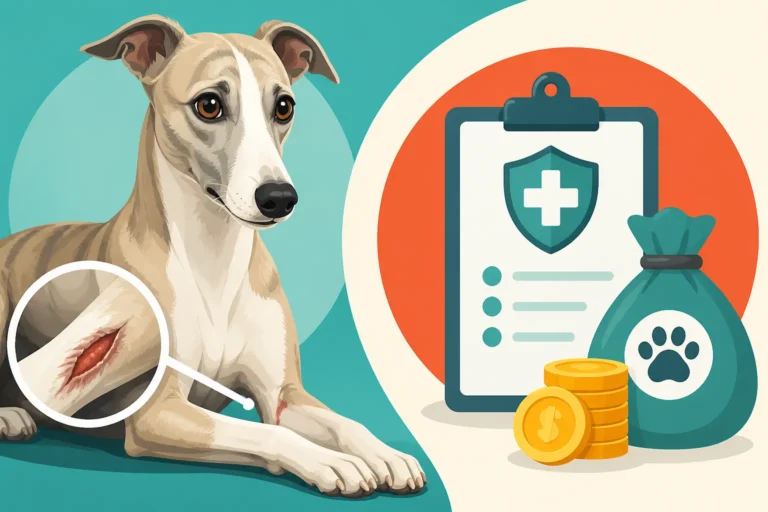
Let's be real, Whippet skin is thin. It's like tissue paper stretched over muscle, and it doesn't take much for them to earn themselves a visit to the emergency clinic. A playful bump against a sharp corner, a sprint through tall grass with an unseen branch, or even a minor altercation with another dog can result in a laceration that needs immediate attention. These aren't just superficial scrapes; their skin often tears cleanly and deeply, requiring sutures. I know many Whippet owners who’ve been there, myself included, looking at a suddenly gaping wound and knowing their afternoon plans have just changed drastically. The Thin Skin That Sends a Whippet to the Vet for Stitches is a real concern, and these repairs can add up quickly, especially if it's after hours.
Beyond skin issues, dental health is another area where Whippets often need a bit more intervention than other breeds. Their long, narrow muzzles can lead to crowded teeth, which, combined with their generally good appetite, can result in rapid tartar buildup. Regular brushing at home is fantastic, but many Whippets will still need professional dental cleanings under anesthesia much earlier and more frequently than owners of other breeds might expect. These procedures aren't cheap, and if teeth need extracting, the cost can escalate significantly. Teeth Are the Whippet Problem That Sneaks Up is something every Whippet owner should be aware of. Then there are the general health concerns, like potential cardiac issues as they age. While a Whippet’s big heart is often normal, checking for Mitral Valve Disease in a Whippet as they get older becomes important, and diagnostics like echocardiograms come with their own price tag.
Why Routine Care Isn't Always Enough
Routine care, like annual check-ups and vaccinations, is a baseline, and it’s something we budget for almost automatically. But it's those curveballs that truly test our financial preparedness. Imagine your Whippet suddenly developing a mysterious lameness, or waking up with an eye issue that needs immediate attention. These aren't things you can plan months in advance for. Even seemingly minor things, like an ear infection that just won't clear up, can lead to multiple vet visits, diagnostic tests, and expensive medications.
Furthermore, as Whippets age, like all dogs, they become more susceptible to a range of conditions. An older Whippet might develop arthritis, require more frequent blood work to monitor organ function, or need medication for chronic conditions. Caring for an Old Whippet That Feels the Cold might involve more than just an extra coat; it could mean pain management or addressing underlying issues. It's not just about the cost of a single procedure, but the ongoing management of chronic conditions that can truly impact your budget over time. Without a dedicated fund, these situations can force heartbreaking decisions or compromise the quality of care your Whippet receives.
Budgeting Strategies for Whippet Vet Care
Feeling overwhelmed by the potential costs? Don’t be! The good news is that with a bit of foresight and strategic planning, you can set yourself up to handle these expenses without feeling like you're constantly robbing Peter to pay Paul. It’s all about creating a system that works for you and your Whippet.
Dedicated Savings Accounts
One of the most straightforward and reliable ways to prepare for vet bills is to open a dedicated savings account specifically for your Whippet's health. Think of it as an emergency fund, but strictly for your furry friend. The beauty of this approach is its simplicity and flexibility. You decide how much to contribute, and you have direct control over the funds.
Start by calculating a realistic monthly amount you can comfortably put aside. Even if it's just a small sum, say $25-$50 a month, it will accumulate faster than you think. Over a year, that's $300-$600, which can cover many routine visits, medications, or even a minor emergency. Automate this transfer from your checking account to your Whippet savings account on payday. Out of sight, out of mind, until you need it. This method also means you earn a little interest, unlike insurance premiums, and you don’t have to deal with deductibles or claim denials. It's your money, always available for your Whippet.
Understanding Pet Insurance
Pet insurance is another popular option, offering a safety net for those larger, more catastrophic vet bills that can easily run into thousands. It works similarly to human health insurance, where you pay a monthly premium, and the insurance company reimburses you for a percentage of covered veterinary expenses after you meet your deductible.
There are various types of plans available: accident-only, accident and illness, and comprehensive plans that might include wellness benefits. For Whippets, an accident and illness plan is often a good baseline, as it covers those sudden skin tears or unexpected illnesses. When considering insurance, it's crucial to read the fine print. Look for plans with a good reimbursement rate (often 80-90%), a deductible you're comfortable with, and clear policies on pre-existing conditions. Companies like Healthy Paws are often recommended for their comprehensive coverage and straightforward claim process.
The main advantages of insurance are peace of mind for major events and the ability to choose your own vet. The downsides include monthly premiums, potential exclusions for breed-specific conditions (though Whippets generally don't have many), and the fact that you often pay upfront and wait for reimbursement. Compare this carefully with the dedicated savings account approach. For example, What Insuring a Whippet Costs Monthly can be significant, so weigh the costs against your personal risk tolerance and savings discipline.
Practical Tips for Managing Whippet Health Costs
Beyond choosing a savings method, there are practical steps you can take every day to keep your Whippet healthy and minimize costly interventions. A proactive approach to care can often prevent small issues from becoming big, expensive problems.
Preventative Care and Wellness Plans
An ounce of prevention is truly worth a pound of cure, especially with Whippets. Regular preventative care can save you a fortune in the long run. This includes consistent parasite control (fleas, ticks, heartworm), which is vital for all dogs. Make sure you're using products that are safe for sighthounds, as some common treatments can cause reactions. Vaccinations on a schedule recommended by your vet prevent serious, expensive diseases.
Many veterinary clinics offer wellness plans, which are essentially subscription services that bundle routine care like annual exams, vaccinations, and sometimes even a dental cleaning or bloodwork into monthly payments. These can be a fantastic way to spread out the cost of routine care and ensure you're not skipping important check-ups. Regular health monitoring, even something as simple as ensuring your Whippet is eating a high-quality diet (you might find brands like Ollie beneficial if you're looking for fresh, pre-portioned options to support their lean bodies), can prevent obesity or nutritional deficiencies that could lead to other health problems.
Researching Vet Costs and Specialists
Not all vets are created equal, and neither are their prices. It’s perfectly okay and, in fact, smart to shop around for veterinary services, particularly for non-emergency procedures. Ask friends with Whippets for recommendations in your area. Look for clinics that have experience with sighthounds; they might be more familiar with their unique physiological quirks, such as Why a Whippet Needs a Sighthound Anesthesia Protocol or The Bloodwork Numbers That Look Wrong on a Healthy Whippet, which can lead to better, more efficient care.
For specialty care, like a cardiologist if a heart murmur is detected, understand that these visits will be more expensive. Don't hesitate to ask for a detailed estimate before any major procedure. Transparency is key. Sometimes, traveling a little further to a vet with more experience or better pricing can be worth the drive, especially for complex or ongoing conditions. Knowing What a Sighthound Vet Costs Over a Whippet's Life can help you prepare.
Building an Emergency Fund
While a dedicated Whippet savings account is great, a general personal emergency fund is also crucial for overall financial stability. Life throws all sorts of curveballs, and sometimes those curveballs affect your ability to pay for your pet's needs. Having a robust personal emergency fund means that if you suddenly face unemployment or an unexpected home repair, you won’t have to raid your Whippet’s vet fund. This multi-layered approach to financial preparedness ensures both your household and your pet are well-cushioned against unforeseen expenses. It's about being prepared for anything, so you can always prioritize your Whippet's health.
Here's a quick comparison to help you think through pet insurance versus a dedicated savings fund:
| Feature | Dedicated Savings Account | Pet Insurance |
|---|---|---|
| Control of Funds | 100% yours, always accessible | Controlled by insurer, subject to policy |
| Cost | Flexible contributions, no fixed premium | Fixed monthly premiums |
| Reimbursement | None, you use your own money | Percentage of covered costs, after deductible |
| Pre-existing Conditions | Not applicable, it's your money | Typically excluded |
| Waiting Periods | None | Standard for accidents/illnesses |
| Deductible | None | Annual or per-incident deductible |
| Claim Process | None | Required for reimbursement |
| Coverage Scope | Covers whatever you need it for | Defined by policy terms and conditions |
| Interest Earned | Yes, on your savings | No, premiums are an expense |
Ultimately, whether you opt for a dedicated savings account, pet insurance, or a combination of both, the most important thing is to have a plan. Your Whippet depends on you to keep them healthy and happy, and being financially prepared is a huge part of that commitment. It allows you to focus on their recovery and comfort, rather than stressing about the bill.
Disclaimer
This article is for general informational purposes only and does not constitute professional advice. Laws, prices and regulations vary by location and change over time. Consult a qualified professional for guidance on your specific situation.