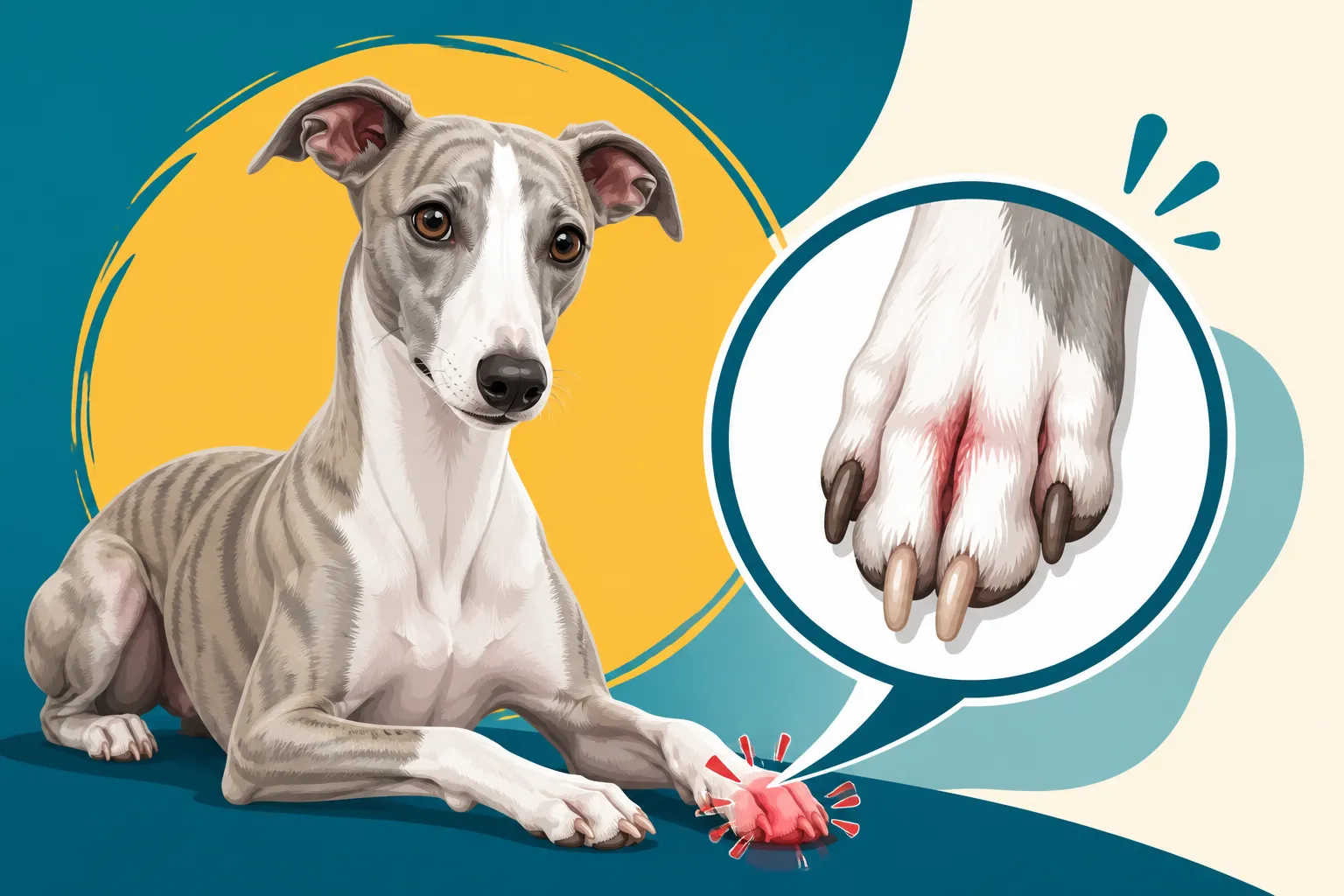
Whether a Whippet’s Toe Injuries Are Common
Few things can make your heart sink faster than seeing your graceful Whippet suddenly pull up lame, lifting a paw, or worse, leaving a tell-tale smear of blood on the pristine carpet. Whippet owners know the frustration: these dogs are built for speed and agility, but their delicate structure, especially their feet, can make them incredibly susceptible to injuries. This guide will delve into why toe injuries are a surprisingly common concern for our beloved Whippets and what you can do to prevent and manage them.
Understanding the Whippet's Vulnerable Feet
Whippets are athletes, pure and simple. They're built for speed and quick turns, and every part of their body is designed for this purpose, including their feet. But this specialization, combined with their lean build, can leave their paws surprisingly vulnerable.
The Anatomy of a Whippet's Paw
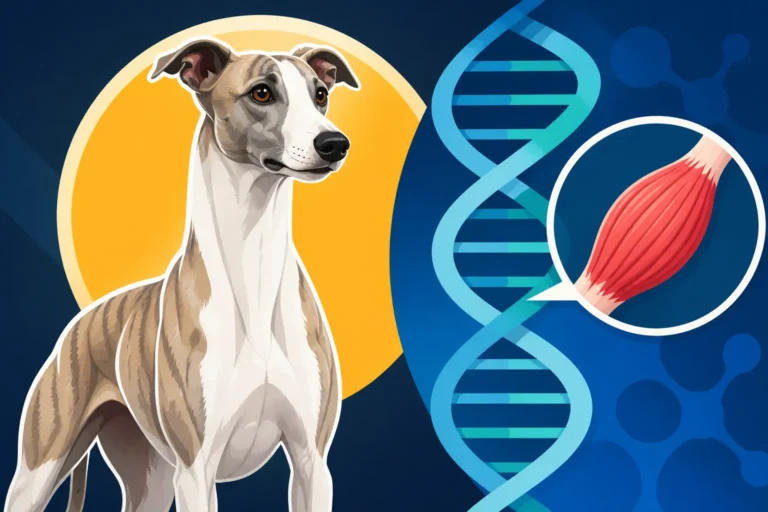
Think about your Whippet's paw for a moment. It’s compact, with strong, arched toes and thick pads, designed to provide traction and absorb impact during high-speed bursts. Those long, hare-like feet are perfect for gripping the ground as they launch into a sprint. Each toe has a nail that, in an ideal world, would naturally wear down with activity. However, unlike some heavier, larger breeds, a Whippet’s skin is remarkably thin, almost paper-like, and there’s very little fat or extra padding around the delicate bones and tendons in their feet. This means less cushioning and protection for the underlying structures, making them more susceptible to external trauma and internal stress from their athletic endeavors. This delicate skin is also why The Thin Skin That Sends a Whippet to the Vet for Stitches is such a frequent topic of conversation among Whippet owners.
Why Whippets Are Prone to Toe Injuries
It’s a cruel irony that the very traits that make Whippets so magnificent – their explosive speed and sudden directional changes – also contribute to their foot vulnerabilities. Imagine your Whippet tearing across a field at top speed, then slamming on the brakes or pivoting sharply to chase a squirrel. That incredible force is transferred directly through their legs and down to their relatively small, delicate toes. Even a minor misstep, like catching a toe on an uneven patch of ground, can cause significant damage.
Their nails are also a major culprit. Whippets tend to have fairly strong, fast-growing nails. If these aren't kept meticulously trimmed, they can become too long, increasing the leverage on the nail bed. A long nail is far more likely to snag on carpet, grass, or fencing, leading to a painful tear or avulsion. This is especially true for the dewclaws, which often don't make contact with the ground and thus don't wear down naturally, becoming extra-long and catching hazards. Plus, their lean musculature means any sudden twist or impact has less "shock absorption" from surrounding tissue, transmitting more force directly to the bone and ligament structures of the toes.
Common Types of Whippet Toe Injuries
Because their paws are central to their athleticism, Whippets are unfortunately prone to a range of toe injuries. It's not a question of if it will happen, but often when for many active Whippets.
Nail Bed Trauma and Torn Nails
This is arguably the most common and often most dramatic toe injury you'll encounter with a Whippet. A torn nail is excruciatingly painful, as the nail bed is rich in nerves and blood vessels. It can happen in a flash: your Whippet might be playing tug, jumping off the sofa, or running through the yard, and a nail catches on something. Suddenly, they pull back yelping, and you see blood.
A torn nail can range from a minor chip that exposes the quick to a full avulsion where the entire nail is ripped off, leaving the sensitive nail bed exposed. Dewclaw tears are particularly common because these nails are higher up on the leg and can easily snag on objects without the dog's awareness. The pain and bleeding can be alarming, and often requires a vet visit to clean, trim any remaining jagged nail, and perhaps bandage the paw to prevent infection. In some severe cases, a veterinarian might need to perform a partial or complete nail removal under sedation, which can be an added financial stress if you don't have pet insurance like Healthy Paws.
Sprains, Strains, and Fractures
Beyond the nails, the bones and ligaments in a Whippet's toes are also at risk. The sheer force they generate can lead to these more serious injuries. A sprain occurs when the ligaments connecting bones are stretched or torn, while a strain involves damage to muscles or tendons. Given the intricate network of small bones (phalanges) in each toe, and the numerous tiny ligaments holding them together, a hard landing, an awkward twist, or a collision can easily result in a painful sprain or even a fracture.
We've all seen our Whippets running at full tilt, perhaps across a bumpy field, and sometimes they just misjudge a landing. Or they might be playing rough with another dog and get stepped on. These incidents can put immense stress on their delicate toe joints. A minor sprain might present as subtle lameness that comes and goes, while a fracture will usually cause immediate, intense pain, swelling, and refusal to bear weight on the affected paw. Diagnosing these often requires X-rays, and treatment can range from strict rest and anti-inflammatory medication to splinting or even surgery, especially if the fracture is complex or involves a joint. This type of injury can sometimes be mistaken for something less serious initially, making early detection crucial.
Corns and Pad Injuries
While not always a result of acute trauma, corns are a peculiar and common issue in sighthounds, including Whippets. A corn is a hardened, painful lesion on the paw pad, similar to a human plantar wart. They are thought to be caused by a combination of genetics, repetitive pressure, and friction, often exacerbated by the thin padding on sighthound feet. While not an "injury" in the sudden, traumatic sense, they cause significant lameness and discomfort, mimicking an injury.
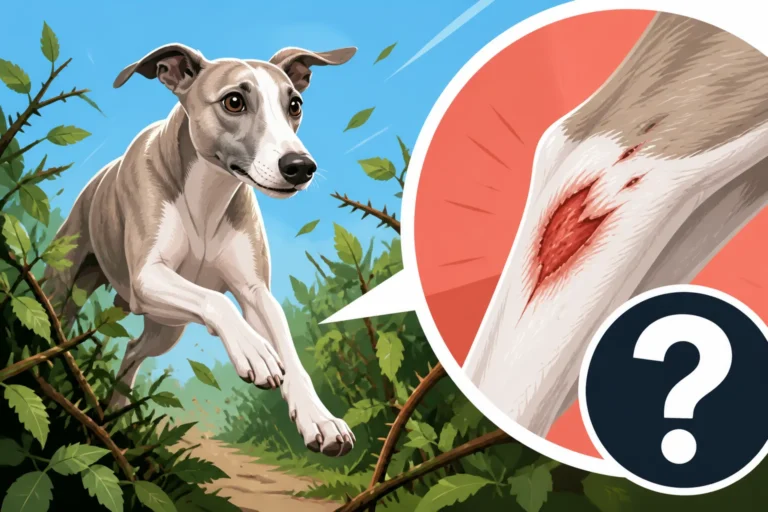
Pad injuries themselves can also occur from running on rough surfaces, broken glass, or sharp objects. Whippets, with their naturally thinner skin, can be particularly susceptible to cuts, abrasions, or punctures to their paw pads. A simple walk on a gravel path can sometimes result in a small cut that might go unnoticed until you see a faint blood trail. These can be surprisingly deep and painful, and because paws are constantly exposed to dirt and bacteria, they have a high risk of infection. Prompt cleaning and protection are essential for healing. For general wound care, keeping a good first aid kit on hand is always a smart idea for Whippet owners.
Preventing Toe Troubles in Your Whippet
Proactive prevention is key to keeping your Whippet's paws healthy and happy. While accidents can and do happen, many toe injuries are preventable with a bit of vigilance and the right habits.
Safe Exercise Environments and Surfaces
One of the most impactful ways to prevent toe injuries is by carefully choosing where your Whippet exercises. While they adore tearing across open fields, ensure those fields are clear of hidden dangers. Look out for broken glass, sharp rocks, discarded debris, or even deep ruts and holes that could trip them up. Running on soft, even surfaces like manicured grass or sand is ideal. Avoid rough gravel, cracked pavement, or areas with dense, thorny undergrowth.
Dog parks can be a mixed blessing. While they offer space to run, they often involve unpredictable interactions with dogs of varying sizes and play styles. A playful but clumsy large dog can easily step on or collide with a lighter-boned Whippet, causing a toe injury. If your Whippet enjoys dog parks, choose times when it’s less crowded, and always supervise closely. Consider places like dedicated, secure sighthound play groups if available in your area, where dogs of similar build and play styles gather. This emphasis on safety extends to their general running habits; a loose Whippet, given their chase instinct, can easily run into unseen hazards, a problem explored in Why a Loose Whippet Runs Into Traffic.
Proper Nail Care and Foot Inspections
This cannot be stressed enough: diligent nail care is paramount for Whippets. Long nails are not only uncomfortable but are a primary contributor to torn nail injuries. You should be able to walk your Whippet and not hear their nails clicking on hard surfaces. If you do, they’re too long. Aim for frequent, short trims rather than infrequent, drastic cuts. This could mean trimming every week or two, depending on your dog's activity level and nail growth rate. If you're nervous about cutting too short and hitting the quick, a Dremel tool can be a fantastic alternative, allowing you to gradually grind the nail back.
Beyond trimming, make a habit of inspecting your Whippet's paws regularly, ideally daily or at least several times a week. After every walk or play session, take a moment to gently check between their pads for any foreign objects like burrs, small stones, or even tiny pieces of glass. Feel each toe and joint for swelling, tenderness, or heat. Look for any redness, cuts, or abrasions on the pads or around the nail beds. Catching a minor issue early can prevent it from escalating into a full-blown infection or more serious injury, potentially saving you a trip to the emergency vet and the associated costs, which an insurer like Healthy Paws can help with.
Protective Gear and Footwear
While many Whippets might protest, protective footwear can be a valuable tool in certain situations. Dog boots, while perhaps a bit comical at first, can shield delicate paw pads from extreme temperatures (hot pavement or icy sidewalks) and abrasive surfaces like sharp rocks or gravel. If you're hiking on challenging terrain or walking through areas known to have sharp debris, a good set of protective boots can make a real difference.
It's important to introduce boots gradually and positively, making them a comfortable experience with treats and praise. Not all Whippets will tolerate them, but even intermittent use for high-risk activities can reduce the chance of injury. For the winter months, when salt and de-icers can irritate paws, or when ice can cause slips and falls, boots offer essential protection. Furthermore, considering your Whippet's need for The Wardrobe a Whippet Needs Because It Has No Body Fat – which usually refers to coats and pajamas – don't forget that paw protection is also part of their essential "wardrobe" for specific conditions.
When to Seek Veterinary Care for a Whippet Toe Injury
No matter how careful you are, injuries can happen. Knowing when a toe injury warrants a vet visit is crucial for your Whippet's health and comfort.
Recognizing the Signs of a Serious Injury
Sometimes a minor cut or a slightly pulled muscle will resolve with a little rest and home care. But other times, it's a sign of something much more serious. Here’s when to pick up the phone to your vet:
- Persistent Lameness: If your Whippet is continuously limping, refusing to bear weight, or showing obvious pain for more than a few hours.
- Swelling and Heat: Significant swelling around a toe or the entire paw, often accompanied by heat to the touch, can indicate inflammation, infection, or a fracture.
- Bleeding That Won't Stop: While torn nails can bleed a lot, if you can't staunch the flow with direct pressure within 10-15 minutes, or if the bleeding is profuse, it's an emergency.
- Deformed Toe or Paw: Any visible deformity, awkward angling, or inability to move a toe normally could point to a dislocation or fracture.
- Deep Puncture Wounds: Punctures, especially from sharp objects, can introduce deep infections and might look deceptively small on the surface.
- Exposed Bone or Tissue: If you can see bone or deep tissue, or if a nail is completely avulsed and the nail bed is exposed, immediate vet attention is necessary to prevent infection and manage pain.
Don't ever hesitate to call your vet if you're unsure. They are there to help, and a quick phone call can often guide you on whether to come in immediately or try home remedies first.
The Importance of Prompt Diagnosis and Treatment
Delaying treatment for a serious toe injury can lead to complications. An untreated fracture might heal incorrectly, causing chronic pain and lameness. An infected wound can spread, leading to cellulitis or even systemic illness. Furthermore, Whippets are stoic dogs. They might try to hide pain, but that doesn't mean it's not severe. Prompt diagnosis with X-rays or a thorough physical exam by a veterinarian can accurately identify the problem.
Early intervention often means a faster, less complicated recovery. It also ensures proper pain management, which is vital for your Whippet's comfort. Remember, your vet knows the unique physiological aspects of sighthounds, like how their bloodwork numbers might look different on a healthy Whippet or their specific anesthesia needs. If you're concerned about costs, discussing treatment plans and getting estimates upfront is always a good idea. Many owners find that a pet insurance policy, like those offered by Healthy Paws, can be an invaluable resource when facing unexpected emergency vet bills, especially for injuries like these.
Managing Recovery and Rehabilitation
Once a toe injury is diagnosed and treated, the recovery phase begins. This often involves strict rest, which can be a challenge for an active Whippet! Your vet might prescribe anti-inflammatory medications and pain relievers. If the injury involves a wound, diligent cleaning and bandage changes (if applicable) are critical to prevent infection. You might also need to use an Elizabethan collar (cone) to prevent your Whippet from licking or chewing at the injury or stitches.
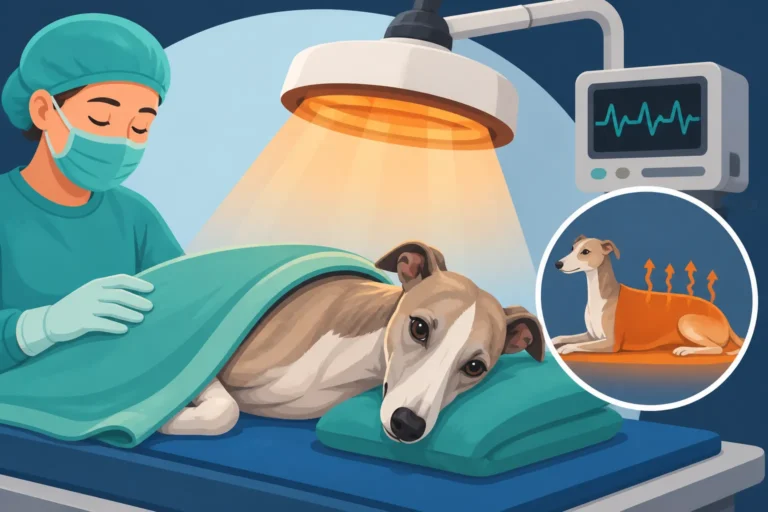
For fractures or severe sprains, the recovery could involve weeks of crate rest and limited activity. Gradually reintroducing exercise, often with short, controlled leash walks, is crucial to prevent re-injury. In some cases, especially with more complex issues or if lameness persists, your vet might recommend physical therapy. This could include controlled exercises, hydrotherapy, or therapeutic laser treatments to strengthen the muscles around the injury and restore full function. Just like with any other injury, like Whether a Whippet's Racing Injuries Heal Fully, patience and adherence to your vet's instructions are paramount for a successful outcome.
Remember, a Whippet's enthusiasm for life means they'll want to get back to running as soon as possible. It's up to us, their devoted owners, to ensure they heal properly and don't push themselves too hard too soon.
| Injury Type | Common Symptoms | Immediate Action | When to See a Vet Immediately |
|---|---|---|---|
| Torn Nail | Sudden yelp, lameness, bleeding, licking paw. | Apply pressure to stop bleeding, clean area gently. | If bleeding is profuse/uncontrolled, nail is fully avulsed, or signs of infection appear. |
| Sprain/Strain | Limping, tenderness, mild swelling, reluctance to bear weight. | Rest, cold pack for 15-20 mins (wrapped), prevent further activity. | If lameness is severe, worsens, or swelling is significant. |
| Fracture | Severe lameness, inability to bear weight, visible deformity, intense pain, swelling. | Prevent further movement, try to keep dog calm, avoid manipulating the paw. | Always an immediate veterinary emergency. |
| Paw Pad Cut/Puncture | Limping, bleeding, lifting paw, licking, visible wound. | Clean with mild antiseptic, apply pressure if bleeding, cover with clean bandage. | If wound is deep, bleeding won't stop, or signs of infection (redness, pus). |
| Corns | Persistent lameness, sensitivity on a specific pad, hard kernel-like growth. | Avoid rough surfaces, use protective boots. | If lameness significantly impacts quality of life, or for diagnosis/treatment options. |
Disclaimer
This article is intended for informational purposes only and does not constitute veterinary advice. Always consult with a qualified veterinarian for any health concerns or before making any decisions about your Whippet's medical care.