Whether a Whippet’s Racing Injuries Heal Fully
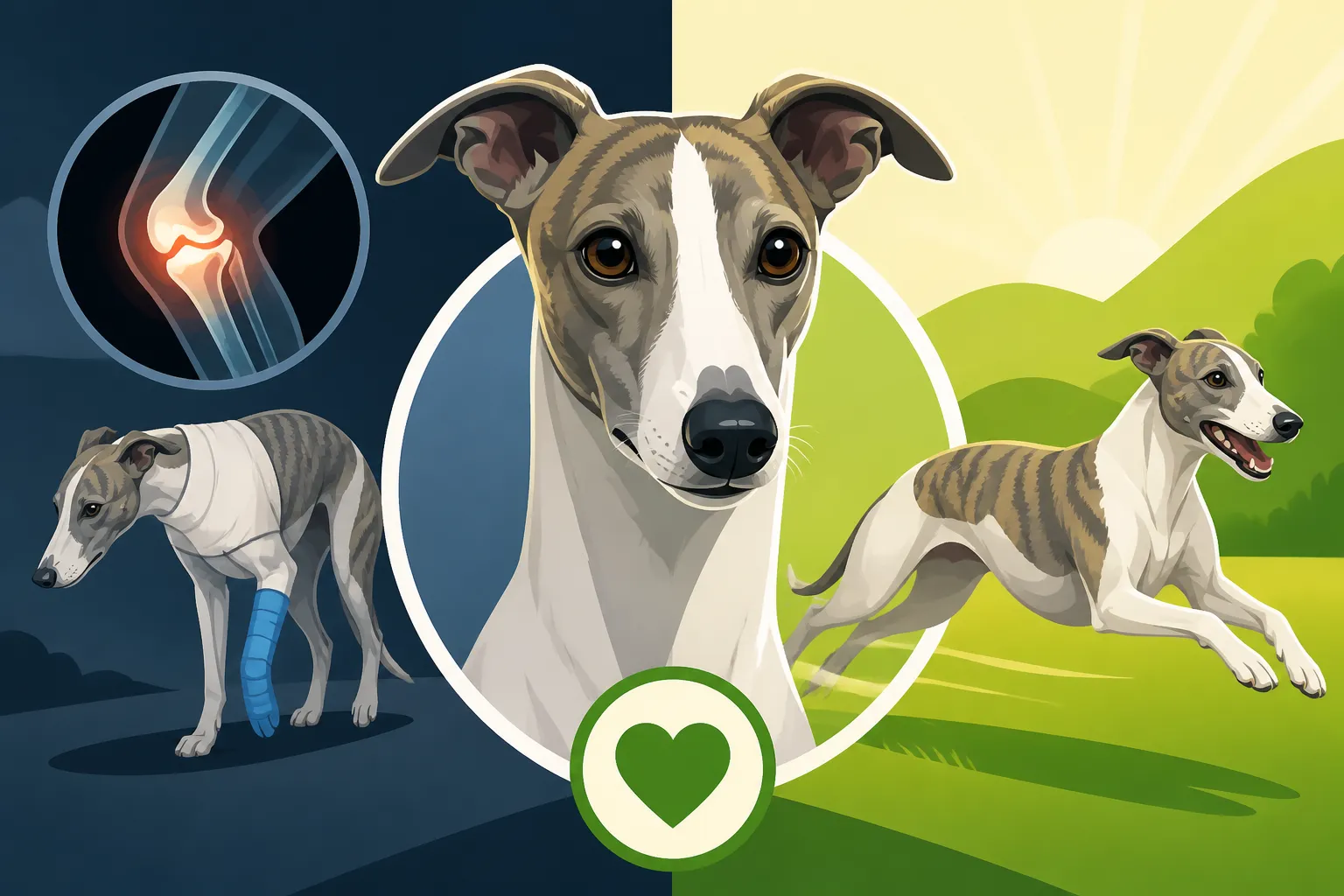
One of the biggest worries for any Whippet owner, especially those who enjoy watching their lean, athletic dogs fly across a field, is the potential for injury. It's a question that keeps many of us up at night: if your beloved Whippet sustains an injury while racing or running, will they ever truly heal, or are they destined for a lifetime of lingering issues? This guide is here to shed light on the healing journey for racing Whippets, offering realistic insights into recovery, the factors that influence it, and what you can do to support your dog.
The Nature of Whippet Racing Injuries
Whippets are built for speed and agility, and their athletic prowess is truly a sight to behold. However, this very design, with their deep chests, slender frames, and powerful musculature, can also make them susceptible to certain types of injuries, particularly when running at top speeds or making quick turns. Understanding the common types of injuries can help you recognize symptoms early and seek appropriate care.
Common Soft Tissue Injuries
By far, the most frequent injuries we see in racing Whippets are those affecting soft tissues: muscles, tendons, and ligaments. These hounds accelerate incredibly quickly and can put immense strain on their bodies. A common scenario is a sudden slip or an awkward landing after a burst of speed, leading to a muscle pull or strain. Think about a human athlete who pulls a hamstring; it's a similar principle for a Whippet's powerful hindquarters or shoulder muscles. These injuries often manifest as lameness, reluctance to put weight on a limb, or a noticeable change in gait. Early detection and immediate rest are crucial for these types of injuries to prevent them from worsening.
Ligament and tendon sprains are also frequent culprits. The delicate structures around their joints, especially in the hocks (ankles) or carpi (wrists), can be overstretched or torn during high-impact maneuvers. A dog might suddenly yelp, pull up lame, and show swelling around a joint. These aren't usually life-threatening, but they demand careful management. Recovery often involves a strict period of rest, anti-inflammatory medication, and a gradual return to activity to allow the torn fibers to heal properly and regain strength. Ignoring these can lead to chronic instability or further injury down the line.
Bone and Joint Injuries
While less common than soft tissue strains, bone and joint injuries can be more severe and require more intensive intervention. Fractures can occur, especially in the long, slender bones of their legs, or in the small bones of their feet, particularly the toes. A bad twist or a collision during a race could lead to a hairline fracture or even a complete break. These are usually immediately apparent due to severe lameness, swelling, and pain. Prompt veterinary attention is non-negotiable, as these types of injuries often require splinting, casting, or even surgical repair to ensure proper alignment and healing.
Joint issues can also arise from acute trauma or repeated stress. Beyond sprains, sometimes a direct impact can lead to bruising of the bone or cartilage damage within a joint. The small, quick turns and explosive starts inherent to racing can put significant stress on every joint from the shoulder to the toes. One specific area often susceptible to injury due to the forces involved in running is a Whippet's toes. Owners often ask Whether a Whippet's Toe Injuries Are Common, and unfortunately, they are. They can range from simple sprains to more complex fractures or even luxations (dislocations) of the toe joints, demanding specialized care and a longer recovery period.
Skin Lacerations and Abrasions
Whippets have incredibly thin, delicate skin, often humorously referred to as "tissue paper skin." This characteristic, combined with their full-throttle running style, makes them highly susceptible to skin lacerations and abrasions. A brush against a fence, a tangle with another dog, or a slide on an uneven surface can easily result in a tear that looks far worse than it often is. While not musculoskeletal, these injuries are a constant concern for owners of active Whippets.
These skin tears, while sometimes dramatic and bloody, generally heal well if cleaned promptly and stitched correctly. However, they can be deep, requiring a trip to the vet for proper closure. The good news is that these superficial injuries rarely impact a Whippet's long-term athletic ability, though they may leave small scars. The main challenge is managing the wound to prevent infection and ensuring the stitches stay in place until healing is complete, which often means an Elizabethan collar or protective wrapping. Owners should always have a basic What Belongs in a Whippet Owner's First Aid Kit ready for immediate treatment of minor cuts and scrapes.
The Healing Process for Whippet Racing Injuries
The road to recovery after a racing injury isn't a straight line. It's a complex process that demands patience, diligent care, and often, a multidisciplinary approach. Understanding each phase of healing can help you better support your Whippet's return to health.
Immediate Veterinary Care
When an injury occurs, the first and most critical step is getting your Whippet to a veterinarian who understands the unique physiology of sighthounds. A swift and accurate diagnosis is paramount. This might involve a thorough physical examination, palpation of the affected area, X-rays to check for bone damage, or even advanced imaging like ultrasound or MRI to visualize soft tissue injuries more clearly. Remember, sometimes The Bloodwork Numbers That Look Wrong on a Healthy Whippet can be confusing to a vet unfamiliar with the breed, so advocating for your dog is important.
Once diagnosed, initial treatment focuses on pain management and stabilizing the injury. This could mean anti-inflammatory medications, pain relievers, cold compresses, or even immobilization with a splint or bandage. For severe injuries like complex fractures or deep lacerations, surgical intervention might be necessary. It's important to remember that Why Anesthesia Is Riskier in a Whippet, so if surgery is on the table, discuss all anesthetic protocols thoroughly with your vet to ensure the safest possible experience for your dog. Your vet will provide a clear treatment plan, which is your roadmap for the initial stages of recovery.
Rehabilitation and Physical Therapy
Simply resting an injury is often not enough for a Whippet to achieve a full recovery, especially if you hope for them to return to their prior level of activity. Rehabilitation and physical therapy play a critical role in restoring strength, flexibility, and proper movement patterns. Just like human athletes, dogs benefit immensely from structured rehab programs designed to target specific weaknesses and imbalances caused by an injury. Many owners wonder Whether a Whippet Needs Physical Therapy After Injury, and for competitive dogs, the answer is almost always yes.
A qualified canine rehabilitation therapist can assess your Whippet's progress and design exercises ranging from gentle passive range of motion stretches and massage to controlled leash walks, balance exercises, and even hydrotherapy (underwater treadmill work). These therapies help prevent muscle atrophy, reduce scar tissue formation, improve joint mobility, and gradually rebuild the strength needed for explosive movements. Without proper rehab, a Whippet might compensate for the injured limb, leading to secondary issues in other parts of their body or an increased risk of re-injury. Consistency in these exercises at home, as guided by the therapist, is absolutely vital.
Nutritional Support and Rest
While physical rehabilitation focuses on external healing, internal processes are equally important. Optimal nutrition provides the building blocks for tissue repair and supports overall health during recovery. A balanced diet rich in high-quality protein, essential fatty acids, and vitamins and minerals is crucial. Your vet might even recommend specific supplements, such as joint support formulas (glucosamine, chondroitin, MSM) or omega-3 fatty acids, to aid in reducing inflammation and promoting tissue regeneration. It’s a good time to revisit Feeding a Whippet That Sprints and Then Sleeps to ensure their diet is supporting recovery, not just daily activity.
Beyond nutrition, adequate rest cannot be overstated. Rest allows the body to dedicate its resources to healing without the added stress of physical activity. This often means strict crate rest, limited leash walks, and preventing exuberant play. This can be challenging with a high-energy Whippet who wants to run, but adherence to rest protocols is non-negotiable for proper healing. Ignoring rest can lead to delayed recovery, improper healing, or even making the injury worse. It's a test of patience for both you and your Whippet, but it's essential for long-term success.
Factors Influencing Full Recovery
The question of whether a Whippet's racing injury will heal fully doesn't have a simple yes or no answer. Several critical factors come into play, influencing the speed, completeness, and long-term outcome of the recovery process.
Severity and Type of Injury
Unsurprisingly, the nature and severity of the injury are perhaps the biggest determinants of recovery. A minor muscle strain (Grade I) will almost certainly heal fully with proper rest and management within a few weeks. Your Whippet might be back to chasing squirrels in no time. However, a complete ligament tear, a complex bone fracture, or significant nerve damage presents a much more challenging recovery path. For example, a severe tear like The Muscle a Whippet Tears Sliding on Wet Grass can take many months to heal completely, sometimes never quite regaining its original strength.
Injuries involving joints are often trickier. While bones typically heal quite strongly, damage to cartilage or ligaments within a joint can lead to long-term issues like arthritis, even after the initial injury appears to have healed. The more invasive the treatment (e.g., major surgery), the longer and more intensive the rehabilitation typically needs to be. Understanding the specific injury, its implications, and the expected healing timeline your vet provides is crucial for setting realistic expectations for recovery.
Age and General Health of the Whippet
Just like people, younger Whippets tend to heal faster and more completely than older ones. Their bodies are more resilient, their cells regenerate more efficiently, and they often have fewer pre-existing conditions that can complicate healing. A young Whippet puppy, while needing careful monitoring for proper growth, typically has a better prognosis for full recovery from trauma.
An older Whippet, however, might have slower healing processes, and underlying health issues such as early-onset arthritis or even Mitral Valve Disease Is What Ends Most Old Whippets could impact their ability to undergo rigorous rehabilitation or tolerate certain medications. Their general body condition, weight, and existing joint health will all play a role. A Whippet that is fit and otherwise healthy going into an injury will generally have a smoother recovery than one who is overweight or has chronic health problems. Proper nutrition and overall wellness are preventative measures that pay dividends if an injury does occur.
Owner Compliance and Follow-Through
This is where the human element becomes incredibly important. The best veterinary care and rehabilitation plans in the world won't be effective if the owner cannot or will not follow through. Adhering strictly to rest instructions, administering medications as prescribed, consistently performing home exercises, and attending all follow-up appointments are paramount. It’s a commitment, sometimes for months, and it can test your patience.
Preventing re-injury during the recovery phase is also a major responsibility. This often means leash-walking only, avoiding slippery surfaces, and using a crate or exercise pen to limit unsupervised activity. Even after the initial healing, gradually reintroducing exercise and activity, as guided by your vet or physical therapist, is critical. Rushing a Whippet back to full activity too soon is a common mistake that can lead to a relapse or a new injury, ultimately prolonging the entire recovery process. This is where patience and dedication truly make a difference in whether a racing injury heals fully. For financial aspects of this commitment, especially if it's a long recovery, looking into pet insurance from providers like Healthy Paws could offer peace of mind.
Long-Term Outlook and Preventing Re-Injury
After weeks or months of dedicated care, the goal is always for your Whippet to return to full health and enjoy life to the fullest. But what does "full healing" really mean for a racing injury, and how can you safeguard against future issues?
Potential for Residual Issues
While many Whippets can make incredible recoveries, it's realistic to acknowledge that some injuries, especially severe ones, can leave lasting marks. Scar tissue, for instance, is a natural part of the healing process, but it can sometimes be less elastic and more prone to re-injury than original tissue. This might mean a slight loss of range of motion in a joint or a muscle that never quite regains its original explosive power.
Long-term, arthritis is a common concern following joint injuries or fractures that involve joint surfaces. Even with the best care, trauma can accelerate the wear and tear on cartilage, leading to pain and stiffness years down the line. While this might not manifest immediately, it's something to monitor for as your Whippet ages. In some cases, a Whippet might experience chronic lameness, especially in colder weather, even if the original injury has "healed." This doesn't mean the recovery wasn't successful, but rather that the body found a new normal. Regular check-ups can help catch and manage these residual issues early.
Modifying Activities and Future Racing
For many owners, the ultimate question is whether their Whippet can return to racing or competitive activities after an injury. The answer depends heavily on the type and severity of the injury, the completeness of the recovery, and your vet's recommendation. For minor strains, a full return to racing might be possible after a careful, gradual reintroduction to exercise. However, for more significant injuries, a complete return to the intense demands of racing might be ill-advised, or at least require significant modification.
This doesn't mean your Whippet's active life is over! There are many ways to keep an athletic Whippet happy and engaged. Perhaps Fast CAT or lure coursing at a more recreational level could be an option, focusing on enjoyment rather than competition. Sometimes, alternative activities like scent work or obedience might be safer. It's about finding a balance between their natural drive and protecting their long-term soundness. If your Whippet's heart is set on running, Whether an Old Whippet Still Wants to Run might offer some insights into adapting their activity levels as they age or after injury.
Proactive Care and Prevention Strategies
The best way to ensure your Whippet heals fully from racing injuries is to try and prevent them in the first place. Proactive measures can significantly reduce the risk of injury. This starts with proper conditioning: don't let your Whippet go from couch potato to full-speed racer overnight. A gradual conditioning program builds muscle, strength, and stamina. Always include Warming Up a Whippet Before It Runs and Cooling a Whippet Down After a Sprint as part of their exercise routine.
Regular veterinary check-ups are also key to catching potential issues before they become full-blown injuries. Your vet can assess joint health, muscle condition, and overall fitness. Maintaining a healthy weight prevents unnecessary stress on joints. Providing soft, supportive bedding throughout your home helps prevent pressure points and ensures quality rest, which contributes to overall musculoskeletal health. For owners worried about the costs associated with preventing or treating injuries, pet insurance plans from companies like Healthy Paws can be a valuable resource, helping to cover unexpected veterinary bills, including those for rehabilitation. Lastly, being mindful of where your Whippet runs – avoiding slippery surfaces, uneven terrain, or areas with hidden obstacles – can make a huge difference in keeping those lithe legs safe.
Disclaimer
This article is for general informational purposes only and does not constitute professional advice. Laws, prices and regulations vary by location and change over time. Consult a qualified professional for guidance on your specific situation.