Whether Two Carrier Whippets Should Be Bred Together
It’s a tough spot, isn't it? As Whippet owners and ethical breeders, we all want to ensure the healthiest, happiest puppies for our beloved breed. When you’re looking at your two gorgeous Whippets, both carriers of the myostatin gene mutation, the thought of breeding them together can be tempting—after all, they might have desirable traits, maybe even that extra burst of speed we all admire. But the truth is, the genetic reality of combining two carriers carries a significant, undeniable risk that can lead to heartbreak and serious health challenges for their offspring. This guide will walk you through exactly why breeding two myostatin carrier Whippets is a decision fraught with ethical dilemmas and potential welfare issues for the puppies produced.
Understanding the Myostatin Gene and Its Impact on Whippets
The world of genetics can feel like a tangled web, especially when you’re deeply invested in the health and future of your dogs. For Whippets, one particular gene, myostatin, has a profound impact, and understanding it is key to making responsible breeding choices. It’s not just a fancy scientific term; it dictates muscle growth and, when mutated, can lead to very distinct physical traits.
What is the Myostatin Gene (MTSN)?
The myostatin gene, often abbreviated as MTSN, is essentially a blueprint for a protein that limits muscle growth. Think of it as a natural brake pedal for muscle development. Every dog, every mammal even, has this gene. In a typical Whippet, the myostatin gene functions normally, allowing for that sleek, athletic build we know and love. However, a specific mutation in this gene, often called the "bully" gene, changes how this brake pedal works. Instead of limiting muscle growth effectively, the mutation can cause muscles to develop in an exaggerated way. For a deeper dive, you might want to read more about What Myostatin Does in a Whippet.
Understanding Carrier Status: The "One Copy" Scenario
When we talk about a Whippet being a "carrier" for the myostatin mutation, it means your dog has inherited one copy of the normal myostatin gene and one copy of the mutated "bully" gene. They carry the mutation, but they don't typically display the extreme double-muscled phenotype themselves. In fact, many Whippet owners and even some breeders might not realize their dog is a carrier without specific genetic testing. The fascinating thing is, carrying just one copy of this mutation often results in a dog that is more muscular and often faster than a Whippet with two normal copies of the gene. There's a whole discussion around Why one copy of the Bully gene makes a Whippet faster, and it’s why this gene has become a topic of interest, particularly in racing lines. These dogs are phenotypically normal, perhaps even excelling in performance, but genetically, they hold a hidden risk.
The Bully Whippet Phenotype: The "Two Copy" Reality
This is where the real concern lies. If a Whippet inherits two copies of the mutated myostatin gene – one from each parent – they will develop what's commonly known as "Bully Whippet Syndrome." This isn't just a slightly more muscular dog; these Whippets are severely double-muscled, often with a vastly different appearance and body structure than the standard. They have an almost exaggerated musculature, particularly in their hindquarters and neck. We cover this extensively in our article, What two copies do to a Whippet, and also delve into the broader implications in Bully Whippet Syndrome and the Myostatin Gene Behind It. While their appearance might seem "unique" to some, it often comes with a host of practical and health challenges that are far from desirable in the long run.
The Inevitable Risks of Breeding Two Myostatin Carriers
This is the core of the dilemma, and it’s a genetic certainty that every responsible breeder must face. When you breed two dogs who are both carriers for a recessive gene mutation, you're rolling a genetic dice with predictable, and potentially devastating, odds for their puppies.
Punnett Square Predictions: The Hard Truth
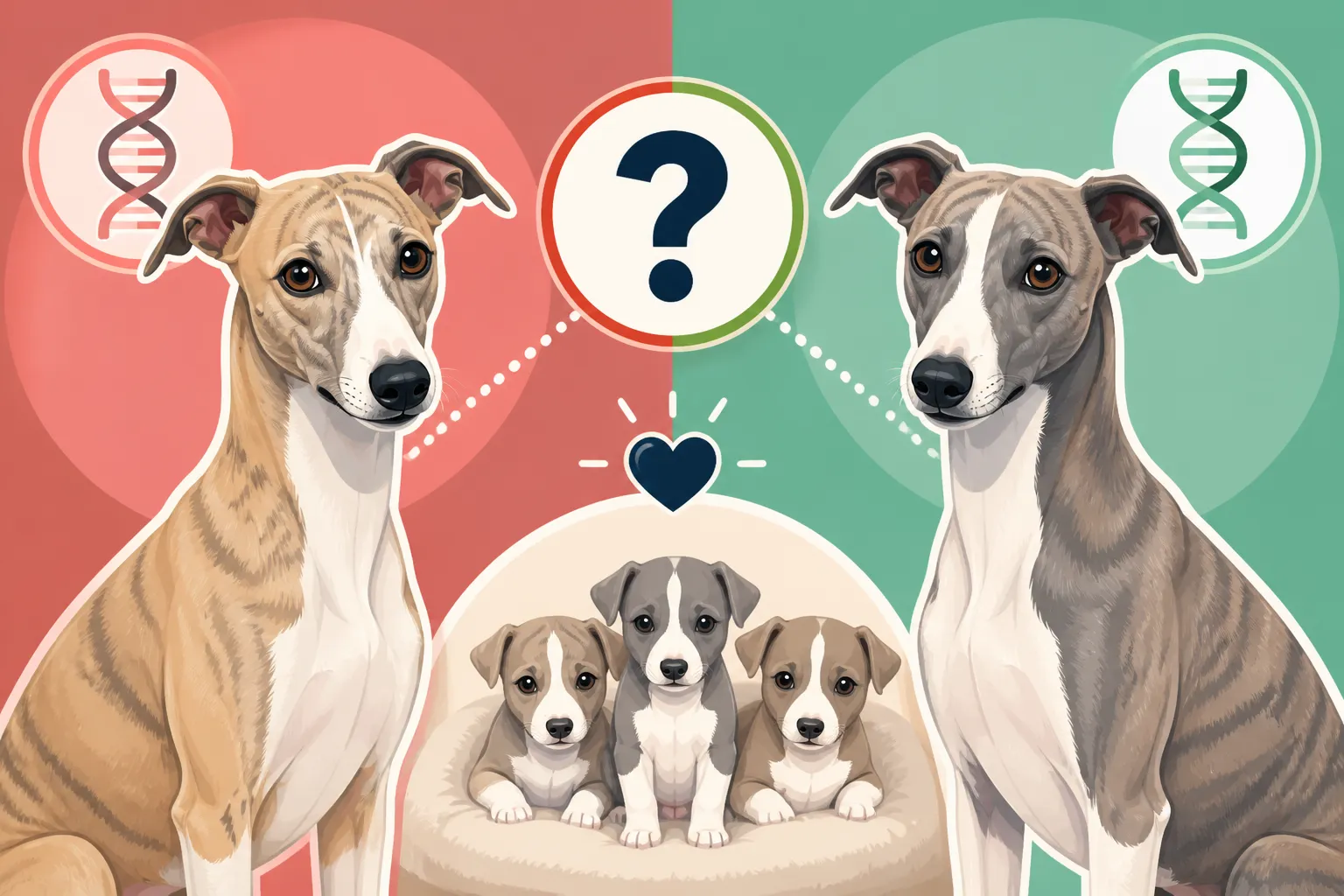
Let’s talk about the genetic math, which is unfortunately unavoidable. When you breed two Whippets who are both carriers (let's represent the normal gene as 'M' and the mutated gene as 'm'), both parents have a genotype of Mm. The probabilities for their offspring are clearly laid out by a Punnett square:
| M | m | |
|---|---|---|
| M | MM | Mm |
| m | Mm | mm |
As you can see, the outcome is stark:
- 25% chance (MM): Puppies will inherit two normal copies of the gene. They will be "clear" – not affected, and not carriers.
- 50% chance (Mm): Puppies will inherit one normal and one mutated copy. They will be "carriers," just like their parents.
- 25% chance (mm): Puppies will inherit two mutated copies. These are the "bully" Whippets, genetically affected by the syndrome.
This means that for every litter produced by two carrier Whippets, statistically, one in four puppies will develop Bully Whippet Syndrome. This isn't a rare fluke; it's a predictable, high-percentage outcome that no ethical breeder can ignore.
Health and Welfare Concerns for Affected Pups
While the initial appeal of a "super muscular" dog might exist for some, the reality for a bully Whippet is often far from glamorous. These dogs frequently face significant health and welfare challenges throughout their lives. Their extreme musculature can lead to:
- Mobility Issues: The sheer bulk of muscle can make normal movement difficult, leading to a stiff gait or reduced agility compared to typical Whippets. This isn't just about racing; it's about everyday comfort.
- Cramping and Muscle Stiffness: Many bully Whippets experience frequent muscle cramps, especially after exercise or even excitement. This can be painful and severely limit their ability to play or participate in activities. You can read more about Why a Bully Whippet Cramps in detail.
- Jaw Problems: The powerful muscle development can even extend to their head and jaw, leading to malocclusions or other dental issues, making eating uncomfortable or difficult. We have an entire article dedicated to The Jaw Problems a Bully Whippet Develops.
- Thermoregulation Challenges: Their body composition can affect how they regulate temperature, potentially leading to overheating.
- Reduced Lifespan and Quality of Life: While some bully Whippets can live relatively normal lifespans as pets, many face ongoing health issues that require specialized veterinary care. The question of Whether a Bully Whippet lives a normal life is complex, and often, the answer leans towards "not without significant challenges." These challenges can mean increased vet bills, even with a robust pet insurance plan like Healthy Paws.
Beyond the physical, there’s the question of Whether a Bully Whippet can race. While their strength might suggest speed, the cramping and structural issues often make them unsuitable for intense athletic competition. More importantly, their quality of life as a companion animal can be compromised, requiring dedicated and often expensive care to manage their unique needs.
Impact on the Breed Standard and Genetic Diversity
Breeding two carriers not only risks the health of individual puppies but also has broader implications for the Whippet breed. The Whippet standard emphasizes a specific athletic, elegant build—not exaggerated musculature. Purposefully breeding for a condition that deviates so drastically from the standard, and which carries inherent health risks, goes against the principles of responsible breeding. It can also inadvertently reduce overall genetic diversity if the focus shifts away from balanced health and conformation. Responsible breeders aim to improve the breed, not introduce known genetic health problems into the gene pool.
Responsible Breeding: Testing and Decision Making
Given the predictable risks, what's a responsible breeder to do? The answer lies in proactive testing, informed decision-making, and a commitment to the long-term health of the breed.
The Importance of DNA Testing
The first, and arguably most crucial, step is to know the myostatin status of your breeding dogs. There’s a specific, reliable DNA test available that can identify whether a Whippet is clear (MM), a carrier (Mm), or affected (mm). You can find out more about The DNA Test That Finds the Whippet Myostatin Mutation. This test is readily available to owners and breeders alike, so there's no excuse for ignorance. Whether a Whippet owner can order the Myostatin test is a resounding yes, and knowing your dog's status empowers you to make educated choices. The cost of such a test, as detailed in What the Myostatin test costs on a Whippet, is a minor investment compared to the potential costs and heartache of caring for an affected puppy. Testing should be a non-negotiable part of your pre-breeding health checks, alongside other important screens detailed in articles like The Health Tests Both Whippet Parents Should Have.
Navigating Breeding Decisions
Once you know your dogs' myostatin status, the path forward becomes clear.
- If both dogs are clear (MM x MM): All puppies will be clear (MM). No risk of affected or carrier pups. This is the ideal scenario for breeding.
- If one dog is clear (MM) and one is a carrier (Mm): All puppies will either be clear (MM, 50% chance) or carriers (Mm, 50% chance). Crucially, no puppies will be affected (mm). This is a perfectly acceptable and ethical breeding combination if you choose to use a carrier, as it allows you to utilize a dog with other excellent qualities without producing affected offspring. You would then test the puppies and only breed the clear ones or breed the carrier puppies with clear mates in the next generation.
- If both dogs are carriers (Mm x Mm): As discussed, this carries a 25% risk of producing affected (mm) puppies. This is the pairing that should be avoided entirely by ethical breeders.
The goal should always be to avoid producing affected puppies. If you have a fantastic carrier male or female, you absolutely can incorporate them into your breeding program, but only by pairing them with a clear mate. This ensures the line continues without the welfare risks of bully Whippets.
Breeder Responsibility and Transparency
Ethical breeding isn’t just about making the right choices for your own dogs; it's about safeguarding the future of the breed and supporting responsible pet ownership. As a breeder, you have a responsibility to:
- Test all breeding stock: Make myostatin testing a standard part of your health clearances.
- Be transparent: Share test results openly with potential puppy buyers. If a puppy is a carrier, ensure the new owner understands what that means and the implications if they ever consider breeding.
- Educate buyers: Explain the myostatin gene, its different statuses, and the importance of testing. This helps prevent future accidental breedings of two carriers by owners who might not be as informed. This level of transparency also builds trust and demonstrates a genuine commitment to the breed's health.
Remember, How common the Bully Whippet mutation is means that carriers are not rare, and careful management is key to preventing the spread of the affected gene within the general pet population.
The Broader Ethical Landscape of Breeding
Breeding isn't just about physical health; it's about the ethical considerations we owe to our animals and the integrity of the breed we cherish.
Prioritizing Health Over Performance
It’s no secret that the myostatin gene has garnered attention in performance circles because of Why one copy of the Bully gene makes a Whippet faster. A single copy of the mutation can indeed give a Whippet an edge in speed and muscle definition, making them highly desirable for racing or lure coursing. This has led to some intentional selection for carriers in competitive lines. However, this pursuit of speed must never overshadow the fundamental principle of prioritizing health and welfare.
The fact remains that breeding two carriers to chase that marginal performance gain in some offspring also means deliberately producing individuals who will face significant, often painful, health struggles. Even if Whether a Bully Whippet can race is a question some might ask, the deeper ethical question is whether we should knowingly create a dog with such predispositions, regardless of potential speed. The answer, for any truly ethical breeder, is a resounding no. The temporary thrill of speed cannot outweigh a lifetime of potential discomfort for an affected dog.
Supporting Informed Puppy Buyers
A well-informed puppy buyer is a responsible puppy owner. As breeders, we play a pivotal role in educating those who bring our puppies into their homes. If you breed a carrier to a clear Whippet, some of the puppies will inevitably be carriers. It’s crucial to:
- Clearly disclose carrier status: Explain what being a carrier means and what it doesn't mean for their pet. Emphasize that carriers are healthy, normal Whippets.
- Explain future breeding implications: Advise them that if they ever consider breeding their carrier Whippet, they must pair it only with a clear mate to prevent producing affected offspring. This is especially important as the cost of breeding and all the associated tests for a Whippet are significant.
- Provide test results: Give them copies of the myostatin test results for both parents and, if available, for their specific puppy.
Empowering puppy buyers with this knowledge helps prevent accidental "bully" litters in the future and maintains genetic health across the breed.
The Role of Pet Insurance
Even with the most diligent breeding practices and genetic testing, owning a dog inevitably comes with the potential for unexpected veterinary needs. This is true for any Whippet, regardless of their myostatin status. However, for a "bully" Whippet, the likelihood of needing ongoing or specialized care for cramping, jaw issues, or mobility problems is significantly higher. In such scenarios, having comprehensive pet insurance can make a world of difference. Companies like Healthy Paws offer robust coverage that can alleviate the financial strain of extensive veterinary treatments. While insurance can't prevent genetic conditions, it provides a crucial safety net for owners facing the realities of their dog's health needs, ensuring they can afford the best possible care for their companion, even if it's a bully Whippet that has slipped through the cracks of responsible breeding. It offers peace of mind when confronting those inevitable, often costly, health challenges.
Disclaimer
Please remember that this article provides general information and should not replace professional veterinary advice. Always consult with a qualified veterinarian or a certified veterinary geneticist for specific guidance regarding your Whippet's health, breeding plans, and genetic testing results.