Why Whippets Were Weighed Before a Race
For those of us who adore our Whippets today, curled up on the sofa or zipping across a carefully vetted, secure field, it's easy to forget the humble, hardworking origins of the breed. But if you delve into the history of Whippet racing, particularly the rag racing tradition, you quickly encounter a fascinating detail: Whippets were often weighed before a race. This might seem strange for such a lean, athletic dog, but it was a crucial practice born from the spirit of fairness and community competition, and understanding why sheds light on the very essence of the Whippet's history and purpose.
The Foundations of Early Whippet Racing and Betting
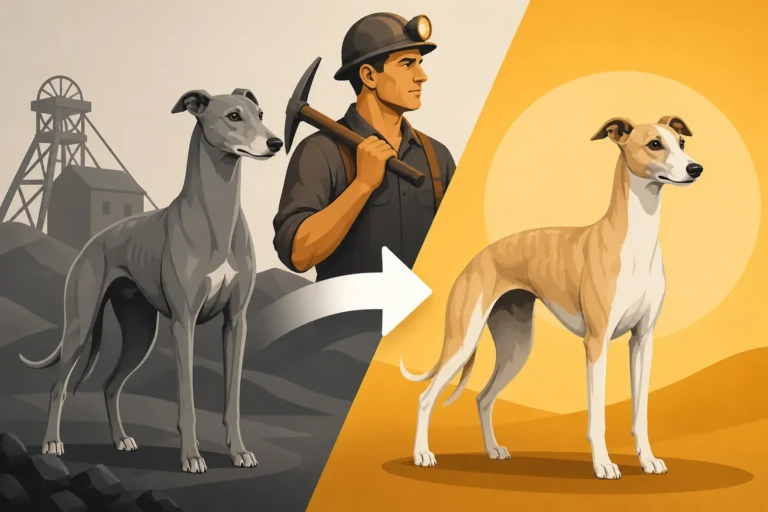
To truly understand why weighing a Whippet was such a pivotal part of early racing, we need to transport ourselves back to the Northern English coalfields, where the breed as we know it began to take shape. This wasn't a sport for the wealthy elite; it was the passion of working-class men who poured their hearts, meager wages, and pride into their beloved dogs.
The Humble Origins of Whippet Racing
Imagine a time when a day in the coal mines was brutally long and dangerous, and leisure was a rare, precious commodity. For these miners, their Whippets were more than just pets; they were companions, hunters, and, most importantly, athletes. These dogs were literally known as The Poor Man's Racehorse: Whippets in the Northern Coalfields because they offered an accessible form of sport and entertainment that didn't require the vast resources needed for horse racing. They were bred for speed and a keen chasing instinct, a testament to the ingenuity and selective breeding practiced by men with limited means but immense dedication. The lineage of these dogs, often tracing back to smaller Greyhounds and various terriers, was carefully honed to produce a dog that could excel on the makeshift tracks of the industrial landscape.
These were not dogs kept in grand kennels, but often lived alongside their families, sharing beds and table scraps. The bond was profound, and the success of a Whippet on the track brought not only bragging rights but often a much-needed financial boost. Miners would save and scrimp to feed their dogs, understanding that proper conditioning meant the difference between victory and defeat. This intimate connection meant that every aspect of a dog's well-being, including its weight, was meticulously observed and managed, often with the help of simple, available resources from local shops like general stores or early versions of pet supply retailers, though certainly not in the same vein as today's convenient online stores like Chewy.
Rag Racing: A Test of Speed and Wits
The most common form of early Whippet competition was "rag racing." This wasn't about a starting gate and a finish line with electronic timers. Instead, it was a much more primal and engaging spectacle. Picture a long, straight track, often simply a stretch of open ground or a lane between houses, sometimes as long as 200 yards. The dogs would be held at a starting line, often by a handler who would release them at the crack of a pistol or a shouted command. At the finish line, their owner, or a "caller," would wave a rag – a piece of cloth, often a towel or handkerchief – while calling the dog's name, enticing it to run its fastest. The dogs were driven by their powerful prey drive, launching themselves forward in pursuit of the moving rag, a behavior deeply ingrained in How a Whippet Rag Race Was Run.
The atmosphere at these races was electric, a mixture of anticipation, excitement, and fierce loyalty. Spectators would gather, placing bets, shouting encouragement, and living vicariously through the lightning-fast dashes of these slender hounds. It was a community event, a release from the week's arduous labor, where everyone knew the dogs and their handlers, and reputations were built and lost on the speed of a Whippet. This communal betting aspect made fairness absolutely paramount, as Rag Racing and the Week's Wages Riding on a Whippet often depended on the outcome.
Why Weight Mattered: The Fairness of the Race
In such a high-stakes, community-driven sport, any perceived advantage or unfairness could lead to disputes, arguments, and even outright accusations of cheating. This is where the practice of weighing Whippets before a race became absolutely essential.
Leveling the Playing Field for All Whippets
The primary reason for weighing Whippets was simple: to ensure a level playing field. In a race where sheer speed was the goal, a heavier dog might be seen as having a disadvantage, or, conversely, a particularly light dog might be perceived as having an unfair edge in certain conditions. The concept was to group dogs by weight class or to apply handicaps based on their weight, ensuring that each dog competed against others of similar build or had an adjustment made to their starting position or the odds. This wasn't about finding the fastest Whippet overall, but the fastest Whippet among its peers or under adjusted conditions.
Without a standardized weighing process, an unscrupulous owner might try to gain an advantage by underfeeding their dog to make it lighter and potentially faster, or by presenting a dog that was significantly outside the expected norm for its class without disclosure. The weigh-in prevented such practices, maintaining the integrity of the race and the trust among the betting participants. It established a transparent benchmark that everyone could agree upon, a common standard for competition. It also gave a clear understanding of the dog's physical state, as How Whippets Were Conditioned Before Racing was a serious business for these dedicated owners.
Handicapping: A Common Practice in Early Sports
The idea of handicapping based on weight wasn't unique to Whippet racing; it's a practice deeply embedded in many historical and contemporary sports. Think of horse racing, boxing, or even certain sailing competitions. The goal is to create more exciting and unpredictable contests by mitigating inherent physical advantages or disadvantages. For Whippets, whose speed and build were everything, weight was a tangible, easily measured factor that could be used for this purpose.
In rag racing, handicapping often involved allowing lighter dogs a head start or adjusting the distances they had to run. This meant that a smaller, perhaps less powerful, Whippet still had a legitimate chance to win, making the races more inclusive and thrilling for all involved. It fostered a sense of community where even a dog that wasn't a natural powerhouse could still achieve glory. This sophisticated approach to fairness, born from necessity and a deep understanding of their animals, speaks volumes about the early Whippet enthusiasts and their commitment to the sport. The stakes were often quite personal, making The Fixing of Whippet Races a serious concern that these measures aimed to prevent.
The Mechanics of Whippet Weigh-Ins
So, what did these weigh-ins actually look like? Far from sterile, modern veterinary scales, these were often rudimentary affairs, but no less serious in their application.
The Weighing Process and Its Strictures
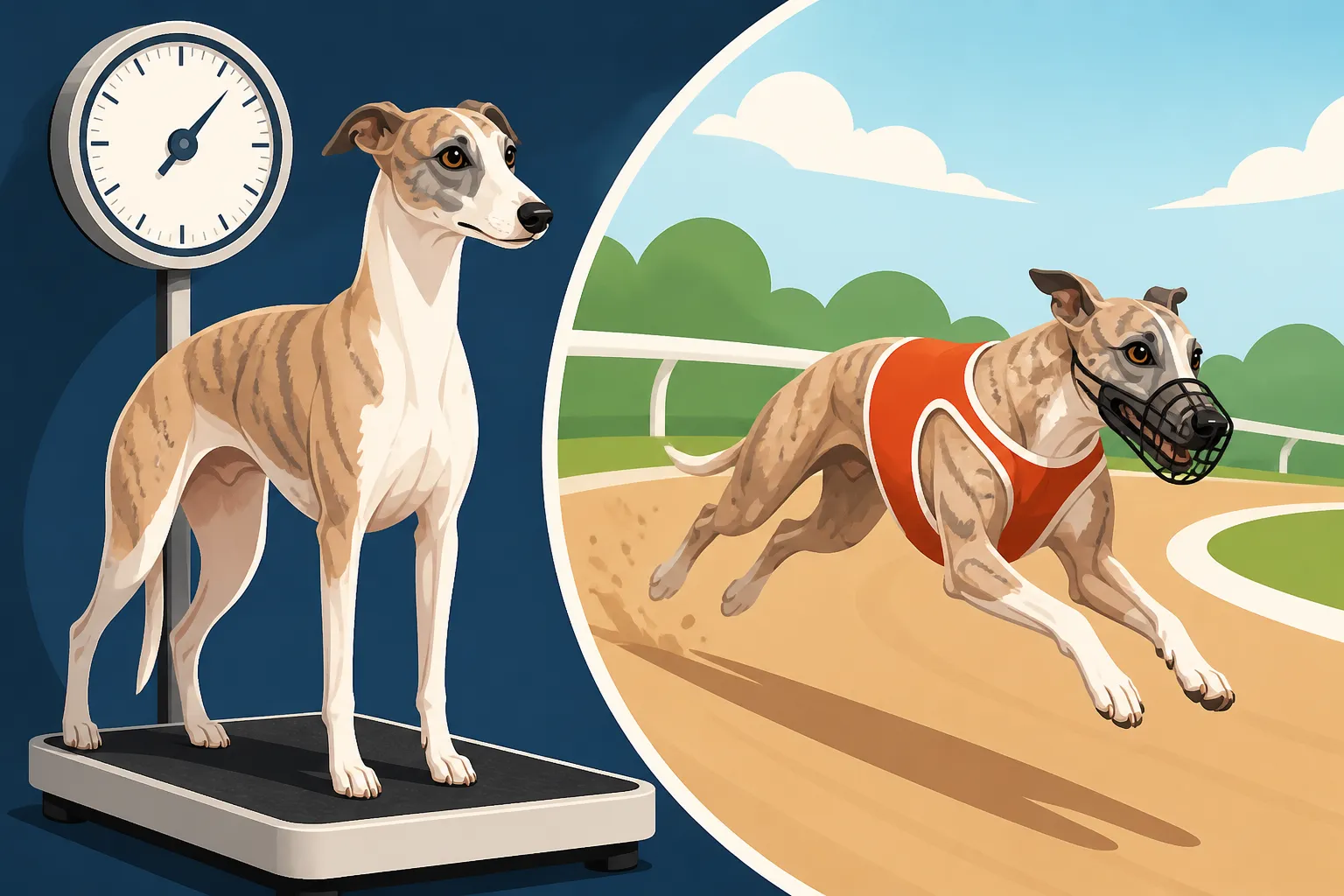
The weigh-ins were typically conducted by a designated official or a committee of respected community members before the races commenced. Imagine the scene: a simple set of scales, perhaps like those found in a local grocer's, brought out for the occasion. Each Whippet would be presented, often by its owner, and carefully placed on the scales. The weight would be recorded, usually in a logbook, and then compared against the established weight classes or handicapping rules for that particular race day. There was a strict adherence to these rules, as any deviation could lead to disqualification or a re-assignment to a different race.
This process wasn't just about recording a number; it was a public declaration, witnessed by fellow competitors and bettors. It added to the ritual and gravitas of race day. The weight recorded would determine everything from which heat a dog ran in to the odds placed on it. For the working men who owned these dogs, precise record-keeping, even with basic tools, was paramount to preserving the integrity of their beloved sport. It’s a testament to the dedication to their dogs and the desire for fair competition, even when operating with limited resources.
Impact on Wagers and Community Trust
The direct link between a Whippet's official weight and the betting scheme was undeniable. Punters, having seen the weigh-ins, could then place their wagers with confidence, knowing that the dogs were competing on fair terms. This transparency was crucial for maintaining community trust, especially when The Legality of Early Whippet Racing was often in a grey area. If an owner felt another dog had an unfair advantage, it could quickly sour the atmosphere and even lead to unrest.
The weigh-in, therefore, served as a crucial pillar of the entire rag racing ecosystem. It legitimized the sport, reinforced community bonds (even through fierce rivalry), and ensured that winnings were perceived as genuinely earned. It was a simple yet profoundly effective mechanism for self-regulation in a sport that was deeply woven into the social fabric of the industrial towns. Even today, responsible pet ownership, including monitoring a dog's weight and sourcing quality food from places like Chewy, is about ensuring their well-being and peak performance, albeit for different reasons than race day.
| Feature | Historical Rag Racing | Modern Whippet Racing (e.g., NOTRA, Fast CAT) |
|---|---|---|
| Purpose of Weigh-in | Fairness, handicapping, prevent cheating, ensure even competition for betting | Often less direct emphasis on weight classes, more on breed standard (though weight limits can exist for specific events/classes) |
| Track/Setting | Improvised fields, lanes, dirt tracks | Organized, designated lure coursing fields, straightaways |
| Lure | Hand-waved rag, often by owner/caller | Mechanical lure (plastic bags, strips of cloth) on a pulley system |
| Betting | Common, often central to the event, community-based | Less common or formal, focus on sport/titles, though some casual wagers may occur |
| Dog Preparation | Intense physical conditioning, careful feeding for peak race weight | Structured training, specialized diets (e.g., performance foods found at Chewy), veterinary oversight |
| Rules | Often informal or locally enforced community rules | Standardized rules by national organizations (AKC, ASFA, NOTRA) |
Modern Day Whippets and the Legacy of the Weigh-In
While the rag racing weigh-in might seem like a relic of the past, its spirit of ensuring fair play and understanding a Whippet's physical condition continues to resonate in modern Whippet care and sports.
The Evolution of Whippet Racing Standards
Today, Whippet racing and lure coursing are highly organized sports, with governing bodies like the National Oval Track Racing Association (NOTRA), the American Sighthound Field Association (ASFA), and the American Kennel Club's (AKC) Fast CAT program. These organizations have sophisticated rules and regulations that cover everything from dog safety to track specifications. While weight classes aren't as prevalent as they once were in casual rag racing, specific events or categories might still have weight or height limits to ensure fair competition. For instance, sometimes certain trials might specify a maximum weight for a Whippet to run in a particular class.
The emphasis has shifted from informal betting on a dog's "race weight" to a focus on the Whippet's overall health and athletic conditioning. Modern racing Whippets are meticulously cared for, with diets tailored to their high energy needs, regular veterinary check-ups, and structured training programs. The goal isn't just to win, but to celebrate the breed's incredible athleticism and maintain its health throughout its racing career. For many, the joy is in seeing it still want to run (Whether an Old Whippet Still Wants to Run) into its senior years. When considering the costs of these activities, it's worth noting What NOTRA Racing Costs a Whippet Owner or What a Fast CAT Run Costs a Whippet Owner, which reflect the structured nature of today's events.
Understanding Whippet Body Condition Today
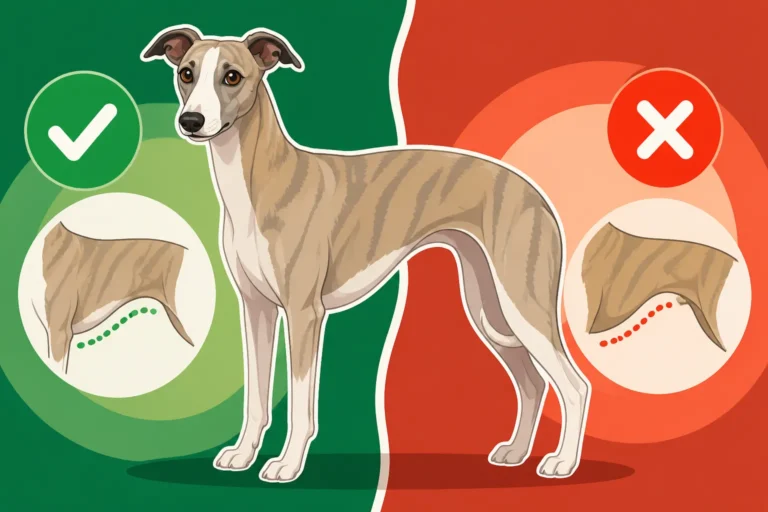
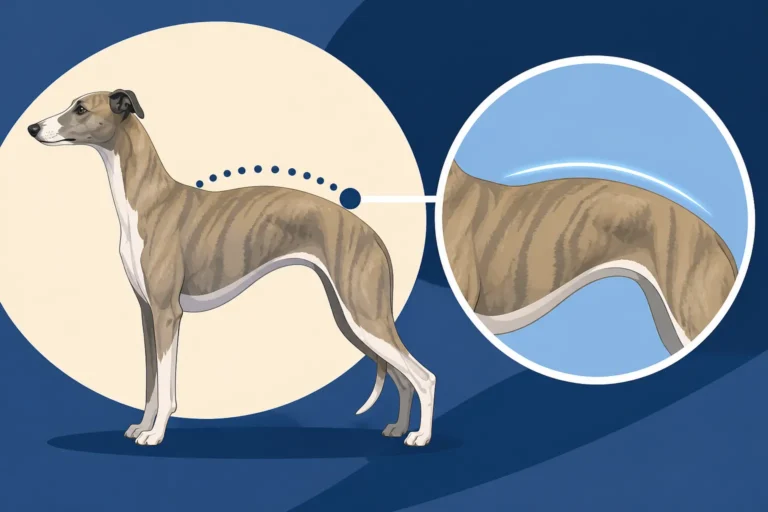
The historical attention to a Whippet's weight continues in a different form today: understanding proper body condition. A healthy Whippet is naturally lean, and unlike many other breeds, you should be able to feel their ribs and see a distinct tuck-up. However, there's a fine line between lean and underweight. Many people unfamiliar with sighthounds often mistakenly think a perfectly healthy Whippet is too thin. This can lead to well-meaning but misguided comments from strangers who are used to seeing dogs with more body fat.
For a Whippet owner, regularly Feeling a Whippet's Ribs and Hip Bones is a vital part of health monitoring. You should be able to feel the ribs easily, like feeling the knuckles on your hand when your palm is flat, but they shouldn't protrude sharply or be visible from a distance without effort. The hip bones and spine should also be palpable but not overly prominent. This careful balance is what contributes to a Whippet's incredible speed and agility, allowing them to excel in pursuits like Lure Coursing and Fast CAT. Maintaining this ideal body condition requires high-quality nutrition, and many owners rely on reputable sources for their dog food and supplements, often turning to convenient options like Chewy to ensure consistent supply.
While modern veterinary science and organized sports have replaced the informal weigh-ins of yesteryear, the core principle remains: understanding and managing a Whippet's physical condition is fundamental to their performance, health, and well-being. It's a legacy that ties our modern companions back to their origins as the "poor man's racehorse," a breed whose speed and spirit were, and still are, celebrated.
Disclaimer
This article is for general informational purposes only and does not constitute professional advice. Laws, prices and regulations vary by location and change over time. Consult a qualified professional for guidance on your specific situation.