How Long a Whippet Rag Race Course Was
For anyone who loves Whippets, it's easy to get lost in the rich history of these incredible dogs, especially when we think about their origins in the coalfields of Northern England. The image of working-class men gathering for a "rag race" is iconic, but understanding the practicalities of these events – like just how long a Whippet rag race course actually was – helps us truly appreciate the breed's foundational athleticism and the ingenuity of their early fanciers. This guide will take a deep dive into the historical context and specific details of these fascinating races.
The Humble Beginnings of Whippet Rag Racing
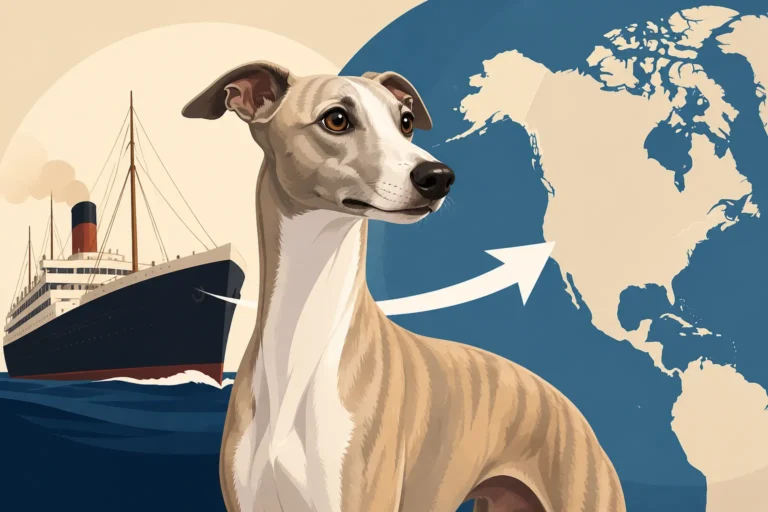
Imagine the scene in a small mining village in England, perhaps Northumberland or Yorkshire, in the late 19th or early 20th century. Miners, after a long week of grueling work underground, found joy and a sense of community in their Whippets. These weren't just pets; they were companions, often sleeping in the family bed to keep warm, and on Sundays, they were the stars of the show. The racing tradition, known as "rag racing" or "snap dog" contests, was born out of necessity and a deep love for these swift, agile dogs. It offered a thrilling escape, a chance for bragging rights, and sometimes, a little extra money for the family. The Poor Man's Racehorse: Whippets in the Northern Coalfields truly captures this spirit, showing how these events were woven into the fabric of working-class life.
The concept was beautifully simple, yet incredibly effective for demonstrating a Whippet's incredible speed. Unlike modern track racing with elaborate starting boxes and mechanical lures, rag racing relied on human handlers and a piece of cloth – the "rag." This meant the course didn't need permanent structures; it could be set up in any suitable open field or stretch of land available to the community. This adaptability was key, as these miners didn't have access to dedicated facilities. They made do with what they had, turning ordinary landscapes into exhilarating race tracks for their beloved dogs.
These early races weren't just about speed; they were a testament to the Whippet's intense prey drive and their bond with their owners. The dogs weren't just running; they were chasing a familiar object, often waved by their own owner, which they had been conditioned to pursue with every ounce of their being. This direct, personal involvement of the owner made the finish line a spectacle of pure joy and explosive energy. It’s no wonder they called the Whippet the Why the Whippet Was Called the Lightning Rag Dog.
The Social and Economic Impact on Course Design
The nature of the communities meant that vast, perfectly flat stretches of land were a luxury. Rag races often took place on common land, rough fields, or even along quiet country lanes. This lack of highly manicured tracks directly influenced the length and layout of the courses. They had to be adaptable, relatively short, and capable of being set up quickly by the participants themselves. The races were grassroots events, organized by the people for the people, with little formal regulation in their earliest days.
Betting was a massive part of the appeal, often involving Rag Racing and the Week's Wages Riding on a Whippet. This meant races had to be quick, exciting, and provide clear winners, which further pushed for manageable lengths. A course that was too long would be difficult to judge, harder to contain spectators, and would diminish the burst of speed that made Whippets so captivating. The course length was a pragmatic choice, balancing the dog's natural abilities with the practical constraints of the environment and the need for a swift, decisive outcome.
Furthermore, the dogs themselves, though incredibly athletic, were not conditioned for endurance over long distances in these specific events. Their strength lay in their explosive acceleration and top-end speed over a short burst. The course length was tailored to highlight this particular attribute, making for a truly thrilling spectacle. It's a fascinating insight into How Miners Built the Whippet From a Greyhound They Could Afford – they created a dog perfectly suited to this style of intense, short-burst racing.
The Typical Length of a Whippet Rag Race Course
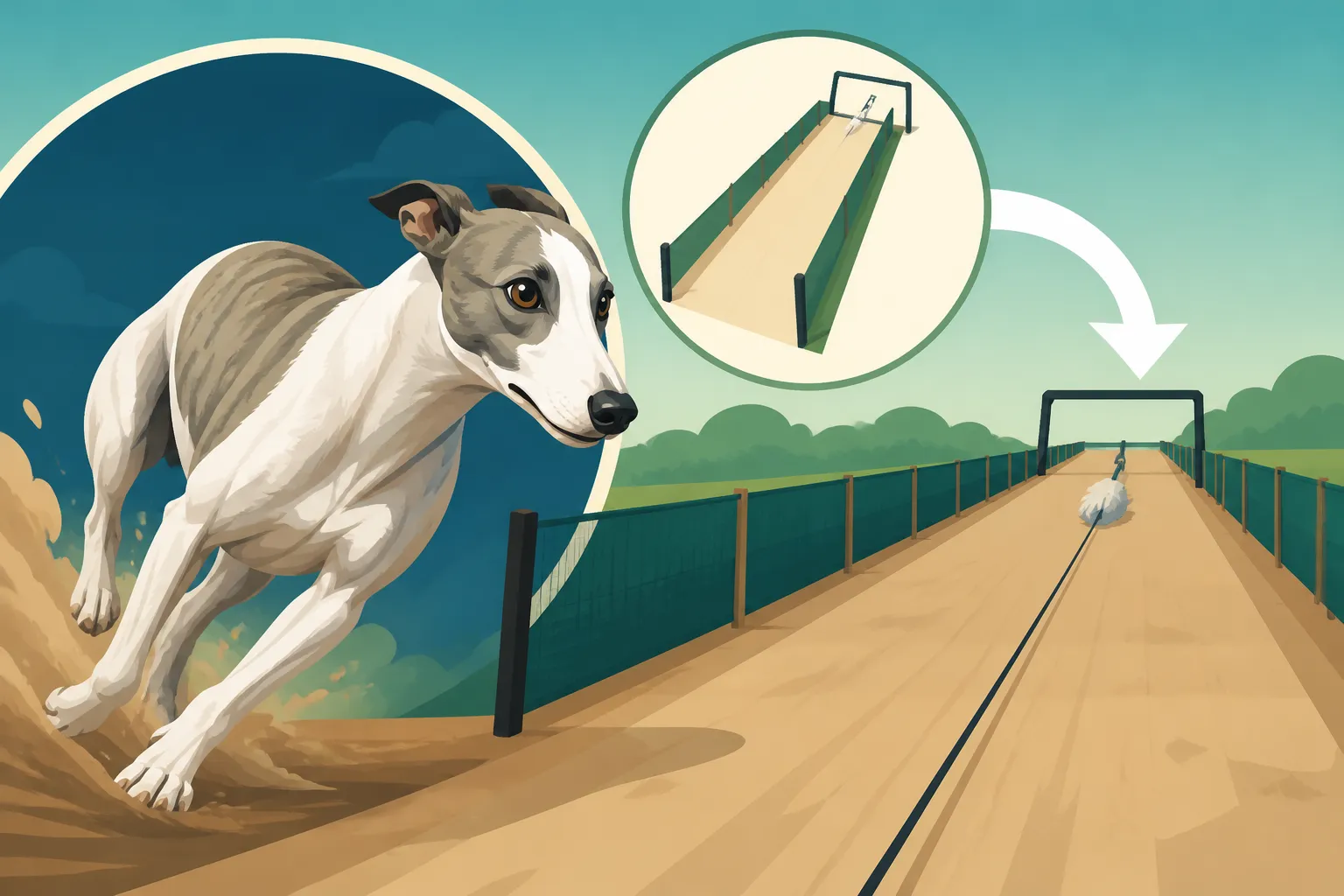
So, to answer the burning question: how long was a Whippet rag race course? Historically, these races were remarkably consistent in their length, typically covering a straight course of about 200 yards. This translates to roughly 183 meters. This distance was ideal for showcasing the Whippet's incredible acceleration and top speed without demanding prolonged stamina, which wasn't the focus of these sprint events.
Think of it: 200 yards is a significant sprint, long enough for a Whippet to really "open up" and hit its peak speed, but short enough to be contained within a readily available field. The sheer speed of these dogs meant the race was over in a flash, often taking less than 12 seconds for the fastest Whippets. This made for an electrifying event, keeping spectators on the edge of their seats (or, more likely, standing at the edge of the field, cheering loudly).
The finish line was usually marked, and at the end of the course, the owner or a designated "clapper" would wave the rag (a towel or handkerchief) to encourage their dog to cross the finish line with maximum effort. The dogs, driven by instinct and training, would bolt towards the rag, often grabbing it with enthusiasm, signifying their "catch" and the end of their incredible sprint. How a Whippet Rag Race Was Run provides even more detail on the mechanics of these thrilling competitions.
Why 200 Yards Was the Sweet Spot
The 200-yard distance wasn't arbitrary; it was a perfect blend of practicality, canine physiology, and spectator engagement. A Whippet is built for rapid bursts of speed. Their slender, muscular bodies, deep chests, and flexible spines allow for incredible propulsion and reach, making them masters of the sprint. Asking them to maintain that peak speed over much longer distances would shift the competition from pure speed to endurance, which wasn't the primary goal of these early races.
Consider the human element, too. For spectators, a 200-yard sprint is easy to follow. You can see the dogs from start to finish, witnessing the entire incredible display of power and grace. It’s compact, intense, and satisfying. Any longer, and the dogs would spread out more, becoming harder to track, and the sheer explosive nature of the start and finish would be less concentrated. This optimal length ensured maximum excitement and clarity for the betting crowds.
Furthermore, the limited resources available to the miners meant that setting up and maintaining a longer track would have been impractical. Clearing a 200-yard straightaway in a farmer's field was feasible; building a quarter-mile oval track was not. This pragmatic approach to course design is a testament to the resourceful nature of the people who cherished these dogs.
Variations and Informal Tracks
While 200 yards was the common standard, it's important to remember that these were often informal races. Variations certainly existed. Some might have been slightly shorter, perhaps 150 yards, if terrain was particularly challenging or space limited. Others might have stretched to 220 yards, mirroring a common sprint distance in human athletics. However, anything significantly longer would transform the event into a different kind of challenge, moving away from the pure "rag race" sprint.
These courses were typically straight lines, offering the clearest path for the dogs to run unimpeded. Unlike modern oval tracks, turns were generally avoided because of the risk of injury and the difficulty in maintaining top speed through a bend. The focus was always on a pure, unadulterated dash from start to finish. The terrain itself might have been uneven, with grassy patches, molehills, or slight inclines, adding another layer of challenge that today's perfectly manicured tracks don't present.
Comparing Rag Race Courses to Modern Whippet Racing
The world of Whippet racing has evolved significantly since the days of rag racing. While the fundamental speed and athleticism of the Whippet remain, the formalized structures of modern events like NOTRA (National Oval Track Racing Association) or Fast CAT (Coursing Ability Test) offer a stark contrast to their humble beginnings. Understanding these differences helps us appreciate the legacy of the rag race.
Modern oval track racing for Whippets typically involves courses ranging from 200 to 300 yards, with some tracks extending to 350 yards. These are usually manicured, sand-based or grass tracks with carefully designed turns, often run using a mechanical lure system. This means the dog is chasing a plastic lure on a string, rather than a cloth waved by its owner. The increased length allows for slightly more endurance to be tested, particularly around the bends, but the core remains a sprint.
Fast CAT, an AKC event, is a straight-line sprint of 100 yards, which is significantly shorter than the traditional rag race. This event is a pure test of acceleration and top speed over a very short distance, focusing on the dog's drive to chase. Lure coursing, another modern sighthound sport, involves dogs chasing a lure over a winding course designed to simulate a live chase, often covering several hundred yards with complex turns and changes of direction. This is much more about agility and endurance than the straight-line sprint of a rag race.
The Evolution of Training and Equipment
The simplicity of rag racing meant minimal equipment. A rag, a field, and a dedicated owner were essentially all that was needed. Today, while the underlying instinct is the same, the equipment for Whippet racing has become much more specialized. Owners might invest in professional racing muzzles, racing blankets, and specialized harnesses, all designed to optimize performance and safety. A look at resources from retailers like Chewy shows the vast array of modern products available for active dogs, from performance kibbles to joint supplements that were unimaginable in the early days of rag racing.
Even the conditioning methods have changed. While miners undoubtedly worked hard to keep their Whippets fit – probably through walks and informal sprints – modern racing involves highly structured training regimens. These include specific diets, warm-up and cool-down protocols, and veterinary care focused on preventing injuries common to high-speed activity. How Whippets Were Conditioned Before Racing would have been a far simpler affair than the rigorous programs seen today.
Despite these advancements, the spirit of the chase, the bond between dog and owner, and the sheer joy of watching a Whippet run remain constant. The 200-yard rag race was the crucible in which the Whippet's reputation as a "lightning rag dog" was forged, setting the stage for all modern sighthound sports. It's a powerful reminder of how deeply ingrained speed and prey drive are in this wonderful breed. When considering Whether Racing Whippets Are Selected for the Carrier Gene today, it's clear that the pursuit of speed has always been at the heart of the breed's purpose.
Course Comparisons: Then and Now
To put it all in perspective, here's a quick look at how the traditional rag race course compares to some modern Whippet racing formats:
| Feature | Traditional Whippet Rag Race | Modern Oval Track Racing (e.g., NOTRA) | Modern Fast CAT (AKC) |
|---|---|---|---|
| Typical Length | ~200 yards (183 meters) | 200-350 yards (183-320 meters) | 100 yards (91 meters) |
| Course Shape | Straight line | Oval with turns | Straight line |
| Lure Type | Hand-waved cloth ("rag") | Mechanical lure | Mechanical lure |
| Terrain | Rough field, common land | Sand or grass track (groomed) | Grass or dirt field |
| Purpose | Sprint speed, betting | Sprint speed, titles, competition | Speed test, titles |
This comparison highlights how the core principles of Whippet racing have remained, while the setting and formality have evolved. The traditional rag race was all about that exhilarating, short burst of speed, perfectly encapsulated by its 200-yard length. It was a true display of pure, unadulterated Whippet athleticism, an echo of which we still see in modern events.
The Enduring Legacy of the Rag Race Course
The 200-yard rag race course, simple in its design, was profoundly significant in shaping the Whippet breed and its early cultural identity. It highlighted the breed's unparalleled acceleration and sprint capability, solidifying their reputation as compact, athletic sighthounds. This short, intense burst of speed was exactly what the miners valued, not just for the thrill of the race, but also because it reflected the Whippet's ability to hunt small game, such as rabbits, for the family pot.
The course length indirectly influenced desirable traits in the breed. Dogs that excelled at the 200-yard sprint, with their powerful hindquarters and flexible backs, were the ones bred on, reinforcing the physical characteristics we still admire in Whippets today. It was a practical, real-world test of their physical prowess, far removed from the aesthetics of a show ring.
Today, while the rag races of old are largely a romanticized memory, their influence lives on in how we understand and appreciate the Whippet. The breed still thrives on those short, exhilarating bursts of speed, whether it's chasing a lure in a sanctioned event or simply zooming across a securely fenced yard. The 200-yard course was more than just a measurement; it was a testament to the Whippet's heritage and the deep connection between these dogs and the people who loved them. It truly defined The Job a Whippet Actually Needs – to run with incredible speed. It makes you wonder How Far a Whippet Can Sprint Before It Tires and how it compares to Whether a Whippet Outruns a Greyhound Over a Short Distance. Even today, for many Whippet owners, the joy of watching their dog sprint across a field is a direct connection to that proud, working-class past.
Disclaimer
This article is for general informational purposes only and does not constitute professional advice. Laws, prices and regulations vary by location and change over time. Consult a qualified professional for guidance on your specific situation.