Whether a Whippet Needs Yearly Dental Cleaning
It’s a common dilemma for every Whippet owner, standing at the vet's office, hearing the words "yearly dental cleaning," and wondering if it’s truly necessary or just another expensive recommendation. We love our lean, fast companions, but sometimes their unique physical traits come with unexpected health considerations. This guide aims to thoroughly explore why dental care is particularly critical for Whippets, when professional cleanings are essential, and how you can best support your Whippet’s oral health at home, offering realistic insights into this often-overlooked aspect of their well-being.
The Whippet's Unique Dental Landscape
Whippets, with their elegant, streamlined heads and often narrow muzzles, don't always look like they'd have major dental issues. But beneath that refined exterior lies a structure that can be surprisingly prone to specific oral health challenges. It’s not just about aesthetics; their very anatomy can set them up for faster plaque and tartar accumulation than many other breeds.
The Impact of a Narrow Jaw and Crowded Teeth
Have you ever noticed how slender your Whippet's jawline is? While beautiful, this narrowness often means their teeth are more crowded than in broader-mouthed breeds. Imagine trying to keep a crowded bookshelf clean versus one with plenty of space between the books. It's much harder to reach all the nooks and crannies.
This crowding creates tiny crevices where food particles, bacteria, and saliva can easily combine to form plaque. And once plaque starts, it quickly hardens into tartar, a cement-like substance that regular brushing can't remove. Tartar then acts like a magnet for more bacteria, irritating the gums and leading to inflammation, also known as gingivitis. This is the first step on a slippery slope towards more serious periodontal disease. Owners often feel a pang of guilt when the vet points out significant tartar, but it’s often a battle against genetics, not a sign of neglect. The simple fact is that a narrow jaw crowding the teeth (Whether a Whippet's Narrow Jaw Crowds Its Teeth) is a significant predisposing factor for rapid tartar buildup.
Genetic Predisposition to Dental Problems
Beyond the physical structure, some breeds simply seem to have a genetic predisposition to dental problems, and many sighthounds, including Whippets, can fall into this category. It's not a widely advertised trait, but it's something many experienced Whippet owners and sighthound vets observe. This means that even with diligent home care, some Whippets will accumulate plaque and tartar faster than, say, a Labrador with a broader jaw and naturally more spaced-out teeth.
This genetic factor can be incredibly frustrating for owners who are doing everything right. You might be brushing daily, offering appropriate chews, and feeding a high-quality diet, only to find your vet still recommending professional cleanings frequently. It’s not a reflection on your care; it's simply the hand dealt by their unique physiology. Understanding this helps manage expectations and emphasizes that proactive, regular veterinary assessment is key.
Signs Your Whippet Needs a Professional Dental Cleaning
Sometimes, the signs are glaring, like a truly horrific smell coming from your dog's mouth. Other times, they're more subtle, easily missed by even the most attentive owner. Knowing what to look for can help you decide when it's time to schedule that professional cleaning, rather than waiting for obvious pain or advanced disease.
Unmistakable Bad Breath and Gum Changes
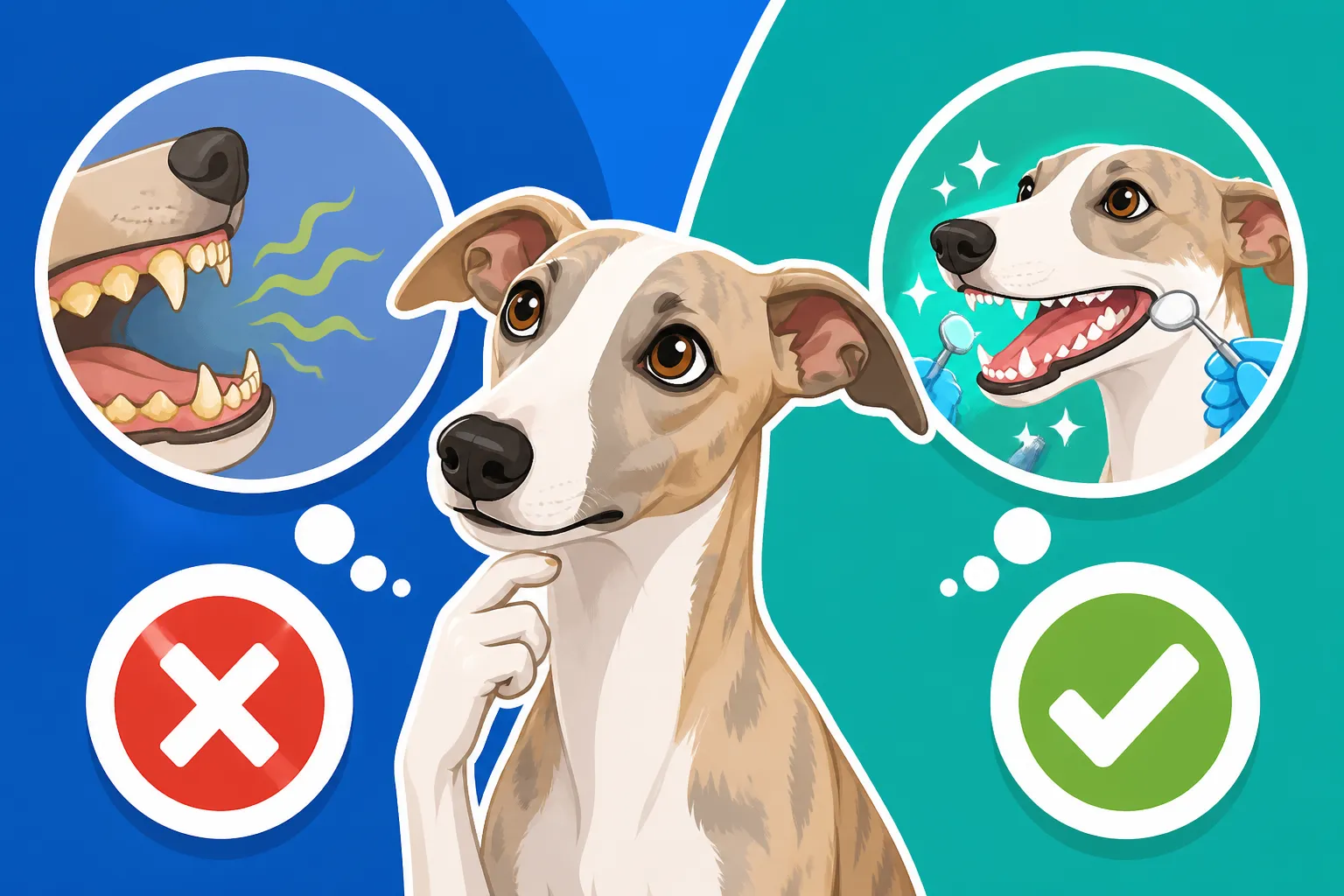
Let's be real, dog breath is rarely minty fresh. But there's "just dog breath" and then there's a truly foul, offensive odor that makes you recoil when your Whippet yawns or gives you a kiss. This isn't just unpleasant; it's a huge red flag. That awful smell is often caused by a buildup of bacteria in plaque and tartar, signifying active infection and inflammation in the mouth. When your Whippet’s breath gets to this point, it’s a clear indication that a professional cleaning is well overdue. Whether a Whippet's Bad Breath Means Dental Disease is almost certainly yes when the smell is that strong.
Beyond the smell, take a peek at their gums. Healthy gums should be a pale pink, fitting snugly around the teeth. If you see gums that are red, swollen, or bleeding, even slightly, that's gingivitis. If they're receding, exposing more of the tooth root, or if you notice any discharge, pus, or ulcerations, you’re looking at more advanced periodontal disease. These changes can be subtle at first, maybe just a slightly redder line along the gum, but they escalate quickly.
Visible Tartar Buildup and Loose Teeth
This is often the easiest sign to spot, even for a novice owner. Look for yellowish or brownish deposits on the surface of your Whippet’s teeth, especially along the gum line and on the back molars. This is tartar, and it means the plaque has hardened and is clinging stubbornly to the tooth surface. Once you see tartar, home brushing won't remove it; it requires a professional scaling.
Sometimes, you might also notice that your Whippet is suddenly chewing only on one side of their mouth, or dropping food. They might become reluctant to play with hard toys or even show sensitivity when you try to examine their mouth. In severe cases, you might even see a visibly loose tooth. This is a very serious sign, indicating significant bone loss around the tooth, and at this stage, extractions are almost certainly on the cards. Don't wait until teeth are wobbly; early intervention can save teeth and prevent further pain and infection.
Behavioral Clues and Appetite Changes
Dogs are incredibly stoic, especially when it comes to pain. They often hide discomfort until it becomes severe. However, even subtle changes in your Whippet’s behavior can signal dental pain. They might become pickier with food, refusing their favorite crunchy treats or showing a preference for softer meals. You might notice them drooling more, or pawing at their mouth. Some Whippets might become more withdrawn, less playful, or even a bit irritable if their mouth hurts.
If your Whippet suddenly seems less enthusiastic about mealtime, or you see small spots of blood on their toys or in their water bowl, it's time for a vet check. While these symptoms can point to other health issues, dental pain is a very common culprit. Ignoring these signals can lead to chronic pain, systemic infections, and a diminished quality of life for your beloved companion.
What a Professional Dental Cleaning Entails
When your vet recommends a professional dental cleaning, it's a far cry from simply brushing your dog’s teeth. This is a medical procedure performed under general anesthesia, and it's essential to understand why that's necessary and what happens during the process, especially given the unique needs of sighthounds.
The Anesthesia Protocol for Sighthounds
This is, understandably, one of the biggest concerns for many Whippet owners. Sighthounds, including Whippets, are known to have a unique physiological response to certain anesthetic agents, often taking longer to metabolize them and waking up more slowly. This is not to say anesthesia is unsafe for them, but it does mean a specific "sighthound anesthesia protocol" is usually recommended.
Your vet should be aware of Why Anesthesia Is Riskier in a Whippet and Whether a Whippet Needs a Vet Who Knows Sighthounds. This typically involves using different types of anesthetic drugs that are metabolized more quickly or are less likely to cause prolonged sedation. It also means meticulous monitoring during the procedure, including temperature regulation (Whippets have very little body fat, making them prone to hypothermia under anesthesia), heart rate, blood pressure, and oxygen saturation. Post-procedure, a sighthound might take How Long a Whippet Takes to Wake From Anesthesia, requiring dedicated observation during recovery. Don't hesitate to discuss these concerns with your vet and ask about their specific protocol for sighthounds.
The Cleaning Procedure and Extractions
Once your Whippet is safely under anesthesia, the real work begins. The vet or vet technician will perform a thorough oral examination, checking every tooth, gum line, and the overall health of the mouth. This is when they often discover issues hidden beneath the gum line or on the inner surfaces of teeth that are impossible to see in an awake dog.
The actual cleaning involves using an ultrasonic scaler, much like what a human dentist uses, to remove plaque and tartar from above and below the gum line. This subgingival cleaning is crucial because that's where periodontal disease often starts and progresses unseen. After scaling, the teeth are polished to create a smooth surface that makes it harder for plaque to adhere quickly.
If any teeth are found to be severely diseased, loose, or fractured, extractions may be necessary. This is always done with the goal of eliminating pain and infection. While no one wants their dog to lose teeth, removing a painful, infected tooth is always better for their overall health and comfort. Post-extraction, your Whippet might need pain medication and a soft food diet for a period, which you can easily find on platforms like Chewy or Amazon. Remember, the cost of What a Whippet's Dental Under Anesthesia Costs often includes these extractions and aftercare.
Post-Procedure Care and Follow-up
After the cleaning and any necessary extractions, your Whippet will be carefully monitored as they wake up. They might be a bit groggy or disoriented for the rest of the day, which is completely normal. Your vet will provide specific instructions for post-operative care, which might include antibiotics if there were significant infections, and pain medication, especially if extractions were performed.
You'll also get clear guidance on home care to maintain their newly cleaned teeth. This is your chance to start fresh and implement a consistent routine to prolong the benefits of the professional cleaning. Follow-up appointments might be recommended, particularly if dental disease was advanced, to ensure healing is progressing well. It’s an investment in your Whippet’s long-term health and comfort.
Proactive Home Dental Care for Whippets
While professional cleanings are often necessary, especially with a Whippet's unique dental structure, a robust home care routine can significantly reduce the frequency and severity of dental disease. Think of it like your own teeth – you brush daily, but still need regular dentist visits. For our Whippets, it’s no different.
The Power of Daily Brushing
This is, hands down, the most effective thing you can do at home for your Whippet’s teeth. Just like for humans, mechanical removal of plaque before it hardens into tartar is key. Aim for daily brushing, or at least every other day. You'll need a dog-specific toothbrush and toothpaste (never use human toothpaste, as it contains ingredients toxic to dogs).
Start slow and make it a positive experience. Let your Whippet lick the toothpaste off your finger, then introduce the brush for short periods, focusing on the outside surfaces of the upper teeth where tartar builds up most quickly. Praise generously and follow with a small, healthy treat. Over time, you can gradually increase the duration and coverage. It might seem daunting at first, but with patience and consistency, most Whippets learn to tolerate, and even enjoy, their brushing sessions. It's a small investment of time that can make a huge difference, reducing the need for Whether a Whippet Needs Dentals More Often later.
Dental Chews, Water Additives, and Diet
While brushing is king, other tools can support your efforts. Dental chews can help mechanically scrub teeth, but be cautious about their effectiveness and caloric content. Look for chews that are specifically veterinary-approved for dental health. You can find a good selection on Chewy or Amazon, but always supervise your Whippet with chews to prevent choking or excessive consumption.
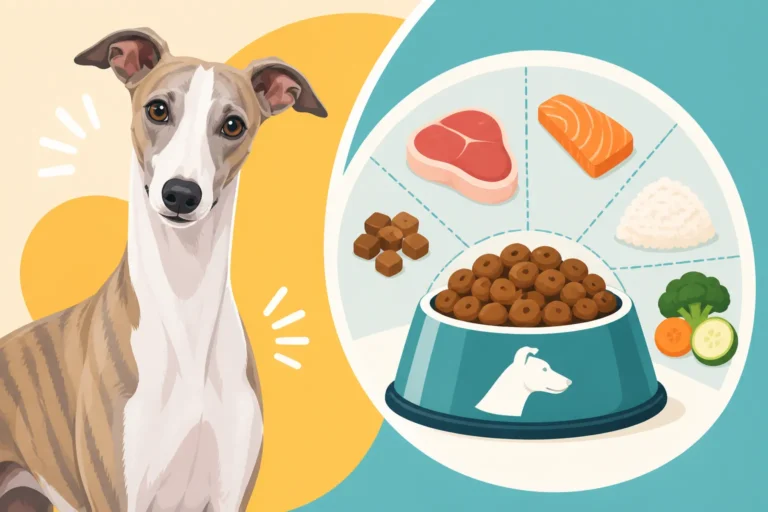
Dental water additives, which you simply add to your dog's drinking water, contain ingredients that can help reduce bacteria and plaque formation. They are usually flavorless and well-tolerated. Some specialized dental diets are also formulated with larger kibble sizes or unique textures to encourage chewing and help scrape plaque off teeth. While these can be beneficial, they are generally not a standalone solution for preventing dental disease. Fresh food options like Ollie are great for overall nutrition, but don't automatically guarantee pristine teeth; the texture and chew are often more important for dental health than the food type itself.
It's important to understand that these supplemental methods are aids, not replacements, for brushing and professional cleanings. They can slow down plaque accumulation but rarely stop it entirely, especially in a breed like the Whippet prone to rapid buildup.
When to Schedule a Cleaning: Age and Individual Needs
There's no one-size-fits-all answer for how often a Whippet needs a professional dental cleaning. It really depends on a combination of factors, including their age, genetics, diet, and how diligent you are with home care. However, some general guidelines can help you make informed decisions.
Annual Exams and Early Intervention
Most vets recommend annual wellness exams that include a thorough oral assessment. This isn't just a quick peek; it's an opportunity for your vet to assess the stage of any dental disease, identify problem areas, and recommend a cleaning before the situation becomes severe. For many Whippets, especially those with good home care, a cleaning every 1-3 years might be sufficient in their younger and middle-aged years.
However, some Whippets, due to their genetics or specific mouth conformation, may start showing signs of significant tartar buildup much earlier. It's far better to have a cleaning when the disease is mild (gingivitis only, or minimal periodontal disease) than to wait until teeth are rotten and extractions are unavoidable. Early intervention not only preserves teeth but also makes the procedure shorter, less complicated, and potentially less costly. Don't be afraid to ask your vet for a hands-on assessment of your Whippet's teeth at every annual visit. They can feel the texture of the tartar and look for gum inflammation more effectively than you can at home.
Considerations for Senior Whippets
As Whippets age, their dental health often becomes a more pressing concern. Just like humans, older dogs tend to accumulate more tartar, and periodontal disease can progress more rapidly. Caring for an Old Whippet That Feels the Cold is often coupled with increased vulnerability to dental issues. Many senior Whippets will benefit from yearly, or at least every-other-year, dental cleanings.
The concern about anesthesia for older dogs is completely valid, but modern veterinary medicine has made great strides in making anesthesia safer for seniors. Pre-anesthetic bloodwork, which can include The Bloodwork Numbers That Look Wrong on a Healthy Whippet, is always recommended to ensure their organs are functioning well enough to handle anesthesia. Your vet will tailor the anesthetic protocol specifically for their age and any pre-existing conditions. Often, the benefits of removing a source of chronic pain and infection far outweigh the minimal risks of a carefully managed anesthetic procedure in an older Whippet. An untreated dental infection can spread to other organs, affecting their heart, kidneys, and liver, which is a much greater risk for an aging dog.
| Factor | Recommendation for Whippets | Why It Matters |
|---|---|---|
| Daily Brushing | Highly Recommended (daily or every other day) | Prevents plaque from hardening into tartar, most effective home care |
| Annual Vet Checks | Essential | Professional assessment, early detection of issues, personalized advice |
| Dental Chews/Treats | Use with caution; choose vet-approved brands | Can help reduce plaque, but not a substitute for brushing; mind calorie intake |
| Water Additives | Can be a helpful adjunct | Aids in reducing oral bacteria, generally well-tolerated |
| Professional Cleaning | As recommended by vet (typically 1-3 years, more for seniors) | Only way to remove hardened tartar and address subgingival disease and extractions |
| Anesthesia Protocol | Discuss sighthound-specific protocols with your vet | Whippets metabolize some drugs differently; requires careful monitoring |
Managing Costs and Insurance for Whippet Dental Care
Let's not shy away from the elephant in the room: professional dental cleanings aren't cheap. The cost can be a significant barrier for many owners, but understanding what influences the price and how pet insurance might help can make it more manageable.
Understanding the Cost Factors
The cost of a professional dental cleaning can vary widely based on your geographic location, the veterinary clinic, and the severity of your Whippet's dental disease. It’s not just the cleaning itself; the price often includes pre-anesthetic bloodwork, IV fluids during the procedure, the anesthesia and monitoring, the scaling and polishing, and any medications needed afterward. If extractions are required, these will add to the bill, as they involve more time, local anesthetic, and sutures.
Some clinics offer different tiers of dental care, from a basic cleaning to more extensive procedures with X-rays (which are crucial for seeing what's happening below the gum line, where 60% of dental disease hides). It’s always a good idea to get a detailed estimate from your vet before scheduling the procedure. Don't be afraid to ask for a breakdown of costs. Knowing What a Whippet's Dental Cleaning Costs can help you budget and plan.
The Role of Pet Insurance
This is where pet insurance can really shine. Many pet insurance plans cover professional dental cleanings and associated procedures, especially if they're deemed medically necessary due to active disease. However, policies vary greatly. Some might cover preventative cleanings as part of a wellness package, while others only cover dental issues that arise from injury or illness, like extractions for advanced periodontal disease.
It's crucial to read your policy documents carefully or call your insurance provider to understand what dental coverage you have. Check for waiting periods for dental conditions and any exclusions. Investing in pet insurance early in your Whippet's life can provide peace of mind and financial assistance when unexpected (or expected, like yearly dentals) vet bills arise. Platforms like Chewy or Amazon often offer information on various pet insurance providers, making it easier to compare options. Setting aside money specifically for vet bills is also a wise strategy, ensuring you’re prepared for necessary care like Setting Money Aside for a Whippet's Vet Bills.
Conclusion: Prioritizing Your Whippet's Dental Health
The question of whether a Whippet needs yearly dental cleaning isn't a simple yes or no. It's a nuanced discussion that takes into account their unique anatomy, individual health, and the commitment you can make to home care. However, what is unequivocally true is that dental health is a cornerstone of their overall well-being. Ignoring dental disease doesn't just mean bad breath; it can lead to chronic pain, difficulty eating, and even systemic health issues affecting their heart, kidneys, and liver.
While the thought of anesthesia and the cost can be daunting, a proactive approach with consistent home care combined with professional cleanings as recommended by your vet is the best path forward. Talk openly with your veterinarian about your concerns, their recommended sighthound protocols, and the signs you should be looking for. By being an informed and diligent owner, you can ensure your Whippet maintains a healthy, pain-free mouth, contributing significantly to their long and happy life by your side. Teeth Are the Whippet Problem That Sneaks Up, so staying ahead of it is truly the best defense.
Disclaimer
This article is for general informational purposes only and does not constitute professional advice. Laws, prices and regulations vary by location and change over time. Consult a qualified professional for guidance on your specific situation.