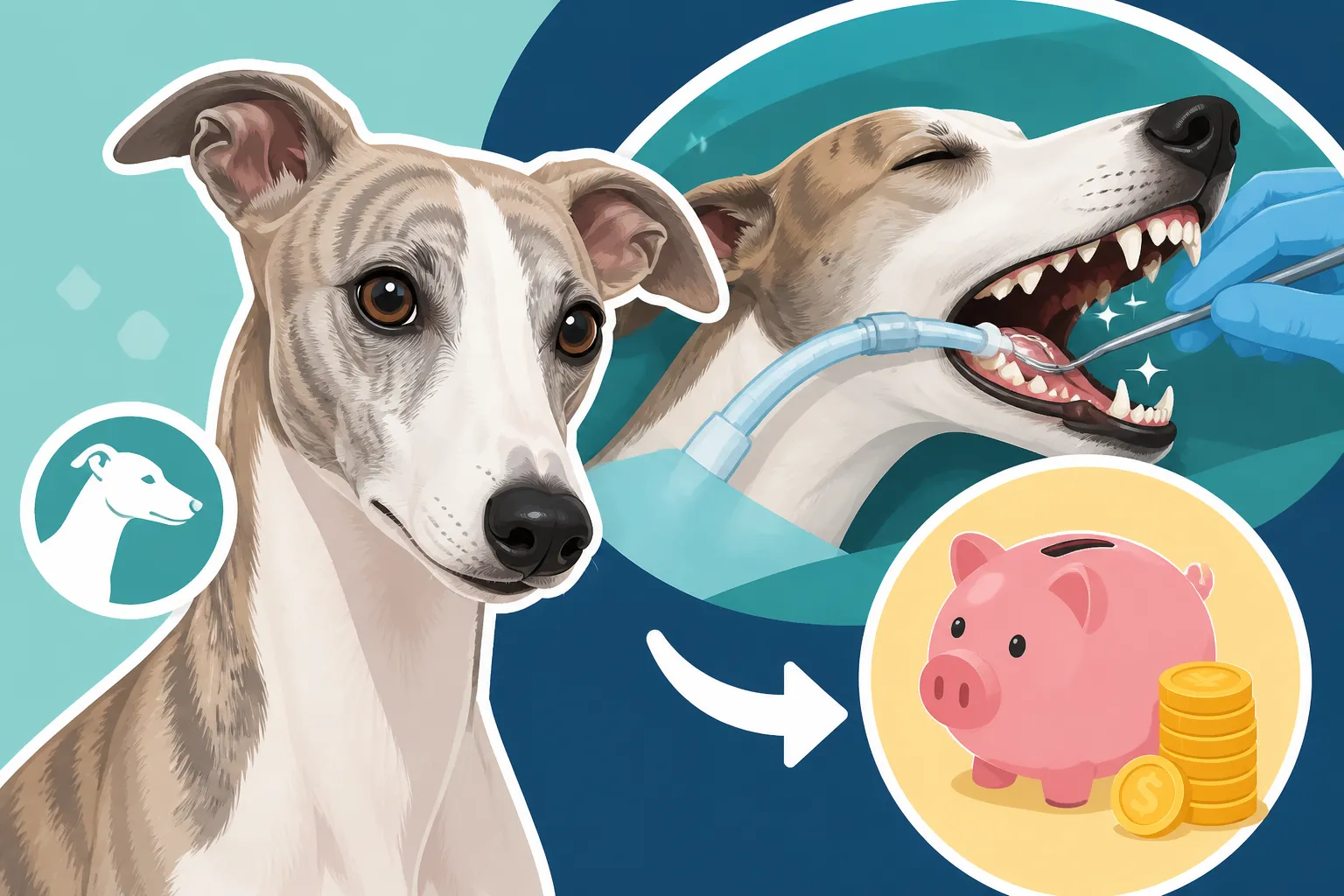
What a Whippet’s Dental Under Anesthesia Costs
Many Whippet owners find themselves caught between a rock and a hard place when it comes to their beloved sighthound's dental care. The thought of putting your lean, sensitive companion under anesthesia is naturally worrying, and then there’s the financial sticker shock that often accompanies a professional dental cleaning. You know it’s vital for their long-term health, but understanding what drives the cost and how to prepare for it can feel like navigating a maze. This guide is here to unravel the complexities and costs associated with a Whippet's dental procedure under anesthesia, helping you feel more prepared and less overwhelmed.
The Unseen Battle: Why Whippet Dental Health is More Than Just Bad Breath
It’s easy to overlook dental health in our Whippets, especially when they seem so full of life and zoomies. But beneath those sweet lips, a silent battle is often brewing, and it can have profound impacts far beyond just stinky breath. For a breed known for its grace and speed, dental issues are often a hidden vulnerability.
The Unique Challenges of Whippet Mouths
Whippets, with their elegant, somewhat refined features, often have jaws that are narrower than many other breeds. This can lead to teeth being a bit more crowded, creating little nooks and crannies where food particles and bacteria love to hide. It's like trying to clean a tiny, intricate sculpture – much harder than a broad, open canvas. This crowding means that plaque and tartar can build up surprisingly quickly, sometimes faster than you’d expect even in a young dog. You might diligently brush your own teeth twice a day, but imagine trying to reach every surface in a packed little mouth that’s constantly chewing and exploring.
What’s more, Whippets are often stoic creatures. They’re not usually ones to complain vocally about discomfort, which is a trait sighthound owners know well. A mild ache from a developing cavity or inflamed gums might be dismissed as them being a bit quieter than usual, or perhaps a slight change in appetite. By the time you notice something, like really foul breath or visible tartar, the problem might be quite advanced. This makes regular veterinary check-ups and a proactive approach to dental care absolutely essential. Understanding Whether a Whippet's Narrow Jaw Crowds Its Teeth can really help you appreciate why these issues develop. And indeed, many owners find themselves asking Whether a Whippet's Tartar Builds Faster Than Other Breeds because it seems to appear so quickly.
The Cascade of Health Problems from Neglected Teeth
Beyond the immediate pain and discomfort of dental disease, the ramifications for your Whippet’s overall health can be quite severe. Think of your dog’s mouth as a gateway to the rest of their body. When bacteria thrive in plaque and tartar, they don't just stay put; they can enter the bloodstream. Once in the bloodstream, these bacteria can travel to vital organs like the heart, kidneys, and liver, potentially causing serious infections or exacerbating existing conditions. It's a scary thought, but it's a very real risk that veterinarians are constantly trying to prevent.
Untreated dental disease can also lead to painful fractured teeth, abscesses, or even bone loss in the jaw. Imagine trying to eat your favorite meal with a throbbing toothache; it makes every bite agonizing. Your Whippet might become reluctant to eat certain foods, drop food, or chew on one side of their mouth. This not only impacts their nutrition but also their overall quality of life. We want our Whippets to be happy, healthy, and pain-free for their The Twelve to Fifteen Years a Whippet Lives, and good dental health is a cornerstone of achieving that. While a Whippet might not typically get certain organ diseases, dental bacteria can still cause systemic issues.
Deconstructing the Dental Bill: What You're Paying For
When you get that estimate for a dental cleaning, it can feel like a jumble of unfamiliar terms and numbers. It’s not just about brushing teeth; it’s a comprehensive medical procedure that requires expertise, specialized equipment, and careful monitoring, especially for a unique breed like the Whippet.
The Non-Negotiables: Pre-Anesthetic & Monitoring
Before any Whippet goes under anesthesia, a thorough assessment is absolutely critical. This almost always includes pre-anesthetic bloodwork. This isn't just a formality; it's a vital diagnostic step that helps your vet evaluate your Whippet's organ function, particularly their liver and kidneys. These organs are responsible for processing and eliminating anesthetic drugs from the body. Knowing their status helps the vet tailor the anesthetic protocol to be as safe as possible. Sighthounds like Whippets have some unique physiological traits, including certain bloodwork norms that differ from other breeds, and their lean body mass means they metabolize drugs differently.
For older Whippets, or those with known health concerns, additional diagnostics like an electrocardiogram (ECG) to check heart rhythm or chest X-rays to assess lung health might be recommended. During the procedure itself, a dedicated veterinary technician will constantly monitor your Whippet's vital signs – heart rate, respiration, blood pressure, oxygen saturation, and temperature. This continuous vigilance is paramount. Whippets are known to be more sensitive to certain anesthetic agents and can take longer to recover from sedation, making this monitoring even more crucial. Therefore, your vet will definitely be employing Why a Whippet Needs a Sighthound Anesthesia Protocol and taking into account Why Anesthesia Is Riskier in a Whippet. The cost associated with this monitoring reflects the expertise of the staff and the advanced equipment used to ensure your Whippet's safety throughout the entire process.
The Procedure Itself: From Scaling to Extractions
Once your Whippet is safely under anesthesia, the real work begins. A comprehensive dental cleaning is much more involved than what we do at home. It starts with a full mouth dental radiograph, or X-rays. Many dental problems, like abscesses, bone loss, or unerupted teeth, lie hidden beneath the gum line and are invisible to the naked eye. These X-rays are invaluable for detecting such issues and guiding the veterinarian in developing a treatment plan. Think of it like taking an X-ray of your own mouth at the dentist; it reveals so much more than just a visual inspection.
Next comes the ultrasonic scaling, which uses high-frequency vibrations to break down and remove plaque and tartar from above and below the gum line. This is followed by a thorough subgingival cleaning, reaching deep into the gum pockets where bacteria can cause the most damage. Finally, the teeth are polished to create a smooth surface that is less prone to future plaque attachment. All these steps contribute to the overall What a Whippet's Dental Cleaning Costs.
If dental disease is advanced, extractions might be necessary. This is where costs can significantly increase. Extracting a tooth is essentially a minor surgical procedure. It requires local nerve blocks to manage pain, specialized instruments, careful technique to preserve jaw bone, and often sutures to close the gum. The complexity and time involved vary greatly depending on the tooth's location and the extent of its disease. A simple incisor extraction will cost far less than removing a multi-rooted molar with severe periodontal disease. This is why you'll see a line item for What Extracting a Whippet's Tooth Costs often broken down by complexity or tooth type, and it's a big part of the variability in the final bill.
Understanding the Variables That Drive Dental Costs Up (or Down)
It’s frustrating when you call different veterinary clinics and get wildly different quotes for seemingly the same procedure. However, a lot of factors go into pricing, and understanding these can help you anticipate costs and make informed decisions for your Whippet.
Location, Location, Location: Vet Costs Across Regions
Just like real estate, veterinary costs are heavily influenced by geography. A dental cleaning in a bustling metropolitan area, where rents and staff wages are higher, will almost certainly cost more than the same procedure in a smaller, rural town. The cost of living in an area directly impacts the overhead for a veterinary practice, and those costs are inevitably reflected in their service fees. It’s not necessarily that the quality of care is different, but the economic realities of operating a business vary widely.
Furthermore, the type of veterinary practice can play a role. A state-of-the-art specialty clinic with advanced diagnostic equipment and board-certified dental specialists might charge more than your local general practice. While a general practitioner is perfectly capable of handling most routine and many complex dental cases, a specialist might be recommended for severe oral surgery or cases involving intricate root canal procedures. Knowing the typical prices in your specific region and for the type of clinic you're visiting can help manage expectations.
The Severity Spectrum: From Basic Cleaning to Major Surgery
The single biggest determinant of your Whippet's dental bill, outside of location, is the current state of their oral health. A young Whippet needing a routine cleaning with minimal tartar and no extractions will have a significantly lower bill than an older Whippet with advanced periodontal disease, multiple painful extractions, and perhaps even a fractured jawbone. Early intervention is always the most cost-effective approach in the long run. Regular check-ups allow your vet to spot issues when they are minor, before they escalate into expensive, painful problems.
When a Whippet has advanced periodontal disease, the procedure becomes more time-consuming and complex. It might involve more extensive X-rays, more difficult extractions, bone grafting, or even specialized gum treatments. Post-operative medications for pain management and antibiotics, if infection is present, will also add to the final cost. This is why veterinarians often recommend dental procedures based on a grading scale of periodontal disease, with higher grades incurring more significant costs. This spectrum highlights the importance of asking Whether a Whippet Needs Annual Dental Cleaning once they reach a certain age, to catch issues before they become severe. You want to avoid your Whippet asking The Age a Whippet Starts Losing Teeth due to preventable disease.
Smart Strategies for Managing Whippet Dental Expenses
It’s completely understandable to feel overwhelmed by potential vet bills. However, there are proactive steps you can take to manage these costs and ensure your Whippet gets the dental care they need without breaking the bank.
Pet Insurance: A Financial Safety Net
One of the most effective ways to mitigate unexpected veterinary expenses, including dental procedures, is pet insurance. Companies like Healthy Paws offer policies that can cover a significant portion of costs related to accidents, illnesses, and even sometimes routine care if you opt for a wellness package. When researching policies, pay close attention to what's covered for dental work. Many plans will cover dental procedures that are medically necessary due to injury or illness (like a fractured tooth or severe gum disease), but routine cleanings or pre-existing dental conditions might have different coverage terms or waiting periods.
It's crucial to read the fine print and understand deductibles, reimbursement percentages, and annual limits. For a Whippet, whose unique physiology can sometimes lead to specific health considerations, having that safety net can provide immense peace of mind. While insurance generally won't cover pre-existing conditions, getting a policy when your Whippet is young and healthy means that future dental issues, which often arise as dogs age, will likely be covered. This ties into the broader question of What Insuring a Whippet Costs Monthly and how that investment pays off over your dog's lifetime, especially for a breed with particular sensitivities.
Proactive Prevention: Saving Money in the Long Run
The old adage "an ounce of prevention is worth a pound of cure" couldn't be truer for dental health. The most impactful thing you can do for your Whippet’s teeth – and your wallet – is daily home dental care. Brushing your Whippet's teeth every day, or at least several times a week, can dramatically reduce plaque and tartar buildup. It might take some patience and positive reinforcement to get your Whippet to tolerate it, but it’s a game-changer. Even if your Whippet protests at first, consistent, gentle efforts with dog-specific toothpaste can make a huge difference. If you're wondering How Often a Whippet's Teeth Need Brushing, the answer is, as often as possible!
Beyond brushing, incorporating dental-specific diets or dental chews into your Whippet's routine can help. Many brands offer kibble designed to reduce plaque as your dog chews, and various dental chews can act as abrasive aids. You can find a wide variety of these products from online retailers like Chewy, offering different sizes and textures to suit your Whippet. Some fresh food brands like Ollie also focus on high-quality nutrition that supports overall health, which can indirectly benefit dental health. However, be realistic about Whether Dental Chews Are Enough for a Whippet – they are usually a supplement to brushing, not a replacement. Regular veterinary check-ups are also vital, as your vet can monitor your Whippet’s oral health and recommend a professional cleaning before problems become severe and expensive.
Whippet Dental Cleaning Cost Components
To give you a clearer picture, here's a breakdown of the typical components that contribute to the overall cost of a Whippet's dental cleaning under anesthesia. Keep in mind, these are general descriptions, and actual costs will vary based on your location and chosen veterinary practice.
| Service Component | Typical Impact on Cost | Why It's Needed for a Whippet |
|---|---|---|
| Exam & Consultation | Low | Initial assessment to discuss concerns, general health, and plan procedure. |
| Pre-anesthetic Bloodwork | Moderate | Essential for assessing organ function before anesthesia, especially for sighthounds' unique physiology. |
| Anesthesia & Monitoring | High | Sighthounds are sensitive; requires specialized drugs, constant vigilance by a dedicated technician, and longer recovery times. |
| Dental X-rays | Moderate | Reveals unseen problems below the gumline (abscesses, bone loss) common in crowded Whippet mouths. |
| Ultrasonic Scaling & Polishing | Moderate | Core procedure to remove tartar and smooth tooth surfaces above and below the gumline. |
| Extractions (per tooth) | High (variable) | Costs depend on complexity and time; often necessary for diseased teeth and requires skilled surgical technique. |
| Pain Medication | Low to Moderate | Crucial for post-procedure comfort, especially after extractions. Administered during and after the procedure. |
| Antibiotics | Low | Used if infection is present or highly likely, or as a preventative measure for severe disease. |
| IV Fluids | Low | Helps maintain blood pressure during anesthesia and aids in faster drug elimination. |
| Elizabethan Collar (E-collar) | Low | If necessary to prevent your Whippet from irritating incision sites after extractions. |
Disclaimer
This article is for general informational purposes only and does not constitute professional advice. Laws, prices and regulations vary by location and change over time. Consult a qualified professional for guidance on your specific situation.