Car Sickness in a Whippet
It's heartbreaking to see your usually vibrant whippet turn into a quivering, drooling mess the moment they step into the car. Many of us have been there, dealing with the frantic pacing, the excessive drooling, the whining, and, yes, the inevitable clean-up after your beloved companion gets car sick. This guide is here to help you understand why your whippet might be suffering from car sickness and, more importantly, offer practical, empathetic strategies to make car journeys a calm and comfortable experience for both of you.
Understanding Why Your Whippet Gets Car Sick
Car sickness in dogs, including our sensitive whippets, isn't just about throwing up. It's often a complex mix of physical discomfort, anxiety, and learned negative associations. Pinpointing the exact cause can help you tailor the most effective approach for your individual dog. It's important to remember that whippets are often more sensitive than other breeds, both physically and emotionally, which can make them particularly susceptible to motion sickness and car-related stress.
The Physiology Behind Motion Sickness
At its core, motion sickness is a sensory mismatch. Your whippet's inner ear (the vestibular system) detects motion, but their eyes might see a relatively stationary car interior, or their body might feel the movement differently. This conflict sends confusing signals to the brain, leading to nausea and other unpleasant symptoms. Imagine yourself trying to read a book in a moving car; that queasy feeling is similar to what your dog experiences.
For a whippet, with their delicate build and often keen senses, this disconnect can be particularly acute. Their long necks and relatively small heads can make them more susceptible to the nuances of motion, and their generally lean physique means there's less "cushioning" against the vibrations and bumps of the road. This isn't just a psychological issue; it's a very real physical discomfort. Young puppies are often more prone to motion sickness because their vestibular systems aren't fully developed yet, though many dogs can outgrow this as they mature. However, some whippets, even as adults, continue to struggle, making every car ride a potential ordeal.
Anxiety and Negative Associations
Beyond the physical aspects, anxiety plays a huge role in car sickness. If your whippet only ever gets in the car to go to the vet, it's easy for them to associate the car with stressful experiences. This can create a vicious cycle: anxiety makes them feel sick, and feeling sick makes them more anxious about the car. They might start showing signs of distress even before the engine starts, like panting, drooling, or refusing to get in.
Whippets are often creatures of habit and routine, and any deviation or perceived threat can trigger stress. A car ride, with its unfamiliar smells, sounds, and confined space, can be overwhelming for a dog predisposed to anxiety. Their sensitive nature means they pick up on subtle cues from us too – if you're stressed about taking them in the car, they'll likely sense it and become stressed themselves. This learned anxiety can sometimes be harder to overcome than pure motion sickness, as it requires carefully retraining their emotional response to the vehicle itself. Some whippets who suffer from Separation Anxiety in a Whippet might find being confined in a car particularly distressing, even if you are right there with them, as it mimics a form of confinement.
Recognizing the Signs and Severity
It's crucial to be able to identify the signs of car sickness early on, not just for your whippet's comfort but also to prevent the behavior from becoming more entrenched. Sometimes, the initial signs are subtle, easily missed by an unsuspecting owner. The sooner you intervene, the better chance you have of making future car trips more bearable.
Subtle Clues and Early Warnings
Before the overt drooling or vomiting begins, your whippet might be sending you quieter signals that they're feeling unwell or anxious. These can include excessive yawning, lip licking, or swallowing more frequently. You might notice them becoming restless, shifting their position constantly, or trying to hide under a seat. Some whippets will start to pant heavily, even if it's not particularly warm, a clear sign of stress or nausea.
Another common early warning sign is a general reluctance to get into the car. Your whippet might brace their paws, try to pull away, or even tremble slightly when you approach the vehicle. If you usually have to coax them in, or if they jump in with hesitation, it's worth considering if car sickness is at play. Their sensitive hearing might also make certain car noises, like the engine starting or road sounds, particularly jarring, contributing to their discomfort. Pay close attention to their body language; a whippet that usually enjoys cuddles might become stiff or avoid eye contact if they're feeling queasy.
Overt Symptoms and What They Mean
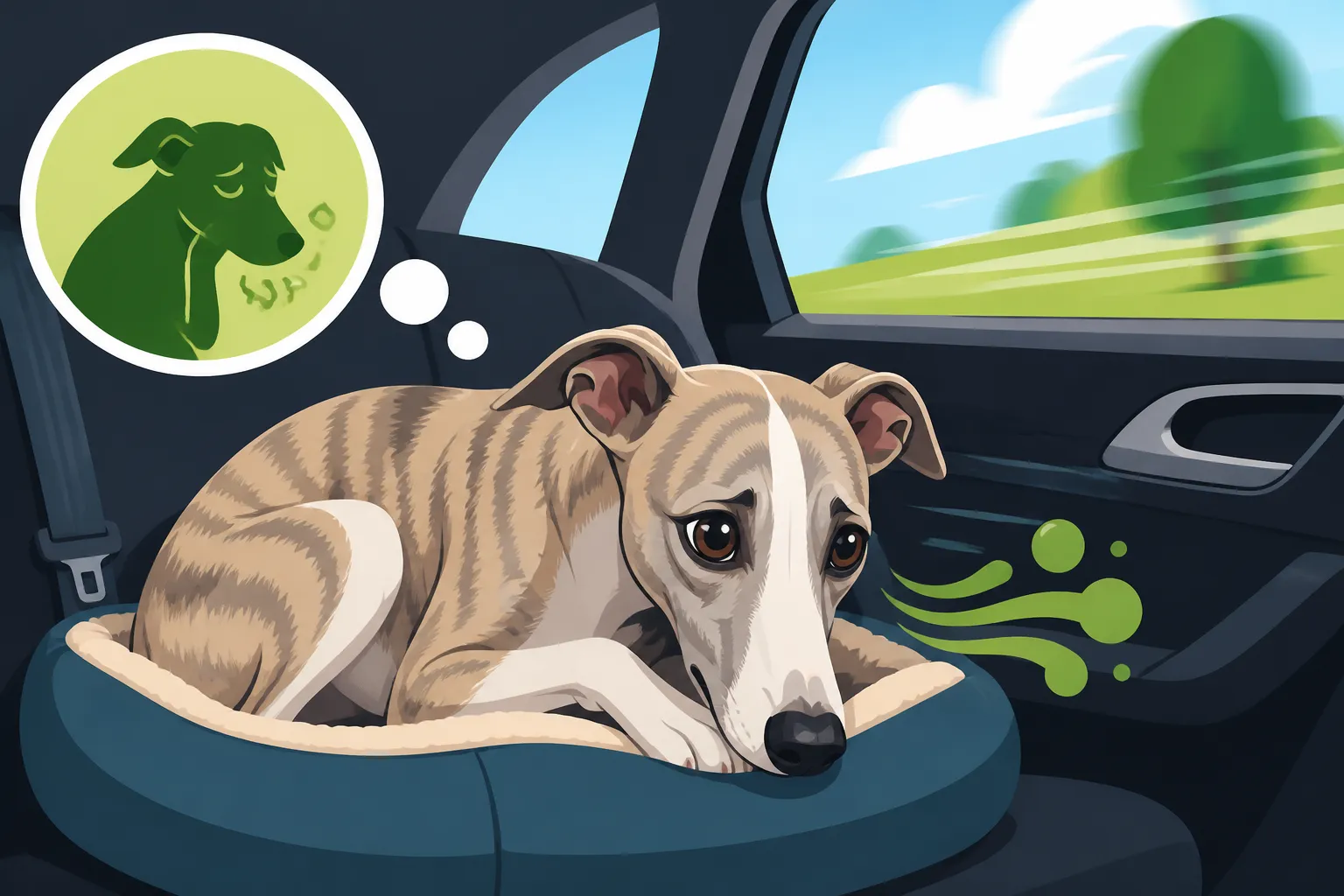
As car sickness progresses, the signs become much more obvious. The most common and unmistakable symptom is excessive drooling, often followed by vomiting. This isn't just a little bit of slobber; it can be profuse, soaking their bedding or the car interior. Other clear indicators include whining, barking, or crying, often accompanied by frantic pacing or attempts to get out of their carrier or off the seat.
Diarrhea can also occur, though it's less common than vomiting. In severe cases, your whippet might become lethargic and withdrawn after a car ride, completely drained by the experience. This post-trip exhaustion isn't just from physical exertion; it's the toll of intense nausea and anxiety. Recognizing these overt symptoms means it's definitely time to take action, as allowing them to continue to suffer only reinforces the negative association with car travel.
Practical Strategies for Preventing and Managing Car Sickness
The good news is that there are many strategies you can employ to help your whippet overcome car sickness. It often requires a multi-faceted approach, combining behavioral training, environmental adjustments, and sometimes, medical intervention. Patience is key, as changing a deeply ingrained negative association takes time and consistency.
Making the Car a Positive Place
One of the most effective ways to combat car sickness, especially if anxiety is a major component, is to create positive associations with the car. Start small. Don't even turn the engine on. Just sit in the car with your whippet, offering high-value treats and praise. Make it a fun, no-pressure zone. You could even feed them a special meal or their favorite chew toy in the parked car.
Gradually increase the time spent in the car, always keeping it positive. Once they are comfortable sitting in the car, try turning the engine on for short periods, then turn it off and give treats. Progress to very short trips – literally just driving to the end of your driveway and back, then showering them with affection and rewards. The goal is to build up their tolerance slowly, associating the car with good things. Remember, How a Whippet Reacts to a Raised Voice or harsh corrections will only exacerbate their anxiety, so keep interactions calm and positive.
Managing the Journey Itself
Once you start taking actual trips, even short ones, there are several things you can do to manage the journey. Always ensure your whippet is secured safely in the car, either in a crash-tested crate or with a safety harness and seatbelt. Not only is this safer, but the confinement can also reduce motion sickness by limiting their movement and providing a sense of security. Make sure the crate or bed has soft, comfortable bedding; whippets are bony, and comfort is crucial.
Keep the car cool and well-ventilated. A slightly open window can provide fresh air and help equalize pressure, but ensure it's not open wide enough for them to stick their head out dangerously. Some dogs feel better if they can look out the window, while others benefit from not being able to see the passing scenery, which can exacerbate motion sickness. Experiment to see what works for your whippet. Drive smoothly, avoiding sudden stops, starts, or sharp turns, as these movements can intensify nausea. Early morning or late evening drives, when traffic is lighter and temperatures are cooler, can also be beneficial.
Dietary Considerations and Timing
What and when your whippet eats before a car trip can significantly impact whether they get sick. Generally, it's best to withhold food for several hours (4-6 hours is a good guideline) before a car journey, especially a longer one. An empty stomach has less to throw up. However, some dogs might benefit from a very small, bland snack, like a few plain crackers or a piece of dry toast, about 30 minutes before the trip to settle their stomach.
Ensure they have access to water, but don't let them drink excessively right before or during the trip. If you're going on a long journey, plan for frequent breaks for potty relief and a quick stretch of the legs. While feeding a whippet is usually straightforward, remember that How Many Meals a Day a Whippet Needs might change if car sickness is a regular issue, requiring adjustments to their feeding schedule around travel. If your whippet has a sensitive stomach (Whether a Whippet Has a Sensitive Stomach), new foods or treats before a car trip should be avoided.
Tools and Products to Help
A variety of products can help alleviate car sickness and anxiety.
- Pheromone products: Sprays or diffusers containing dog-appeasing pheromones (DAP) can create a calming environment in the car. Spray your whippet's bedding or the car interior about 15-30 minutes before departure.
- Calming chews/supplements: Many over-the-counter supplements contain natural ingredients like ginger, L-tryptophan, or chamomile, which can help calm upset stomachs or reduce anxiety. You can find a wide selection of these on platforms like Chewy or Amazon. Always discuss these with your vet before starting, especially if your whippet is on other medications.
- Pressure wraps: Anxiety wraps or thunder shirts apply gentle, constant pressure, which can have a calming effect on some dogs, similar to swaddling a baby.
- Specialized bedding: A comfy, well-secured bed that absorbs vibrations can make a big difference. Some owners find success with memory foam beds, readily available from retailers like Amazon.
- Dog car seats/boosters: For smaller whippets, a booster seat that allows them to see out the window (if that helps them) or a secure car seat can provide both safety and comfort. Just make sure it's appropriately sized and safe.
When to Seek Veterinary Advice
While many cases of car sickness can be managed with behavioral and environmental changes, some whippets need a little extra help. Don't hesitate to reach out to your veterinarian if your whippet's car sickness is severe, persistent, or if their anxiety is extreme. Your vet can rule out any underlying medical conditions and discuss stronger interventions. Remember, What a Sighthound Vet Costs Over a Whippet's Life might include addressing specific behavioral or medical needs, but their expertise is invaluable.
Persistent Symptoms and Underlying Issues
If you've tried all the behavioral modifications and environmental adjustments and your whippet is still suffering greatly, it's time for a vet visit. Persistent vomiting and severe anxiety could indicate an underlying health issue, though it's less common. More likely, it means your whippet's motion sickness or car-related anxiety is significant enough to warrant medical intervention. Your vet might also recommend a specialized vet who knows Whether a Whippet Needs a Vet Who Knows Sighthounds, as whippets can have unique sensitivities to certain medications.
A thorough check-up can give you peace of mind and help your vet decide on the best course of action. They'll consider your whippet's overall health, age, and severity of symptoms before recommending any treatments. It's important to provide your vet with a detailed history of your whippet's symptoms, how long they've been occurring, and what strategies you've already tried.
Prescription Medications and Supplements
For whippets with severe car sickness or anxiety, your vet might prescribe medication.
- Anti-emetics: These medications, like maropitant (Cerenia), are specifically designed to prevent vomiting and nausea. They are very effective for motion sickness and can be given a couple of hours before a car trip.
- Anti-anxiety medications: For whippets whose primary issue is anxiety, your vet might suggest a mild sedative or an anxiolytic (anti-anxiety drug) for travel. Medications like Trazodone or Gabapentin can help calm nerves without making your dog overly sedated. This can be particularly helpful for building positive associations with the car, as it allows them to experience the ride without the overwhelming panic. Whether a Whippet Should Be Sedated for a Nail Trim is a question many owners face, and the same careful consideration of medication type and dosage applies to car travel.
- Dietary supplements: Beyond over-the-counter options, your vet may recommend specific, higher-potency supplements or dietary changes that could help. For instance, some whippets benefit from a fresh food diet; a brand like Ollie might offer palatable options for a reluctant eater, potentially easing digestion during travel.
It's vital to follow your veterinarian's instructions precisely when administering any medication. Always test a new medication on a short, non-essential trip first to see how your whippet reacts and to determine the appropriate dosage. The goal is to make car travel stress-free, not to heavily sedate your dog.
Remember that overcoming car sickness is a journey, not a single destination. With consistent effort, patience, and the right support, you can transform car rides from a source of dread into a pleasant experience for your whippet, opening up a world of adventure for both of you, perhaps even allowing for longer trips like when considering Whether a Whippet Can Fly in the Cabin.
Here's a quick overview of car sickness symptoms and potential solutions:
| Symptom / Issue | Description | Potential Interventions |
|---|---|---|
| Early Anxiety Signs | Yawning, lip-licking, restlessness, panting, reluctance to enter car | Positive car association training, pheromone sprays, calming chews, anxiety wrap |
| Nausea / Physical Sickness | Drooling, vomiting, excessive swallowing, lethargy post-trip | Withhold food before travel, small bland snack, anti-emetic medication (vet prescribed), proper ventilation, smooth driving |
| Behavioral Distress | Whining, barking, pacing, trembling, trying to hide | Secure confinement (crate/harness), anti-anxiety medication (vet prescribed), desensitization to car noises |
| Long Journeys | Symptoms worsen with duration, increased discomfort | Frequent breaks, appropriate bedding, motion sickness medication, gradual exposure to longer trips |
| Severe/Persistent Issues | Symptoms don't improve with basic interventions, significant distress | Veterinary consultation, prescription anti-emetics or anti-anxiety meds, professional behaviorist referral |
Disclaimer
This article is for general informational purposes only and does not constitute professional advice. Laws, prices and regulations vary by location and change over time. Consult a qualified professional for guidance on your specific situation.