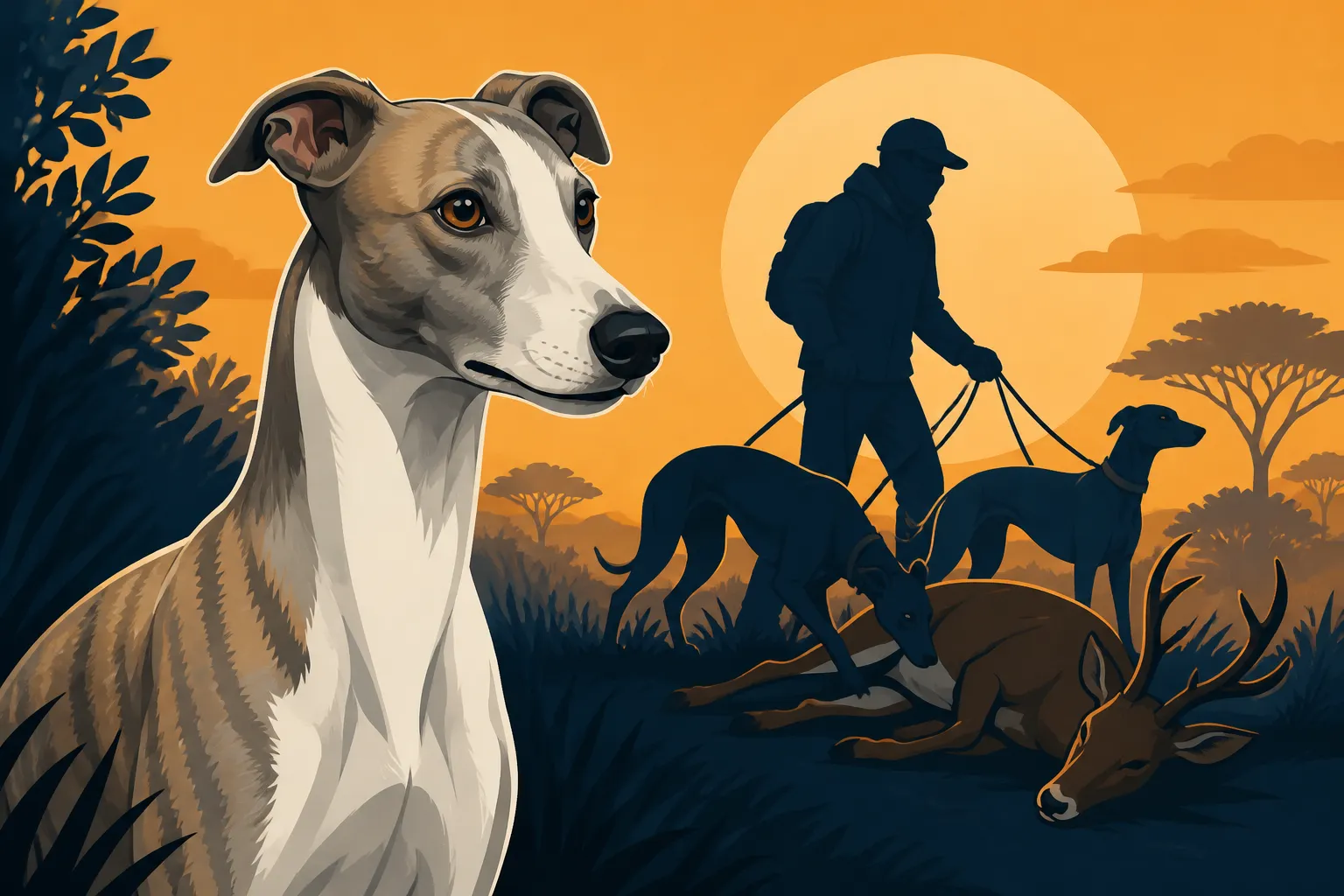
Whippets as Poachers’ Dogs
It's hard to imagine our beloved Whippets, curled up on the sofa or happily zooming around a fenced yard, once played a crucial role in a much grittier, more desperate world. We often see them as the epitome of gentle elegance, but beneath that sleek exterior lies a history of survival, cunning, and a very real connection to the fight for food. This guide delves into the untold stories of Whippets as poachers' dogs, revealing how these magnificent sighthounds became invaluable partners to working-class families in times of hardship, long before they were cherished household pets.
The Historical Context of Poaching and the Whippet
To understand the Whippet's role as a poacher's dog, we first need to step back in time and immerse ourselves in the harsh realities of industrial Britain. This wasn't about thrill-seeking or malicious intent; for many, it was about putting food on the table when legitimate means failed.
Life in the Industrial North and Food Scarcity
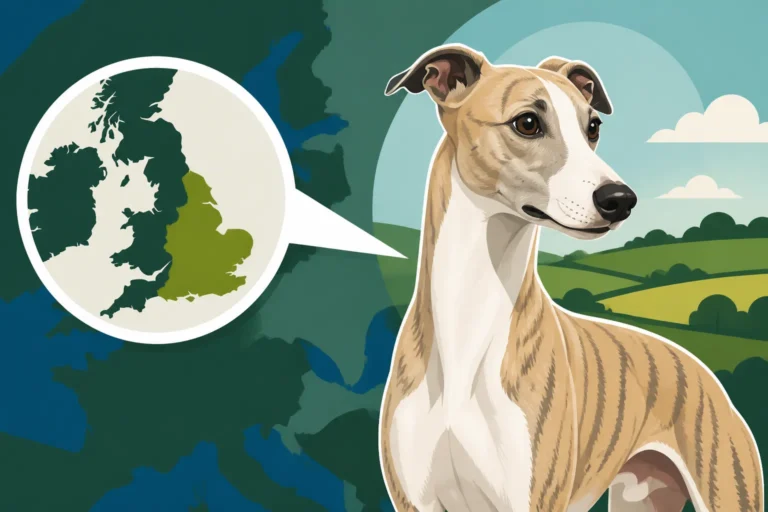
Picture the bustling, often grim, landscape of northern England in the 18th and 19th centuries. Coal mines belched smoke, textile mills churned relentlessly, and the working classes, particularly miners and mill workers, toiled long hours for meager wages. Life was a constant struggle against poverty, and food scarcity was a very real, gnawing concern for families. Fresh meat was a luxury few could afford, and often, the only readily available source was the wild game that teemed on the estates of wealthy landowners.
These working-class communities, particularly those in places like Northumberland and Durham, were the crucible where the Whippet, as we know it, was forged. People needed dogs that could not only be companions but also contribute to the household's survival. The ability to hunt quickly and silently was paramount. It was a time when a dog was not just a pet; it was a partner, a tool, and sometimes, the difference between a family eating or going hungry. This necessity drove the development of a breed that was perfectly adapted to a clandestine hunt. Miners, in particular, often kept their dogs close, taking them down into the pits or housing them in their small cottages, making them true members of the family, even as they served a vital, if illicit, purpose. You can learn more about this specific origin in How Miners Built the Whippet From a Greyhound They Could Afford.
The Legal Landscape of Game and Land Ownership
The legal framework of the time made poaching a crime, often with severe penalties. Game laws heavily favored the wealthy landowners, who considered the deer, hares, pheasants, and rabbits on their vast estates as their exclusive property. These laws were designed to protect the "sport" of hunting for the aristocracy and gentry, making it illegal for common folk to take game, even if it meant their children went without.
This created a stark contrast: on one side, immense wealth and abundant game, and on the other, widespread poverty and hunger, with strict laws preventing access to a vital food source. Poaching, therefore, became an act of defiance, a desperate measure, and a tradition passed down through generations in these communities. The poacher risked fines, imprisonment, or even transportation to a penal colony if caught, highlighting the extreme circumstances that drove people to these lengths. For many, it was a calculated risk, weighing potential punishment against the immediate need to feed their families. The stakes were incredibly high for both the poacher and their canine companion.
The Whippet's Unique Attributes for Poaching
The Whippet didn't become the poacher's dog by accident. Its specific physical and temperamental traits made it perfectly suited for the clandestine hunting of small game. These weren't just any dogs; they were finely tuned instruments of the hunt.
Speed, Stealth, and Silence
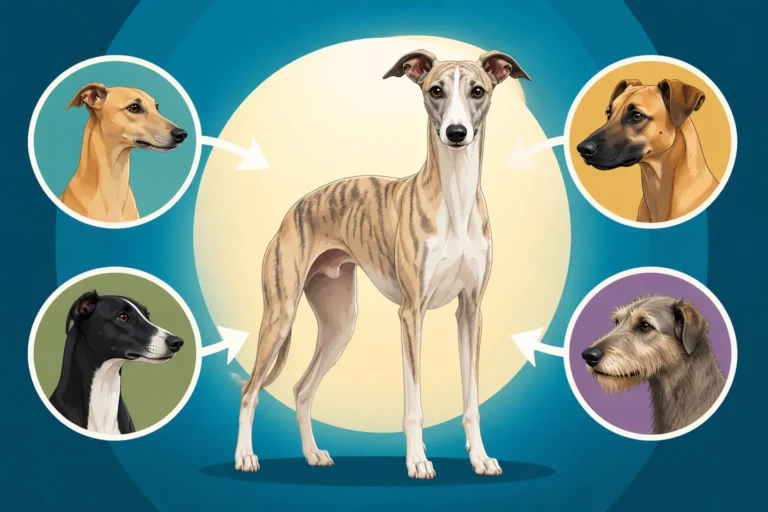
Imagine needing to catch a swift hare or a quick rabbit under the cover of darkness, without drawing attention. This is where the Whippet truly shone. Their incredible speed, a trait inherited from their larger sighthound ancestors like the Greyhound, allowed them to cover ground rapidly and overtake agile prey. A Whippet can accelerate from a standstill to full speed with astonishing quickness, making them devastatingly effective in short, sharp bursts. How Fast a Whippet Actually Runs explores this in more detail.
But speed wasn't enough; stealth was equally vital. Whippets are naturally quiet dogs. They don't typically bark excessively, especially not when focused on a chase. Their sleek, streamlined bodies, lacking the bulk of many other breeds, allowed them to move through undergrowth with minimal noise. They could slip through fields and hedgerows like shadows, their lean frames making them difficult to spot, even in dim light. This combination of speed and quiet movement was a poacher's dream. A quick dash, a silent capture, and then a swift retreat before gamekeepers or their dogs were alerted. The entire operation often happened in near-silence, a testament to the Whippet's natural abilities.
The Instinct to Chase and Kill
At the heart of a Whippet's effectiveness as a poacher's dog was its deeply ingrained prey drive. These dogs were specifically bred for their instinct to chase, capture, and, yes, kill small game. For centuries, sighthounds have been designed to hunt by sight, using their exceptional vision to spot movement and then their explosive speed to pursue.
This strong instinct meant that once a Whippet locked onto a rabbit or hare, little else mattered. Their focus was absolute. This is why even today, responsible Whippet owners understand that a Why a Whippet Cannot Be Let Off Leash in an Open Field can be a dangerous gamble if there's prey around. Their genetic programming is simply too strong to override in the heat of the moment. In the context of poaching, this unwavering focus was precisely what was needed. They didn't need extensive training to "hunt"; the instinct was innate. They were often referred to by an older, more descriptive name: The Older Name Snap Dog for the Whippet. This nickname refers to their ability to quickly snap the neck of their prey, dispatching it efficiently and silently, which was crucial for their illicit work. This instinct, honed over generations, made them incredibly efficient hunters, ensuring a successful catch that could mean the difference for a family's supper.
The Methods and Dangers of Poaching with a Whippet
Poaching was a dangerous game, and the methods used were often ingenious, designed to maximize success while minimizing the risk of detection. The Whippet was an integral part of these operations, facing the same dangers as its human partner.
Night Hunts and Evasion Tactics
The cover of darkness was a poacher's best friend. Most poaching with Whippets occurred at night, when visibility was low, and gamekeepers were less vigilant. A poacher would often scout an area during the day, noting rabbit runs, badger sets, or areas where hares were known to feed. Then, under the cloak of night, they would venture out, usually alone or with one or two trusted companions, their Whippet quietly by their side.
The dog's keen eyesight, adapted to low light, would spot movement where a human might only see shadows. The poacher might carry a lamp with a shaded front, allowing them to briefly illuminate an area without casting a wide beam. When a target was sighted, the Whippet would be unleashed, sprinting silently to make the kill. Speed was of the essence, not just for the chase, but for the quick return, allowing the poacher to retrieve the game and melt back into the shadows. Evasion tactics included knowing the landscape intimately, using natural cover, and having pre-planned escape routes. The bond between poacher and dog was critical; the Whippet had to be obedient and silent, returning to its handler on command, even if that command was merely a whispered word or a specific hand signal, to avoid capture.
The Risks for the Dog and Owner
The life of a poacher and their dog was fraught with peril. For the human, the consequences of being caught were severe, ranging from heavy fines that could cripple a family to imprisonment or forced transportation. The legal systems of the time offered little sympathy for those caught breaking game laws.
For the Whippet, the risks were equally dire. Chasing through rough terrain in the dark could lead to serious injuries. A Whippet's The Thin Skin That Sends a Whippet to the Vet for Stitches is prone to tears and lacerations, especially when crashing through brambles or thorny bushes after prey. Breaks, sprains, or deep cuts were common, and veterinary care was simply not an option for impoverished families. Many dogs suffered and died from untreated injuries. If a dog was caught, it might be impounded, harmed by gamekeepers, or even killed. Some poachers would even abandon their dogs if capture was imminent, a heartbreaking but sometimes necessary choice to save themselves from legal repercussions. The life of a poacher's dog was one of constant danger and hardship, a far cry from the pampered lives most Whippets enjoy today.
Beyond Poaching: The Whippet's Enduring Legacy
The Whippet's history as a poacher's dog, while rooted in struggle and illicit activity, undeniably shaped the breed into the beloved companions we cherish today. The traits that made them superb hunters also made them exceptional in other areas.
From Necessity to Sport
As economic conditions slowly improved in the late 19th and early 20th centuries, the desperate need for poaching gradually diminished. However, the Whippet's innate speed and prey drive didn't disappear. Instead, these traits found a new, legitimate outlet in competitive sport. The very same instincts that drove them to catch rabbits for the pot made them phenomenal racers.
This transition gave rise to "rag racing" or "snap dog racing," where Whippets would chase a lure (often a rag tied to a string) down a track. These races were highly popular among the working class, a thrilling spectacle where pride and small wagers were often exchanged. The Legality of Early Whippet Racing details how these informal races slowly became more organized. This evolution allowed the Whippet's unique abilities to be celebrated in a sporting context, moving from the shadows of illegal hunting to the excitement of the race track. Today, Whippets still excel in sports like lure coursing and Fast CAT, channeling that ancient prey drive into a safe and exciting activity, a direct legacy of their poaching past.
The Dual Nature of Today's Whippet
The historical role of the Whippet as a poacher's dog explains so much about their fascinating dual personality today. On one hand, you have a dog capable of incredible bursts of speed, a true athlete designed for the chase, brimming with latent energy. On the other, you have the ultimate "40 mph couch potato," content to spend hours curled up asleep, often buried under blankets or nestled beside you on the sofa. The Whippet Is a Forty Mile an Hour Couch Potato perfectly encapsulates this dichotomy.
This ability to switch from high-octane hunter to serene household companion was vital for a poacher's dog. They needed to be quiet and calm indoors, not drawing attention, and then explosive and focused outdoors. This adaptability meant they could live discreetly within small homes, blending into the family unit, and then perform their demanding "job" when called upon. Today, this translates into a dog that thrives on short, intense bursts of exercise followed by long periods of rest, making them ideal for many lifestyles, including apartment living, as long as they get their opportunities to run in a safe, enclosed space.
Their lean build, which once made them stealthy hunters, also means they lack the natural insulation of other breeds. This is why The Wardrobe a Whippet Needs Because It Has No Body Fat is so important today, keeping them warm and comfortable both indoors and out. It’s a direct consequence of their origins, adapting to survive in often chilly homes and harsh outdoor environments without excess bulk. While their ancestors had to scrounge for whatever food they could help provide, today's Whippets benefit from carefully formulated diets. Finding the right balance of nutrition for their active yet slender bodies is key, and many owners rely on reputable sources for quality food and supplies. For instance, platforms like Chewy offer a wide selection of foods tailored to different activity levels and dietary needs, ensuring modern Whippets get the best care.
The Whippet's Enduring Bond with Humans
Ultimately, the Whippet's history as a poacher's dog highlights an incredible testament to the enduring bond between humans and canines. These dogs weren't just tools; they were companions who shared the desperate struggle for survival with their owners. They lived in close quarters, shared meager rations, and faced danger together. This shared experience fostered a deep loyalty and understanding that continues to define the breed today.
Whippets are known for their affectionate nature, their desire to be close to their people, and their quiet devotion. This isn't just a charming trait; it's a legacy of a time when their very lives, and the lives of their human families, depended on their partnership. The trust and connection forged in those challenging circumstances laid the groundwork for the loving, gentle, and utterly devoted family members we welcome into our homes now. Their history is a powerful reminder that every wag of a Whippet's tail carries a story of resilience, resourcefulness, and unwavering companionship.
| Trait | Whippet as Poacher's Dog (Historical Role) | Whippet as Modern Companion (Contemporary Role) |
|---|---|---|
| Primary Purpose | Catching small game for food/survival | Family pet, companion, sport participant |
| Key Physical Trait | Speed, lean build, quick acceleration | Speed for sport (lure coursing, Fast CAT), elegance |
| Key Behavioral Trait | Strong prey drive, stealth, silence | Strong prey drive (needs fenced area), quiet indoors, affectionate |
| Living Conditions | Often housed indoors in close quarters, shared resources | Pampered indoors, provided with soft bedding and warmth |
| Primary Diet | Whatever game was caught, often meager | Specially formulated dog food, treats |
| Training Emphasis | Instinct, quiet obedience, evasion | Positive reinforcement, recall, basic manners |
| Risks Faced | Injury, capture, harm from gamekeepers | Injury during vigorous play, common canine health issues |
| Social Interaction | Deep bond with owner, often solitary hunter | Deep bond with family, enjoys other Whippets |
Disclaimer
This article is for general informational purposes only and does not constitute professional advice. Laws, prices and regulations vary by location and change over time. Consult a qualified professional for guidance on your specific situation.