Whether Terrier Blood Is in the Whippet
It’s a common question that pops up when new Whippet owners, or those just admiring the breed, start digging into their history: "Is there any terrier blood in a Whippet?" It’s a fascinating query, often born from their tenacious spirit or compact size compared to a Greyhound. This guide will take a deep dive into the Whippet's true lineage, separating historical fact from persistent myth, and help you understand why knowing their ancestry matters for truly appreciating these wonderful dogs.
The Whippet's Humble Origins and Early Development
To understand the Whippet's genetic makeup, we have to travel back in time to the industrial heartlands of England, particularly the northern coalfields, during the 18th and 19th centuries. This wasn't a time of carefully curated show rings or precise breed standards. Instead, practicality was king, and dogs were bred for very specific purposes that directly benefited their working-class owners.
The "Poor Man's Racehorse" and its Needs
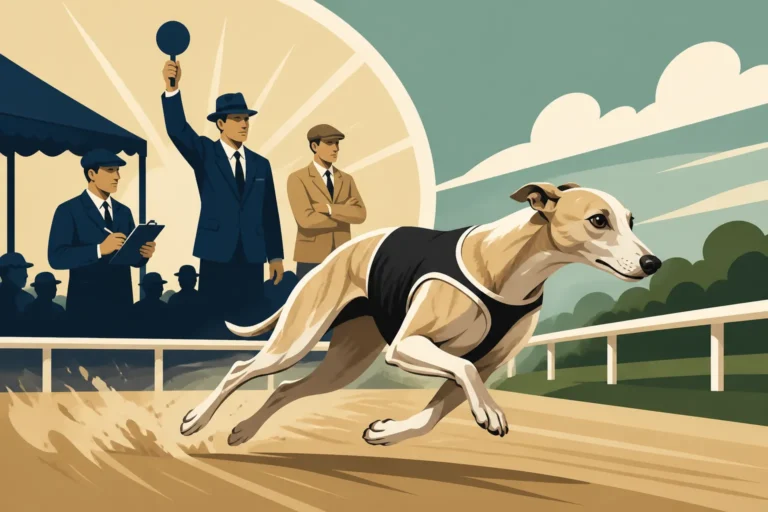
Imagine the life of a coal miner in those days. Long, arduous hours, meager wages, and a desire for some form of sport and companionship. Greyhounds, while prized for their speed, were expensive to feed and house, often belonging to the gentry. The miners needed a similar dog—fast, keen, and athletic—but one that was smaller, more economical to keep, and could still provide the thrill of a race. This gave rise to the nickname The Poor Man's Racehorse: Whippets in the Northern Coalfields.
These early Whippet types were not just companions; they were an integral part of the miners' lives. They slept by the fire, often in the same bed as the family, and were fed scraps from the table. Their small size was a huge advantage, making them unobtrusive in cramped cottages. But when the weekend came, they transformed. These dogs were bred for speed over short distances, typically chasing a rag or lure in what became known as "rag racing." Their owners would wave a cloth at the finish line, enticing them to burst across with incredible acceleration.
Greyhound Influence and Practical Breeding
It’s undeniable that the Greyhound was the foundational ancestor for these swift, slender dogs. Miners didn't have access to vast kennels of diverse breeds; they looked to what was available and already proven for speed. They selectively bred smaller Greyhounds, or perhaps dogs that were crosses specifically designed to reduce size while retaining the essential sighthound attributes of keen vision and explosive speed. The goal was simple: create a dog that could win races, and thus, potentially earn a week's wages for its owner.
The breeding process was less about meticulous pedigree charts and more about results. If a dog was fast and could produce fast offspring, it was valued. This practical approach meant that while the core blueprint was Greyhound, breeders might have experimented with various crosses to achieve specific traits like increased gameness or a hardier constitution. However, the dominant characteristics—the lean physique, the deep chest, the flexible spine, and the strong chase drive—were unmistakably sighthound. This is why when you look at a Whippet, you see a miniature Greyhound, not a compact terrier. How Miners Built the Whippet From a Greyhound They Could Afford really highlights this intentional downsizing.
Examining the "Terrier Blood" Theory
The idea that Whippets might have terrier blood is a persistent one, often cropping up in discussions about their origins. It’s not entirely baseless, as the historical context of dog breeding in industrial England was a melting pot of different types, but the evidence points away from terrier influence being a fundamental part of the Whippet's development.
The Rationale Behind the Rumor
So, why would anyone suggest terrier blood in the Whippet's lineage? There are a few common reasons. Firstly, their relatively small size compared to a full-sized Greyhound might lead some to believe another breed was introduced to reduce stature. Terriers, being generally smaller and more compact, could seem like a logical candidate.
Secondly, some Whippets exhibit a certain tenacity, a "game" quality that some might associate with terriers. While Whippets are famously gentle and affectionate indoors, their drive to chase a lure or a squirrel is incredibly strong, and they can be quite single-minded in their pursuit. This strong prey drive, coupled with their quick movements, could be mistakenly attributed to a terrier influence rather than a pure sighthound instinct.
Finally, the historical context of the time saw many working-class communities breeding dogs for various purposes, including ratting and badger baiting, for which terriers were essential. It’s plausible that accidental crosses or informal experiments occurred, leading to the occasional dog with mixed traits. However, for a breed to be founded on such crosses, the terrier characteristics would need to be consistently present and actively selected for, which doesn't align with the Whippet's overall development.
Specific Terrier Breeds Often Mentioned (and Why They're Unlikely)
When people speculate about terrier influence, a few specific breeds often come up:
- Manchester Terrier: This breed is sometimes mentioned due to its sleek, dark coat and similar size range to some smaller Whippets. However, the Manchester Terrier's body structure, head shape, and working style are distinctly different from the sighthound type. Its purpose was ratting and vermin control, requiring a compact, agile dog with strong jaws, quite different from a dog built for open-field sprinting. While a cross might have happened somewhere along the line, it certainly wasn't a defining characteristic in the formation of the breed.
- Bedlington Terrier: The Bedlington, with its arched back and unique gait, has also been suggested. Some believe its distinctive arch could be an early influence, as both breeds developed in the same general region of England. However, the Bedlington's unique appearance, coat type, and original purpose (hunting otters, badgers, and rats) are far removed from the Whippet's sighthound form and function. While both share a sighthound-like "roach" over the loin, their overall structures and how they achieve that arch are fundamentally different. The Whippet's arch is for explosive propulsion, while the Bedlington's is more about agility in tight spaces.
While it's possible that a splash of terrier blood might have found its way into an individual Whippet's ancestry here and there over centuries of informal breeding, there's no strong historical or genetic evidence to suggest that terriers played a foundational role in establishing the Whippet as a breed. The characteristics consistently bred for—speed, elegance, and the sighthound chase instinct—are not typical terrier traits.
The Documented Ancestry of the Whippet
When we delve into the more concrete history of the Whippet, the lineage becomes clearer, pointing overwhelmingly to sighthound roots with only minor, if any, non-sighthound influences. The breeders of the time, though perhaps not documenting every single mating with modern precision, were primarily focused on creating faster, smaller versions of the dogs they admired and relied upon.
The Primacy of the Greyhound
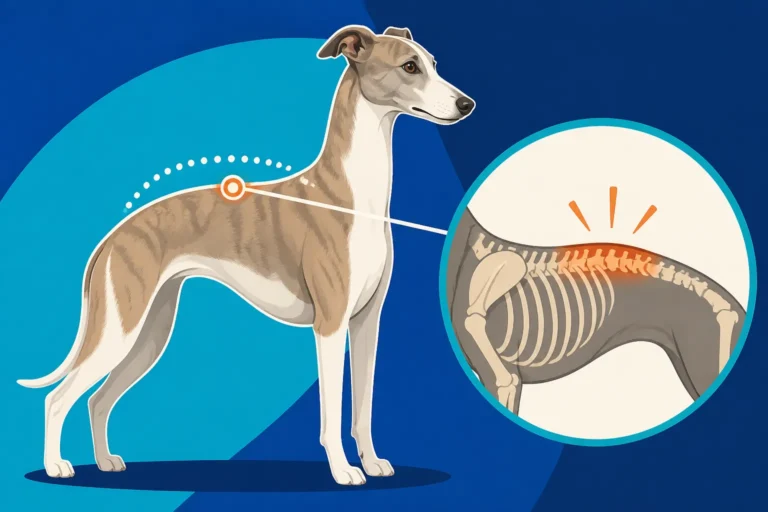
The Greyhound is undoubtedly the primary ancestor of the Whippet. This isn't just speculation; it's evident in almost every aspect of the Whippet's physical form and inherent behaviors. Think about it: the deep chest, the tucked-up abdomen, the flexible spine that allows for an incredible double-suspension gallop, the long, lean muscles, and the rose ears. These are all classic Greyhound characteristics, simply scaled down.
The miners who developed the Whippet were essentially breeding for "mini-Greyhounds" – dogs that possessed all the speed and grace of their larger cousins but were more suited to a working-class budget and small living spaces. The selection was for dogs that performed well in races, and the dogs that excelled were those that maintained strong sighthound traits. There was no need to introduce terrier blood to achieve these ends; the genetic material was already present within the sighthound population, simply requiring selection for smaller individuals. The Whippet Against the Greyhound and the Italian Greyhound offers a great look at their similarities and differences.
The Role of the Italian Greyhound
While the Greyhound provides the bulk of the Whippet's genetic foundation, the Italian Greyhound is also widely believed to have played a significant role, particularly in further reducing the size and refining the elegance of the breed. The Italian Greyhound is an ancient breed, a miniature sighthound known for its delicate build, grace, and affectionate nature.
By introducing Italian Greyhound genetics, breeders could further miniaturize the new breed while enhancing desirable traits like a finer bone structure, a more refined head, and potentially a more tractable indoor temperament. This cross would have helped solidify the Whippet's status as a distinct, smaller sighthound, rather than just a runty Greyhound. It allowed for the creation of a dog that was fast and athletic for its size but also possessed the charm and manageability that made it such a beloved house companion. Think of it as adding a touch of delicate precision to the Greyhound's raw power.
Lesser-Known or Debated Influences
Beyond the undisputed influence of the Greyhound and the highly probable contribution of the Italian Greyhound, other breeds are sometimes mentioned, though their roles are far less certain and likely not foundational.
- Terriers (again): As discussed, while not a core part of the Whippet's development, it's impossible to rule out isolated instances of crosses with terriers in some local lines, given the informal nature of early breeding. However, these would have been exceptions, not the rule, and any progeny not exhibiting desired sighthound speed and conformation would have quickly been culled from the breeding pool. The dominant sighthound genetics would have quickly asserted themselves over generations of selection for racing ability.
- Other Working Dogs: It’s conceivable that other local working dogs, of no particular established breed, might have contributed to the early gene pool, but again, the selective pressure for speed and sighthound type would have quickly diluted any non-sighthound traits that didn't contribute to the overall goal.
Ultimately, the consensus among breed historians and geneticists points to a predominantly sighthound ancestry. The Whippet is a testament to focused, practical breeding that aimed to create a specific type of dog, and that type was always a smaller, faster version of the sighthound, perfected for its unique niche. The evidence for substantial terrier influence simply isn't there in the breed's consistent physical and behavioral characteristics across its history.
Why Understanding Ancestry Matters for Whippet Owners
Knowing your Whippet's ancestry isn't just an academic exercise; it has real, practical implications for how you live with, train, and care for your beloved companion. Their sighthound heritage profoundly shapes their instincts, their physical needs, and even their unique quirks.
Sighthound Traits and Instincts
Perhaps the most significant impact of their sighthound ancestry is on their instincts. Whippets are visual hunters, hardwired to chase anything that moves quickly. This deep-seated prey drive is a direct inheritance from their Greyhound ancestors, honed over centuries. It's why Why a Whippet Cannot Be Let Off Leash in an Open Field is such critical advice. That squirrel darting across the park isn't just a distraction; it's a primal trigger that can override even the most solid recall.
This isn't stubbornness; it's instinct. Understanding this helps you manage their environment safely. A securely fenced yard is paramount, and off-leash adventures need to be carefully chosen in fully enclosed areas or on a long line. Their sensitivity to movement also means they can be easily spooked by sudden gestures or loud noises, often preferring a calm, predictable environment. While they love to zoom, they are also famously calm and quiet indoors, earning them the title of The Whippet Is a Forty Mile an Hour Couch Potato. This duality is pure sighthound.
Health and Care Considerations
Their sighthound physiology also dictates specific health and care considerations that every Whippet owner should be aware of.
Sensitivity to Cold: Whippets have very little body fat and a fine, short coat, which means they get cold easily. This is a direct consequence of their lean sighthound build, designed for speed, not insulation. A Whippet Has No Insulation and No Padding really drives this home. You'll quickly discover that a wardrobe of coats and pajamas isn't a luxury; it's a necessity, especially if you live in a cooler climate or your home tends to be chilly. Many Whippets will simply refuse to go out in the rain or cold without protection, which leads to fun challenges like The Whippet That Will Not Toilet in the Rain. This cold sensitivity also extends to their indoor comfort, requiring plenty of soft, warm bedding.
Anesthesia Protocols: A crucial, life-saving aspect of their sighthound physiology is their unique reaction to certain anesthetic drugs. Sighthounds metabolize drugs differently than many other breeds, often taking much longer to recover from anesthesia and being more sensitive to certain sedatives. This is why Why a Whippet Needs a Sighthound Anesthesia Protocol is non-negotiable. Always inform your vet that you have a sighthound and ensure they are familiar with the specific protocols required to keep your Whippet safe during any procedure. This is not a "terrier trait"; it's a sighthound-specific one.
Skin Fragility: Their thin skin, another sighthound characteristic, makes them prone to tears and lacerations, especially when running at high speeds through brush or playing roughly. It's an unfortunate reality for many Whippet owners. While it might seem like a minor detail, it’s an important one to understand for everyday care and first aid preparedness.
Here’s a quick overview of how Whippets typically stack up against a generalized 'terrier' and their Greyhound cousins:
| Characteristic | Whippet | Greyhound (Sighthound) | General Terrier (e.g., Jack Russell) |
|---|---|---|---|
| Primary Instinct | Sight (chase anything that moves) | Sight (chase anything that moves) | Scent/Sound (dig, bark, hunt vermin) |
| Body Type | Lean, elegant, deep chest, tucked abdomen | Very lean, powerful, deep chest, extremely tucked abdomen | Compact, sturdy, often muscular, less tucked |
| Coat | Short, fine, little undercoat | Short, fine, little undercoat | Varies (smooth, broken, wire), often dense undercoat |
| Energy Indoors | Calm, "couch potato," loves soft beds | Calm, "couch potato," loves soft beds | Often high energy, restless, needs mental stimulation |
| Cold Tolerance | Very low, needs coats | Very low, needs coats | Moderate to high, depending on coat type |
| Anesthesia Risk | High sensitivity to certain drugs (sighthound protocol needed) | High sensitivity to certain drugs (sighthound protocol needed) | Standard protocols generally apply |
| Barking Tendency | Generally quiet, reserved | Generally quiet, reserved | Often vocal, prone to alarm barking |
This table clearly illustrates how Whippets align with sighthounds in their fundamental characteristics, distinguishing them sharply from typical terrier traits.
Dispelling Myths and Appreciating the Breed
Understanding the Whippet's true sighthound heritage allows us to move beyond myths and truly appreciate the unique qualities that make them such extraordinary companions. They are not a "terrier-sighthound mix"; they are a pure sighthound, bred for a specific purpose that celebrates their grace and speed.
The Whippet's Unique Temperament and Athleticism
The Whippet possesses a truly unique temperament that is a direct result of its selective breeding. They are incredibly gentle, sensitive, and affectionate dogs, often described as "velcro dogs" because of their desire to be close to their people. This makes them wonderful family pets, fitting comfortably into most households where they receive plenty of love and soft places to snooze.
Yet, this gentle demeanor belies an incredible athletic prowess. When given the opportunity, a Whippet can accelerate from zero to impressive speeds in a blink, reaching upwards of 35 miles an hour. They are sprinters, built for short bursts of intense speed, rather than endurance. This means they are often content with a good run or two a day, followed by extended periods of napping. How Many Hours a Day a Whippet Sleeps is something new owners quickly learn! They might not need hours of constant activity like some working breeds, but those bursts of speed are crucial for their mental and physical well-being. This balance of explosive athleticism and calm, cuddly companionship is what makes them so endearing.
The Modern Whippet and its Future
Today, the Whippet is cherished as both a show dog and a beloved family pet. While their historical purpose was racing, modern Whippets also excel in a variety of canine sports like lure coursing, Fast CAT, agility, and obedience, all of which embrace their natural sighthound abilities and intelligence.
Reputable breeders continue to prioritize health, temperament, and adherence to the breed standard, which describes a miniature Greyhound. There is no push to introduce terrier blood, nor has there ever been a sustained, documented effort to do so. The breed's future lies in preserving the elegant lines, the keen sighthound instincts, and the gentle nature that has been carefully cultivated over generations.
By understanding their past, we can better appreciate the Whippet for who they are: a testament to focused breeding, a marvel of canine athleticism, and a truly loving and devoted companion. Their heritage shapes their needs, their behaviors, and their charm, making them a breed quite unlike any other, and definitively, a sighthound through and through. When looking for supplies for your graceful sighthound, a place like Chewy can be a treasure trove for finding cozy beds and appropriate apparel for their lean physique, ensuring your Whippet is always comfortable. Remember, for the first few years, your Whippet puppy will need soft bedding and appropriate stimulation, and Chewy has a wide variety of options for young dogs. When considering the overall lifetime commitment, it's worth noting that What Fourteen Years With a Whippet Comes To involves quite a bit of planning, especially for their comfort and health, often sourced from reliable retailers like Chewy.
Disclaimer
This article is for general informational purposes only and does not constitute professional advice. Laws, prices and regulations vary by location and change over time. Consult a qualified professional for guidance on your specific situation.