Whether a Whippet Can Be Solid White
It’s a question that often sparks curiosity, sometimes confusion, among those who adore or are considering a Whippet: "Can a Whippet actually be solid white?" Many people associate solid white coats with specific breeds or even certain health concerns, leading to genuine wonder about whether such a striking color is truly part of the Whippet's palette. This guide will peel back the layers of genetics and breed standards to reveal the truth about solid white Whippets, and what these magnificent dogs truly encompass in terms of color and care.
The Whippet Standard: What's "Allowed" in a Whippet's Coat
When you first start looking into Whippets, one of the delightful discoveries is the sheer variety of colors they come in. Unlike some breeds with very strict color limitations, Whippets are incredibly diverse. This broad acceptance of color is often what leads to the question of whether solid white is an option.
Understanding Color and Markings in the Breed
If you consult the official breed standards from organizations like the American Kennel Club (AKC) or the UK Kennel Club, you'll find language that is quite open-ended regarding coat color. Typically, the standard states that "any color or mixture of colors" is acceptable. This is fantastic news for diversity, meaning that a Whippet can come in virtually every shade and pattern imaginable, from rich brindles and deep blacks to delicate fawns and vibrant reds. The Colors a Whippet Comes In is truly extensive, and it's part of what makes each Whippet so unique.
However, this acceptance of "any color or mixture" doesn't quite mean that solid white is a common or even typical expression within the breed. While white markings are incredibly prevalent and perfectly acceptable – often appearing as blazes on the face, collars around the neck, or socks on the legs – a Whippet that is truly 100% solid white from nose to tail, with absolutely no other pigment anywhere on its body, is a different genetic story. It's the difference between a dog having a lot of white on it, and being white.
The Nuance of "White" vs. "Mostly White"
This distinction between a "white" Whippet and a "mostly white" Whippet is crucial for understanding the breed's coat genetics. You will absolutely encounter Whippets that appear predominantly white. These dogs often have extensive white markings, sometimes referred to as Irish spotting or piebald patterns, where large swaths of their bodies are unpigmented white, with only small patches of color remaining. These patches might be on their ears, around their eyes, or at the base of their tail.
For example, you might see a beautiful Whippet with a completely white body, save for a tiny fawn patch over one eye and a smudge of brindle on its flank. To the casual observer, this dog might be described as "white," and indeed, it's a stunning sight. But genetically, it's a colored Whippet with extreme white markings. True solid white, implying a complete absence of all other coat colors and often accompanied by very pale or pink pigmentation in the nose, eye rims, and paw pads (which is characteristic of albinism), is extraordinarily rare in Whippets and not considered a standard color expression. It's important to remember that Whether a Whippet Can Be Any Color at All is about the spectrum of pigment, not necessarily the absence of it.
The Genetics of White: Why True Solid White is Rare for Whippets
Understanding why truly solid white Whippets are so rare requires a quick dive into canine coat genetics. It's a fascinating, if sometimes complex, field that helps explain all the beautiful variations we see in our furry friends.
The S Locus and White Spotting
Most of the white you see on a Whippet, or any dog for that matter, is controlled by a set of genes at what's called the "S locus" (specifically, the MITF gene). This locus determines white spotting patterns. Dogs have different versions (alleles) of this gene:
- S: No white spotting, or very minimal white.
- si (Irish Spotting): This allele often results in the classic "Irish spotting" pattern – a white blaze, white collar, white chest, and white feet/legs. This is a very common and often cherished pattern in Whippets, giving them their distinctive look.
- sp (Piebald): This allele leads to more extensive white spotting, often covering 50% or more of the dog's body, leaving distinct patches of color.
- sw (Extreme White): This is the allele that produces the most white, often resulting in dogs that are almost entirely white, with only small residual patches of color remaining.
Many Whippets carry alleles that lead to significant white markings, which is why seeing a Whippet with a broad white chest, a white splash up its face, or white 'socks' is incredibly common. These dogs are beautiful and perfectly within the breed standard. However, even with the "extreme white" allele, there's almost always some colored pigment left somewhere on the body – a patch of fawn on the ear, a brindle spot on the back. A complete, total absence of all color is much rarer, as it would usually require a combination of these extreme white genes and a lack of all other color pigment genes, or more rarely, albinism.
Differentiating True White, Cream, and Dilutes
It's really easy to look at a very pale Whippet and think, "Wow, that dog is white!" But often, what we're seeing isn't genetically white at all; it's a very light shade of another color. Whippets come in creams, very pale fawns, and even dilute blues that can look almost silver-white, especially in certain lighting. These are all distinct genetic expressions:
- True White (Absence of Pigment): This means the hair itself lacks any pigment. If a Whippet were truly solid white in this sense (not due to albinism but extreme white spotting), its nose, eye rims, and paw pads would still typically be black or liver-colored, as these are determined by other genes. A truly albino dog, which is exceedingly rare in Whippets, would have pink eyes, nose, and skin due to a complete lack of all pigment.
- Cream or Fawn: These are very light shades of red/yellow pigment. Think of a cup of coffee with a lot of cream – it's a light brown, not white. A pale fawn Whippet might look very light, almost white, especially if they have minimal other markings, but they still have pigment in their hair. Their nose, eye rims, and paw pads will usually be black or dark liver.
- Dilute Colors (like Blue): Blue Whippets are genetically black dogs where the black pigment has been "diluted" to blue/grey. A very light blue can appear almost silver or off-white. You might even hear about Whether a Blue Whippet Has Skin Problems due to this dilution. Crucially, a blue Whippet will have a blue or grey nose, eye rims, and paw pads, which clearly distinguishes it from a true white or even a pale fawn.
The key indicator often lies in those smaller, un-furry areas: the nose, eye rims, and paw pads. If they're black or liver, you're looking at a dog with color pigment, even if its coat appears overwhelmingly white. If they're pink, you're likely looking at a very rare albino.
Health Considerations with Extreme White Markings
Any time you talk about extreme colors in dogs, especially white, questions about associated health issues naturally arise. Owners are right to be concerned, as in some breeds, certain genetic combinations for white can unfortunately carry risks.
Potential Link to Deafness
One of the most common concerns linked with extensive white pigmentation, particularly in breeds like Dalmatians, Boxers, or English Setters, is congenital deafness. This is often associated with the merle gene or specific piebald genes that disrupt pigment cell migration to the inner ear during development. So, it's entirely reasonable for a prospective owner to wonder, "If I have a mostly white Whippet, is it more likely to be deaf?" Whether a White Marked Whippet Can Be Deaf is a valid question to explore.
The good news is that, generally speaking, this genetic link to deafness is not a widespread or significant issue in the Whippet breed. The specific genes and their problematic expressions that cause widespread congenital deafness in extremely white individuals of other breeds are not typically prevalent in Whippets. While it's theoretically possible for any dog with a high percentage of white, especially around the head and ears, to have a higher risk, it’s not a common health concern for the breed as a whole. Reputable breeders understand these genetic possibilities and would perform BAER (Brainstem Auditory Evoked Response) testing if they had any specific concerns about a litter, though it's not a routine test for all Whippet puppies.
Skin Sensitivity and Sunburn Risk
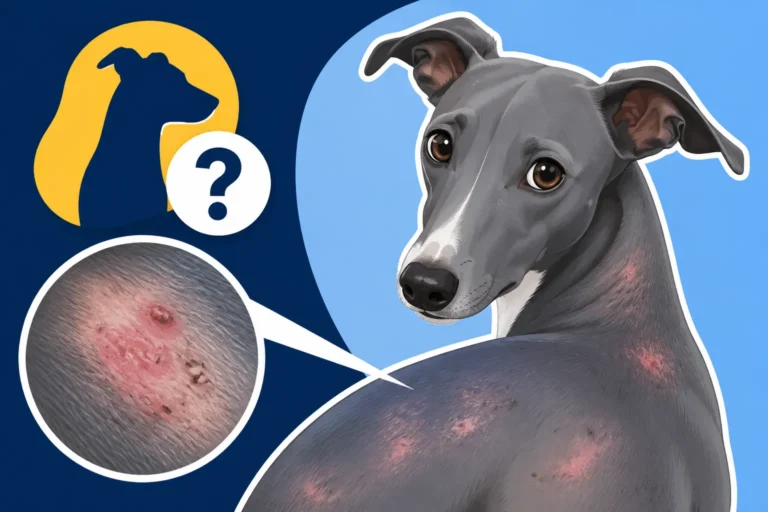
Regardless of the genetic specifics, if a Whippet has extensive white areas on its coat, particularly where the hair is sparse or non-existent (like the belly, inner thighs, or delicate ear tips), the underlying skin is often pink and lacks pigment. This brings a different, but very real, health consideration: sunburn. Whippets, by their very nature, are sighthounds with very little body fat and thin, fine coats. The Thin Skin That Sends a Whippet to the Vet for Stitches is a well-known characteristic, and this delicate skin is even more vulnerable when it lacks protective pigment.
A pale, pink-skinned Whippet, especially one that loves to sunbathe (and many Whippets do, chasing those sunbeams across the floor!), is highly susceptible to sunburn. Just like human skin, prolonged exposure to UV rays can lead to painful burns, blistering, and in the long term, an increased risk of skin cancers. Where a Whippet Sunburns can be surprising to new owners, as delicate areas like ear tips, the bridge of the nose, and the thinly haired belly are particularly vulnerable. Whether a Whippet's Pink Skin Burns is definitely something every owner of a light-colored Whippet needs to be aware of. You'll need to be proactive with sun protection, using dog-safe sunscreens on exposed areas and limiting sun exposure during peak UV hours. This isn't just a comfort issue; it's a critical part of their long-term health care.
Care and Living with a Mostly White Whippet
Bringing any Whippet into your home is a joy, but if your heart is set on a mostly white one, there are a few practical considerations that might become more apparent in your daily life. While Whippets are generally low-maintenance, a light coat does come with its unique quirks.
Maintaining a Bright Coat
Whippets have wonderfully short, fine coats that are generally easy to care for, requiring minimal brushing and bathing. However, a predominantly white coat acts like a magnet for visible dirt! That tiny smudge of mud from the garden or the grass stain from a playful roll will stand out dramatically on a white coat in a way it never would on a brindle or black Whippet. This isn't a cleanliness issue with the dog itself, but rather a cosmetic one for the owner.
You might find yourself wiping your mostly white Whippet down more frequently after walks, especially in damp or muddy conditions. Gentle shampoos are a must, as Whippets already have delicate skin, and frequent bathing with harsh products can cause irritation. Look for shampoos specifically formulated for sensitive skin or those designed to brighten white coats without harsh chemicals. Even simple things, like having a cozy throw on the sofa where your white Whippet loves to nap, can help keep their coat looking pristine between baths. Companies like Chewy offer a wide range of gentle shampoos and grooming wipes perfect for keeping a white coat sparkling without irritating their The Thin Skin That Sends a Whippet to the Vet for Stitches.
Temperature Regulation and Comfort
All Whippets, regardless of color, share a common need: warmth. They simply don't have the insulating fat or thick undercoat of many other breeds. This is why A Whippet Has No Insulation and No Padding is a truth universally acknowledged by Whippet owners. They feel the cold acutely, which means coats, sweaters, and plenty of soft, warm bedding are absolute essentials.
For a Whippet with extensive white or pink skin, this need for warmth can sometimes feel even more pressing. The lack of pigment in the skin, especially on their bellies and chests, means there's less natural protection and absorption of warmth. While scientifically, a white coat reflects more light and heat in the sun, in cooler temperatures, that same lack of pigmentation means the underlying skin is more exposed to ambient cold. Therefore, ensuring your mostly white Whippet has a proper The Wardrobe a Whippet Needs Because It Has No Body Fat – including a warm winter coat, a fleece for chilly indoors, and even pajamas for sleeping – becomes even more critical. You might even find yourself asking Whether a Whippet Needs a Coat Indoors more often. Providing plenty of soft, plush beds in every room they frequent is also crucial, because sleeping on hard, cold floors can quickly lead to discomfort and even pressure sores for any Whippet.
Public Perception and Misconceptions
Having a mostly white Whippet can sometimes lead to interesting interactions with the public. Because truly solid white dogs aren't common in the breed, people unfamiliar with Whippets might make assumptions. You might hear comments like, "Is that a Grey-Whippet mix?" or "I didn't know Whippets came in white!" Some might even mistake them for an albino, despite their dark eyes and nose.
These comments, though often well-meaning, can sometimes be a source of frustration for proud owners who know their dog's lineage. It's an opportunity to educate others politely about the beautiful diversity within the Whippet breed and explain that extensive white markings are simply a natural expression of their genetics. Embracing your unique-looking Whippet means sometimes being an ambassador for the breed and sharing your knowledge with curious strangers.
The "Rare" Factor: Buyer Beware
In the world of dog breeding, whenever a color or trait is perceived as "unusual" or "rare," it unfortunately opens the door for less scrupulous individuals to capitalize on it. The concept of a "solid white" Whippet is no exception to this.
Misleading Marketing of White Whippets
While mostly white Whippets are beautiful and perfectly healthy, some breeders might try to market them as "rare solid white" or "unique ghost Whippets" to command higher prices. This is a tactic that preys on the desire for something extraordinary and can be very misleading for unsuspecting buyers. The truth, as we've discussed, is that extremely white-marked Whippets are a natural genetic expression within the breed, not an exotic rarity that justifies an inflated price tag. We see similar practices with other traits, for example, The Marketing of Bully Whippets as Rare, where a genetic mutation is sensationalized for profit.
A responsible breeder focuses on health, temperament, and adherence to the breed standard, not on pushing a "rare" color for an extra buck. If a breeder is heavily emphasizing the "rarity" of a white coat color as a primary selling point, and especially if they're charging significantly more for it, it should raise a red flag. Their priorities might not be aligned with the best interests of the breed or the puppies.
What to Look for in a Reputable Breeder
When you're looking for a Whippet puppy, regardless of the color you desire, the key is always to find a reputable, ethical breeder. A good breeder will:
- Prioritize Health: They will perform relevant health screenings on their breeding dogs, such as cardiac exams to check for conditions like Mitral Valve Disease in a Whippet and eye certifications for Eye Disease in a Whippet. They should be transparent about these results and willing to share them.
- Focus on Temperament: They will breed for sound temperaments, ensuring their puppies are well-socialized and have a good start in life.
- Be Knowledgeable and Honest: They will be able to discuss the genetics behind their dogs' coat colors without exaggeration. They won't make outlandish claims about rarity or use color as a primary justification for price. They understand that while a beautiful coat is a bonus, it's not the most important aspect of a healthy, well-bred Whippet.
- Offer Support: A good breeder will be a resource for you throughout your dog's life and will always take back a dog if circumstances change.
Ultimately, the beauty of a Whippet comes from its elegant lines, its incredible athleticism, its gentle spirit, and its loving companionship – not just the color of its coat. While a predominantly white Whippet can be stunning, ensuring you're getting a healthy, well-adjusted dog from a responsible breeder should always be your top priority.
Disclaimer
This article is for general informational purposes only and does not constitute professional advice. Laws, prices and regulations vary by location and change over time. Consult a qualified professional for guidance on your specific situation.