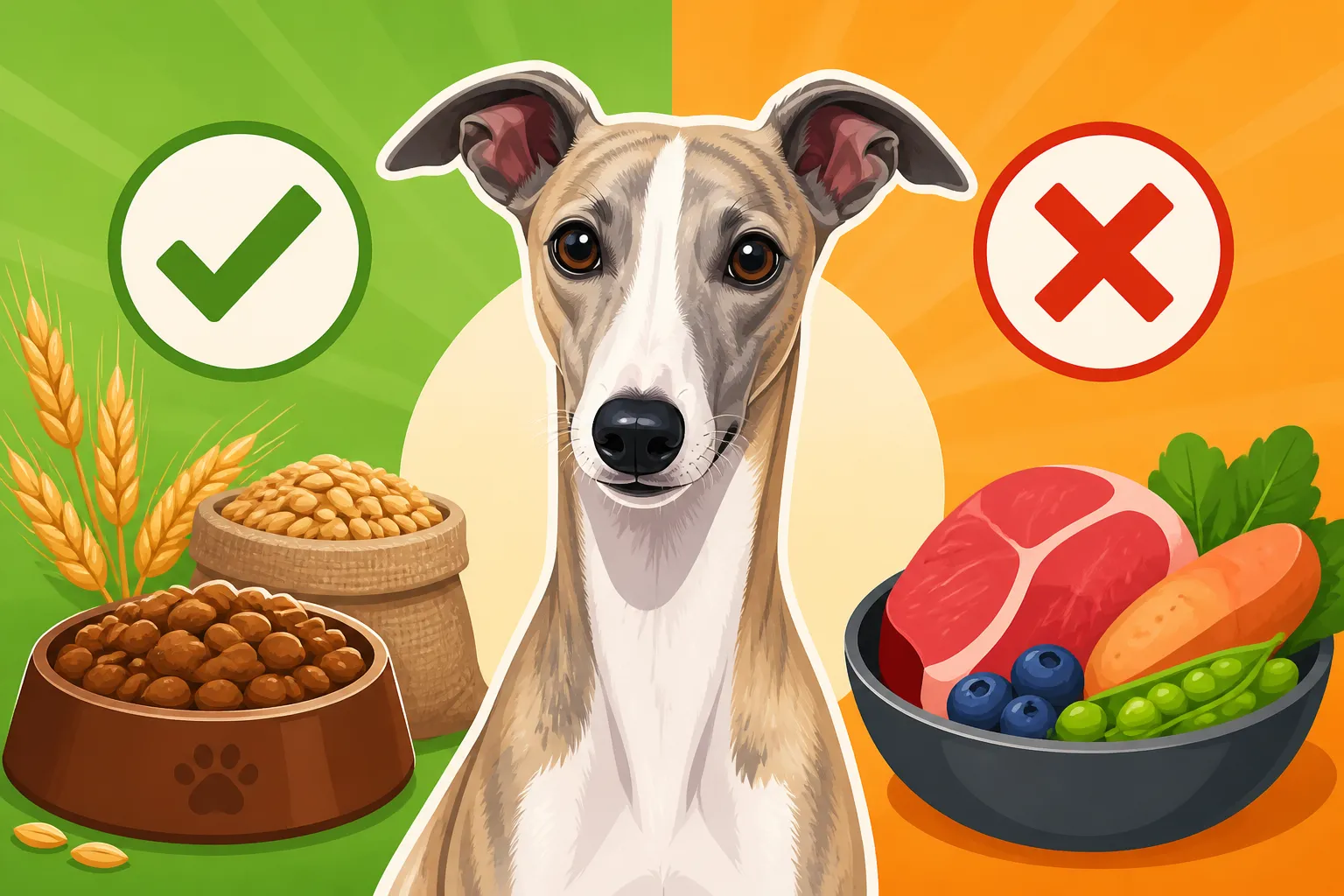
Whether a Whippet Needs Grain Free Food
It's a common dilemma for us Whippet owners, isn't it? You walk into any pet store or browse online, and you're immediately bombarded with a dizzying array of dog food options, many of them proudly sporting "grain-free" labels. It leaves you wondering if you're doing your beloved, lean companion a disservice by not choosing one, especially with so much chatter about allergies and ancestral diets. This guide aims to cut through the noise, helping you understand whether a grain-free diet is truly necessary or even beneficial for your Whippet.
The Grain-Free Trend and Why It Caught On
For years now, "grain-free" has been a buzzword in the pet food industry, and it's completely understandable why so many of us felt compelled to consider it for our dogs. The marketing often paints a picture of a more "natural" diet, closer to what a wild canine might eat, or it suggests that grains are a common source of allergies and digestive upset. When you love your Whippet as much as we all do, you want to provide nothing but the best, and if "grain-free" promises better health, who wouldn't be tempted?
Understanding the Appeal of Grain-Free for Pet Owners
The appeal of grain-free dog food really taps into our desire to do right by our pets. We see labels that emphasize wholesome ingredients like sweet potatoes, peas, and lentils as alternatives to traditional grains like corn, wheat, and soy. For many owners, the thought process is simple: if humans sometimes struggle with gluten or prefer grain-free options, surely our dogs might benefit too, especially breeds like Whippets with their often delicate constitutions. There's a narrative that grains are just "fillers" or difficult for dogs to digest, a narrative that has been powerful in shaping purchasing decisions. We want to believe we're giving our dogs something superior, something that aligns with their ancient wolf ancestors, even if our Whippets are more prone to burrowing under blankets than hunting elk.
Think about the images on the bags – often depicting powerful, athletic dogs in natural settings, implying that this food will unlock their inner vigor. For a Whippet owner, who cherishes their dog's incredible athleticism and speed, it's easy to connect that visual to the idea of peak performance and health. We want our Whippets to live long, healthy lives, perhaps for The Twelve to Fifteen Years a Whippet Lives, and if a certain diet promises to contribute to that, it's a hard proposition to ignore.
The Misconception About Grains and Allergies in Dogs
One of the biggest drivers behind the grain-free movement was the widespread belief that grains are a primary cause of food allergies in dogs. It's a common misconception, and frankly, it's understandable how it took hold. When a dog has itchy skin, digestive upset, or recurring ear infections, owners are desperate for answers, and "food allergy" is often one of the first things that comes to mind. The marketing of grain-free diets often subtly, or not so subtly, suggested that removing grains would solve these issues.
However, veterinary science tells a different story. True food allergies in dogs are much rarer than many people assume, and when they do occur, the most common culprits are typically proteins like beef, dairy, chicken, or lamb – not grains. While a dog can technically be allergic to anything, including a grain like wheat, it's far less common than an allergy to a protein source. For most dogs, including our Whippets, grains are a perfectly healthy and digestible source of carbohydrates, fiber, and other essential nutrients. Removing them without a genuine, vet-diagnosed reason doesn't necessarily make the diet "better" and, as we'll discuss, can sometimes introduce other concerns.
The Science Behind Grains and Canine Nutrition
When we talk about dog food, it's easy to get lost in buzzwords and marketing hype. But at its core, canine nutrition is about providing a balanced diet that meets all of a dog's physiological needs. Grains, despite their bad rap in some circles, play a significant and beneficial role in a well-formulated dog food. Understanding this science helps us make clearer choices for our Whippets.
Essential Nutrients Grains Provide
Grains are much more than just "filler." They are a powerhouse of essential nutrients that contribute significantly to a dog's overall health and energy levels. Whole grains like rice, oats, barley, and corn provide complex carbohydrates, which are a readily available and efficient energy source, fueling your Whippet's zoomies and even their impressive ability to be a The Whippet Is a Forty Mile an Hour Couch Potato. Without sufficient carbohydrates, a dog's body might start breaking down protein for energy, which is less efficient and means less protein is available for building and repairing tissues.
Beyond energy, grains offer valuable fiber, which is crucial for digestive health. Fiber helps regulate bowel movements, promotes a healthy gut microbiome, and can even aid in weight management by helping dogs feel full. They also contain a range of vitamins (like B vitamins), minerals (such as magnesium and selenium), and even some beneficial plant-based proteins. For example, corn, often unfairly maligned, is a good source of linoleic acid, an essential fatty acid. These are all vital components for maintaining your Whippet's sleek coat, strong muscles, and overall vitality, contributing to factors like Keeping Weight On a Whippet Without Making It Fat.
Digestibility of Grains in a Whippet's Diet
One of the persistent myths about grains in dog food is that dogs can't digest them properly because their digestive systems are supposedly designed only for meat. This is simply not true. While dogs are carnivores, they are also opportunistic scavengers and have evolved over thousands of years living alongside humans to digest a wide variety of foods, including cooked grains. Their digestive systems produce enzymes necessary to break down carbohydrates effectively.
When grains are properly processed and cooked in commercial dog foods, they become highly digestible for most dogs. In fact, many grain-inclusive foods use highly digestible grains like rice and oats precisely because they are gentle on a dog's stomach and efficiently deliver energy. If your Whippet has a truly sensitive stomach, a specific grain could be an issue, but often it's the specific protein source, or even the fat content, that's the real problem. It's much more complex than simply blaming all "grains." If you're concerned about your Whippet's digestion, a conversation with your vet about their specific symptoms and diet history is always the best first step.
Debunking the Myth of "Filler" Grains
The term "filler" often gets tossed around in discussions about pet food, implying that certain ingredients have no nutritional value and are just there to bulk up the product. Grains are frequently labeled as fillers, which is a significant mischaracterization. As we've just discussed, grains provide crucial carbohydrates for energy, fiber for digestion, and a host of vitamins and minerals. They are far from empty calories.
In fact, some of the alternative ingredients used in grain-free foods – like peas, lentils, and potatoes – are essentially doing the same job as grains: providing carbohydrates and fiber. Calling them "better" simply because they aren't grains is misleading. A high-quality dog food, whether grain-inclusive or grain-free, will use digestible ingredients that contribute positively to the nutritional profile. The focus should always be on the overall balance and quality of the ingredients, not just whether a particular ingredient falls into the "grain" category. For example, Whether a Whippet Needs a High Fat Diet or Whether a Whippet Needs More Protein are far more specific and impactful questions than a blanket dismissal of grains.
| Feature | Grain-Inclusive Diets | Grain-Free Diets |
|---|---|---|
| Primary Carbs | Corn, wheat, rice, barley, oats | Sweet potatoes, peas, lentils, chickpeas, potatoes |
| Fiber Source | Grains, vegetables, fruits | Legumes, vegetables, fruits |
| Nutrients | Complex carbs, B vitamins, minerals, some plant protein | Complex carbs, B vitamins, minerals, some plant protein |
| Allergy Risk | Low (protein allergies more common) | Low (protein allergies more common) |
| Cost | Generally more accessible | Can sometimes be more expensive |
| Digestibility | Highly digestible when properly processed | Generally digestible, but can be higher in certain fibers |
| Heart Health | No known link to DCM | Potential link to DCM in certain formulations (ongoing study) |
The Potential Risks of a Grain-Free Diet for Whippets
While the intent behind feeding grain-free is usually rooted in a desire for better health, it's crucial for Whippet owners to be aware of the emerging concerns surrounding these diets. What seemed like a straightforward choice a few years ago has become much more nuanced, particularly with the FDA's ongoing investigation into a potential link between certain grain-free diets and a serious heart condition.
The Link to Dilated Cardiomyopathy DCM
This is perhaps the most significant concern with grain-free diets. The U.S. Food and Drug Administration (FDA) has been investigating a potential link between certain "boutique," "grain-free," and "exotic ingredient" pet foods and canine Dilated Cardiomyopathy (DCM). DCM is a serious heart condition where the heart muscle becomes thin and weak, leading to an enlarged heart that struggles to pump blood effectively. While some breeds have a genetic predisposition to DCM, it was increasingly being reported in breeds not typically associated with the condition, including, potentially, our Whippets.
The diets under investigation often contain high levels of legumes (peas, lentils) and potatoes as primary carbohydrate sources, displacing traditional grains. The exact mechanism of this potential link isn't fully understood, but current theories involve nutrient deficiencies, particularly taurine, or other factors related to the overall ingredient composition and how these alternative carbohydrate sources are processed or interact with a dog's metabolism. This is a complex issue, and research is ongoing, but the potential risk is significant enough that many veterinarians now recommend avoiding these specific types of diets unless there's a clear, medically diagnosed reason to feed them. It's a scary thought when you consider that Dilated Cardiomyopathy in a Whippet could potentially be influenced by diet, when normally we think of our Whippets having robust, athletic hearts – although it's important to remember Why a Whippet's Big Heart Is Not a Diagnosis in itself.
What to Look For in a "Grain-Free" Alternative
If you've been feeding a grain-free diet and are now concerned, or if your vet has specifically recommended avoiding grains for a confirmed medical reason (which is rare), you'll want to choose carefully. The key isn't just "no grains," but the quality and balance of the alternative ingredients. Look for grain-free foods that still maintain a balanced nutritional profile, ideally formulated by veterinary nutritionists.
Avoid diets where legumes (peas, lentils, chickpeas) or potatoes are among the first few ingredients, especially if they appear multiple times in the ingredient list. Instead, look for diets that use more varied and tested carbohydrate sources, or those that explicitly state they are supplemented with taurine. Always prioritize foods from reputable manufacturers that employ board-certified veterinary nutritionists and conduct feeding trials to ensure their diets are complete and balanced. While it's easy to just grab a bag from an online retailer like Amazon or Chewy, digging deeper into the brand's formulation practices is vital. Brands like Ollie, for instance, offer fresh food options, but even with those, understanding the full ingredient list and consulting with a vet is paramount. Remember, the goal is optimal nutrition, not just the absence of a single ingredient category.
Making an Informed Decision for Your Whippet
Navigating the world of dog nutrition can feel like a minefield, especially with conflicting information swirling around. But armed with knowledge, you can make the best choices for your Whippet's unique needs. It's not about being dogmatic about one type of food, but about ensuring their diet supports their health, energy, and longevity.
Consulting Your Veterinarian
This is, without a doubt, the most important step in deciding your Whippet's diet. Your veterinarian knows your dog's individual health history, activity level, and any specific sensitivities or medical conditions. They can provide personalized advice far beyond what any blog post or pet food label can offer. If you have concerns about allergies, weight management (whether it's about What an Adult Male Whippet Weighs or What an Adult Female Whippet Weighs, or generally How Much a Whippet Should Eat), or digestive issues, your vet can help diagnose the root cause.
They can guide you on whether a grain-free diet is genuinely indicated for your Whippet (which, again, is rare for food allergies) or if a different dietary modification, such as a novel protein diet or a simply higher quality grain-inclusive food, would be more appropriate. They can also advise on the current understanding of the DCM link and what brands or ingredient profiles they recommend avoiding. Don't hesitate to bring the food bag or a detailed ingredient list to your appointment for review.
Reading Food Labels and Understanding Ingredients
Becoming a savvy label reader is a skill every Whippet owner should cultivate. Don't just look for "grain-free" or "natural" on the front of the bag; turn it over and dive into the ingredient list. Ingredients are listed by weight, so the first few items make up the bulk of the food.
Here's what to look for:
- Named Meat Protein First: A high-quality dog food, whether grain-inclusive or not, should list a specific animal protein (e.g., "chicken," "lamb meal," "salmon") as the first or second ingredient.
- Identifiable Carbohydrate Sources: If it's grain-inclusive, look for whole grains like brown rice, oats, or barley. If it's grain-free, pay attention to what's replacing the grains. Be cautious if peas, lentils, or potatoes are very high on the list, especially appearing multiple times (e.g., "pea protein," "pea flour").
- Balance of Nutrients: Look for a guaranteed analysis that shows adequate protein, fat, and fiber for your Whippet's life stage. For an active Whippet, you'll want a diet that supports their energy needs without making them over or underweight. Keeping Weight On a Whippet Without Making It Fat is a common concern!
- AAFCO Statement: Ensure the food has an AAFCO (Association of American Feed Control Officials) statement confirming it's "complete and balanced" for your dog's life stage (e.g., "for adult maintenance," "for growth," "for all life stages"). This indicates it meets minimum nutritional requirements.
Understanding these details helps you choose a truly nourishing diet, whether it contains grains or not.
Brands Offering Balanced Diets
The good news is that there are many excellent, reputable dog food brands out there that prioritize canine health and nutrition. While the discussion around grain-free diets has been complex, many established brands have adjusted their formulations, or continue to offer high-quality grain-inclusive options that have stood the test of time.
For those preferring traditional kibble, many well-known brands available at retailers like Chewy or Amazon offer excellent grain-inclusive lines formulated by veterinary nutritionists, with decades of research behind them. These often contain highly digestible grains and balanced nutrient profiles suitable for active dogs like Whippets. If you're exploring fresh food, brands like Ollie have gained popularity, offering human-grade ingredients and customized meal plans. However, even with fresh food, ensure the formulation is balanced and that they’ve considered potential nutrient deficiencies that can arise from novel ingredient combinations.
Ultimately, the best food for your Whippet will be one they thrive on: they maintain a healthy weight, have a shiny coat, good energy levels, and consistent, healthy stools. It's about finding what works best for your individual Whippet, in consultation with your trusted veterinarian, rather than getting caught up in dietary fads. Even for a Whippet with Whether a Whippet Has a Sensitive Stomach, a well-chosen grain-inclusive diet can often be the best path forward.
Disclaimer
This article is for general informational purposes only and does not constitute professional advice. Laws, prices and regulations vary by location and change over time. Consult a qualified professional for guidance on your specific situation.